By Tilda Mammah
The Generational Impact Movement (GIM), with support from Plan International through the Youth Challenge Fund, has successfully implemented the Community Climate Resilience and Emergency Preparedness Project in selected communities across Moyamba District, significantly boosting awareness of climate change and strengthening local capacity to respond to environmental challenges.
The initiative was designed to promote environmental conservation, improve emergency preparedness, and build community resilience against the growing impact of climate change, particularly among vulnerable groups, including women, young people, schoolchildren, and persons with disabilities.
The project began with a comprehensive community assessment carried out by the GIM project team in collaboration with local stakeholders. The assessment identified communities and schools facing environmental threats such as deforestation and declining vegetation cover. Through consultations with community leaders, school authorities, women, youth groups, and disability organizations, the project selected its target communities and beneficiaries.
Following the assessment, an implementation strategy was developed to ensure broad community participation and ownership. The project placed particular emphasis on involving school-going children, youth, women, traditional leaders, and persons with disabilities, recognizing their critical role in promoting environmental sustainability and climate resilience.
The project was officially launched on 24 March, bringing together stakeholders from across the participating communities. During the launch, participants were introduced to the objectives of the initiative, expected outcomes, and the collective responsibilities required to advance climate action and emergency preparedness.
As part of the implementation process, a series of climate change awareness sessions were organized to educate beneficiaries on the causes and consequences of climate change and environmental degradation. Discussions focused on issues such as deforestation, poor waste management practices, and other human activities that contribute to climate-related disasters.
Participants were also equipped with practical knowledge on climate change mitigation and adaptation measures, enabling them to adopt environmentally friendly practices that can help protect their communities and natural resources.
To expand the reach of the awareness campaign, the project team organized weekly market sensitization activities and radio discussion programmes. These platforms created opportunities to engage traders, farmers, women, youth, and the wider public on the importance of environmental protection, responsible waste disposal, and collective efforts to address climate challenges.
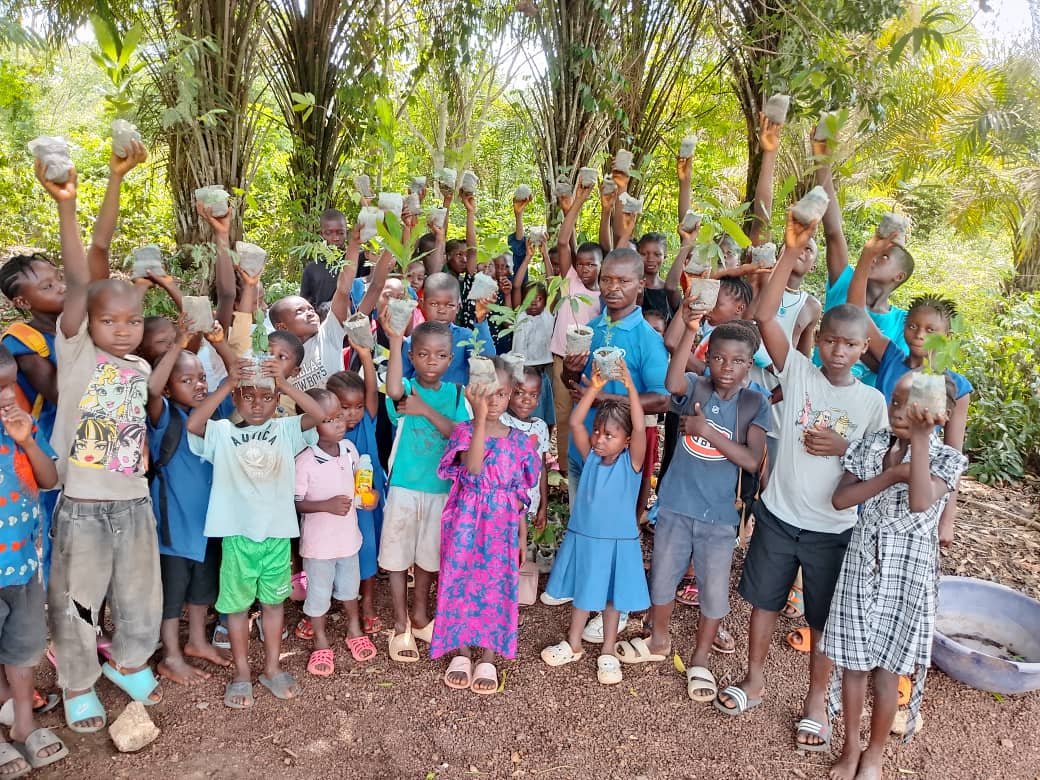
A major highlight of the project was its environmental restoration component through tree planting. A total of 100 tree seedlings were distributed and transplanted across selected schools and communities, including Njagbahun and Mokorewa in Fakunya Chiefdom and Mbaoma in Dasse Chiefdom.
The tree planting exercise attracted the active participation of students, teachers, community leaders, women, and young people, reinforcing the importance of environmental stewardship and long-term sustainability.
The project concluded with an Emergency Preparedness Training that brought together community members and key stakeholders to discuss disaster risk reduction strategies and practical emergency response measures. Participants received training on protecting natural resources, promoting proper waste disposal, and strengthening community resilience against climate-related hazards.
According to GIM, the initiative directly benefited 160 people across the target communities and schools. Through a combination of awareness campaigns, community engagement, tree planting exercises, market sensitizations, radio programmes, and emergency preparedness training, the project has significantly enhanced public understanding of climate change and environmental conservation.
Project Highlights
- Direct beneficiaries reached: 160
- Schools engaged: 3
- Seedlings distributed and transplanted: 100
- Key activities included: Project Launch, Climate Change Awareness Sessions, Weekly Market Sensitizations, Radio Discussion Programmes, Tree Seedling Distribution and Transplanting, and Emergency Preparedness Training.
The Generational Impact Movement expressed gratitude to Plan International and the Youth Challenge Fund for their support in making the project a success. The organization reaffirmed its commitment to empowering communities, promoting climate action, and contributing to sustainable development across Sierra Leone. https://thecalabashnewspaper.com/community-climate-resilience-and-emergency-preparedness-project-empowers-communities-in-moyamba-district/

No comments:
Post a Comment