Monday, 6 July 2026


Orange Sierra Leone, Gender Ministry Deepen Collaboration on Women's Empowerment and Digital Inclusion
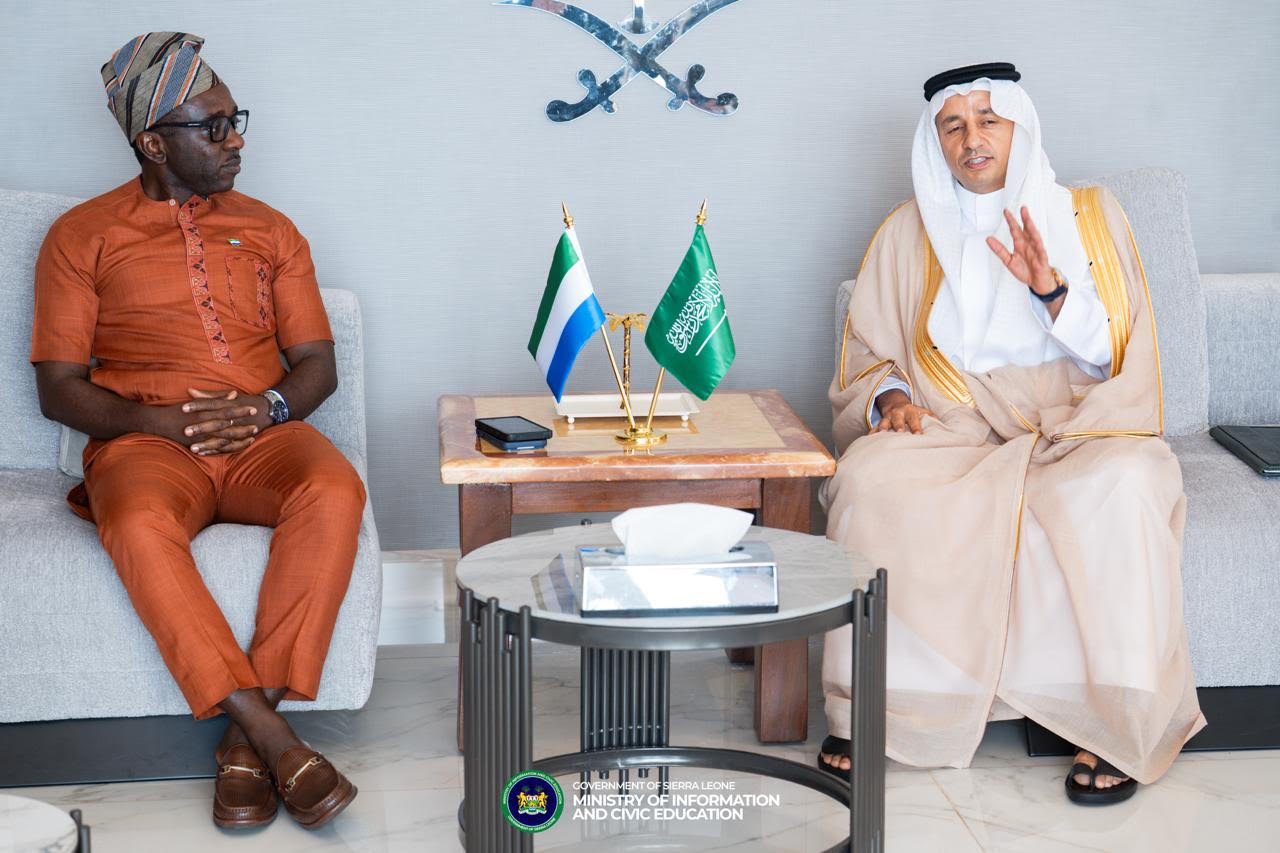
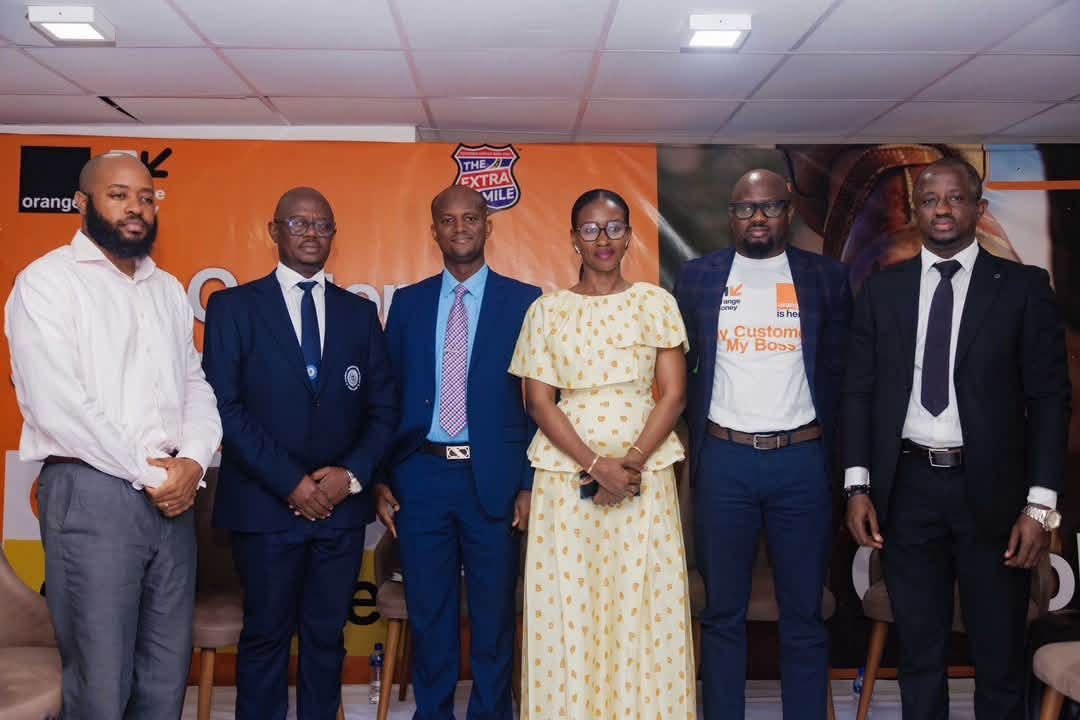
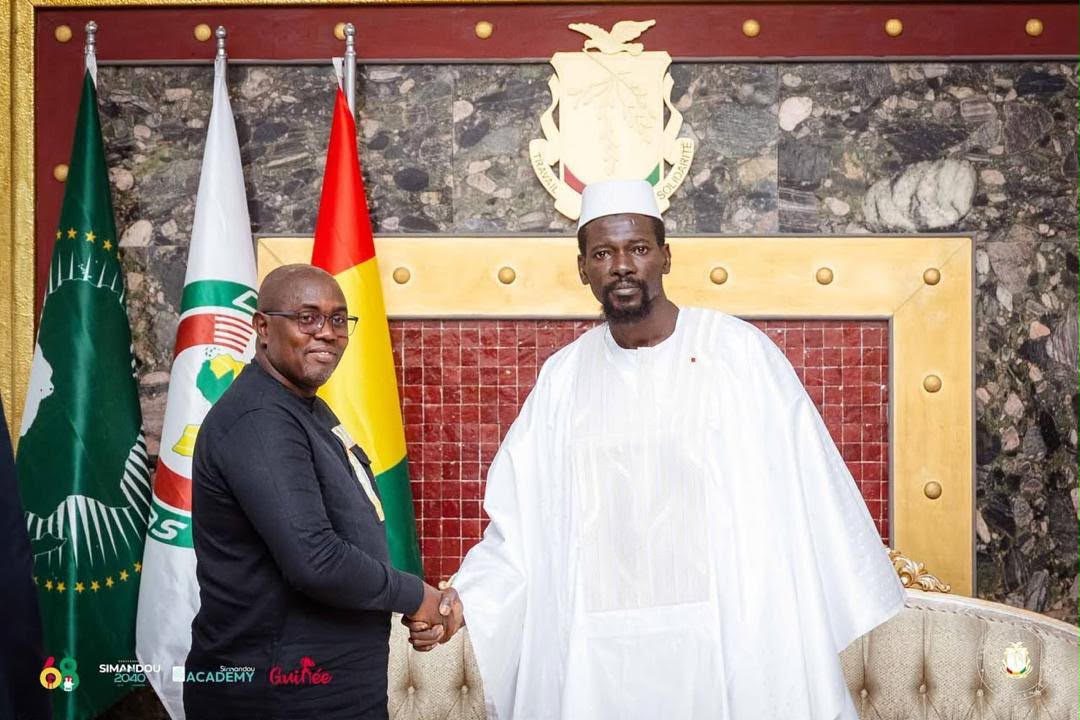
The Minister of Gender and Children's Affairs has reaffirmed the Government's commitment to strengthening partnerships with the private sector after receiving the Chief Executive Officer of Orange Sierra Leone for a courtesy meeting aimed at advancing programmes that support women and children across the country.

The meeting, held on Friday, 3 July 2026, focused on deepening the longstanding collaboration between the Ministry and Orange Sierra Leone, with discussions centred on promoting gender equality, women's empowerment, child protection, digital inclusion and education.

Both parties reviewed ongoing initiatives and explored new opportunities to expand interventions that improve the lives of women and children while fostering inclusive national development.

During the meeting, the Chief Executive Officer of Orange Sierra Leone commended the Gender Minister and her team for their unwavering commitment to advancing gender equality and protecting the rights and well-being of women and children across Sierra Leone. He praised the Ministry's efforts in implementing programmes that promote inclusion, empowerment and social protection.

In her remarks, the Minister expressed appreciation to Orange Sierra Leone for its sustained investment in social development through the Orange Foundation. She highlighted the Foundation's contributions to empowering communities, particularly through digital skills training for more than 500 women and continued support for children's education.

She noted that those interventions have enhanced economic opportunities for women while equipping beneficiaries with the knowledge and skills needed to participate more effectively in the country's growing digital economy.

The Minister further underscored the importance of strong public-private partnerships in addressing social challenges and accelerating national development, emphasizing that collaboration remains essential to achieving lasting progress in gender equality and child welfare.

At the conclusion of the meeting, both the Ministry of Gender and Children's Affairs and Orange Sierra Leone reaffirmed their shared commitment to strengthening their partnership and working together to promote gender equality, reinforce child protection systems and create greater opportunities for women and children throughout Sierra Leone.

The  Minister also reiterated the Ministry's resolve to continue engaging private sector institutions in support of inclusive development, with the goal of building a safer, more equitable and empowered Sierra Leone for all women and children. https://thecalabashnewspaper.com/orange-sierra-leone-gender-ministry-deepen-collaboration-on-womens-empowerment-and-digital-inclusion/


Foreign Engineers Assess Freetown’s Waste System Ahead of Infinitum Energy's 30MW Waste-To-Energy
The proposed 30-megawatt waste-to-energy project for Freetown and the Western Area has moved a step closer to implementation following the successful completion of comprehensive technical assessments by a team of international engineers specializing in civil, environmental, waste and energy engineering.

The delegation visited Sierra Leone on a working mission to evaluate critical project requirements ahead of the implementation of the highly anticipated infrastructure investment, which is expected to transform waste management, improve sanitation and increase electricity generation across the Western Area.

The engineering team, led by Infinitum Energy's Lead Engineer, Raphael, included specialists from De Smet, a Belgium-based engineering company that has been selected to construct the waste-to-energy plant at the Hastings project site. The company previously completed the construction of a sugar cane processing facility in Hastings.

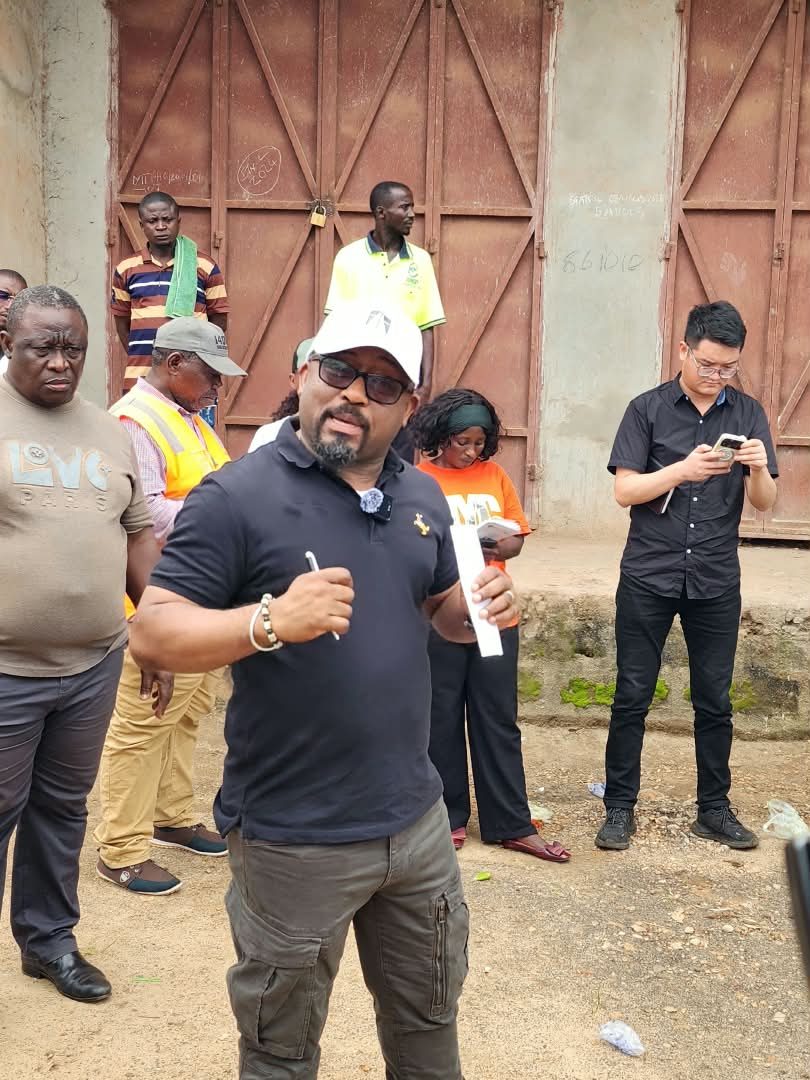
During the visit, the engineers conducted detailed inspections of all legally designated dumpsites across the Western Area, including Kingtom, Kissy and Waterloo. They also toured industrial and agricultural facilities in Cline Town, Wellington and Waterloo, where they engaged stakeholders to assess waste generation levels, existing disposal practices and operational challenges.

According to the engineering team, the proposed facility will require more than 1,200 tonnes of waste each day to generate 30 megawatts of electricity. Based on their technical findings, the engineers expressed confidence that sufficient waste would be available to sustain the plant once operations commence.

The delegation also carried out an extensive technical assessment of the 60-acre Hastings project site, where the waste-to-energy facility will be constructed. The evaluation focused on the site's topography, landscaping, logistics and supporting infrastructure, including the condition of access roads and other facilities required for the successful construction and operation of the plant.

As part of the assessment, the engineers visited the Queen Elizabeth II Quay at the Freetown Port and the Jui electricity substation, both of which are considered critical components of the project's logistics and power transmission network.

Country Director of Infinitum Energy Group, Dr. Yassin Kargbo, welcomed the successful completion of the technical assessment, describing it as another significant milestone in the project's development.

Dr. Yassin Kargbo has coordinated closely with relevant Government institutions, regulatory agencies and community stakeholders since 2021 to facilitate the implementation of the project. Despite delays during the approval process, he expressed optimism that the initiative is now approaching its final stages before full implementation.

He noted that, once operational, the project will provide 30 megawatts of reliable electricity to Freetown and the Western Area while significantly improving waste collection and management, enhancing environmental sanitation and contributing to the creation of a cleaner city.

Dr. Yassin Kargbo further stated that the project is expected to create employment opportunities both at the waste-to-energy plant and across the wider waste management value chain. He added that it will also generate millions of dollars in corporate social responsibility investments to support education, healthcare, sanitation and community development initiatives.

Valued at more than US$200 million, the project is also expected to deliver substantial economic benefits through infrastructure development, private sector investment and long-term sustainable energy production.

The waste-to-energy initiative has steadily progressed over the past several years and received Government approval in principle last year. According to Infinitum Energy Group, the company has fulfilled its obligations under the development process, with only the remaining contractual approvals and ratification required before construction can officially commence. https://thecalabashnewspaper.com/foreign-engineers-assess-freetowns-waste-system-ahead-of-infinitum-energys-30mw-waste-to-energy/


The Director General of the Sierra Leone Civil Aviation Authority (SLCAA), Madam Musayeroh Barrie, has called for greater grassroots action and personal responsibility to accelerate women's leadership and participation in Africa's aviation sector, stressing that sustainable transformation cannot rely solely on government policies and interventions.

Madam Musayeroh Barrie made the remarks during the Women, Youth and Skills Development session at the African Air Transport Convention and Expo 2026, held from 15 to 19 June 2026 in Lomé, Togo.

The continental event, organised by the African Civil Aviation Commission (AFCAC) in collaboration with the African Union Commission (AUC) and other partners, brought together ministers responsible for transport and aviation, civil aviation regulators, airline executives, airport operators, investors, development partners and industry experts to discuss strategies for advancing the Single African Air Transport Market (SAATM) and strengthening the continent's aviation industry through improved connectivity, sustainability, innovation and human capital development.

Addressing participants during the high-level session, Madam Musayeroh Barrie challenged women and other stakeholders to move beyond dependence on government directives and embrace personal initiative in driving meaningful change.

She acknowledged that governments have significant responsibilities in creating policies, providing leadership and establishing enabling environments for development. However, she argued that waiting for instructions from presidents, ministers or other public officials before taking action often delays progress.

"Action begins with us," she told delegates. "While governments have responsibilities, real transformation comes when individuals take bold action without waiting for directives."

She encouraged participants to adopt a proactive mindset by taking responsibility within their homes, workplaces and communities, noting that sustainable development begins with individual commitment and collective action.

According to the SLCAA Director General, meaningful implementation of development programmes should not be confined to national institutions alone but must also be reflected in communities where lasting social and economic change takes place. She maintained that empowering women at the grassroots level remains critical to building a stronger, more inclusive and competitive aviation industry capable of supporting Africa's broader economic transformation.

Madam Musayeroh Barrie further stated that women possess the leadership potential, innovation and resilience needed to contribute significantly to the growth of Africa's aviation sector. She urged governments, private sector institutions and development partners to continue creating opportunities that enable women and young people to acquire the necessary skills and leadership experience to thrive in the industry.

While acknowledging the progress already being made in promoting gender inclusion across the continent, she cautioned that Africa must accelerate the pace of implementation if it is to achieve its ambitions under the Single African Air Transport Market and other continental development frameworks.

She called on women, youth organisations, professional bodies and community leaders to work collectively in promoting leadership, skills development and mentorship initiatives that will prepare more women to occupy strategic positions within the aviation sector.

Madam Musayeroh Barrie's address was widely regarded as a strong call for a shift in mindset from dependence to self-driven leadership. Her message reinforced the importance of community participation, women-led initiatives and local ownership in advancing aviation development and ensuring that Africa's aviation industry becomes more inclusive, innovative and sustainable. She emphasised that while supportive government policies remain essential, lasting transformation will ultimately be driven by individuals who are willing to act, inspire others and create opportunities within their own communities. https://thecalabashnewspaper.com/action-begins-with-us-slcaa-dg-calls-on-citizens-to-take-bold-action-without-waiting-for-government/


Orange Foundation Boosts Digital Learning with Equipment Donation to York Primary School
The Orange Foundation Sierra Leone has donated digital learning equipment to Rural Education Community Primary School in York, Western Area Rural District, in a move aimed at expanding access to digital education and equipping pupils with the technological skills needed for the future.

The presentation ceremony brought together education stakeholders, community leaders, teachers and pupils, highlighting the Foundation's continued commitment to promoting digital inclusion and improving learning opportunities for children across Sierra Leone.

Speaking during the event, Director of Orange Foundation Sierra Leone, Annie Wonnie Katta, said the donation reflects the Foundation's vision of ensuring that every child, irrespective of location, has access to quality digital education.

She explained that the initiative is intended to provide pupils with opportunities to explore technology, enhance their digital literacy and prepare for the demands of an increasingly technology-driven world.

According to Annie Wonnie Katta, the Foundation remains committed to equipping schools with modern digital learning resources that will broaden educational opportunities and empower children to achieve their full potential.

Welcoming the delegation, Head Teacher of Rural Education Community Primary School, Madam Christiana Macarthy, expressed appreciation to Orange Foundation Sierra Leone for selecting the school as a beneficiary.

She described the donation as a significant contribution to improving teaching and learning, noting that the digital equipment will enhance classroom instruction and provide pupils with valuable learning experiences.

York Headman, Mr. Julrick Pratt, also commended Orange Sierra Leone for its continued support to the community, observing that the company's interventions extend beyond education to the health sector.

"It is very, very timely, this particular donation Orange has brought to our children," he said.

He assured the Foundation that both teachers and pupils would take proper care of the equipment while making the best use of the learning resources provided.

Chairman of the Community Teachers Association (CTA), Mr. Samuel Frewy, thanked Orange Sierra Leone for choosing the school to benefit from the initiative, describing the donation as one that will significantly improve the quality of education available to the pupils.

Chief Executive Officer of Orange Sierra Leone, Madam Aicha Toure, described education as one of the most valuable investments any nation can make, stressing that every child deserves the opportunity to learn, innovate and realise their dreams.

She disclosed that Orange Digital School kits are currently benefiting more than 30,000 pupils across six districts in Sierra Leone, while over 500,000 pupils worldwide are using similar digital learning kits in countries where Orange operates.

Madam Aicha Toure commended teachers for their dedication to nurturing future generations and expressed confidence that the donated equipment would strengthen classroom teaching and prepare pupils for the digital age.

"Investing in education means investing in the future of the country," she said.

Delivering the keynote address, the Minister of Basic and Senior Secondary Education said he has travelled extensively across Sierra Leone since assuming office to engage communities and better understand the challenges confronting the education sector.

He noted that although York is located within the Western Area, it remains one of the district's least developed communities, making interventions such as Orange Foundation's digital education initiative particularly significant.

The Minister praised Orange Sierra Leone for its sustained investment in the community, noting that the company has consistently supported development initiatives in the area.

"We believe that our kids must be educated and be educated properly," he said.

Addressing the pupils, the Minister encouraged them to embrace digital technology and maximise the opportunities created by the donated equipment, reminding them that they are growing up in an era where technology has become central to education and future employment.

The donation forms part of Orange Foundation Sierra Leone's broader programme to expand digital inclusion and improve access to quality education, particularly in underserved communities, as it continues to invest in initiatives that equip young learners with the skills required for success in the digital economy.

  https://thecalabashnewspaper.com/orange-foundation-boosts-digital-learning-with-equipment-donation-to-york-primary-school/


CODE Matriculates 350 Students, Urges Innovation & Ethical Leadership in Digital Education
 

The College of Digital Excellence (CODE) has officially welcomed 350 new students into its academic community during its fourth matriculation ceremony, with Government officials and education leaders urging the new entrants to embrace innovation, discipline and integrity as they prepare for careers in the rapidly evolving digital sector.

The matriculation ceremony, held on Friday, 3 July 2026 at the Choithram International School auditorium along Hill Cut Road in Freetown, attracted Government representatives, education stakeholders, lecturers, parents and supporters who gathered to witness the formal admission of the students into the institution.

Delivering the keynote address, Mayor of Freetown, Yvonne Aki-Sawyerr, congratulated the matriculants and encouraged them to approach their studies with determination, discipline and a strong work ethic. She reminded the students that lasting success is built through commitment and perseverance rather than shortcuts.

Reflecting on the institution's growth, Yvonne Aki-Sawyerr observed that the College of Digital Excellence has expanded significantly from its early years of enrolling only a small number of students to now admitting 350 matriculants. She described the achievement as a clear indication of the growing demand for digital and technology-focused education in Sierra Leone.

While acknowledging existing challenges, including limited internet access and employment opportunities, Yvonne Aki-Sawyerr urged the students to remain resilient and committed to their goals.

She encouraged the new students to cultivate integrity, hard work and perseverance, stressing that those qualities would enable them to overcome obstacles and succeed both academically and professionally.

Highlighting the development priorities of the Freetown City Council, Yvonne Aki-Sawyerr said the city continues to focus on climate action, heritage tourism, human capital development and the digital economy, which she described as one of the fastest-growing sectors in the municipality.

She noted that the council has embraced digital transformation by introducing electronic corporate systems and technology-driven public services, including the "Dorti Must Go" sanitation programme that allows residents to register with licensed waste collection providers using their mobile phones.

The Mayor further challenged the matriculants to use the knowledge they acquire at the College of Digital Excellence to become innovators, entrepreneurs and employers capable of contributing to national development.

Earlier, Director of the College of Digital Excellence, Niharika Agnani, described the ceremony as another important milestone in the institution's efforts to equip young Sierra Leoneans with practical digital skills required in today's technology-driven world.

According to Niharika Agnani, the college was established to prepare students for emerging opportunities in technology while complementing the broader educational vision of Choithram International School, which promotes innovation, critical thinking and globally competitive education.

She said the institution was founded on the belief that Sierra Leone's young people possess the talent and potential to become leaders in the digital economy if provided with the right training and opportunities.

Encouraging the students to think beyond simply using technology, Niharika Agnani challenged them to become innovators who develop solutions capable of transforming communities and industries. She also advised them to remain committed to continuous learning, uphold ethical standards and build resilience throughout their academic journey.

Representing the National Council for Technical and Vocational Education, Deputy Accreditation Officer Komba Moiwo described the matriculation as the official beginning of an important educational journey.

Komba Moiwo encouraged the students to attend lectures consistently, participate actively in practical learning sessions and respect both their lecturers and institutional regulations. He also cautioned them against examination malpractice, drug abuse, violence and other behaviours that could jeopardize their academic future.

Drawing lessons from countries such as Malaysia and Singapore, Komba Moiwo noted that sustained investment in education, technology and innovation has been central to their economic transformation. He urged the students to maximize the opportunities available to them and contribute to Sierra Leone's own development.

Speaking on behalf of the matriculants, Mohammed Bangura expressed appreciation for reaching the milestone despite the personal challenges he had encountered along the way.

He described his admission into the College of Digital Excellence as the beginning of a new chapter, acknowledging that the journey ahead would present challenges but expressing confidence in his determination to overcome them.

The ceremony concluded with the administration of the matriculation oath, officially admitting the 350 students into the College of Digital Excellence to begin their studies in digital technology and related disciplines. https://thecalabashnewspaper.com/code-matriculates-350-students-urges-innovation-ethical-leadership-in-digital-education/

Saturday, 4 July 2026


Affiliates, Get Ready: Globe Cup 26 Traffic Is Entering Its Hottest Phase
Globe Cup 26 is in full swing, and the tournament has moved into a stage where football traffic becomes more focused, emotional and dependent on timing.

To help partners work with this stage more effectively, 1xPartners, the official affiliate programme of 1xBet, has prepared the Globe Cup 26 Traffic Guide - a practical manual with insights on football traffic, user behaviour, content timing and monetisation during the tournament.


Understanding the Current Stage of the Tournament


Right now, users need fast, clear and relevant content. The strongest angles are no longer broad tournament previews, but sharper stories: who will advance, which player can decide the match, and more.

The 1xPartners manual helps affiliates understand this shift and adapt their campaigns to the current stage of the tournament instead of working with outdated group-stage logic.


Live Moments as Traffic Triggers


During decisive matches, users react instantly. A goal, red card or late equaliser can quickly change interest in a match and create a short but valuable traffic window.

This is where affiliates can use live-hype: short updates, fast reactions and simple match-context posts. The message should be immediate and clear, for example: the favourite is under pressure, or extra time is becoming a real possibility.


Broader Angles Beyond the Winner


At this stage, content focused only on the match winner may be too limited. Some games are difficult to predict, while odds on favourites may not be attractive enough for users.

Affiliates can create more useful content around team to advance, total goals or player-focused outcomes. These formats give more room for analysis and help avoid repetitive “who will win” messaging. Stronger content angles can support better conversion.


The Final Needs Its Own Plan


The final is not just the last match. It is a separate traffic peak. Many casual users who did not follow every round may appear only for the biggest game.

Affiliates should prepare final content in advance: simple finalist analysis, key player stories and easy explanations for users who want to understand the match quickly.

The Guide helps partners plan this stage as a separate campaign, not as another regular matchday. This is important because the final window is short, competitive and highly emotional.


Using Traffic After the Final


One of the biggest mistakes affiliates make is stopping communication after the final whistle. The tournament ends, but the audience can still be redirected.

After tournament, users can move toward club football, new season content or player-club storylines. For example, fans who followed national team stars can be redirected to matches involving their clubs.


Why the Manual Matters


The Globe Cup 26 Traffic is not just a general overview. It is a practical support tool for affiliates who want to understand what works now, what to avoid, and how to use tournament traffic more effectively.

It brings together insights on audience psychology, live content, final-stage planning and post-tournament retention. For new partners, it can become a clear entry point into 1xPartners. For active affiliates, it can help adjust current campaigns while the tournament is still generating strong attention.


Final Takeaway


Globe Cup 26 traffic is not over. It has become more focused, more emotional and more dependent on timing.

The group stage was about frequency. The current stage is about decisive matches, live reactions and stronger narratives. The final will bring another major traffic peak, and the post-final period will show which affiliates can keep the audience.

With the Globe Cup 26 Guide, 1xPartners gives affiliates a practical way to use the remaining tournament traffic and prepare for what comes next.

Register in 1xPartners and get the full guide to monetising Globe Cup 26 traffic with 1xBet.

  https://thecalabashnewspaper.com/affiliates-get-ready-globe-cup-26-traffic-is-entering-its-hottest-phase/

Friday, 3 July 2026


Vice President Wraps Up Successful Hamburg Sustainability Conference with Renewed Global Partnerships
Sierra Leone's Vice President, Dr. Mohamed Juldeh Jalloh, has concluded a successful participation at the 2026 Hamburg Sustainability Conference (HSC) on Tuesday July 1, 2026 in Germany, where he joined world leaders, policymakers and development partners in addressing some of the most pressing global challenges, including sustainable development, economic resilience and geopolitical instability.

Reflecting on the two-day conference, the Vice President described the engagements as productive and valuable, noting that the forum provided an important opportunity to exchange ideas, strengthen partnerships and promote practical solutions for a more sustainable future.

"I leave Hamburg encouraged by the shared commitment to practical solutions and stronger international cooperation. Sierra Leone will continue to be an active voice in shaping a more resilient and equitable future for countries in the Global South," Dr. Juldeh Jalloh said.

The Vice President contributed to two high-level discussions during the conference. One focused on advancing child nutrition during the critical first 1,000 days of life, while the other examined the global implications of the Strait of Hormuz crisis. During the latter session, he highlighted the disproportionate impact of geopolitical conflicts on small, import-dependent economies such as Sierra Leone and emphasized the need for more flexible financing mechanisms to help vulnerable countries withstand global economic shocks.

Held in Hamburg, Germany, the conference brought together heads of state, senior Government officials, multilateral development bank presidents and United Nations leaders to discuss issues ranging from climate resilience and sustainable development financing to economic stability and international cooperation.

The Vice President participated alongside distinguished global leaders, including German President, Frank-Walter Steinmeier, World Trade Organization Director-General, Dr. Ngozi Okonjo-Iweala, United Nations Deputy Secretary-General, Amina J. Mohammed, Asian Development Bank President, Masato Kanda and President of the African Development Bank Group, Dr. Sidi Ould Tah, among others.

A key moment of his participation came during the high-level panel titled: "Navigating the Hormuz Crisis: Forging a Collective Response." Drawing on his experience as a former United Nations governance and security expert for West Africa and the Sahel, Dr. Juldeh Jalloh warned that disruptions to strategic shipping routes have far-reaching consequences for developing nations.

"For the Global South, an oil shock is never just an oil shock. It becomes a food shock, a fiscal shock and ultimately a human development shock," he stated.

The Vice President called on global financial institutions, including the African Development Bank and the World Bank, to establish a Global South Shock Absorption Facility capable of providing rapid and flexible financing to countries affected by geopolitical crises before they escalate into humanitarian emergencies.

He stressed that the international community must move beyond financing recovery after disasters and instead invest in preventive resilience that protects critical sectors such as health, education, agriculture and infrastructure.

Observers noted that Dr. Juldeh Jalloh's interventions elevated Sierra Leone's profile at the conference, positioning the country as a constructive contributor to global policy discussions. His engagements with international leaders and development partners further reinforced Sierra Leone's growing diplomatic influence and commitment to advancing equitable growth, stronger multilateral cooperation and sustainable development across the Global South. https://thecalabashnewspaper.com/vice-president-wraps-up-successful-hamburg-sustainability-conference-with-renewed-global-partnerships/


ONGA to Host Awojor Fiesta – Salone Jollof Battle This Sunday, Winner Heads to Ghana
Sierra Leone's cherished seasoning brand, ONGA, marketed by Premium Divine Trading Company Limited, is set to host the maiden edition of the ONGA Awojor Fiesta – Salone Jollof Battle Edition on Sunday, July 5, 2026, at the Melian Event Center in Murray Town, Freetown. The event will also serve as the official launch of the new ONGA Powder Spice.

The competition will bring together five shortlisted home cooks from across the country, who will compete for the title of Sierra Leone's Jollof Champion and the opportunity to represent the country at the Regional ONGA Jollof Battle in Ghana on August 22, 2026, coinciding with the annual celebration of World Jollof Day.

Speaking ahead of the event, Philip Kanu, Marketing Lead at Premium Divine Trading Company Limited, disclosed that Ghana will host the regional competition, bringing together representatives from Sierra Leone, Ghana, Nigeria, Senegal, and Côte d'Ivoire.

According to him, the search for Sierra Leone's representative began with a nationwide call for nominations on ONGA's official Facebook page, where members of the public were invited to nominate individuals they believed prepared the country's best Jollof rice. The nomination process lasted nearly three weeks, after which the five contestants with the highest nominations were shortlisted.

The finalists are Kadie Turay from Kambia District and Mary Kargbo, Salamatu Kamara, Phebean Kamara, and Bintu Yie Octobean, all from Freetown.

Kanu explained that the winner of the Salone Jollof Battle, together with a representative nominated by the Chefs Association of Sierra Leone, will represent the country at the regional championship in Ghana. He added that all travel and accommodation expenses for the representatives will be fully covered by the company.

Beyond the competition, Kanu emphasized that the initiative seeks to promote healthy eating, proper nutrition, kitchen hygiene, and excellence in home cooking. “This is more than just a cooking competition. It is about encouraging families to embrace nutritious meals, maintain hygienic kitchens, and promote healthier lifestyles," he said.

He described the ONGA Awojor Fiesta – Salone Jollof Battle Edition as the foundation of what the company hopes will become a nationally recognized culinary platform that celebrates Sierra Leonean cuisine while strengthening community engagement.

The event will also feature live entertainment, audience engagement activities, and interactive quizzes designed to educate consumers on the various ONGA products available on the market.

Members of the public have been encouraged to attend the event to support their favourite contestants and enjoy a celebration that combines food, culture, and entertainment.

The winner will earn the honour of representing Sierra Leone at the regional ONGA Jollof Battle in Ghana, where contestants from five West African countries will compete for regional recognition.

ONGA, one of Africa's leading seasoning brands under Promasidor, has over the years organized cooking competitions and food festivals across West Africa to promote culinary creativity, encourage healthy cooking practices, and celebrate local cuisine.

With anticipation building ahead of Sunday's event, food lovers across Sierra Leone are eagerly awaiting the emergence of a new Jollof champion who will carry the nation's culinary pride onto the regional stage. https://thecalabashnewspaper.com/onga-to-host-awojor-fiesta-salone-jollof-battle-this-sunday-winner-heads-to-ghana/


Fact Check: Independent Probe Clears Kings Foam Factory of Noise, Labour and Immigration Allegations
An independent investigation conducted by this medium has found no evidence to support allegations that Kings Foam Factory is causing persistent noise pollution in the Blackhall Road community or violating labour and immigration regulations.

The investigation followed the circulation of an article alleging that residents of Blackhall Road community, around where Kings Foam Factory is situated, are suffering from continuous noise generated by the factory's operations, resulting in sleepless nights, stress and other health concerns. The report also accused the company of employing foreign nationals without valid work and residence permits.

To verify the claims, a staff of this medium conducted an unannounced visit to the community on Thursday, July 2, 2026, where interviews were conducted with residents, community stakeholders and representatives of Kings Foam Factory.

Contrary to the allegations contained in the earlier report, residents interviewed during the investigation said they had not lodged complaints about noise pollution from the factory.

Several residents informed this medium that the factory's operations have not disrupted their daily lives, adding that the facility is located at a considerable distance from residential houses.

The investigation further revealed that there are no residential buildings immediately adjacent to the factory. Physical observation by this reporter showed that Kings Foam Factory shares a boundary fence with the Electricity Distribution and Supply Authority (EDSA) on one side, a church, Saint Martins compound on another side, while the Bomeh dumping site is situated behind the facility.

The location of the factory, according to observations made during the visit, does not support claims that nearby residents are subjected to constant industrial noise.

The investigation also challenged allegations that production machines operate continuously throughout the day and night.

Information gathered revealed that Kings Foam Factory has operated in the community since 2000 and that machine-based production activities are concluded by approximately 3:00 p.m. each working day.

Both community sources and company representatives stated that the factory does not conduct machine operations at night.

Residents interviewed by this medium also indicated that they have never experienced disturbances associated with overnight factory operations.

The investigation further examined allegations that the company poses an environmental hazard and employs foreign nationals without the required legal documentation.

A tour of the factory showed what appeared to be a clean and organised working environment, with no visible evidence of environmental conditions affecting neighbouring communities.

Regarding employment practices, inquiries revealed that the overwhelming majority of the company's workforce consists of Sierra Leoneans.

The few foreign nationals employed by the company were reported to possess the appropriate work permits and residence permits in compliance with Sierra Leone's labour and immigration regulations.

No evidence was obtained during the investigation to substantiate claims that the company is operating outside the country's labour or immigration laws.

A senior community stakeholder, who spoke to this medium, described the relationship between Kings Foam Factory and the surrounding community as cordial and mutually beneficial.

According to the stakeholder, the company has supported several community development initiatives over the years as part of its Corporate Social Responsibility programme.

"To claim that the community is suffering from noise pollution from the activities of the company is misleading, as the operations of the company do not affect us in any way as a community," the stakeholder stated.

The stakeholder further noted that residents have maintained a good working relationship with the company since it commenced operations more than two decades ago.

Based on interviews conducted with residents, direct observations at the factory, and information gathered from community stakeholders, This medium found no independent evidence to support the allegations that Kings Foam Factory is causing persistent noise pollution, operating machinery throughout the night, creating environmental hazards, or employing foreign nationals without the legally required documentation.

The investigation indicates that the claims published in the earlier report could not be independently verified during this medium's visit to the community and the factory.

If additional documentary evidence later emerges or relevant regulatory authorities issue findings on the matter, The medium will report those developments in keeping with its commitment to fair, balanced, and evidence-based journalism. https://thecalabashnewspaper.com/fact-check-independent-probe-clears-kings-foam-factory-of-noise-labour-and-immigration-allegations/


EXCLUSIVE: CTC Mining Fully Operational, Meets 100% Safety Compliance Standards
CTC Mining SL Limited has strongly rejected reports alleging that the company is on the brink of collapse, describing the claims as misleading and lacking factual basis.

The response follows a claim alleging that the mining company has been facing severe financial difficulties, with workers reportedly going months without receiving salaries, working under deteriorating conditions and the complete or permanent cessation of mining operations.

Speaking in an exclusive interview with this medium, the Chief Executive Officer of CTC Mining SL Limited, Hisham Mackie, categorically denied the allegations and maintained that the company remains operationally and financially stable despite temporary challenges affecting the global mining industry.

Responding to claims that workers have gone months without receiving their salaries, Hisham Mackie described the allegation as not only false but baseless. He explained that all employees had received their salaries up to the end of May 2026, while all backlog payments, for one month only, will be made soon.

"There is no truth to the claim that our workers have gone months without pay. All staff have been paid through May 2026 and the June salaries will be paid next week," he stated.

Addressing allegations of poor working conditions and concerns over occupational health and safety standards, the Chief Executive Officer said the company continues to operate in full compliance with Health, Safety and Environment (HSE) requirements and they are top notch.

He noted that CTC Mining maintains stringent safety standards and that all environmental regulatory approvals, including licences issued by the Environmental Protection Agency (EPA), are current and fully compliant with national regulations.

"Our safety standards are fully in line with HSE requirements, and all our EPA licences are valid and up to date," Hisham Mackie said.

The CEO also responded to claims that the suspension of mining operations was evidence that the company is collapsing. He confirmed that mining activities were temporarily halted in April 2026 but stressed that the decision was driven entirely and purely by prevailing global market conditions rather than financial distress.

According to Hisham Mackie, escalating global tensions significantly increased international shipping costs, making sea freight to China commercially unviable when compared with prevailing mineral prices on the international market.

He explained that the temporary suspension of production was a strategic business decision aimed at protecting the company's long-term sustainability until market conditions improve.

"The fact that operations were paused does not mean the company is on the brink of collapse," he said. "The decision was necessitated by global market realities that made exports to China uneconomical."

Hisham Mackie further emphasized that temporary operational adjustments are common within the international mining industry, particularly during periods of market volatility and should not be interpreted as evidence of corporate failure.

He reaffirmed the company's commitment to its workforce, regulatory compliance and responsible mining practices, expressing confidence that operations will resume when global market conditions become more favourable.

CTC Mining SL Limited maintained that while current international economic pressures have affected operational decisions, the company remains committed to fulfilling its obligations to employees, complying with Sierra Leone's regulatory framework and sustaining its long-term investment in the country's mining sector. https://thecalabashnewspaper.com/exclusive-ctc-mining-fully-operational-meets-100-safety-compliance-standards/


Nigeria, Sierra Leone Set for Landmark Trade Fair to Boost Investment and Regional Commerce
The Nigeria Chamber of Commerce, Industry and Agriculture Sierra Leone Chapter has unveiled plans for the maiden Nigeria Sierra Leone Trade Fair 2026, a major private sector initiative aimed at strengthening trade, investment and business partnerships between the two countries.

The unveiling and press conference took place on Wednesday 1 July 2026 at the Freetown City Council Hall ahead of the trade fair, which will run from 27 July to 9 August at the Miatta Conference Centre in Freetown.

The exhibition will bring together manufacturers, investors, importers, exporters, entrepreneurs and small and medium enterprises from Nigeria and Sierra Leone. Products and services from sectors including agriculture, manufacturing, technology, healthcare, fashion, consumer goods, construction materials and automotive industries will be showcased.

Speaking at the event, Chief Executive Officer of the Chamber, Barrister Hanson Agbai Abosi, said the organisation was established under the auspices of the Nigerian High Commission to promote business cooperation between the two countries and support investors seeking opportunities in either market.

He said the trade fair would provide a platform for businesses to network, form partnerships, access new markets and attract investment.

Hanson Agbai Abosi described Sierra Leone as more than a domestic market, noting that its position within the Mano River Union provides access to Guinea and Liberia, making it an attractive gateway for regional trade.

He said the Chamber would support businesses through mentorship, market guidance, regulatory assistance and networking opportunities, particularly for small and medium enterprises.

According to him, the Chamber aims to promote two way trade by helping Sierra Leonean businesses access the Nigerian market while encouraging Nigerian investors to explore opportunities in Sierra Leone.

Hanson Agbai Abosi added that exhibitors would benefit from business support services, market access opportunities and connections with financial and export promotion institutions.

He disclosed that a large number of exhibition spaces had already been reserved and urged interested businesses to register early.

Describing the initiative as a private sector driven programme, Hanson Agbai Abosi said it was designed to create practical business opportunities capable of generating investment, jobs and economic growth in both countries.

Chairman of the Trade Fair organizing Committee, Remi Okafor, said the event was intended to translate the longstanding diplomatic relationship between Nigeria and Sierra Leone into stronger economic cooperation.

He noted that although political relations between the two countries had remained strong for decades, greater emphasis was now needed on trade and investment.

Remi Okafor said Sierra Leone's private sector had grown significantly in recent years and is increasingly positioned to compete in regional markets.

He stated that the trade fair would connect local businesses with Nigerian manufacturers and investors while providing opportunities to access one of Africa's largest economies.

He also encouraged Sierra Leonean entrepreneurs to join the Chamber, saying members would receive support on product development, quality standards, packaging and market entry requirements.

Remi Okafor also urged local businesses to pursue opportunities beyond Sierra Leone and take advantage of regional markets across West Africa.

He further revealed how discussions with Nigerian manufacturers had generated strong interest in the trade fair after many recognized Sierra Leone's strategic importance as a gateway to the wider Mano River Union market.

According to him, several Nigerian companies have already indicated their willingness to participate in the exhibition and explore investment opportunities in Sierra Leone.

The trade fair will also feature business networking sessions, product demonstrations, business to business meetings and other promotional activities for visitors.

Organisers expressed confidence that the event would become an annual platform for strengthening trade, investment and private sector collaboration between Nigeria and Sierra Leone while creating new opportunities for businesses across the region. https://thecalabashnewspaper.com/nigeria-sierra-leone-set-for-landmark-trade-fair-to-boost-investment-and-regional-commerce/


NCRA DG Advances Decentralization with New Office in Segbwema
The National Civil Registration Authority (NCRA) has officially opened a new branch office, recently, in Segbwema, Kailahun District, marking another significant milestone in its nationwide decentralization programme aimed at bringing essential civil registration services closer to citizens.

The newly established office will operate alongside the Authority's ongoing mobile registration outreach in Segbwema and neighbouring communities, improving access to national identity and civil registration services for residents who previously had to travel long distances to obtain those essential services.

The Segbwema office forms part of the NCRA's expanding national network, complementing its regional headquarters in Bo, Kenema, Makeni and Port Loko, as well as recently established sub-offices, including those in Mile 91 and Lungi. The expansion reflects the Authority's commitment to extending its services to communities across Sierra Leone.

Speaking during the opening ceremony, the Paramount Chief of the area welcomed the establishment of the office, describing it as a major development for the chiefdom and surrounding communities. He noted that the office would make it easier for citizens to obtain National Identity Cards and other civil registration services without travelling to distant locations.

The Paramount Chief also disclosed that he is working with fellow Paramount Chiefs in neighbouring chiefdoms to introduce bylaws aimed at encouraging all eligible citizens to obtain National Identity Cards, describing the card as the country's most authentic form of identification.

Director General of NCRA, Mohamed Mubashir Massaquoi, said the opening of the Segbwema office is part of the Authority's broader strategy to decentralize civil registration services and ensure that every Sierra Leonean has convenient access to legal identity documentation.

Since assuming office in 2018, the Director General has overseen several reforms within the NCRA, including the expansion of mobile registration teams to underserved communities, the digitization of civil registration records, the introduction of secure biometric National Identity Cards and the establishment of additional offices across the country.

The Authority maintains that strengthening access to civil registration services remains central to improving governance, national planning and public service delivery, while ensuring that citizens can easily access legal identity documents regardless of where they live.

The opening of the Segbwema branch office is expected to reduce travel costs and waiting times for residents of Kailahun District, while supporting the Government's broader objective of promoting inclusive and accessible public services throughout Sierra Leone.

NCRA reiterated that civil registration is a fundamental right and remains a key pillar of national development, stressing that expanding its presence across the country will continue to be a priority as it works to ensure that no citizen is left behind. https://thecalabashnewspaper.com/ncra-dg-advances-decentralization-with-new-office-in-segbwema/


Sierra Leone’s Energy Transition: From Vision to Transformation
Chair, Presidential Initiative on Climate Change, Renewable Energy and Food Security (PI-CREF); Special Envoy for the West Africa Integration and Investment Summit (WAIIS); Former Director-General of the United Nations Industrial Development Organization (UNIDO) and United Nations Under-Secretary-General.

Every evening, millions of Sierra Leoneans still plan their lives around electricity. Businesses close early. Students struggle to study. Hospitals rely on generators. Changing that reality is one of our country’s greatest development challenges.

There is one lesson that history teaches over and over again: no country has achieved sustained economic transformation without reliable, affordable and sustainable energy.

Whether we look at Europe after the Industrial Revolution, the rapid rise of East Asia, or the remarkable progress of countries closer to home, the pattern is unmistakable. Electricity powers factories, irrigates farms, enables digital innovation, strengthens healthcare, improves education and creates jobs. It is not simply another public service; it is the foundation upon which modern economies are built.

For Sierra Leone, therefore, the question has never been whether we can afford to invest in energy. The real question is whether we can afford not to.

That conviction lies at the heart of Sierra Leone’s Energy Transition Agenda.

Leadership Means Looking Beyond Today’s Crisis

When President Julius Maada Bio began his second term in 2023, he made an important choice. Rather than allowing the energy sector to remain trapped in a cycle of emergencies and short-term fixes, he committed the country to a long-term strategy.

At the first National Climate Resilience and Energy Transition (CRET) Dialogue in October 2023, the President launched the Sierra Leone Energy Transition Agenda. It was more than the unveiling of another Government programme. It was a recognition that transforming an energy sector requires patience, consistency and a willingness to make investments whose greatest benefits will be enjoyed years into the future.

Energy transitions do not happen in one budget cycle or within a single political season. They require stable policies, capable institutions, strong partnerships and sustained leadership.

Above all, they require persistence.

Three Years Later, the Results Are Beginning to Speak for Themselves

When I addressed Parliament in November 2025, I expressed my belief that 2026 would mark the beginning of Sierra Leone’s energy revolution.

Today, that vision is beginning to take shape.

In June this year, President Bio commissioned Sierra Leone’s first utility-scale solar power plants in Newton and Lungi. These projects are more than engineering achievements. They represent a shift toward cleaner, more affordable and more reliable electricity while strengthening power supply to Freetown and surrounding communities.

Across rural Sierra Leone, another transformation is quietly unfolding. Through the European Union-supported Salone Off-Grid Renewable Energy Access (SOGREA) Programme, nearly 100 communities are preparing to receive modern mini-grids. For many families, electricity will arrive not as a luxury, but as an opportunity; for children to study after dark, health centres to provide better care, farmers to add value to their harvests and entrepreneurs to build businesses that were previously impossible.

Another significant milestone came with the World Bank’s approval of the US$60 million Decentralized Renewable Energy Access Scale-up (DARES) Programme. Together with Sierra Leone’s Millennium Challenge Corporation Compact and our participation in Mission 300, the joint World Bank and African Development Bank initiative to connect 300 million Africans to electricity by 2030, these investments will dramatically expand access to electricity across the country.

Taken together, these are not isolated projects. They are pieces of a carefully designed national strategy.

Energy Is About People, Not Just Power

Discussions about electricity often become conversations about megawatts, transmission lines and generation capacity.

Those numbers matter.

But they are not the reason we invest.

The true measure of success is what electricity makes possible.

Reliable power allows a farmer to process cassava instead of selling it raw. It enables manufacturers to operate competitively. It keeps medicines refrigerated, allows hospitals to save lives and gives students the chance to study after sunset. It provides the confidence that investors need before building factories and creating jobs.

In other words, energy policy is really economic policy.

Our ambition is not simply to build more power plants.

It is to build a more productive, competitive and prosperous Sierra Leone.

Building an Energy-Secure Future

The pipeline of projects now under implementation is among the most ambitious in our nation’s history.

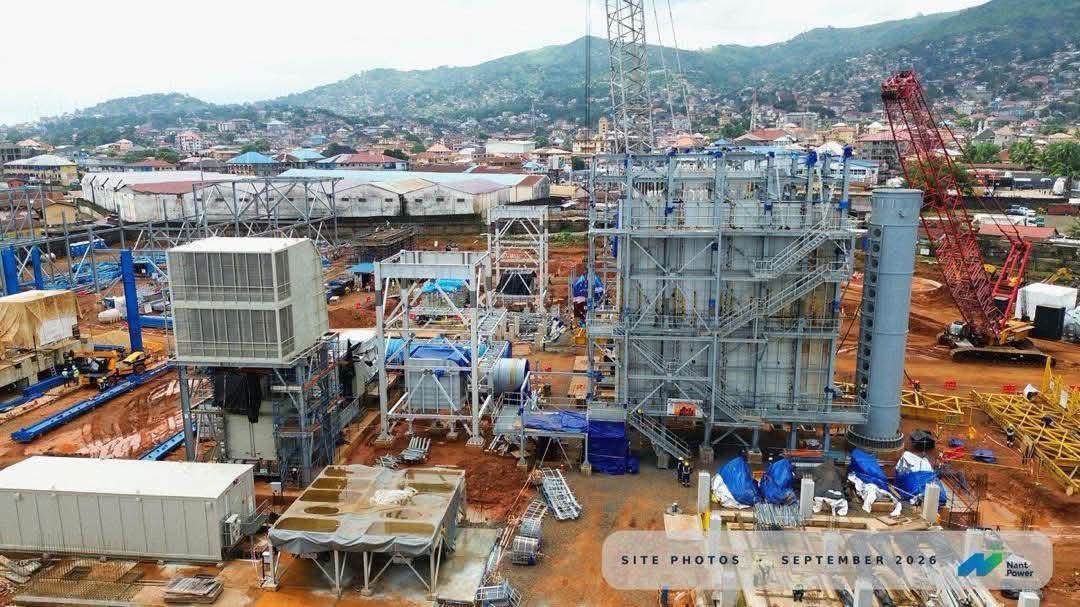
It includes the completed solar facilities at Newton, Lungi and Makoth; rehabilitation of the Kingtom and Blackhall Road power stations; the Innovent solar project at Waterloo; the Nant gas-fired power plant; the Kamakwie solar project; and the expansion of the Bumbuna Hydroelectric Project.

Alongside these grid investments are decentralized solutions that will reach communities where extending the national grid would otherwise take years. The SOGREA programme, existing World Bank mini-grid projects and the newly approved DARES initiative will together bring electricity to well over one million Sierra Leoneans.

By mid-2027, electricity available to Greater Freetown is expected to increase dramatically as Newton, Waterloo and the first phase of the Nant power project come fully online. Looking further ahead, renewable energy is expected to account for approximately 50 percent of Sierra Leone’s electricity generation by 2030.

Equally important, under the Mission 300 Compact, Sierra Leone aims to increase national electricity access from approximately 36 percent today to nearly 78 percent by 2030.

These are ambitious targets.

But unlike many development aspirations, they are backed by real projects, committed financing and clear implementation plans.

Partnerships Make Transformation Possible

No country makes an energy transition alone.

Sierra Leone’s progress has been possible because of strong partnerships with the World Bank, the African Development Bank, Sustainable Energy for All (SEforALL), the European Union, the Governments of Germany and Denmark, the Millennium Challenge Corporation, BADEA, the OPEC Fund, JICA, government of China and many others.

Just as encouraging is the growing confidence of private investors, who increasingly see Sierra Leone as a country committed to reform and long-term planning.

That combination, political leadership, development finance and private investment, is exactly what successful energy transitions require.

The Work Is Far From Finished

While we celebrate progress, we should also acknowledge the work that still lies ahead.

Transmission and distribution networks must continue to expand. Utilities must become more efficient and financially sustainable. Regulatory reforms must continue. Private investment must accelerate. Above all, electricity must become affordable and accessible in every district, every chiefdom and every community.

An energy transition is not an event.

It is a journey.

Beyond Energy

In the years ahead, we should judge our success not simply by the number of megawatts we install, but by the opportunities those megawatts create.

Success will be measured by factories that open because reliable electricity is available; by young people who find meaningful jobs; by farmers who process and market their produce locally; by entrepreneurs who build thriving businesses; by hospitals that save more lives; and by schools that prepare a generation ready to compete in a modern economy.

That is the true promise of the Energy Transition Agenda.

Reliable electricity is not the destination. It is the foundation.

President Bio’s Energy Transition Agenda is laying that foundation. The journey will require patience, partnership and continued commitment. Challenges will undoubtedly arise, but the direction is now clear.

Sierra Leone’s energy transition is no longer a distant aspiration.

It is underway.

It is producing measurable results.

And if we sustain this momentum it has the potential to become one of the defining development success stories of our generation. https://thecalabashnewspaper.com/sierra-leones-energy-transition-from-vision-to-transformation/

Wednesday, 1 July 2026


Vice President Positions Sierra Leone at the Heart of Global South Dialogue in Hamburg
By Amin Kef (Ranger)

Sierra Leone's Vice President, Dr. Mohamed Juldeh Jalloh, emerged as one of the leading voices for developing nations at the Hamburg Sustainability Conference (HSC) 2026, where he joined heads of state, senior Government officials, multilateral development bank presidents and United Nations leaders in discussions on strengthening global resilience and sustainable development.

Held on Monday, 29 June 2026 in Hamburg, Germany, the conference brought together some of the world's most influential policymakers and financial leaders to address pressing global challenges, including geopolitical tensions, economic instability, climate resilience and sustainable development financing.

The Vice President participated alongside distinguished global figures, including German President, Frank-Walter Steinmeier , World Trade Organization Director-General, Dr. Ngozi Okonjo-Iweala, Asian Development Bank President, Masato Kanda, United Nations Deputy Secretary-General, Amina J. Mohammed, Germany's Federal Minister for Economic Cooperation and Development, Reem Alabali-Radovan, United Kingdom Minister of State for International Development and Africa, Baroness Jennifer Chapman, United Nations Development Programme (UNDP) Administrator, Alexander De Croo and President of the African Development Bank Group, Dr. Sidi Ould Tah.

From the official leaders' gathering at Hamburg's historic City Hall to the conference's high-level policy sessions, the Vice President actively engaged fellow world leaders and development partners, reinforcing Sierra Leone's growing influence in international discussions on sustainable development, economic resilience and global cooperation.

A defining moment of his participation came during the high-level panel discussion titled: "Navigating the Hormuz Crisis: Forging a Collective Response," which followed a keynote address by United Nations Deputy Secretary-General, Amina J. Mohammed.

Speaking from the perspective of both a former United Nations governance and security expert for West Africa and the Sahel and the leader of an import-dependent African economy, Dr. Mohamed Juldeh Jalloh highlighted the severe consequences that geopolitical conflicts have on developing nations.

He observed that disruptions to strategic shipping routes, particularly the Strait of Hormuz, extend far beyond fuel markets and create widespread economic hardship for vulnerable countries.

"For the Global South, an oil shock is never just an oil shock. It becomes a food shock, a fiscal shock and ultimately a human development shock," the Vice President stated.

He explained that increases in global oil prices rapidly translate into higher costs for fuel, food, fertilizer, electricity and transportation, placing enormous strain on national budgets and slowing economic growth in low-income countries.

The Vice President urged the international community to recognize food and energy security as essential pillars of global stability rather than domestic policy concerns, stressing that geopolitical crises in one region often have devastating consequences for millions of people living thousands of miles away.

Beyond outlining the challenges facing developing economies, Dr. Juldeh Jalloh presented practical proposals aimed at strengthening the international financial system and improving global resilience.

He called on multilateral development banks, including the African Development Bank and the World Bank, to establish a Global South Shock Absorption Facility that would provide rapid, flexible financing to countries affected by geopolitical instability and supply chain disruptions before such crises escalate into humanitarian emergencies.

Drawing parallels with international climate financing mechanisms, the Vice President argued that global financial institutions should move beyond financing recovery after disasters and instead invest in preventive resilience that enables vulnerable economies to withstand external shocks.

"We must shift from financing recovery after crises to financing resilience before they occur," he emphasized.

He noted that countries like Sierra Leone require responsive financial instruments capable of cushioning economies against sudden external shocks while protecting critical investments in health, education, agriculture and infrastructure.

His intervention received considerable attention during the conference and reinforced growing calls for reforms that make the international financial architecture more responsive to the realities confronting developing countries.

Observers noted that Sierra Leone's contribution elevated the country's profile from being a participant in global discussions to becoming an active contributor of policy solutions aimed at strengthening economic resilience across the Global South.

Throughout the conference, Vice President Juldeh Jalloh also held engagements with international leaders, development partners and representatives of multilateral institutions, further strengthening Sierra Leone's diplomatic presence on the global stage.

His participation underscored the country's commitment to constructive international engagement and demonstrated Sierra Leone's determination to contribute meaningfully to shaping policies that promote equitable growth, sustainable development and inclusive global prosperity.

As the Hamburg Sustainability Conference concluded its deliberations, Sierra Leone's Vice President left a strong impression as a persuasive advocate for developing nations, calling for greater international solidarity, stronger multilateral cooperation and financial reforms capable of protecting vulnerable economies from increasingly complex global challenges.

His message resonated clearly throughout the conference: sustainable development cannot be achieved without ensuring that developing countries have the financial resilience and international support needed to withstand the economic consequences of geopolitical crises beyond their control. https://thecalabashnewspaper.com/vice-president-positions-sierra-leone-at-the-heart-of-global-south-dialogue-in-hamburg/


ACF, Partners Present Gender and Protection Analysis Findings to Guide Climate Adaptation Programme
By Foday Moriba Conteh

Action Against Hunger (ACF) and its partners on Tuesday, 30 June 2026, concluded a one-day dissemination workshop at the Family Kingdom Resort in Aberdeen, Freetown, where findings of the Gender and Protection Analysis (GPA) report were presented to guide the implementation of the Nutrition-Sensitive Climate Change Adaptation and Mitigation Programme (NuCAMPS).

The analysis, conducted across Bonthe, Falaba and Moyamba districts, provides evidence to strengthen climate-smart agriculture, nutrition outcomes and resilience-building efforts while ensuring that interventions address gender inequalities, protection risks and structural barriers affecting vulnerable groups.

The workshop brought together Government officials, development partners, Civil Society actors, community stakeholders and the media to review findings aimed at improving programme design, targeting and implementation.

In his opening remarks, Action Against Hunger Sierra Leone Country Director, Admire Mukorera, called for stronger collaboration among stakeholders to ensure that climate adaptation and mitigation interventions are gender-responsive and inclusive. He stressed that climate change impacts communities differently due to existing social and economic inequalities, affecting women, men, boys, girls, persons with disabilities and older people in distinct ways.

Admire Mukorera noted that while NuCAMPS seeks to improve agricultural productivity and nutrition, it is critical that such interventions do not reinforce inequality or expose communities to additional protection risks. He emphasized that the programme must promote dignity, safety and inclusion, adding that the GPA provides practical evidence on gender roles, access to resources, decision-making and participation constraints across the targeted districts.

He urged stakeholders to ensure that the report translates into action rather than remaining a reference document, calling for its recommendations to inform programme design, implementation, targeting and monitoring systems.

Admire Mukorera further encouraged partners to strengthen women’s participation in decision-making, improve access to productive resources, adopt safer programming approaches and ensure inclusion of marginalized groups. He also highlighted the report’s relevance for Government Ministries and local councils in strengthening planning and policy development on gender equality and social inclusion.

Representing the Embassy of Ireland, Senior Programme Advisor for Nutrition and Food Security, Dr. Sulaiman Sowe, reaffirmed Ireland’s commitment to supporting nutrition, food security and gender equality initiatives in Sierra Leone. He noted that women constitute about 70 percent of the agricultural workforce but continue to face barriers in accessing land, credit, inputs, and machinery.

Dr. Sulaiman Sowe also highlighted challenges in agricultural mechanization, stating that most equipment are not designed to be gender-inclusive and stressed the need for reforms to ensure women can effectively participate in mechanized farming. He said improving women’s access to agricultural technology is essential for boosting food production and strengthening climate resilience.

He also explained that the NuCAMPS programme, which runs until April 2029, is being implemented by a consortium including Action Against Hunger, the Conservation Society of Sierra Leone, MOCPADA and the Sierra Leone Meteorological Agency. The programme focuses on nutrition-sensitive climate adaptation, improved agricultural productivity and resilience-building in vulnerable communities.

Dr. Sulaiman Sowe further referenced complementary initiatives supported by Ireland, including UN nutrition programmes implemented by UNICEF, FAO, WFP and WHO, as well as other consortia working in multiple districts. He noted that NuCAMPS also includes agro-meteorological stations to provide farmers with climate information for planning and adaptation.

Chairperson of the Parliamentary Committee on Gender and Children’s Affairs, Hon. Catherine Zainab Tarawally, commended Action Against Hunger and the Embassy of Ireland for their continued support to Sierra Leone’s development agenda. She said Parliament remains committed to advancing gender equality, nutrition, and child protection.

The Parliamentarian described the GPA report as an important resource and urged wider dissemination to key institutions, including Ministries and Parliament, to inform policy and programme development. She also called for stronger public awareness of existing laws such as the Prohibition of Child Marriage Act and the Customary Land Rights Act, noting that many citizens remain unaware of their rights.

Hon. Catherine Zainab Tarawally acknowledged progress made in gender equality but emphasized the need for continued efforts to address gender-based violence, improve women’s welfare and strengthen juvenile justice systems. She further encouraged greater collaboration between Action Against Hunger and Government institutions to ensure the report contributes to long-term policy impact.

She also called for expansion of similar studies to other districts to support national-level evidence for planning and decision-making. According to her, women’s participation in leadership must continue to grow, even in a male-dominated society, noting that progress, though gradual, is being achieved.

In his keynote address, Chief Director of the Ministry of Gender and Children’s Affairs, Charles Vandi, described the report as a reflection of structural inequalities affecting women and vulnerable groups. He said women remain the backbone of agriculture but continue to face limited access to land, credit, training and leadership opportunities.

He highlighted that women perform the majority of agricultural work while also carrying unpaid domestic responsibilities, resulting in what he described as “time poverty.” He warned that such inequalities undermine national development efforts if left unaddressed.

Charles Vandi also raised concern over high levels of gender-based violence, citing figures showing that physical violence against women exceeds 48 percent in the project districts, with significant variations across regions. He described violence against women as a consequence of unequal power relations and structural inequality.

The senior Director acknowledged ongoing Government efforts, including the establishment of one-stop centres for survivors of gender-based violence, while noting challenges in access for rural communities. He emphasized that protecting women and children is central to national development and social justice.

He further called for full implementation of key national laws, including the Customary Land Rights Act 2022, the Land Commission Act 2022 and the Gender Equality and Women’s Empowerment Act 2022, to improve women’s access to resources.

On climate change, Charles Vandi stressed that women should be recognized not only as vulnerable groups but also as agents of resilience. He called for women-focused climate information systems, improved energy solutions such as clean cook-stoves and greater participation of women in environmental governance.

Charles Vandi also highlighted ongoing Government initiatives, including the development of a National Child Safeguarding Policy and the implementation of the Spotlight Initiative 2.0, a US$150 million programme aimed at eliminating violence against women and girls.

Earlier, Consultant, Samuel Byrne, of Inspiration Lifeline presented the GPA findings, noting that the study was designed to ensure that NuCAMPS interventions are safe, equitable and evidence-based. He explained that data was collected through focus group discussions, key informant interviews and secondary sources including the DHS 2019 and WFP reports.

Samuel Byrne reported persistent gender inequality across all districts, with women carrying heavy workloads in agriculture and household duties while remaining excluded from land ownership and decision-making structures. He noted that women’s unpaid care burden limits their educational and economic opportunities.

The Consultant also highlighted high levels of gender-based violence, structural barriers in healthcare access, low female literacy rates and widespread food insecurity affecting up to 71 percent of households. He further pointed to inadequate Water, Sanitation and Hygiene (WASH) services, which disproportionately affect women and girls.

On climate change, Samuel Byrne said communities are facing increasing environmental shocks, including irregular rainfall, flooding and heat stress, which are affecting agricultural productivity. He noted that women are already practicing climate-smart agriculture but lack formal recognition and support.

He concluded that gender inequality is the central driver of vulnerability across all sectors and urged that gender equality and protection be integrated into all stages of programme implementation rather than treated as secondary considerations.

The GPA report recommended expanding women’s access to land, strengthening Village Savings and Loan Associations, improving health and WASH services, enhancing climate information systems, promoting disability inclusion, strengthening male engagement and ensuring gender-disaggregated monitoring across all programme components.

The workshop ended with renewed commitments from stakeholders to translate the findings into action to build more inclusive, resilient and climate-adaptive communities across Sierra Leone. https://thecalabashnewspaper.com/acf-partners-present-gender-and-protection-analysis-findings-to-guide-climate-adaptation-programme/


Ambassador Dr. Michael Imran Kanu Elected Chair of 59th UNCITRAL Commission Session
By Amin Kef (Ranger)

Sierra Leone has achieved another significant diplomatic milestone following the election of its Ambassador and Permanent Representative to the United Nations, H.E. Dr. Michael Imran Kanu, as Chair of the 59th Session of the United Nations Commission on International Trade Law (UNCITRAL).

The election took place ahead of the Commission's fifty-ninth session, which is being held at the United Nations Headquarters in New York from 29 June to 10 July 2026. As Chair of the session, H.E. Dr. Michael Imran Kanu will preside over deliberations on a wide range of issues aimed at strengthening the international legal framework governing global trade.

During the two-week session, the Commission is expected to oversee the adoption of draft international trade law instruments, review the progress of UNCITRAL's various Working Groups, consider future legislative initiatives, strengthen technical assistance programmes, and advance efforts to harmonize and modernize international trade law to support global commerce and investment.

The election of H.E. Dr. Michael Imran Kanu is widely regarded as a strong endorsement of Sierra Leone's growing influence within the United Nations system and reflects the confidence that Member States have placed in the country's diplomatic leadership and commitment to multilateral cooperation.

It also underscores Sierra Leone's increasing contribution to the progressive development and codification of international trade law, while reinforcing its support for a transparent, predictable and rules-based international economic order.

The appointment further elevates Sierra Leone's profile on the global stage and demonstrates the country's expanding role in shaping international legal frameworks that facilitate trade, investment and sustainable economic development across nations. https://thecalabashnewspaper.com/ambassador-dr-michael-imran-kanu-elected-chair-of-59th-uncitral-commission-session/


RAIC Chairman Reports Major Progress Towards Hosting ICIC–IDUAI Conference in Freetown
The Chairman and Information Commissioner of the Right to Access Information Commission (RAIC), Dr. Ibrahim Seaga Shaw, has announced substantial progress in Sierra Leone's preparations to host the 2026 International Conference of Information Commissioners (ICIC) and the International Day for Universal Access to Information (IDUAI) Conference, assuring African information regulators that the country is on course to successfully stage the landmark global event in Freetown this September.

Speaking during the Annual General Meeting (AGM) of the African Network of Information Commissioners (ANIC) in Rabat, Morocco, Dr. Ibrahim Seaga Shaw presented a comprehensive update on the work of the Local Organizing Committee and encouraged prospective delegates from around the world to begin making travel and registration arrangements well ahead of the conference.

Dr. Ibrahim Seaga Shaw directed delegates to the official conference website, www.icic-iduai2026.org, where participants can obtain detailed information on registration procedures, conference themes, accommodation options, travel arrangements, logistics and the various programme clusters prepared for the international gathering.

Emphasizing the importance of early registration, Dr. Ibrahim Seaga Shaw said delegates who register in advance will benefit from specially negotiated promotional rates at partner hotels while enabling organizers to make adequate logistical preparations for participants expected from across the globe.

On travel arrangements, Dr. Ibrahim Seaga Shaw informed delegates that Sierra Leone's Ministry of Internal Affairs has assured the Right to Access Information Commission that participants from countries requiring entry visas will be granted Visa-on-Arrival facilities. He noted that the arrangement is intended to ensure a smooth, efficient and hassle-free entry process for all conference participants.

As host of the joint ICIC-IDUAI Conference, Dr. Ibrahim Seaga Shaw said Sierra Leone is committed to promoting stronger African participation throughout the conference programme. He explained that deliberate efforts are being made to increase African representation in plenary sessions and technical discussions to ensure that the continent's experiences, innovations and challenges in access to information and data governance receive greater prominence during global deliberations.

During the meeting, Dr. Ibrahim Seaga Shaw also participated as a panelist in a high-level discussion on "Combating Disinformation and Strengthening Trust in Public Information Ecosystems," where he shared Sierra Leone's experience in promoting transparency, accountability and citizens' right of access to information.

Drawing on Sierra Leone's progress, Dr. Ibrahim Seaga Shaw highlighted the steady improvement in compliance among public authorities under the country's Right to Access Information framework. He noted that an increasing number of public institutions are responding to requests for information and embracing transparency as an essential pillar of democratic governance and public accountability.

Dr. Ibrahim Seaga Shaw further disclosed that work is progressing on proposed amendments to the Right to Access Information Act of 2013 to strengthen its implementation and align it with evolving international standards. He revealed that the proposed amendments are being developed alongside Sierra Leone's Data Protection legislation, which is expected to enter the pre-legislative stage before Parliament in the near future.

According to Dr. Ibrahim Seaga Shaw, the two legislative reforms will establish a stronger legal framework that balances the public's constitutional right to information with the protection of personal data, while enhancing public trust in state institutions and strengthening democratic accountability.

Held under the theme, "Public Information as a Development Asset: Rights, Governance and Digital Transformation," the two-day Annual General Meeting brought together information commissioners and regulators from across Africa to review progress in advancing access to information, identify emerging challenges and develop common strategies for strengthening transparency and good governance across the continent.

Welcoming delegates to Morocco, President of Morocco's Commission for the Right of Access to Information, Omar Seghrouchni, expressed his country's pleasure in hosting fellow information commissioners and conveyed confidence that the discussions would produce meaningful outcomes for advancing access to information throughout Africa.

Delivering the opening address, Chairperson of the African Network of Information Commissioners, Pansy Tlakula, reflected on the remarkable growth of the network since its establishment seven years ago following an International Conference of Information Commissioners hosted in South Africa.

Pansy Tlakula said the African Network of Information Commissioners now comprises more than 30 members and continues to serve as an important platform for peer learning, knowledge sharing and institutional collaboration among information regulators across the continent. She noted that the network's principal objective is to promote the exchange of experiences and the development of common approaches to advancing the right of access to information.

Describing access to information as a fundamental human right, Pansy Tlakula said it underpins many other rights, including health, education, political participation, good governance and socio-economic development.

Pansy Tlakula also highlighted several challenges confronting access to information in the digital era, including the growing spread of misinformation and disinformation, the misuse of data protection laws in certain jurisdictions to deny legitimate requests for public information, and inadequate financial support for oversight institutions.

Calling for a balanced legal and policy approach, Pansy Tlakula stressed that access to information and data protection should complement each other rather than compete, arguing that democratic governance is best served when both transparency and privacy are effectively safeguarded.

One of the major outcomes of the Annual General Meeting was the admission of The Gambia as a new member of the African Network of Information Commissioners after delegates concluded that the country had satisfied the organization’s membership requirements, particularly regarding institutional independence and security of tenure for information commissioners.

Meanwhile, the membership application submitted by Zambia was deferred pending further clarification on issues relating to the independence of its information oversight body. Zambia was not represented at the meeting.

The Annual General Meeting also resolved that Ghana will host the next meeting of the African Network of Information Commissioners, reflecting the confidence of member states in the country's continued commitment to advancing access to information, transparency and democratic governance. The next gathering is expected to build on the resolutions adopted in Rabat while further strengthening cooperation, institutional collaboration and peer learning among information regulators across Africa.

The meeting brought together representatives from ten member countries, including Ghana, Malawi, South Africa, Liberia, Sierra Leone and Morocco, reaffirming the continent's growing commitment to strengthening access to information as a cornerstone of democratic governance, accountability and sustainable development. https://thecalabashnewspaper.com/raic-chairman-reports-major-progress-towards-hosting-icic-iduai-conference-in-freetown/


WARDSU Hosts 4th Edition Outstanding Leadership and Academic Excellence Awards 2026
By Ibrahim John Sesay

The Western Area Rural District Students' Union (WARDSU) has celebrated outstanding leadership, academic excellence and community service during the Fourth Edition of the Western Area Rural District Outstanding Leadership and Academic Excellence Awards 2026, with speakers calling for greater youth empowerment, quality education and responsible leadership across Sierra Leone.

The awards ceremony, held on Sunday, June 28, 2026, at the Western Area Rural District Council Hall in Waterloo, brought together education stakeholders, student leaders, public officials, development partners and representatives of tertiary institutions under the theme, "Excellence Beyond Limit, Leadership Beyond Boundaries." The event recognized students, institutions, organisations and distinguished personalities whose contributions have advanced education, leadership and community development within the Western Area Rural District.

Addressing the gathering, President of the Western Area Rural District Students' Union, Memunatu Tity Sannoh, described the awards as a platform established to celebrate achievement, inspire excellence and encourage future generations of leaders. She reflected on the challenges she encountered as a female student aspiring to lead an organisation traditionally dominated by men, noting that perseverance and determination enabled her to become the first democratically elected female President of WARDSU.

Memunatu Tity Sannoh highlighted several achievements recorded during her administration, including the expansion of institutional partnerships, the implementation of the MOVE Project with support from Purposeful and the establishment of WARDSU chapters across several tertiary institutions nationwide. She also explained that the awards scheme, first introduced in 2022 by former President Ambassador Eric Scientist Koroma, has continued to grow with additional categories that recognize excellence across diverse sectors.

The ceremony also paid tribute to the Union's late Financial Secretary, Sallay Sankoh, who died in a road accident on January 1, 2026. A moving video presentation celebrated her commitment to student leadership, community engagement and national development, with members describing her as a dedicated leader whose legacy will continue to inspire future generations.

Founding President of WARDSU and Head of Ex-Officios, Brima Tejan Khanu, traced the history of the union from its conception by university students seeking stronger representation for the district. He recalled that the organisation was initially proposed as the Waterloo Students' Union before consultations with former Member of Parliament Dr. Claude D.M. Kamanda led to the adoption of the broader name, Western Area Rural District Students' Union, to reflect the entire district. Officially launched on January 11, 2011, WARDSU has grown into one of Sierra Leone's recognized student organisations despite facing financial and institutional challenges in its early years.

Delivering the keynote address, former Member of Parliament and former Chief Whip Dr. Claude D.M. Kamanda described the event's theme as a powerful call for transformation. He said leadership and education are inseparable pillars of national development and urged award recipients to view their recognition as both an honour and a responsibility to continue serving their communities. Dr. Claude D.M. Kamanda encouraged young people to challenge limitations, embrace innovation and use their influence to create positive change regardless of their background or position in society.

Also addressing the ceremony, Programs Officer at Purposeful, Aminata Katta, thanked WARDSU for recognizing the organisation with an Outstanding Organizational Award. She emphasized that education should be viewed as a tool for empowerment and social transformation rather than merely the acquisition of certificates. She praised the partnership between Purposeful and WARDSU through the MOVE Project, highlighting its contribution to combating Gender-Based Violence, promoting safer learning environments and encouraging transparency and accountability in student leadership. Aminata Katta further urged young women to speak out against Gender-Based Violence and become advocates for positive change within their institutions and communities.

The Fourth Edition of the Western Area Rural District Outstanding Leadership and Academic Excellence Awards concluded with the presentation of awards to deserving individuals, institutions and organisations in recognition of their exceptional leadership, academic distinction and invaluable contributions to community development. The ceremony reaffirmed WARDSU's commitment to promoting educational excellence, empowering young leaders and strengthening partnerships that support sustainable development across the Western Area Rural District. https://thecalabashnewspaper.com/wardsu-hosts-4th-edition-outstanding-leadership-and-academic-excellence-awards-2026/


Orange Foundation and ActionAid Partner to Bridge Sierra Leone's Digital Divide
Orange Foundation Sierra Leone and ActionAid Sierra Leone have signed a Memorandum of Understanding (MoU) to establish a Digital Inclusion Training Centre that will empower 150 persons with disabilities with practical digital skills, creating new opportunities for employment, entrepreneurship and economic independence.

The agreement was signed on Monday, 29 June 2026, at the ActionAid Sierra Leone headquarters at Jubal Hill in Freetown, marking a significant milestone in the two organizations' shared commitment to promoting digital and social inclusion across Sierra Leone.

The ceremony brought together senior officials from both institutions, representatives of government, disability advocacy organizations and development partners, all united by a common goal of ensuring that persons with disabilities are not left behind in the country's digital transformation.

Among those in attendance were the Chief Executive Officer of Orange Sierra Leone, Madam Aicha Toure; the Director of Orange Foundation Sierra Leone, Mrs. Annie Wonnie-Katta; the Country Director of ActionAid Sierra Leone, Mr. Foday-Bassie Swaray; representatives of the Ministry of Social Welfare; officials of the Sierra Leone Union on Disability Issues (SLUDI); and other invited guests.

Delivering the declaration of purpose, Mrs. Annie Wonnie-Katta emphasized the importance of bridging the digital accessibility gap, noting that equal access to technology is essential for creating inclusive societies and expanding opportunities for persons with disabilities.

Speaking at the event, Mr. Foday-Bassie Swaray described the partnership as a practical investment in the future of persons with disabilities. He said digital skills have become indispensable in today's world and that the initiative would equip beneficiaries with the knowledge and confidence needed to participate meaningfully in education, employment and business.

Chief Executive Officer of Orange Sierra Leone, Madam Aicha Toure, reaffirmed the company's commitment to using technology as a tool for social transformation. She said Orange Foundation remains dedicated to supporting initiatives that empower vulnerable communities and promote equal access to digital opportunities.

Representing the Government, Chief Commissioner Brima Abdulai Sheku of the Ministry of Social Welfare commended both organizations for championing disability inclusion. He reaffirmed the Government's commitment to promoting equal opportunities and improving the welfare of persons with disabilities through collaborative partnerships.

The highlight of the ceremony was the official signing and exchange of the Memorandum of Understanding, symbolizing the beginning of a partnership aimed at reducing the digital divide and promoting greater accessibility for persons with disabilities across Sierra Leone.

Speaking on behalf of persons with disabilities, Joseph Alieu Kamara welcomed the initiative and expressed optimism that the Digital Inclusion Training Centre would transform lives by equipping beneficiaries with practical digital skills that would increase their independence and improve their economic prospects.

The Digital Inclusion Training Centre will provide digital literacy education, hands-on information technology training and access to assistive technologies tailored to the needs of persons with disabilities. The programme is designed to prepare participants for opportunities in the modern digital economy while enhancing their ability to access education, employment and entrepreneurial ventures.

The initiative aligns with Orange Foundation Sierra Leone's vision of promoting digital and social inclusion and ActionAid Sierra Leone's mission of supporting marginalized and vulnerable communities. By expanding access to technology and digital education, the partnership seeks to remove barriers that continue to limit the participation of persons with disabilities in national development.

Both organizations described the partnership as more than the establishment of a training centre, saying it represents a shared vision of building an inclusive society where technology empowers every individual, regardless of physical ability. Through the initiative, Orange Foundation Sierra Leone and ActionAid Sierra Leone aim to create sustainable opportunities, break barriers to digital access and contribute to a more equitable future for persons with disabilities in Sierra Leone. https://thecalabashnewspaper.com/orange-foundation-and-actionaid-partner-to-bridge-sierra-leones-digital-divide/