Wednesday, 1 July 2026


Vice President Positions Sierra Leone at the Heart of Global South Dialogue in Hamburg
By Amin Kef (Ranger)

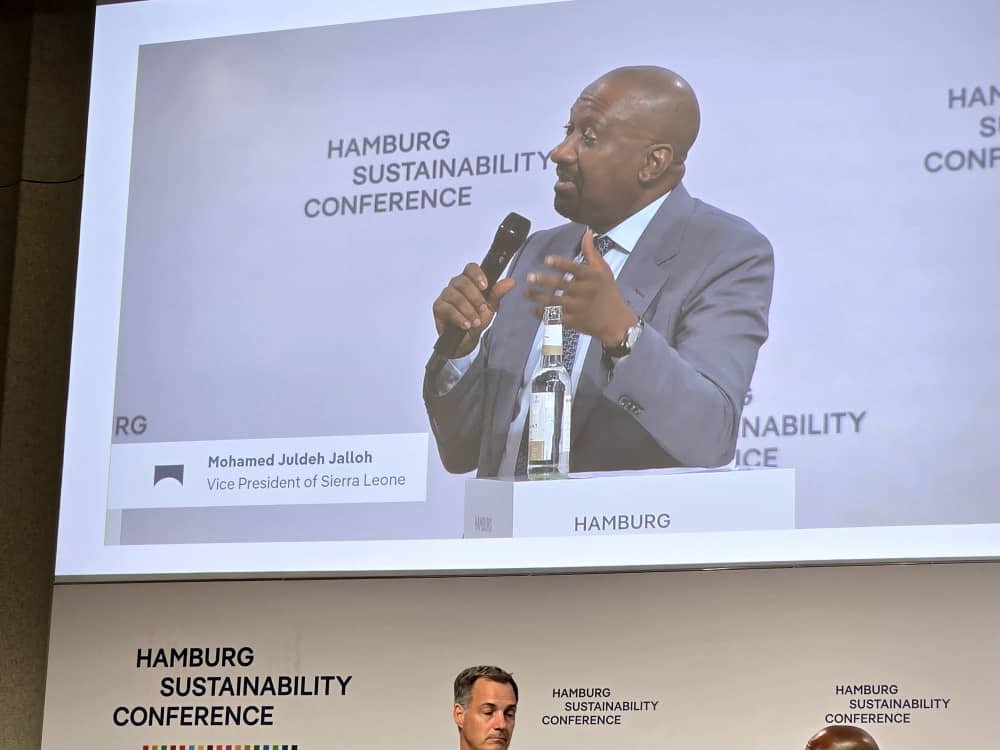
Sierra Leone's Vice President, Dr. Mohamed Juldeh Jalloh, emerged as one of the leading voices for developing nations at the Hamburg Sustainability Conference (HSC) 2026, where he joined heads of state, senior Government officials, multilateral development bank presidents and United Nations leaders in discussions on strengthening global resilience and sustainable development.

Held on Monday, 29 June 2026 in Hamburg, Germany, the conference brought together some of the world's most influential policymakers and financial leaders to address pressing global challenges, including geopolitical tensions, economic instability, climate resilience and sustainable development financing.

The Vice President participated alongside distinguished global figures, including German President, Frank-Walter Steinmeier , World Trade Organization Director-General, Dr. Ngozi Okonjo-Iweala, Asian Development Bank President, Masato Kanda, United Nations Deputy Secretary-General, Amina J. Mohammed, Germany's Federal Minister for Economic Cooperation and Development, Reem Alabali-Radovan, United Kingdom Minister of State for International Development and Africa, Baroness Jennifer Chapman, United Nations Development Programme (UNDP) Administrator, Alexander De Croo and President of the African Development Bank Group, Dr. Sidi Ould Tah.

From the official leaders' gathering at Hamburg's historic City Hall to the conference's high-level policy sessions, the Vice President actively engaged fellow world leaders and development partners, reinforcing Sierra Leone's growing influence in international discussions on sustainable development, economic resilience and global cooperation.

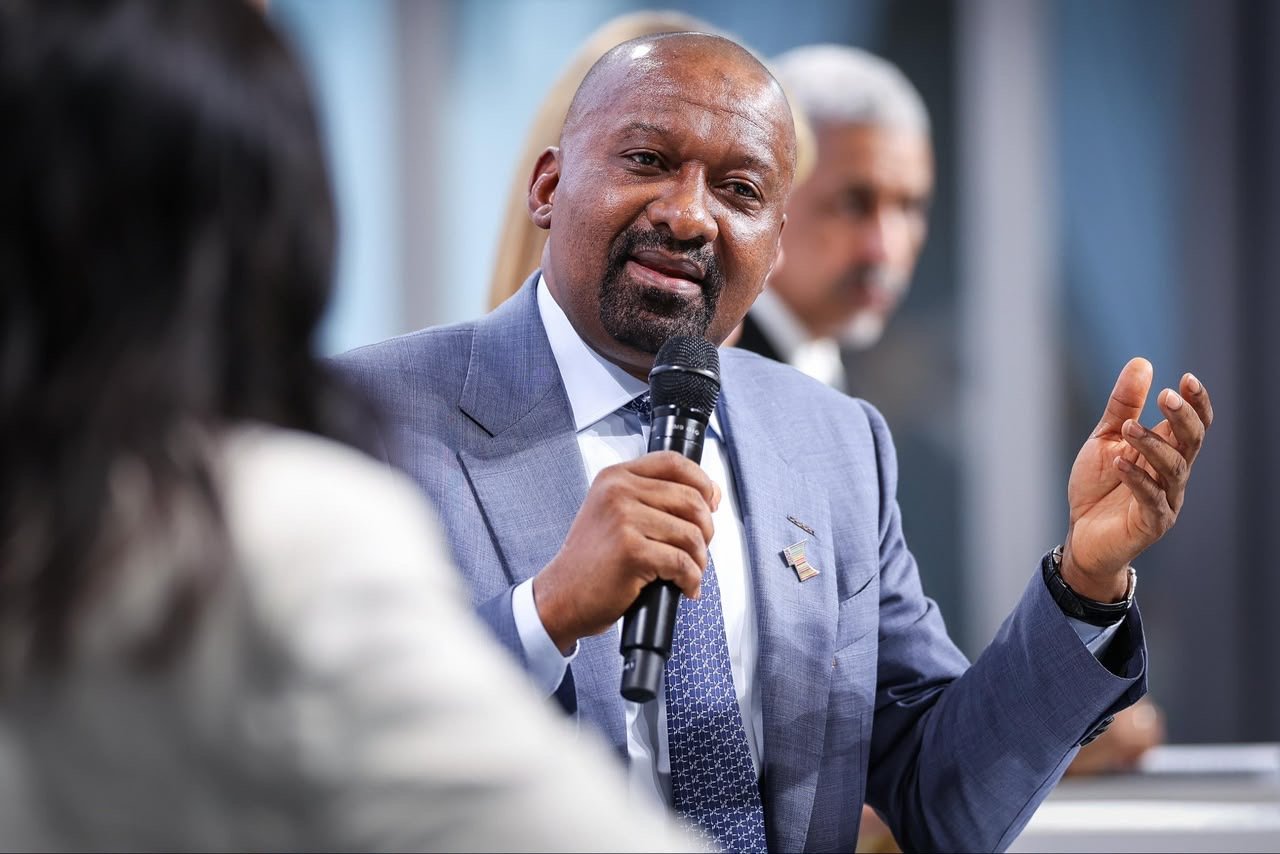
A defining moment of his participation came during the high-level panel discussion titled: "Navigating the Hormuz Crisis: Forging a Collective Response," which followed a keynote address by United Nations Deputy Secretary-General, Amina J. Mohammed.

Speaking from the perspective of both a former United Nations governance and security expert for West Africa and the Sahel and the leader of an import-dependent African economy, Dr. Mohamed Juldeh Jalloh highlighted the severe consequences that geopolitical conflicts have on developing nations.

He observed that disruptions to strategic shipping routes, particularly the Strait of Hormuz, extend far beyond fuel markets and create widespread economic hardship for vulnerable countries.

"For the Global South, an oil shock is never just an oil shock. It becomes a food shock, a fiscal shock and ultimately a human development shock," the Vice President stated.

He explained that increases in global oil prices rapidly translate into higher costs for fuel, food, fertilizer, electricity and transportation, placing enormous strain on national budgets and slowing economic growth in low-income countries.

The Vice President urged the international community to recognize food and energy security as essential pillars of global stability rather than domestic policy concerns, stressing that geopolitical crises in one region often have devastating consequences for millions of people living thousands of miles away.

Beyond outlining the challenges facing developing economies, Dr. Juldeh Jalloh presented practical proposals aimed at strengthening the international financial system and improving global resilience.

He called on multilateral development banks, including the African Development Bank and the World Bank, to establish a Global South Shock Absorption Facility that would provide rapid, flexible financing to countries affected by geopolitical instability and supply chain disruptions before such crises escalate into humanitarian emergencies.

Drawing parallels with international climate financing mechanisms, the Vice President argued that global financial institutions should move beyond financing recovery after disasters and instead invest in preventive resilience that enables vulnerable economies to withstand external shocks.

"We must shift from financing recovery after crises to financing resilience before they occur," he emphasized.

He noted that countries like Sierra Leone require responsive financial instruments capable of cushioning economies against sudden external shocks while protecting critical investments in health, education, agriculture and infrastructure.

His intervention received considerable attention during the conference and reinforced growing calls for reforms that make the international financial architecture more responsive to the realities confronting developing countries.

Observers noted that Sierra Leone's contribution elevated the country's profile from being a participant in global discussions to becoming an active contributor of policy solutions aimed at strengthening economic resilience across the Global South.

Throughout the conference, Vice President Juldeh Jalloh also held engagements with international leaders, development partners and representatives of multilateral institutions, further strengthening Sierra Leone's diplomatic presence on the global stage.

His participation underscored the country's commitment to constructive international engagement and demonstrated Sierra Leone's determination to contribute meaningfully to shaping policies that promote equitable growth, sustainable development and inclusive global prosperity.

As the Hamburg Sustainability Conference concluded its deliberations, Sierra Leone's Vice President left a strong impression as a persuasive advocate for developing nations, calling for greater international solidarity, stronger multilateral cooperation and financial reforms capable of protecting vulnerable economies from increasingly complex global challenges.

His message resonated clearly throughout the conference: sustainable development cannot be achieved without ensuring that developing countries have the financial resilience and international support needed to withstand the economic consequences of geopolitical crises beyond their control. https://thecalabashnewspaper.com/vice-president-positions-sierra-leone-at-the-heart-of-global-south-dialogue-in-hamburg/


ACF, Partners Present Gender and Protection Analysis Findings to Guide Climate Adaptation Programme
By Foday Moriba Conteh

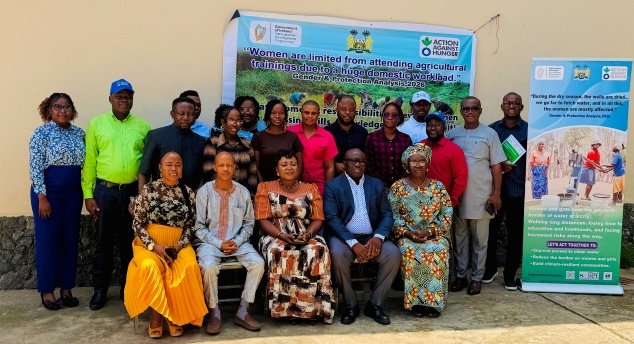
Action Against Hunger (ACF) and its partners on Tuesday, 30 June 2026, concluded a one-day dissemination workshop at the Family Kingdom Resort in Aberdeen, Freetown, where findings of the Gender and Protection Analysis (GPA) report were presented to guide the implementation of the Nutrition-Sensitive Climate Change Adaptation and Mitigation Programme (NuCAMPS).

The analysis, conducted across Bonthe, Falaba and Moyamba districts, provides evidence to strengthen climate-smart agriculture, nutrition outcomes and resilience-building efforts while ensuring that interventions address gender inequalities, protection risks and structural barriers affecting vulnerable groups.

The workshop brought together Government officials, development partners, Civil Society actors, community stakeholders and the media to review findings aimed at improving programme design, targeting and implementation.

In his opening remarks, Action Against Hunger Sierra Leone Country Director, Admire Mukorera, called for stronger collaboration among stakeholders to ensure that climate adaptation and mitigation interventions are gender-responsive and inclusive. He stressed that climate change impacts communities differently due to existing social and economic inequalities, affecting women, men, boys, girls, persons with disabilities and older people in distinct ways.

Admire Mukorera noted that while NuCAMPS seeks to improve agricultural productivity and nutrition, it is critical that such interventions do not reinforce inequality or expose communities to additional protection risks. He emphasized that the programme must promote dignity, safety and inclusion, adding that the GPA provides practical evidence on gender roles, access to resources, decision-making and participation constraints across the targeted districts.

He urged stakeholders to ensure that the report translates into action rather than remaining a reference document, calling for its recommendations to inform programme design, implementation, targeting and monitoring systems.

Admire Mukorera further encouraged partners to strengthen women’s participation in decision-making, improve access to productive resources, adopt safer programming approaches and ensure inclusion of marginalized groups. He also highlighted the report’s relevance for Government Ministries and local councils in strengthening planning and policy development on gender equality and social inclusion.

Representing the Embassy of Ireland, Senior Programme Advisor for Nutrition and Food Security, Dr. Sulaiman Sowe, reaffirmed Ireland’s commitment to supporting nutrition, food security and gender equality initiatives in Sierra Leone. He noted that women constitute about 70 percent of the agricultural workforce but continue to face barriers in accessing land, credit, inputs, and machinery.

Dr. Sulaiman Sowe also highlighted challenges in agricultural mechanization, stating that most equipment are not designed to be gender-inclusive and stressed the need for reforms to ensure women can effectively participate in mechanized farming. He said improving women’s access to agricultural technology is essential for boosting food production and strengthening climate resilience.

He also explained that the NuCAMPS programme, which runs until April 2029, is being implemented by a consortium including Action Against Hunger, the Conservation Society of Sierra Leone, MOCPADA and the Sierra Leone Meteorological Agency. The programme focuses on nutrition-sensitive climate adaptation, improved agricultural productivity and resilience-building in vulnerable communities.

Dr. Sulaiman Sowe further referenced complementary initiatives supported by Ireland, including UN nutrition programmes implemented by UNICEF, FAO, WFP and WHO, as well as other consortia working in multiple districts. He noted that NuCAMPS also includes agro-meteorological stations to provide farmers with climate information for planning and adaptation.

Chairperson of the Parliamentary Committee on Gender and Children’s Affairs, Hon. Catherine Zainab Tarawally, commended Action Against Hunger and the Embassy of Ireland for their continued support to Sierra Leone’s development agenda. She said Parliament remains committed to advancing gender equality, nutrition, and child protection.

The Parliamentarian described the GPA report as an important resource and urged wider dissemination to key institutions, including Ministries and Parliament, to inform policy and programme development. She also called for stronger public awareness of existing laws such as the Prohibition of Child Marriage Act and the Customary Land Rights Act, noting that many citizens remain unaware of their rights.

Hon. Catherine Zainab Tarawally acknowledged progress made in gender equality but emphasized the need for continued efforts to address gender-based violence, improve women’s welfare and strengthen juvenile justice systems. She further encouraged greater collaboration between Action Against Hunger and Government institutions to ensure the report contributes to long-term policy impact.

She also called for expansion of similar studies to other districts to support national-level evidence for planning and decision-making. According to her, women’s participation in leadership must continue to grow, even in a male-dominated society, noting that progress, though gradual, is being achieved.

In his keynote address, Chief Director of the Ministry of Gender and Children’s Affairs, Charles Vandi, described the report as a reflection of structural inequalities affecting women and vulnerable groups. He said women remain the backbone of agriculture but continue to face limited access to land, credit, training and leadership opportunities.

He highlighted that women perform the majority of agricultural work while also carrying unpaid domestic responsibilities, resulting in what he described as “time poverty.” He warned that such inequalities undermine national development efforts if left unaddressed.

Charles Vandi also raised concern over high levels of gender-based violence, citing figures showing that physical violence against women exceeds 48 percent in the project districts, with significant variations across regions. He described violence against women as a consequence of unequal power relations and structural inequality.

The senior Director acknowledged ongoing Government efforts, including the establishment of one-stop centres for survivors of gender-based violence, while noting challenges in access for rural communities. He emphasized that protecting women and children is central to national development and social justice.

He further called for full implementation of key national laws, including the Customary Land Rights Act 2022, the Land Commission Act 2022 and the Gender Equality and Women’s Empowerment Act 2022, to improve women’s access to resources.

On climate change, Charles Vandi stressed that women should be recognized not only as vulnerable groups but also as agents of resilience. He called for women-focused climate information systems, improved energy solutions such as clean cook-stoves and greater participation of women in environmental governance.

Charles Vandi also highlighted ongoing Government initiatives, including the development of a National Child Safeguarding Policy and the implementation of the Spotlight Initiative 2.0, a US$150 million programme aimed at eliminating violence against women and girls.

Earlier, Consultant, Samuel Byrne, of Inspiration Lifeline presented the GPA findings, noting that the study was designed to ensure that NuCAMPS interventions are safe, equitable and evidence-based. He explained that data was collected through focus group discussions, key informant interviews and secondary sources including the DHS 2019 and WFP reports.

Samuel Byrne reported persistent gender inequality across all districts, with women carrying heavy workloads in agriculture and household duties while remaining excluded from land ownership and decision-making structures. He noted that women’s unpaid care burden limits their educational and economic opportunities.

The Consultant also highlighted high levels of gender-based violence, structural barriers in healthcare access, low female literacy rates and widespread food insecurity affecting up to 71 percent of households. He further pointed to inadequate Water, Sanitation and Hygiene (WASH) services, which disproportionately affect women and girls.

On climate change, Samuel Byrne said communities are facing increasing environmental shocks, including irregular rainfall, flooding and heat stress, which are affecting agricultural productivity. He noted that women are already practicing climate-smart agriculture but lack formal recognition and support.

He concluded that gender inequality is the central driver of vulnerability across all sectors and urged that gender equality and protection be integrated into all stages of programme implementation rather than treated as secondary considerations.

The GPA report recommended expanding women’s access to land, strengthening Village Savings and Loan Associations, improving health and WASH services, enhancing climate information systems, promoting disability inclusion, strengthening male engagement and ensuring gender-disaggregated monitoring across all programme components.

The workshop ended with renewed commitments from stakeholders to translate the findings into action to build more inclusive, resilient and climate-adaptive communities across Sierra Leone. https://thecalabashnewspaper.com/acf-partners-present-gender-and-protection-analysis-findings-to-guide-climate-adaptation-programme/


Ambassador Dr. Michael Imran Kanu Elected Chair of 59th UNCITRAL Commission Session
By Amin Kef (Ranger)

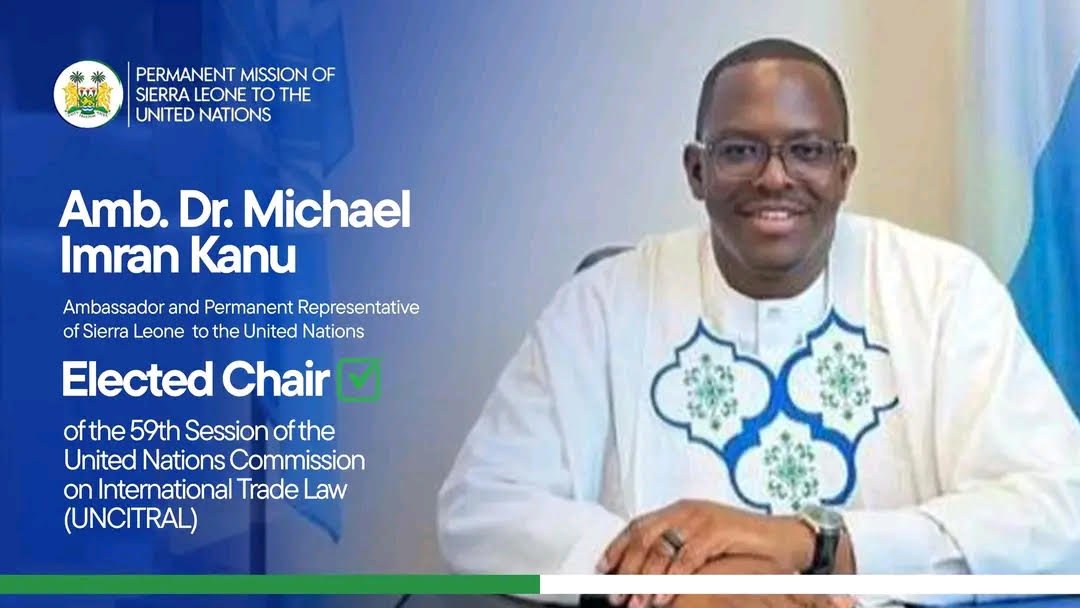
Sierra Leone has achieved another significant diplomatic milestone following the election of its Ambassador and Permanent Representative to the United Nations, H.E. Dr. Michael Imran Kanu, as Chair of the 59th Session of the United Nations Commission on International Trade Law (UNCITRAL).

The election took place ahead of the Commission's fifty-ninth session, which is being held at the United Nations Headquarters in New York from 29 June to 10 July 2026. As Chair of the session, H.E. Dr. Michael Imran Kanu will preside over deliberations on a wide range of issues aimed at strengthening the international legal framework governing global trade.

During the two-week session, the Commission is expected to oversee the adoption of draft international trade law instruments, review the progress of UNCITRAL's various Working Groups, consider future legislative initiatives, strengthen technical assistance programmes, and advance efforts to harmonize and modernize international trade law to support global commerce and investment.

The election of H.E. Dr. Michael Imran Kanu is widely regarded as a strong endorsement of Sierra Leone's growing influence within the United Nations system and reflects the confidence that Member States have placed in the country's diplomatic leadership and commitment to multilateral cooperation.

It also underscores Sierra Leone's increasing contribution to the progressive development and codification of international trade law, while reinforcing its support for a transparent, predictable and rules-based international economic order.

The appointment further elevates Sierra Leone's profile on the global stage and demonstrates the country's expanding role in shaping international legal frameworks that facilitate trade, investment and sustainable economic development across nations. https://thecalabashnewspaper.com/ambassador-dr-michael-imran-kanu-elected-chair-of-59th-uncitral-commission-session/


RAIC Chairman Reports Major Progress Towards Hosting ICIC–IDUAI Conference in Freetown
The Chairman and Information Commissioner of the Right to Access Information Commission (RAIC), Dr. Ibrahim Seaga Shaw, has announced substantial progress in Sierra Leone's preparations to host the 2026 International Conference of Information Commissioners (ICIC) and the International Day for Universal Access to Information (IDUAI) Conference, assuring African information regulators that the country is on course to successfully stage the landmark global event in Freetown this September.

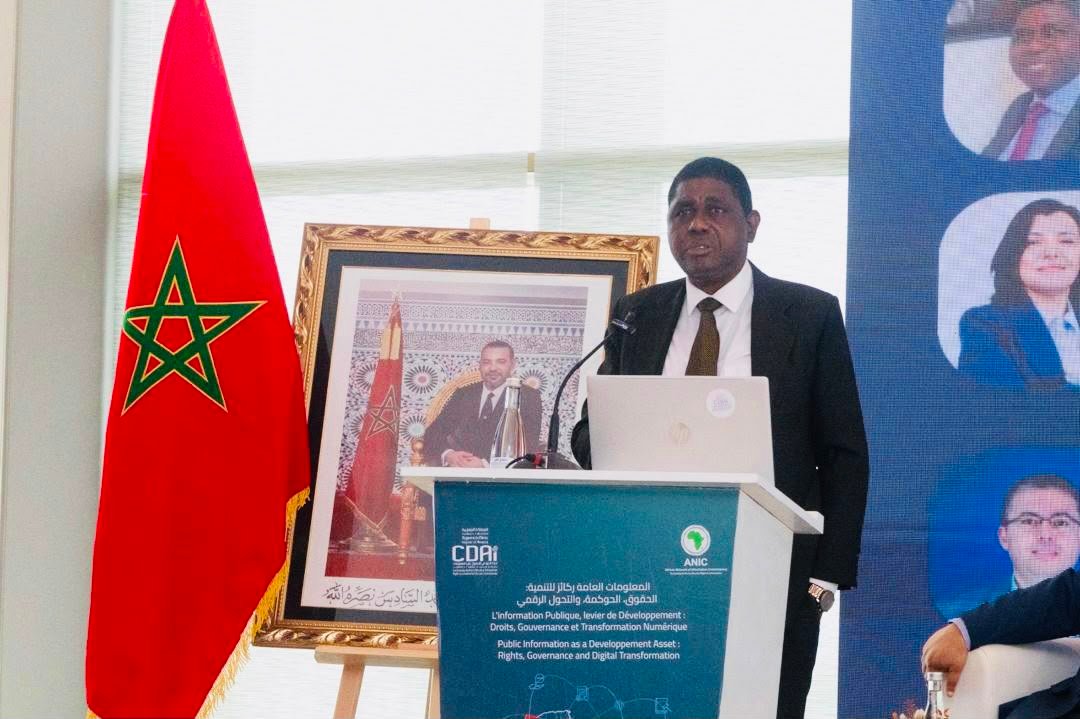
Speaking during the Annual General Meeting (AGM) of the African Network of Information Commissioners (ANIC) in Rabat, Morocco, Dr. Ibrahim Seaga Shaw presented a comprehensive update on the work of the Local Organizing Committee and encouraged prospective delegates from around the world to begin making travel and registration arrangements well ahead of the conference.

Dr. Ibrahim Seaga Shaw directed delegates to the official conference website, www.icic-iduai2026.org, where participants can obtain detailed information on registration procedures, conference themes, accommodation options, travel arrangements, logistics and the various programme clusters prepared for the international gathering.

Emphasizing the importance of early registration, Dr. Ibrahim Seaga Shaw said delegates who register in advance will benefit from specially negotiated promotional rates at partner hotels while enabling organizers to make adequate logistical preparations for participants expected from across the globe.

On travel arrangements, Dr. Ibrahim Seaga Shaw informed delegates that Sierra Leone's Ministry of Internal Affairs has assured the Right to Access Information Commission that participants from countries requiring entry visas will be granted Visa-on-Arrival facilities. He noted that the arrangement is intended to ensure a smooth, efficient and hassle-free entry process for all conference participants.

As host of the joint ICIC-IDUAI Conference, Dr. Ibrahim Seaga Shaw said Sierra Leone is committed to promoting stronger African participation throughout the conference programme. He explained that deliberate efforts are being made to increase African representation in plenary sessions and technical discussions to ensure that the continent's experiences, innovations and challenges in access to information and data governance receive greater prominence during global deliberations.

During the meeting, Dr. Ibrahim Seaga Shaw also participated as a panelist in a high-level discussion on "Combating Disinformation and Strengthening Trust in Public Information Ecosystems," where he shared Sierra Leone's experience in promoting transparency, accountability and citizens' right of access to information.

Drawing on Sierra Leone's progress, Dr. Ibrahim Seaga Shaw highlighted the steady improvement in compliance among public authorities under the country's Right to Access Information framework. He noted that an increasing number of public institutions are responding to requests for information and embracing transparency as an essential pillar of democratic governance and public accountability.

Dr. Ibrahim Seaga Shaw further disclosed that work is progressing on proposed amendments to the Right to Access Information Act of 2013 to strengthen its implementation and align it with evolving international standards. He revealed that the proposed amendments are being developed alongside Sierra Leone's Data Protection legislation, which is expected to enter the pre-legislative stage before Parliament in the near future.

According to Dr. Ibrahim Seaga Shaw, the two legislative reforms will establish a stronger legal framework that balances the public's constitutional right to information with the protection of personal data, while enhancing public trust in state institutions and strengthening democratic accountability.

Held under the theme, "Public Information as a Development Asset: Rights, Governance and Digital Transformation," the two-day Annual General Meeting brought together information commissioners and regulators from across Africa to review progress in advancing access to information, identify emerging challenges and develop common strategies for strengthening transparency and good governance across the continent.

Welcoming delegates to Morocco, President of Morocco's Commission for the Right of Access to Information, Omar Seghrouchni, expressed his country's pleasure in hosting fellow information commissioners and conveyed confidence that the discussions would produce meaningful outcomes for advancing access to information throughout Africa.

Delivering the opening address, Chairperson of the African Network of Information Commissioners, Pansy Tlakula, reflected on the remarkable growth of the network since its establishment seven years ago following an International Conference of Information Commissioners hosted in South Africa.

Pansy Tlakula said the African Network of Information Commissioners now comprises more than 30 members and continues to serve as an important platform for peer learning, knowledge sharing and institutional collaboration among information regulators across the continent. She noted that the network's principal objective is to promote the exchange of experiences and the development of common approaches to advancing the right of access to information.

Describing access to information as a fundamental human right, Pansy Tlakula said it underpins many other rights, including health, education, political participation, good governance and socio-economic development.

Pansy Tlakula also highlighted several challenges confronting access to information in the digital era, including the growing spread of misinformation and disinformation, the misuse of data protection laws in certain jurisdictions to deny legitimate requests for public information, and inadequate financial support for oversight institutions.

Calling for a balanced legal and policy approach, Pansy Tlakula stressed that access to information and data protection should complement each other rather than compete, arguing that democratic governance is best served when both transparency and privacy are effectively safeguarded.

One of the major outcomes of the Annual General Meeting was the admission of The Gambia as a new member of the African Network of Information Commissioners after delegates concluded that the country had satisfied the organization’s membership requirements, particularly regarding institutional independence and security of tenure for information commissioners.

Meanwhile, the membership application submitted by Zambia was deferred pending further clarification on issues relating to the independence of its information oversight body. Zambia was not represented at the meeting.

The Annual General Meeting also resolved that Ghana will host the next meeting of the African Network of Information Commissioners, reflecting the confidence of member states in the country's continued commitment to advancing access to information, transparency and democratic governance. The next gathering is expected to build on the resolutions adopted in Rabat while further strengthening cooperation, institutional collaboration and peer learning among information regulators across Africa.

The meeting brought together representatives from ten member countries, including Ghana, Malawi, South Africa, Liberia, Sierra Leone and Morocco, reaffirming the continent's growing commitment to strengthening access to information as a cornerstone of democratic governance, accountability and sustainable development. https://thecalabashnewspaper.com/raic-chairman-reports-major-progress-towards-hosting-icic-iduai-conference-in-freetown/


WARDSU Hosts 4th Edition Outstanding Leadership and Academic Excellence Awards 2026
By Ibrahim John Sesay

The Western Area Rural District Students' Union (WARDSU) has celebrated outstanding leadership, academic excellence and community service during the Fourth Edition of the Western Area Rural District Outstanding Leadership and Academic Excellence Awards 2026, with speakers calling for greater youth empowerment, quality education and responsible leadership across Sierra Leone.

The awards ceremony, held on Sunday, June 28, 2026, at the Western Area Rural District Council Hall in Waterloo, brought together education stakeholders, student leaders, public officials, development partners and representatives of tertiary institutions under the theme, "Excellence Beyond Limit, Leadership Beyond Boundaries." The event recognized students, institutions, organisations and distinguished personalities whose contributions have advanced education, leadership and community development within the Western Area Rural District.

Addressing the gathering, President of the Western Area Rural District Students' Union, Memunatu Tity Sannoh, described the awards as a platform established to celebrate achievement, inspire excellence and encourage future generations of leaders. She reflected on the challenges she encountered as a female student aspiring to lead an organisation traditionally dominated by men, noting that perseverance and determination enabled her to become the first democratically elected female President of WARDSU.

Memunatu Tity Sannoh highlighted several achievements recorded during her administration, including the expansion of institutional partnerships, the implementation of the MOVE Project with support from Purposeful and the establishment of WARDSU chapters across several tertiary institutions nationwide. She also explained that the awards scheme, first introduced in 2022 by former President Ambassador Eric Scientist Koroma, has continued to grow with additional categories that recognize excellence across diverse sectors.

The ceremony also paid tribute to the Union's late Financial Secretary, Sallay Sankoh, who died in a road accident on January 1, 2026. A moving video presentation celebrated her commitment to student leadership, community engagement and national development, with members describing her as a dedicated leader whose legacy will continue to inspire future generations.

Founding President of WARDSU and Head of Ex-Officios, Brima Tejan Khanu, traced the history of the union from its conception by university students seeking stronger representation for the district. He recalled that the organisation was initially proposed as the Waterloo Students' Union before consultations with former Member of Parliament Dr. Claude D.M. Kamanda led to the adoption of the broader name, Western Area Rural District Students' Union, to reflect the entire district. Officially launched on January 11, 2011, WARDSU has grown into one of Sierra Leone's recognized student organisations despite facing financial and institutional challenges in its early years.

Delivering the keynote address, former Member of Parliament and former Chief Whip Dr. Claude D.M. Kamanda described the event's theme as a powerful call for transformation. He said leadership and education are inseparable pillars of national development and urged award recipients to view their recognition as both an honour and a responsibility to continue serving their communities. Dr. Claude D.M. Kamanda encouraged young people to challenge limitations, embrace innovation and use their influence to create positive change regardless of their background or position in society.

Also addressing the ceremony, Programs Officer at Purposeful, Aminata Katta, thanked WARDSU for recognizing the organisation with an Outstanding Organizational Award. She emphasized that education should be viewed as a tool for empowerment and social transformation rather than merely the acquisition of certificates. She praised the partnership between Purposeful and WARDSU through the MOVE Project, highlighting its contribution to combating Gender-Based Violence, promoting safer learning environments and encouraging transparency and accountability in student leadership. Aminata Katta further urged young women to speak out against Gender-Based Violence and become advocates for positive change within their institutions and communities.

The Fourth Edition of the Western Area Rural District Outstanding Leadership and Academic Excellence Awards concluded with the presentation of awards to deserving individuals, institutions and organisations in recognition of their exceptional leadership, academic distinction and invaluable contributions to community development. The ceremony reaffirmed WARDSU's commitment to promoting educational excellence, empowering young leaders and strengthening partnerships that support sustainable development across the Western Area Rural District. https://thecalabashnewspaper.com/wardsu-hosts-4th-edition-outstanding-leadership-and-academic-excellence-awards-2026/


Orange Foundation and ActionAid Partner to Bridge Sierra Leone's Digital Divide
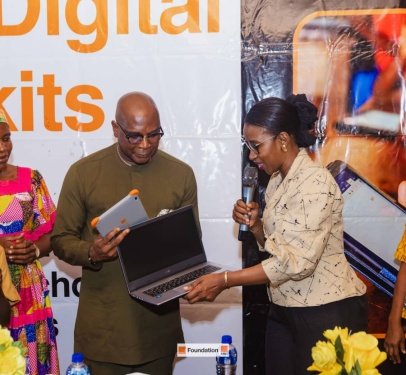
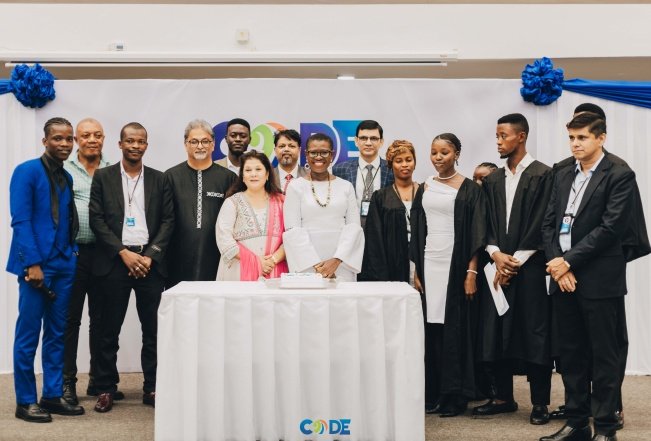
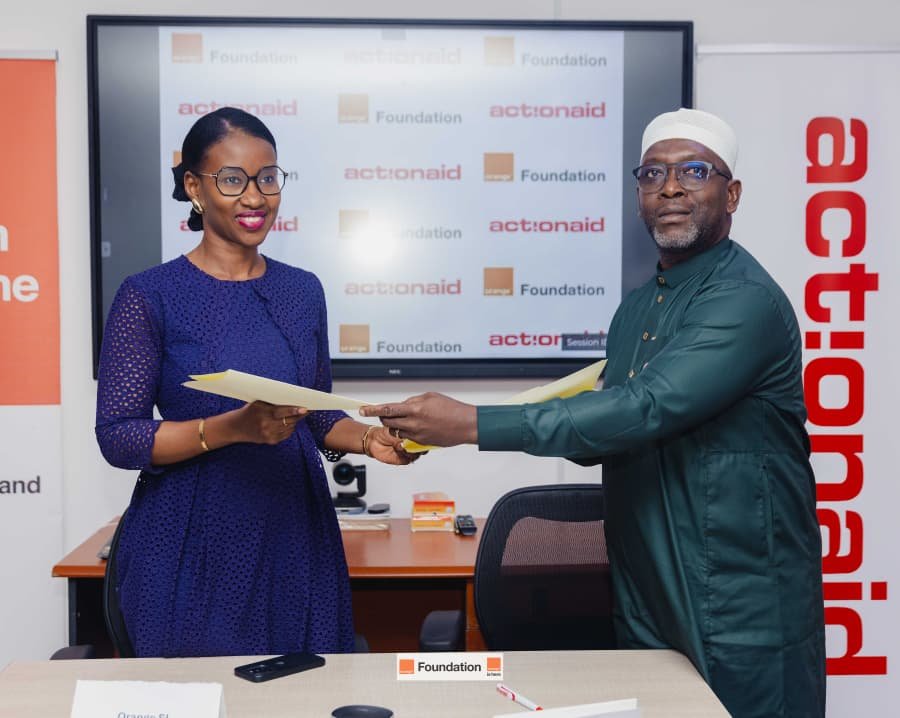
Orange Foundation Sierra Leone and ActionAid Sierra Leone have signed a Memorandum of Understanding (MoU) to establish a Digital Inclusion Training Centre that will empower 150 persons with disabilities with practical digital skills, creating new opportunities for employment, entrepreneurship and economic independence.

The agreement was signed on Monday, 29 June 2026, at the ActionAid Sierra Leone headquarters at Jubal Hill in Freetown, marking a significant milestone in the two organizations' shared commitment to promoting digital and social inclusion across Sierra Leone.

The ceremony brought together senior officials from both institutions, representatives of government, disability advocacy organizations and development partners, all united by a common goal of ensuring that persons with disabilities are not left behind in the country's digital transformation.

Among those in attendance were the Chief Executive Officer of Orange Sierra Leone, Madam Aicha Toure; the Director of Orange Foundation Sierra Leone, Mrs. Annie Wonnie-Katta; the Country Director of ActionAid Sierra Leone, Mr. Foday-Bassie Swaray; representatives of the Ministry of Social Welfare; officials of the Sierra Leone Union on Disability Issues (SLUDI); and other invited guests.

Delivering the declaration of purpose, Mrs. Annie Wonnie-Katta emphasized the importance of bridging the digital accessibility gap, noting that equal access to technology is essential for creating inclusive societies and expanding opportunities for persons with disabilities.

Speaking at the event, Mr. Foday-Bassie Swaray described the partnership as a practical investment in the future of persons with disabilities. He said digital skills have become indispensable in today's world and that the initiative would equip beneficiaries with the knowledge and confidence needed to participate meaningfully in education, employment and business.

Chief Executive Officer of Orange Sierra Leone, Madam Aicha Toure, reaffirmed the company's commitment to using technology as a tool for social transformation. She said Orange Foundation remains dedicated to supporting initiatives that empower vulnerable communities and promote equal access to digital opportunities.

Representing the Government, Chief Commissioner Brima Abdulai Sheku of the Ministry of Social Welfare commended both organizations for championing disability inclusion. He reaffirmed the Government's commitment to promoting equal opportunities and improving the welfare of persons with disabilities through collaborative partnerships.

The highlight of the ceremony was the official signing and exchange of the Memorandum of Understanding, symbolizing the beginning of a partnership aimed at reducing the digital divide and promoting greater accessibility for persons with disabilities across Sierra Leone.

Speaking on behalf of persons with disabilities, Joseph Alieu Kamara welcomed the initiative and expressed optimism that the Digital Inclusion Training Centre would transform lives by equipping beneficiaries with practical digital skills that would increase their independence and improve their economic prospects.

The Digital Inclusion Training Centre will provide digital literacy education, hands-on information technology training and access to assistive technologies tailored to the needs of persons with disabilities. The programme is designed to prepare participants for opportunities in the modern digital economy while enhancing their ability to access education, employment and entrepreneurial ventures.

The initiative aligns with Orange Foundation Sierra Leone's vision of promoting digital and social inclusion and ActionAid Sierra Leone's mission of supporting marginalized and vulnerable communities. By expanding access to technology and digital education, the partnership seeks to remove barriers that continue to limit the participation of persons with disabilities in national development.

Both organizations described the partnership as more than the establishment of a training centre, saying it represents a shared vision of building an inclusive society where technology empowers every individual, regardless of physical ability. Through the initiative, Orange Foundation Sierra Leone and ActionAid Sierra Leone aim to create sustainable opportunities, break barriers to digital access and contribute to a more equitable future for persons with disabilities in Sierra Leone. https://thecalabashnewspaper.com/orange-foundation-and-actionaid-partner-to-bridge-sierra-leones-digital-divide/