Wednesday, 30 September 2026


Investigation Raises Questions Over Fake RR-Branded Cables Sold by Peak Electrical
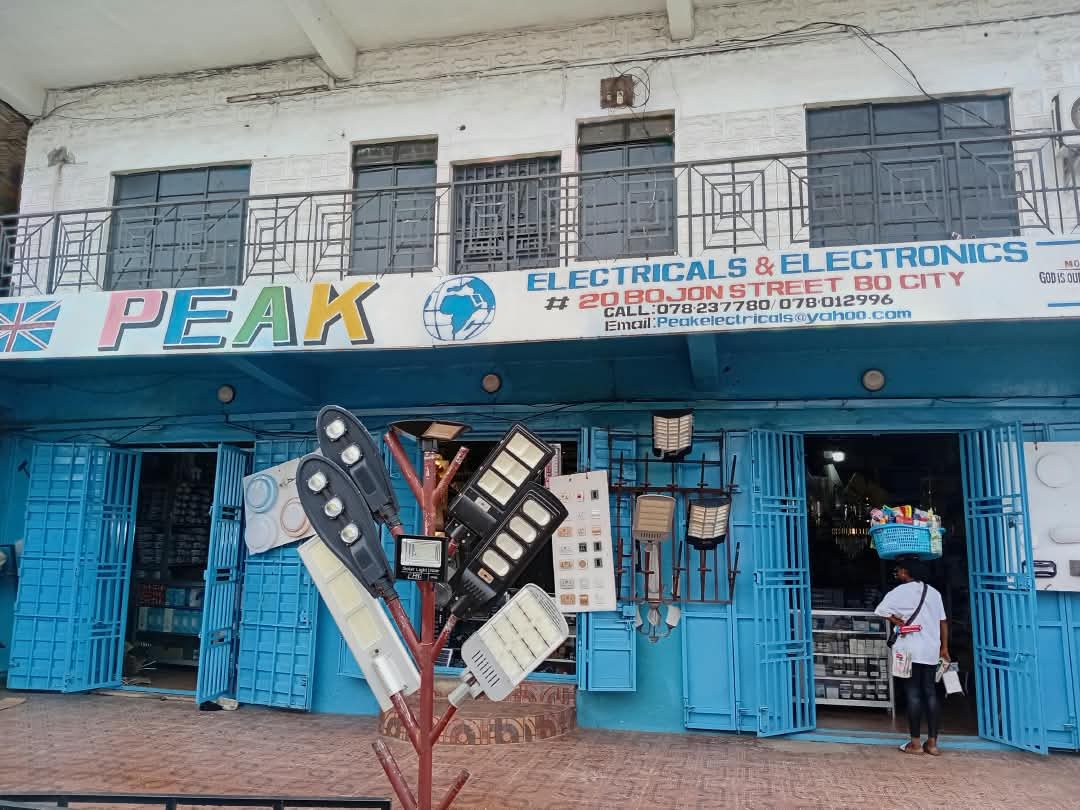
An investigation by The Calabash Newspaper has placed Peak Electrical/Electronic under scrutiny over allegations that the company is involved in the importation and sale of electrical cables suspected of being counterfeit products bearing the RR Cables brand.

Peak Electrical/Electronic, reportedly owned by Ogha Toochukwu and Samuel, is a Nigerian-owned business operating in Sierra Leone, with its head office situated on 17 Regent Road, by Goderich Street in Freetown. Questions have emerged over the origin and authenticity of RR-branded cables allegedly being sold through the company’s outlets and whether the products meet recognized electrical safety and quality standards.

Information gathered during the investigation indicates that Peak Electrical/Electronic operates from several locations across Sierra Leone, particularly in Freetown, Bo and Kenema.

Locations identified during the investigation include 38 Dambala Road, Bo, opposite Albertson Supermarket; 32 Dambala Road, Bo; Box Point, 20 Bojon Street, Bo; and an outlet beside Union Trust Bank on 5 Jany Street, Kenema. Another location associated with the business was identified around St. James Secondary School.

During the investigation, an electrical cable carrying markings purporting to identify it as an RR Kablo product was among the items identified. While the presence of RR-related markings raises questions about the product's origin, such markings alone cannot establish whether a cable is genuine or counterfeit. A conclusive determination would require verification by the manufacturer, an authorized distributor or competent regulatory and technical authorities.

The latest development has nevertheless renewed concerns over reports of suspected counterfeit RR Cables circulating on the Sierra Leonean market and the potential risks such products could pose if they fail to meet prescribed electrical safety standards.

The Calabash Newspaper had previously investigated allegations involving businesses in Freetown suspected of dealing in counterfeit RR Cables. Information obtained during that investigation indicated that the Sierra Leone Police acted on intelligence concerning suspected counterfeit RR products and conducted operations at business premises linked to the allegations.

Several individuals were reportedly invited to the Criminal Investigation Department for questioning, while quantities of electrical cables suspected of being counterfeit RR products were reportedly seized as part of further investigations.

Those developments raised wider concerns about the channels through which electrical products of questionable origin may be entering Sierra Leone, how such products are distributed to consumers and whether existing regulatory and border-control mechanisms are sufficiently equipped to identify counterfeit or substandard electrical materials before they reach the market.

The allegations surrounding Peak Electrical/Electronic have now brought those concerns back into focus, particularly regarding RR-branded cables reportedly being offered for sale outside channels recognized by the brand's stated local distributor.

SV Electrical, which describes itself as Sierra Leone's trusted source for genuine RR Cables, has previously warned consumers about suspected counterfeit RR-branded electrical cables allegedly circulating in the country.

According to SV Electrical, it has served as the exclusive importer and distributor of authentic RR Cables in Sierra Leone since 2019. The company identifies its recognized outlets as its premises on Siaka Stevens Street in Freetown and Hastings Junction and has advised consumers to exercise caution when purchasing RR-branded products from other sources.

Concerns surrounding suspected counterfeit electrical cables extend beyond questions of branding, distribution rights and commercial competition. Electrical cables are critical components of residential, commercial and industrial installations, and their quality can have direct implications for public and property safety.

Counterfeit or substandard electrical cables may contain conductors, insulation or other materials that do not conform to the specifications associated with the products they claim to represent. Where cables fail to meet appropriate technical requirements relating to conductor quality, insulation, resistance and load-bearing capacity, there may be an increased risk of overheating, sparking, short circuits and electrical fires.

Against that background, the allegations involving Peak Electrical/Electronic raise several questions requiring clarification: Where are the RR-branded cables sold by the company manufactured? Who supplies them? Through what channels are they imported into Sierra Leone? Does Peak Electrical/Electronic have authorization to distribute products carrying the RR brand? What importation, supply or manufacturer documentation is available to establish their origin and authenticity?

Clear answers supported by documentary evidence could help establish the facts and provide reassurance or necessary warning to consumers, electricians, contractors and property developers who may have purchased the products.

Independent technical verification by the relevant authorities would also provide an objective basis for determining whether the cables identified during the investigation meet applicable quality and safety requirements. Such examination could include verification of conductor composition and dimensions, insulation quality, electrical resistance, load capacity and other relevant technical specifications, alongside scrutiny of importation and supply-chain documentation.

The matter also highlights the importance of stronger market surveillance of electrical products entering and being sold in Sierra Leone. Regulators, customs authorities and other relevant institutions have an important role in ensuring that products carrying recognised international brands are properly documented and meet applicable standards before reaching consumers.

Consumers, electricians, contractors and property developers are meanwhile encouraged to exercise caution when purchasing branded electrical materials. Buyers should obtain receipts, request information regarding the source of products and, where questions arise over authenticity, seek verification from the manufacturer, recognised distributor or relevant regulatory authorities.

The Calabash Newspaper is seeking a formal response from Peak Electrical/Electronic concerning the allegations. Among the issues requiring clarification are the origin of the RR-branded cables identified during the investigation, the company's suppliers and distribution arrangements and whether it possesses importation, manufacturer authorisation or other documentation capable of verifying the authenticity of the products.

The company should be afforded the opportunity to provide documentary evidence establishing where the cables originated, how they entered Sierra Leone and the basis upon which they are being marketed and sold under the RR brand.

Until independent technical examination or documentary verification establishes otherwise, the products identified during the investigation remain suspected counterfeit cables, while the claims against Peak Electrical/Electronic remain allegations and should not be treated as established findings of wrongdoing.

The Calabash Newspaper will continue investigating the matter in the public interest and remains open to publishing the response of Peak Electrical/Electronic, including any documentary or technical evidence the company may provide regarding the source, authenticity and quality of the RR-branded cables in question. https://thecalabashnewspaper.com/archives/64992

NRA Commissioner General Calls for Stronger Revenue Mobilisation as Familiarization Tour Begins
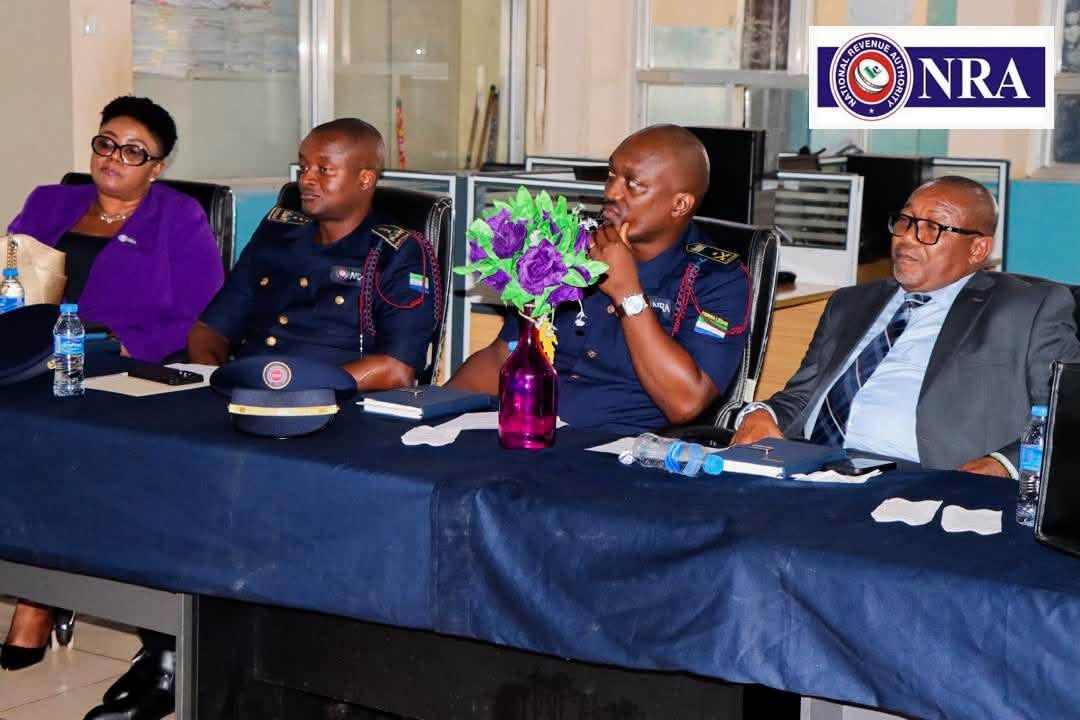
The newly appointed Commissioner General of the National Revenue Authority (NRA), Abu Martin Kanneh, has commenced an internal familiarization tour aimed at engaging personnel and strengthening cooperation across the institution in support of the Authority’s revenue mobilization mandate.

Abu Martin Kanneh began the exercise on Monday, 28 September 2026, at the Customs Services Department, Customs House in Cline Town, Freetown, where he met with staff and members of the National Revenue Authority’s senior management.

The engagement provided an opportunity for Abu Martin Kanneh to outline his expectations for the department and emphasize the important contribution of Customs Services to domestic revenue generation.

Addressing staff, Abu Martin Kanneh reflected on his longstanding association with the Customs Services Department, recalling that he started his career as a Collector and subsequently rose through the ranks to become Commissioner of Customs before assuming his current position as Commissioner General of the National Revenue Authority.

Drawing on that experience, Abu Martin Kanneh said he has a clear understanding of the responsibilities and challenges facing Customs officers, as well as the department’s strategic importance to the Government’s revenue mobilization efforts.

“I was here as the Commissioner of Customs, so I know the work you are doing. I am here now as Commissioner General and I want us to work together to achieve the mandate of the NRA,” Abu Martin Kanneh told staff.

Abu Martin Kanneh stressed that effective cooperation among staff and Management would be essential to meeting the National Revenue Authority’s targets and strengthening revenue collection.

According to Abu Martin Kanneh, the Minister of Finance has underscored the Government’s growing demand for domestic revenue, making it necessary for the National Revenue Authority, particularly the Customs Services Department, to intensify its contribution to national resource mobilization.

“The Government needs more revenue now than ever before. I am therefore calling on all of you at Customs to support us in that direction,” Abu Martin Kanneh stated.

Deputy Commissioner General I, Ann-Marie Baby Harding, encouraged employees to give their full support to Abu Martin Kanneh as he leads the National Revenue Authority in pursuing its mandate.

Ann-Marie Baby Harding placed particular emphasis on discipline, professionalism and compliance with established laws and procedures, reminding personnel of their responsibility to maintain high standards of conduct while performing their duties.

“There is no hiding place for anyone who wants to do otherwise,” Ann-Marie Baby Harding cautioned, urging staff to operate strictly within the confines of the law.

Deputy Commissioner General II, Engineer Edmond Benjamin Nonie, similarly called on personnel to remain focused on measurable performance and effective service delivery.

Engineer Edmond Benjamin Nonie said the institution must be able to demonstrate tangible results from its operations, while assuring employees that Management remains accessible and willing to engage them on issues affecting their work.

“I am particular about results. We must be able to demonstrate what we are achieving. My door is open,” Engineer Edmond Benjamin Nonie said.

Commissioner of Customs Services, Tennyson Bio, assured Abu Martin Kanneh of the department’s cooperation and support as the Commissioner General works to advance the National Revenue Authority’s objectives.

Tennyson Bio also encouraged Customs personnel to work closely with the new leadership and contribute effectively towards achieving the Authority’s revenue targets.

The familiarization exercise forms part of Abu Martin Kanneh’s efforts to engage personnel directly, understand operational realities and strengthen coordination within the National Revenue Authority.

The visit to Customs House also reinforced the central role of the Customs Services Department in domestic revenue mobilisation, while providing senior management and employees with an opportunity to discuss teamwork, accountability, professionalism and improved performance in support of the Government’s broader fiscal objectives. https://thecalabashnewspaper.com/archives/64989


NMA to Host Sierra Leone’s First PanAfGeo Training on Geohazards, Mine Management
Sierra Leone’s National Minerals Agency (NMA) is set to host the country’s first PanAfGeo training course from December 7 to 12, 2026, bringing together geoscientists from Africa and Europe for specialised training in geohazards and mine environmental management.

Preparations for the programme followed a week-long visit to Freetown by a team of international geologists led by Professor Stanisław Wołkowicz of the Polish Geological Institute, together with Giuseppe Delmonaco and Dr. Francesco Traversa of the Geological Survey of Italy (ISPRA).

The visiting experts worked with the National Minerals Agency to assess potential field locations and make technical preparations for the training, which is expected to attract approximately 35 geologists and five expert trainers from Africa and Europe.

The programme will combine classroom instruction with practical fieldwork, giving Sierra Leonean geoscientists an opportunity to work alongside international experts and strengthen their knowledge of geological hazards, mining risks and environmental management.

Participants are expected to conduct field investigations in selected hillside areas of Freetown to examine factors responsible for slope failures and landslides. They will also undertake geotechnical assessments of exposed rock faces at amphibolite quarries and examine slope stability and waste management practices at an active hematite mining site.

The practical exercises are intended to strengthen the capacity of geoscientists to identify geological risks, assess vulnerable areas and recommend measures to reduce the impact of natural and mining-related hazards.

During their preparatory mission, the international delegation also held discussions with the National Disaster Management Agency (NDMA). The engagement focused on strengthening cooperation between geological institutions and disaster management authorities, particularly in the use of geoscience data for disaster risk reduction, preparedness and emergency response.

The initiative comes at a time when Sierra Leone continues to address the risks associated with landslides, slope instability and mining activities. Improved geological assessment and monitoring are considered important to protecting communities, infrastructure and the environment, particularly in areas vulnerable to natural hazards.

Sierra Leone’s extractive sector, which includes iron ore, diamonds, rutile, bauxite and gold, remains an important part of the national economy. Strengthening the technical capacity of local geoscientists is therefore expected to support safer and more environmentally responsible mining practices while improving the country’s ability to manage geological hazards.

The December training will also mark an important step in Sierra Leone’s participation in PanAfGeo+ 2025–2029, the third phase of the geological support programme designed to strengthen geoscientific expertise and institutional cooperation across Africa.

PanAfGeo+ is funded by the European Commission’s Directorate-General for International Partnerships and jointly managed by EuroGeoSurveys, the Organisation of African Geological Surveys and the French Geological Survey (BRGM).

Since its launch in 2016, the PanAfGeo initiative has trained more than 1,750 geoscientists across Africa, providing technical knowledge and practical skills in different areas of geoscience.

Hosting the programme will provide Sierra Leonean professionals with direct access to international expertise while strengthening cooperation between the National Minerals Agency and geological institutions across Africa and Europe. https://thecalabashnewspaper.com/archives/64983


Caritas Freetown, CAFOD Donate Building Materials to 40 Households in Western Area
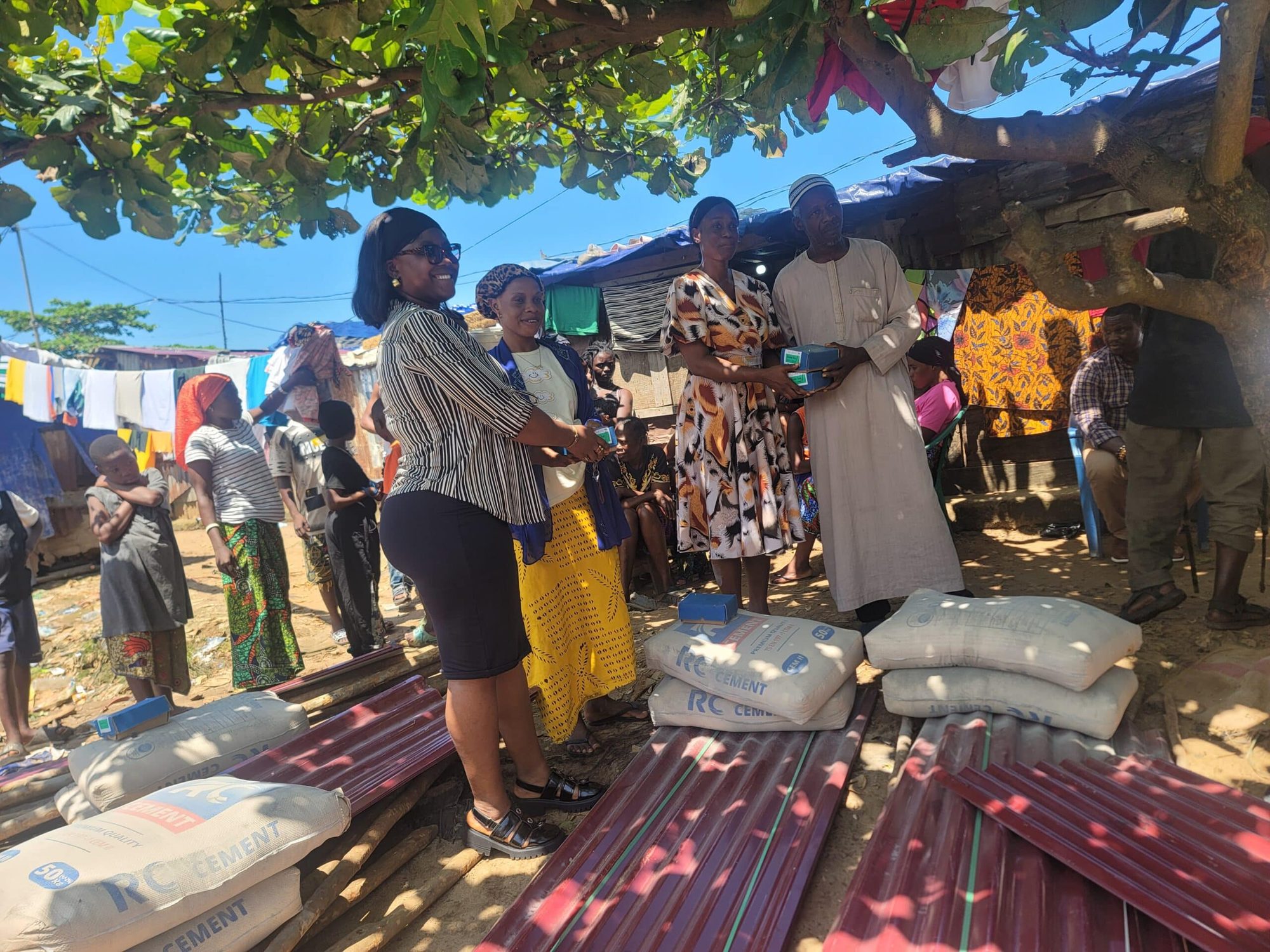
Caritas Freetown, with funding from CAFOD, has provided building materials to 40 vulnerable households across eight communities in the Western Area Rural and Urban District to support the repair of homes damaged by flooding and strengthen community resilience to future disasters.

The in-kind support is being provided under Caritas Freetown’s project, “Strengthening Community Flood Preparedness and Early Humanitarian Response for Vulnerable Communities and Households in Western Area Urban and Rural Districts, Sierra Leone.”

The eight beneficiary communities were Culvert, Portee, Bonga Town and Gray Bush in the Western Area Urban District, and Goderich-Crab Tong, Levuma, Waterloo-Bofla and Grafton in the Western Area Rural District received building material support under the project to strengthen flood resilience and assist vulnerable households. The support included bags of cement, zinc sheets, sticks and boxes of roofing nails, with five beneficiaries in Crab Town, Levuma Beach, among those receiving the materials.

Project Lead, Alimatu D. Turay explained that Caritas decided to provide building materials instead of cash after identifying concerns about whether cash assistance was always being used for its intended purpose.

“This time around, we changed our approach by providing building materials instead of cash support,” Alimatu D. Turay said.

She said the beneficiaries were selected based on their level of vulnerability, including households headed by widows and persons with disabilities.

“Within these communities, you have people who are more vulnerable than others. There are widows and persons with disabilities. We considered those prevailing circumstances during the selection process,” she said.

Alimatu D. Turay said the materials are intended to help beneficiaries refurbish homes damaged by flooding, adding that Caritas would return to the communities to monitor how the items had been used. “We will visit the communities after six days to monitor whether they have used the materials appropriately,” she said.

Representing the Executive Director, Rev. Fr. Paul Jusu said the donation reflects the Catholic Church’s commitment to promoting human dignity and well-being.

He encouraged beneficiaries to use the materials for their intended purpose and assured them of the Church’s continued support to vulnerable communities.

CAFOD Programme Manager for Sierra Leone and Liberia, Dennis Momoh, said his participation in the activity was aimed at assessing whether project reports reflected the situation on the ground.

Dennis Momoh expressed satisfaction with Caritas’ implementation of the project but said his visit also highlighted the need for further intervention.

“After seeing the community, there’s a need for us to do more,” he said.

He said CAFOD is willing to provide additional support but noted that funding remains a challenge. He urged beneficiaries to use the materials for their intended purpose.

Speaking on behalf of the Board, Peter Menjor praised CAFOD for providing funding to support vulnerable communities. He said part of his responsibility as a Board member is to provide oversight and ensure that project reports reflect the reality on the ground.

Peter Menjor also discouraged beneficiaries from selling the donated materials, stressing that such action would undermine the objective of the support.

Community Chief and beneficiary, Amadu Jalloh said Caritas had previously supported residents of Crab Town through a community cleaning exercise, which he said helped reduce the severity of flooding.

He said Caritas’ support to the community, including cash assistance and cleaning activities, had been consistent over the years.

Chief Amadu Jalloh assured the organisation that he would monitor the beneficiaries to ensure the materials are used for their intended purpose.

Another beneficiary, Kadiatu Yillah, expressed gratitude to Caritas and CAFOD, saying she would use the materials to restore parts of her home damaged by flooding.

She said flooding not only damages homes but also destroys household properties, making the support timely and significant.

“I pray that the Almighty continues to provide for Caritas and CAFOD so they’ll continue to help not only us, but others who are also in need of this support,” Kadiatu Yillah said. https://thecalabashnewspaper.com/archives/64977


BLP Groundnut Harvest Marks New Phase of Community-Led Agriculture in Bombali
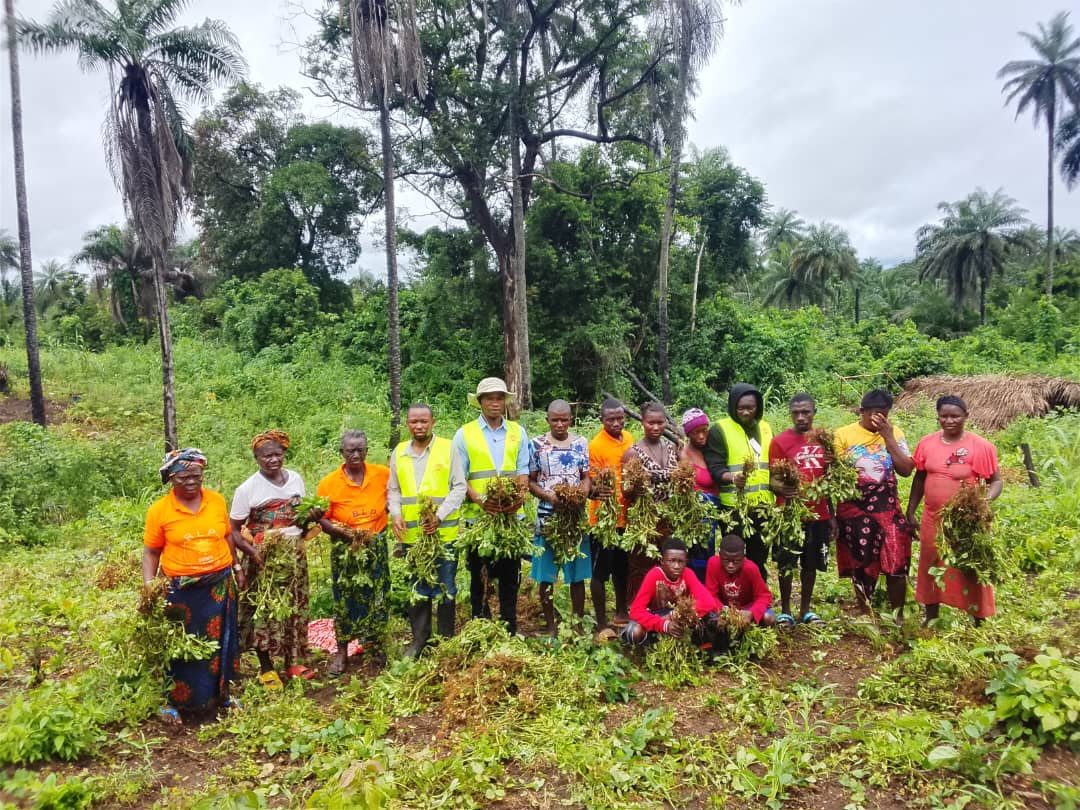
Bright Light Projects Sierra Leone (BLPSL) has completed its 2026 groundnut farming cycle at a 4.5-acre VSLA Smart Agriculture demonstration farm in Mano Community, Gbanti Chiefdom, Bombali District, marking another stage in efforts to link community savings with agricultural production and sustainable rural livelihood.

Community members joined the BLPSL team on September 24, 2026, to harvest the groundnuts following months of planting, weeding, monitoring and farm maintenance.

The farm is part of BLPSL’s VSLA Smart Agriculture Initiative, which builds on existing Village Savings and Loan Associations to help communities move beyond collective savings into productive agriculture, household income generation and rural enterprise.

BLPSL’s engagement with communities in the area dates back to 2016, when the organisation supported vulnerable children and families affected by the Ebola crisis through its Mend the Gap schooling programme.

That intervention later led to the establishment of BLP Mothers’ Clubs to strengthen caregivers and family support systems. In 2023, the organisation introduced Village Savings and Loan Associations to promote savings, financial literacy and access to community-based credit.

The VSLA Smart Agriculture Initiative is the latest phase of that community development process, connecting established savings groups with agricultural production rather than creating entirely new structures.

In Mano Community, the Chief and other community stakeholders provided farmland for the demonstration project, while residents participated throughout the farming cycle, including planting, weeding, monitoring and harvesting.

The initiative also aligns with Sierra Leone’s broader agricultural development agenda under Feed Salone, particularly efforts aimed at improving agricultural productivity, food security, climate-smart farming, access to finance and economic opportunities for women and young people.

BLPSL has been engaging the Ministry of Agriculture and Food Security in Bombali District as it develops the initiative, seeking to connect community farming activities with improved agricultural practices and the wider national push for sustainable food production.

Beyond increasing production, BLPSL intends to help organised rural communities gradually move from savings into production, aggregation, value addition, market participation and sustainable enterprise. The approach links community organisation and savings to farming, harvesting, reinvestment and eventual rural business development.

Following the groundnut harvest, BLPSL is strengthening its monitoring and accountability system to measure the results of the farming cycle. The organisation is documenting the quantity of seed distributed, number of participating farmers, acreage cultivated, total harvest, yield per acre, seed retained for future planting and how the harvested produce is eventually used.

According to BLPSL, the information gathered will enable the organisation and participating communities to assess the performance of the initiative and make informed decisions about future farming cycles.

With the groundnut season completed, attention is now shifting to cassava production. BLPSL is exploring opportunities with VSLA members and stakeholders in Mano and Rosint communities, with plans to eventually connect production with improved planting materials, climate-smart agricultural practices, processing, value addition and access to markets.

The move comes as agricultural development programmes continue to support cassava and other value chains in Sierra Leone. A Sustainable Food and Agricultural Value Chains Development programme is supporting cassava, infant food and palm oil value chains, while Welthungerhilfe, in partnership with GIZ Sierra Leone, is implementing cassava-related activities in Bo and Bombali districts focusing on nutrition awareness, local production and consumption, processing and inclusive market participation.

BLPSL believes such developments could provide opportunities for established community organisations, including VSLAs, to become part of the wider agricultural value chain emerging around cassava and other crops in Bombali District.

The organisation therefore views cassava not simply as the next crop, but as part of a longer-term strategy that could take communities from production to aggregation, value addition, market participation and sustainable rural enterprise.

BLPSL describes the approach as its “Community Resilience Pathway – From Vulnerability to Sustainable Livelihoods,” recognising that lasting community development requires sustained engagement rather than a single project cycle.

Its work in Bombali has progressively moved from supporting vulnerable children and families to organising caregivers through Mothers’ Clubs, establishing savings groups and connecting those groups with agricultural production.

BLPSL hopes lessons and evidence generated from Mano and Rosint will eventually guide the responsible expansion of the VSLA Smart Agriculture model to other communities across the five chiefdoms in Bombali District where the organisation has established relationships.

For Mano Community, the 2026 groundnut harvest therefore marks more than the completion of another farming season. It represents a further step in a development process aimed at helping rural communities use their savings, local institutions, farmland and collective participation to build stronger and more sustainable livelihoods. https://thecalabashnewspaper.com/archives/64971

Monday, 28 September 2026


Institute of Directors Sierra Leone Relaunched, Signs MoU with Chamber of Commerce & Certifies 15 Directors
The Institute of Directors Sierra Leone (IoDSL) has held its Certification and Rebirth Ceremony, marking a renewed drive to strengthen professional directorship, ethical leadership and corporate governance in Sierra Leone.

The ceremony, held on 25 September 2026 at the New Brookfields Hotel in Freetown, brought together representatives of the public and private sectors, professional institutions and the business community.

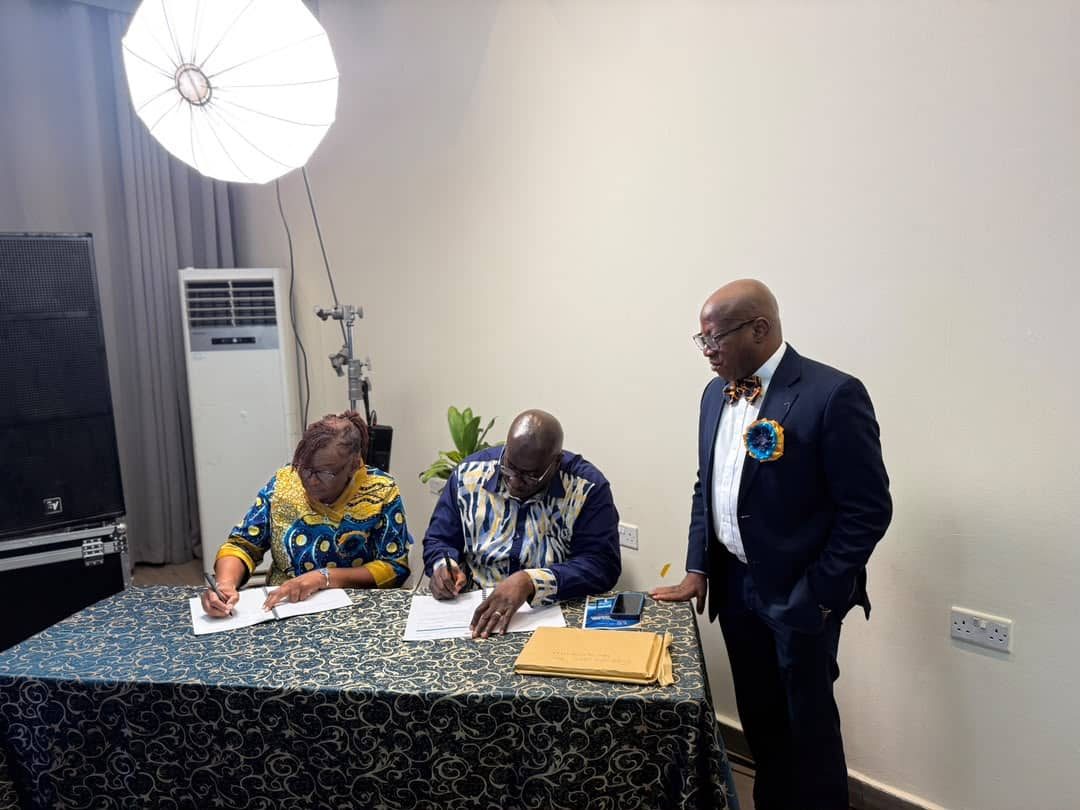
Highlights of the event included the signing of a Memorandum of Understanding between the Institute of Directors Sierra Leone (IoDSL) and the Sierra Leone Chamber of Commerce, Industry and Agriculture, alongside the certification of 15 Directors who successfully completed a corporate governance training programme.

In his opening remarks, Chairman of the Rebirth and Certification Committee, Kobi Walker, described the occasion as a significant milestone in the Institute’s history, marking a renewed sense of purpose and the beginning of a new chapter in its development.

He said IoDSL’s mandate to promote sound leadership, ethical governance, professional excellence and institutional accountability was essential to the success of businesses and institutions and to Sierra Leone’s sustainable development.

Kobi Walker said the Institute’s future depends on active membership, professionalism and a commitment to maintaining high standards of directorship and governance.

“The occasion should not be regarded as an end but as a new beginning,” he said, calling for stronger collaboration and renewed determination to build an Institute capable of making a lasting contribution to national development.

Interim President of IoDSL, Amy E. Greene, said the rebirth represents more than a celebration, as it provides an opportunity to recognize the newly certified Directors while strengthening the Institute’s role in promoting leadership, professional integrity, accountability and responsible governance.

She said IoDSL is focused on building on its legacy, increasing value for members and developing the next generation of Directors capable of strengthening businesses and institutions.

Amy E. Greene also highlighted the Institute’s growing international engagement, including its relationship with fellow the Institute of Directors and the African Corporate Governance Network. She noted that IoDSL’s recent election to the ACGN Board provided an opportunity for Sierra Leone to contribute to wider efforts to advance corporate governance across Africa.

Speaking also at the event, Vice President 1 of the Sierra Leone Chamber of Commerce, Industry and Agriculture, Dr. Modupeh Taylor-Pearce, said effective governance has become increasingly important amid competing economic, technological, social and ethical interests.

He said sound corporate governance is particularly important as Sierra Leone pursues private sector-led economic growth, adding that investment readiness and access to regulated capital markets are closely linked to the quality of governance within institutions.

Dr. Taylor-Pearce said the Chamber has been strengthening its own governance practices and believes that corporate governance certification for individuals nominated to serve on Boards should eventually become mandatory.

He said the Chamber’s position has formed the basis of its partnership with IoDSL, with the two institutions signing an MoU to strengthen collaboration.

Deputy Executive Director of the National Investment Board, Fatima Mahawa Sandi, said the rebirth of IoDSL came at an important stage in Sierra Leone’s pursuit of private sector development, investment promotion, innovation and increased participation in regional and international markets.

She said achieving those objectives requires more than capital, stressing the importance of credible institutions, ethical leadership and Directors capable of understanding their responsibilities to shareholders, employees, communities and the wider country.

Fatima Mahawa Sandi said good corporate governance is fundamental to attracting and retaining responsible investment, noting that investors consider institutional quality, predictability and governance practices when making investment decisions.

She disclosed that the National Investment Board plans to launch an online business registration system in November 2026 as part of efforts to improve corporate services and advance digital economic services.

She also called for greater collaboration between the NIB and IoDSL in areas including corporate governance training, investor relations, ethics, Board development and policy dialogue.

She also encouraged companies to comply with good governance standards and relevant provisions of the Companies Act 2009, while urging IoDSL to develop into a platform where Directors could exchange knowledge and promote high standards of governance.

The ceremony also featured a presentation by Michala Mackay titled “From Statue to Standard: The Future of Sierra Leone’s Boardrooms”, which focused attention on the need to move corporate governance beyond formal structures and into practical standards of conduct and decision making.

The presentation formed part of the broader discussion on how Directors and Boards could strengthen professionalism, accountability and effectiveness in Sierra Leonean institutions, particularly as businesses face changing economic, technological and regulatory demands.

Delivering the keynote address, Governor of the Bank of Sierra Leone, Dr. Ibrahim Stevens, said good corporate governance is fundamental to sustainable economic growth, institutional resilience and national development.

He said governance should not be treated merely as a compliance requirement but should encompass ethical leadership, accountability, transparency and responsible stewardship.

Dr. Ibrahim Stevens said strong Boards are essential to institutional resilience because they provide strategic direction, establish effective oversight, challenge Management and ensure that institutions operate sustainably.

He urged Directors to look beyond historical financial performance and pay greater attention to emerging risks, including inflation, exchange rate movements, interest rates, technology, cybersecurity and wider economic developments.

The Governor also stressed the importance of independent judgement, proper management of conflicts of interest and effective risk management.

He said Sierra Leone’s financial sector is undergoing digitalization and modernization, creating opportunities while also requiring stronger cybersecurity, data governance and technological oversight.

Dr. Ibrahim Stevens noted that the Bank of Sierra Leone’s Corporate Governance Guidelines for commercial banks and financial holding companies, which became effective in January 2024, had strengthened expectations relating to Board composition, competence, independence, committees and controlled functions.

He said Directors should regard their positions as responsibilities of trust rather than honorary appointments and should act with due care, diligence and integrity.

“Resilience begins in the Boardroom,” Dr. Ibrahim Stevens said, urging Directors to understand the risks facing their institutions, constructively challenge Management and maintain a long-term perspective.

Speaking on behalf of Vice President, Dr. Mohamed Juldeh Jalloh, Minister of Trade, Alpha Ibrahim Sesay said the rebirth of IoDSL represents an important milestone for the private sector and national development.

He commended the Institute for surviving difficult periods and congratulated the 15 newly certified Directors, stressing that their Certificates represent not only the completion of professional training but also an obligation to uphold higher standards of accountability and integrity.

Minister Alpha Ibrahim Sesay recalled that the Vice President had launched Sierra Leone’s National Corporate Governance Code in January 2019, establishing expectations for ethical leadership, accountability, transparency and effective oversight.

He said the challenge now is to move beyond having governance principles on paper and ensure that they became part of the daily conduct of institutions.

He also called on IoDSL to become a serious partner in private sector development by providing evidence-based recommendations, engaging Government early in policymaking and helping identify regulatory and administrative obstacles affecting businesses.

Minister Alpha Ibrahim Sesay also urged Directors to use their influence to strengthen domestic production, develop local suppliers and support investment in areas such as energy, infrastructure, manufacturing, digital transformation and value-added services.

He said the country’s ambition should go beyond attracting investment to creating productive capacity, generating jobs, increasing incomes and enabling Sierra Leonean businesses to compete regionally and internationally.

He further welcomed the growing participation of women in corporate leadership, noting that 10 of the 15 newly certified Directors are women, and encouraged institutions to develop stronger pipelines for women and other qualified professionals.

According to him Government remains open to evidence and recommendations from IoDSL and encouraged the Institute to maintain a constructive partnership with Ministries, regulators and other institutions whose decisions affect the private sector.

A major highlight of the programme was the presentation of Certificates to 15 Directors who successfully completed a rigorous training programme.

The ceremony concluded with a renewed call for stronger corporate governance, professional directorship and ethical leadership, with the newly certified Directors expected to apply their training in strengthening the institutions they serve and contributing to a more accountable, resilient and competitive private sector in Sierra Leone. https://thecalabashnewspaper.com/archives/64951


IPAM Commissions New Banking Facilities, Modern Lecture Rooms for Master’s Students
 

The Institute of Public Administration and Management (IPAM), University of Sierra Leone, has commissioned newly constructed banking facilities, renovated state-of-the-art lecture rooms for postgraduate students and a Students’ Information Unit as part of efforts to improve academic and financial services on campus.

The commissioning ceremony brought together senior officials from the banking and telecommunications sectors, the IPAM Alumni Association, the University of Sierra Leone, corporate partners and a delegation from the Liberia Institute of Public Administration (LIPA).

IPAM Management expressed appreciation to its corporate partners and other stakeholders for supporting the successful implementation of the projects, describing the new facilities as an important step towards improving the overall learning experience and addressing difficulties students encounter when paying tuition fees and other charges.

Management noted that postgraduate students require modern and conducive learning facilities, particularly considering the calibre of professionals pursuing Master’s programmes at the institution. It added that the newly renovated lecture rooms represent part of a broader development agenda aimed at improving academic infrastructure and services at IPAM.

Special appreciation was extended to the Vice Chancellor and Principal of the University of Sierra Leone, Professor Aiah Lebbie; the IPAM Alumni Association; Chief Executive Officer of United Bank for Africa (UBA) Sierra Leone, Mohamed Alhajie Samoura; the leadership of A Call To Business Bank (ACTB); Sierra Leone Commercial Bank (SLCB); Rokel Commercial Bank (RCB); Commerce and Mortgage Bank (CMB); Africell Sierra Leone; and JIT Capital Group for their continued support.

Dean of Postgraduate Studies at the University of Sierra Leone, Professor Ronnie Frazer-Williams, congratulated IPAM on the renovation of its postgraduate lecture rooms, stressing that a conducive academic environment is important for effective teaching and learning, particularly at the Master’s level.

The newly commissioned banking facilities are expected to accommodate Sierra Leone Commercial Bank, Rokel Commercial Bank, Commerce and Mortgage Bank and United Bank for Africa. Their presence on campus is intended to make banking services more accessible to students and staff, including the payment of tuition fees and other university charges.

Representatives of the banks and other corporate partners highlighted the importance of ensuring value for money in institutional development projects and commended IPAM for the progress made.

The ceremony also marked the commencement of business by A Call To Business Bank in partnership with IPAM, as well as the introduction of the JIT Capital Student and Staff Computer Loan Scheme. The initiatives are designed to promote financial inclusion and improve access to technology for academic and professional purposes.

Speaking on behalf of Africell Sierra Leone, Dr. Fatmatta Fatou Taqi reaffirmed the telecommunications company’s commitment to implementing its Memorandum of Understanding with IPAM.

She explained that the Africell Point of Service established at IPAM is intended to support students and staff, particularly through the Africell Closed User Group, while also facilitating tuition fee payments through Afrimoney.

Dr. Fatmatta Fatou Taqi said Africell remains committed to supporting development initiatives that complement Sierra Leone’s broader national development aspirations.

President of the IPAM Alumni Association, Rahman Tom Farmar, applauded the institution’s continued progress and reaffirmed the Association’s commitment to supporting its development.

He said the ultimate aspiration is to position IPAM to compete effectively at the global level and encouraged former students to join the Alumni Association and contribute towards the growth of their alma mater.

Rahman Tom Farmar also expressed appreciation for the confidence placed in him to lead the Association and pledged to continue steering it towards initiatives that benefit both the institution and its alumni community.

IPAM Management and staff concluded the ceremony by expressing gratitude to the University of Sierra Leone authorities, corporate partners, alumni and other well-wishers whose contributions continue to support the institution’s growth and development. https://thecalabashnewspaper.com/archives/64947