Wednesday, 30 September 2026


President Bio Invokes Amistad Legacy to Renew Sierra Leone’s Call for Reparatory Justice
President Dr Julius Maada Bio has renewed Sierra Leone’s call for reparatory justice over the enduring consequences of slavery and the transatlantic slave trade, invoking the historic Amistad struggle as a powerful reminder that remembrance of past injustice must be accompanied by responsibility, justice and reconciliation.

President Bio made the call on Sunday, 27 September 2026, while addressing a gathering at the United First Parish Church, popularly known as the Church of the Presidents, in Quincy, Massachusetts, United States, during an event held under the theme: “Celebrating Courage: Honouring the Historic Link Between Quincy and Sierra Leone.”

The President described the relationship between Sierra Leone and Quincy as one rooted not only in history but also in a profound human connection shaped by the Amistad story and the struggle for freedom led by Sengbe Pieh, known in the United States as Joseph Cinqué.

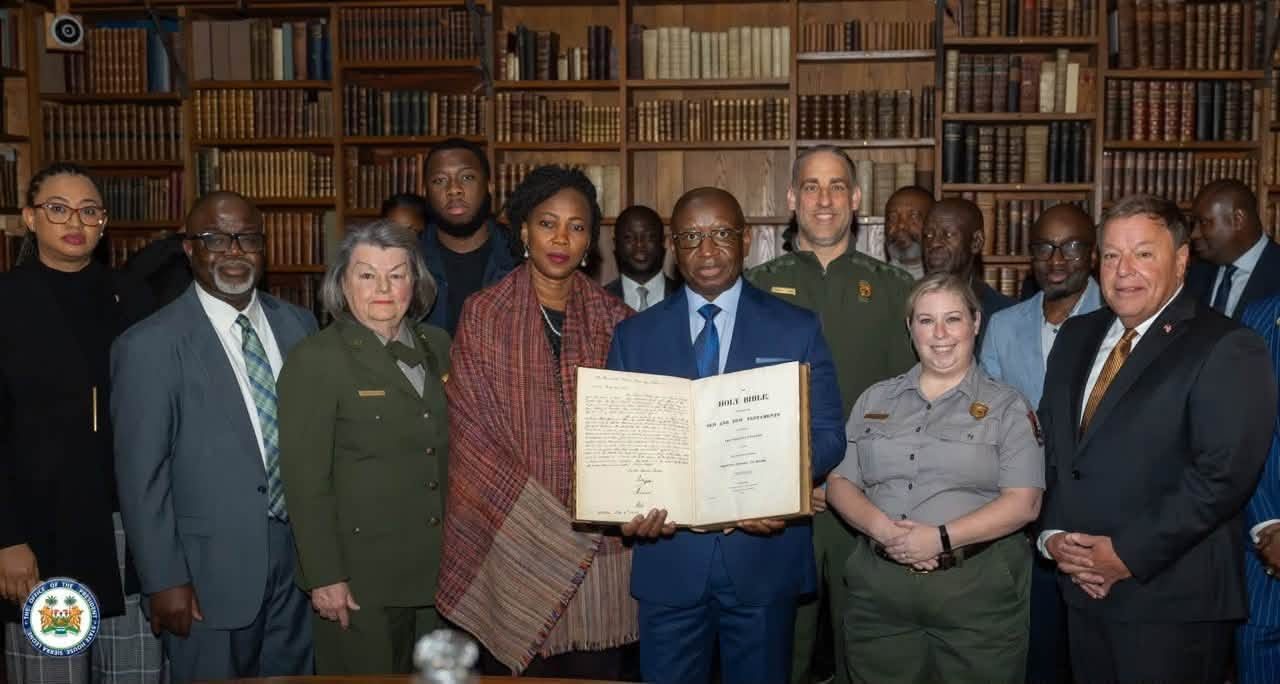
His address followed a visit to the Adams National Historical Park, where he viewed the historic Mendi Bible preserved in the Stone Library. President Bio described the Bible as an enduring symbol connecting Sierra Leone and the United States across generations and the Atlantic Ocean.

Reflecting on the Amistad episode, President Bio recalled that in 1839, Sengbe Pieh and other Mende Africans were unlawfully enslaved aboard the Spanish schooner La Amistad. Their resistance eventually led to a landmark legal battle before the United States Supreme Court.

Former United States President John Quincy Adams represented the Africans before the Supreme Court, arguing for their freedom. In 1841, the Court ruled in favour of the captives, paving the way for their release. The United States National Park Service confirms John Quincy Adams’ central role in representing the Mende Africans before the Supreme Court.

President Bio said the historic episode demonstrated two powerful expressions of courage: Sengbe Pieh’s determination to resist injustice and John Quincy Adams’ willingness to confront injustice through law, conscience and principle.

“Nearly two hundred years ago, Sengbe Pieh came to these shores in chains. Today, the President of the Republic of Sierra Leone comes to Quincy in freedom and friendship. That is the distance history has travelled,” President Bio said.

Despite that historical progress, President Bio stressed that the passage of time should not erase responsibility for the consequences of slavery and the transatlantic slave trade. He reaffirmed Sierra Leone’s position that reparatory justice should form part of a broader effort to acknowledge historical wrongs and address their continuing effects.

According to the President, reparatory justice should not be viewed simply as reopening painful chapters of history, but as recognizing historical truth, honouring those who suffered and building a fairer future.

“It is about memory joined with responsibility and justice joined with reconciliation,” he stated.

President Bio further connected the courage demonstrated by Sengbe Pieh to Sierra Leone’s resilience in modern times, pointing to the country’s recovery from the eleven-year civil war, the Ebola epidemic, the 2017 mudslide disaster and the COVID-19 pandemic.

He said those experiences demonstrated Sierra Leone’s ability to recover from national adversity while underscoring the importance of building lasting peace through strong institutions, education, justice and respect for human dignity.

Turning to present-day challenges, President Bio said courage must now be demonstrated through efforts to educate every child, address hunger and food insecurity, expand opportunities for women and girls, protect peace and create conditions in which Africans can determine their own future with dignity and agency.

“Sengbe Pieh fought for freedom. Our responsibility is to give that freedom meaning,” President Bio said, linking meaningful freedom to education, opportunities for young people, greater participation of women and the ability of nations to shape their own destinies.

The President thanked the people of Quincy, the Adams National Historical Park and the United First Parish Church for preserving the historic relationship with Sierra Leone. The United First Parish Church has deep connections to John Quincy Adams, who worshipped there and whose tomb, alongside that of his wife Louisa Catherine Adams, is located in the church’s crypt.

President Bio called for the relationship between Sierra Leone and Quincy to continue growing around the shared principles of truth, justice, freedom, friendship and humanity.

He maintained that the Amistad story should remain more than a historical account of resistance and freedom, arguing that its lessons should continue to guide contemporary efforts to confront injustice.

“History must not merely be remembered, it must instruct us,” President Bio said. https://thecalabashnewspaper.com/archives/65017


Amnesty Seeks Shift to Notification System for Public Processions
 

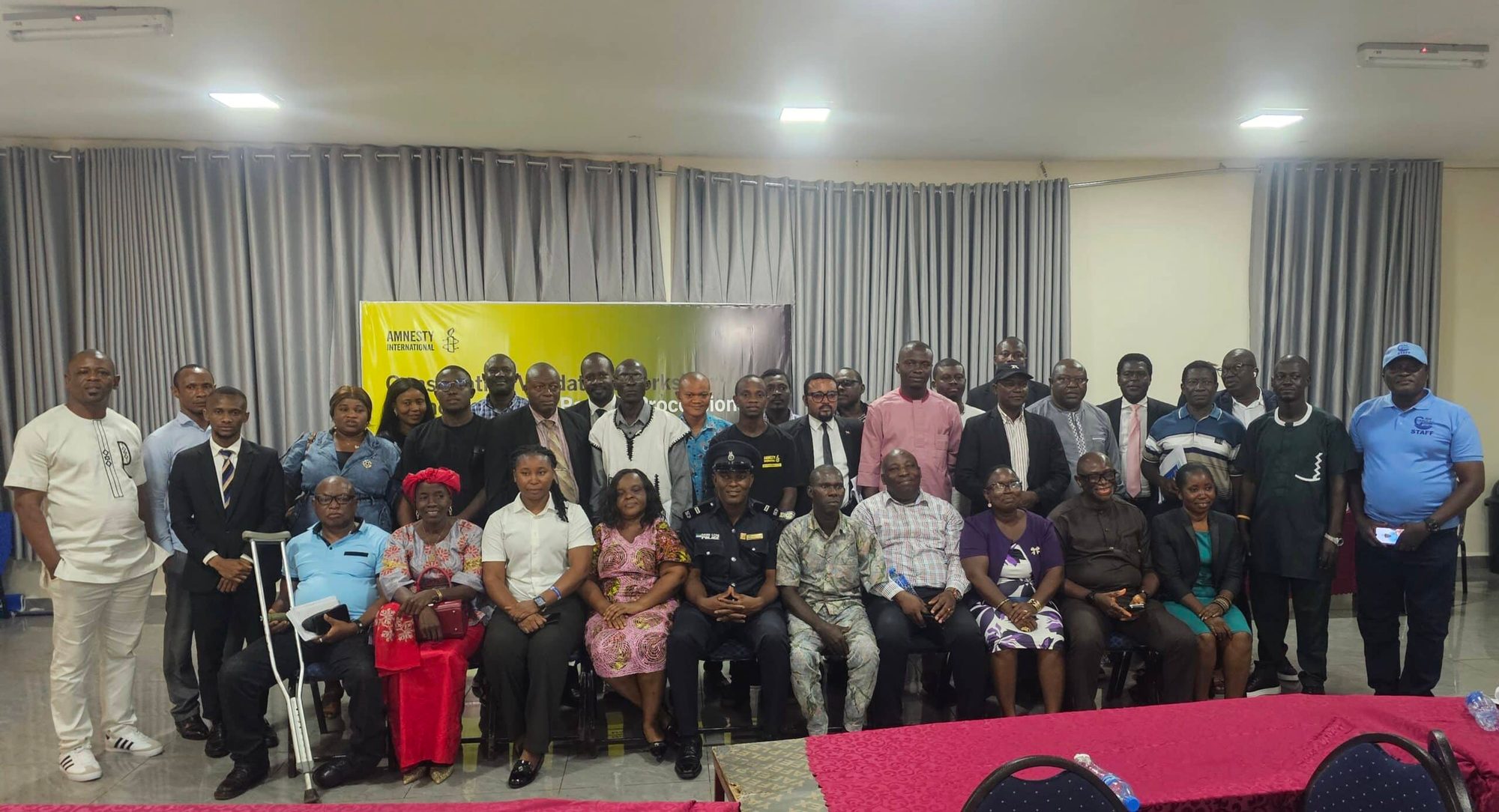
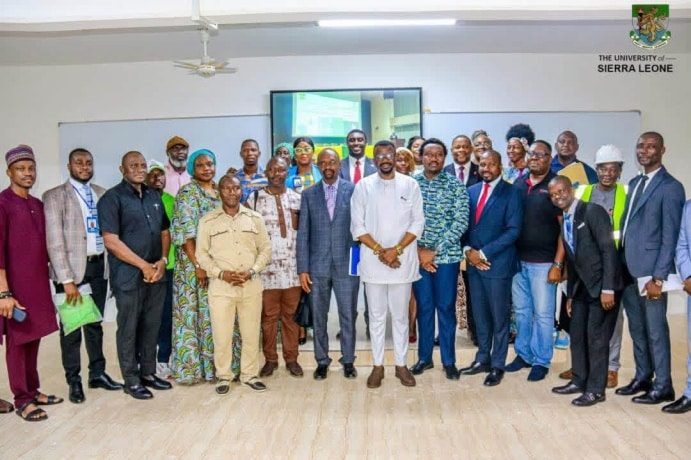
Amnesty International Sierra Leone has presented findings and proposed reforms from its nationwide consultation on Part III of the Public Order Act of 1965, which regulates public processions and demonstrations.

The findings were presented on Tuesday, September 29, 2026, at a validation workshop at the New Brookfields Hotel in Freetown. The engagement brought together policymakers, parliamentarians, civil society organisations, political parties, trade unions, universities, traditional leaders, youth organisations and other stakeholders.

The consultation was conducted in Freetown, Makeni, Kenema, Kambia and Bo by Amnesty International Sierra Leone's legal consultants to gather views on the enforcement of Part III and possible reforms.

A key finding was the concern over the discretionary power of the police to approve or prohibit public processions. Civil society stakeholders consulted across Freetown and the provinces supported a shift from an approval based system to a notification based framework, while state institutions generally defended the existing system but acknowledged the need for greater clarity and accountability.

The findings also highlighted concerns from provincial stakeholders over access to the police leadership in Freetown and reported inconsistencies between decisions at the central level and the conduct of lower ranking officers in the field.

The report further identified the lack of clear definitions for terms including “procession”, “protest” and “demonstration” as an area requiring attention.

Among the proposed reforms is a transition to a notification based system, with a fixed notice period and a provision allowing a notified procession to proceed unless there is a lawful and reasoned objection.

The recommendations also call for objective and judicially reviewable criteria for restricting processions, expedited judicial review, decentralization of the notification process to regional and local authorities and independent oversight of police conduct.

The report further proposes removing imprisonment as a sanction for failure to notify and seeking Supreme Court interpretation of the term “notification” as used in Part III.

Opening the workshop, Acting Executive Director of the Centre for Accountability and Rule of Law, Jeremy Simbo, who chaired the event, said the state has a responsibility to prevent violence and disorder while ensuring that public spaces are used safely and responsibly.

Jeremy Simbo said maintaining public order should be balanced with the protection of human rights and political participation. He said the review provided an opportunity to examine whether the existing legal framework remains appropriate and consistent with the country's legal obligations.

He stressed that the process should be guided by evidence, expert knowledge and broad public participation, adding that constructive differences among stakeholders could help strengthen the final report.

Jeremy Simbo said the validation exercise was important in determining whether the evidence gathered during the nationwide consultations and the proposed recommendations were clear, realistic and capable of contributing to sound policy and legislative discussions.

Amnesty International Sierra Leone Executive Director, Solomon M. Sogbandi, said peaceful assembly is an important part of democratic participation, allowing citizens to express their views, participate in public affairs and demand accountability.

He said the existing framework gives the police significant discretion in regulating processions and stressed that restrictions on peaceful assembly should be based on clear, objective, necessary and proportionate criteria.

Solomon Sogbandi said the consultations had also considered comparative practices and international standards, including notification based systems, risk assessments, dialogue between organizers and police, and independent oversight.

He said the proposed reforms should balance the state's responsibility to maintain public order with the protection of citizens' rights to peaceful assembly and participation.

The recommendations will undergo further stakeholder review and validation before Amnesty International Sierra Leone finalizes its report on the consultative process. https://thecalabashnewspaper.com/archives/65014


Congo/Pawpaw Community Appeals for Justice Over Land Dispute
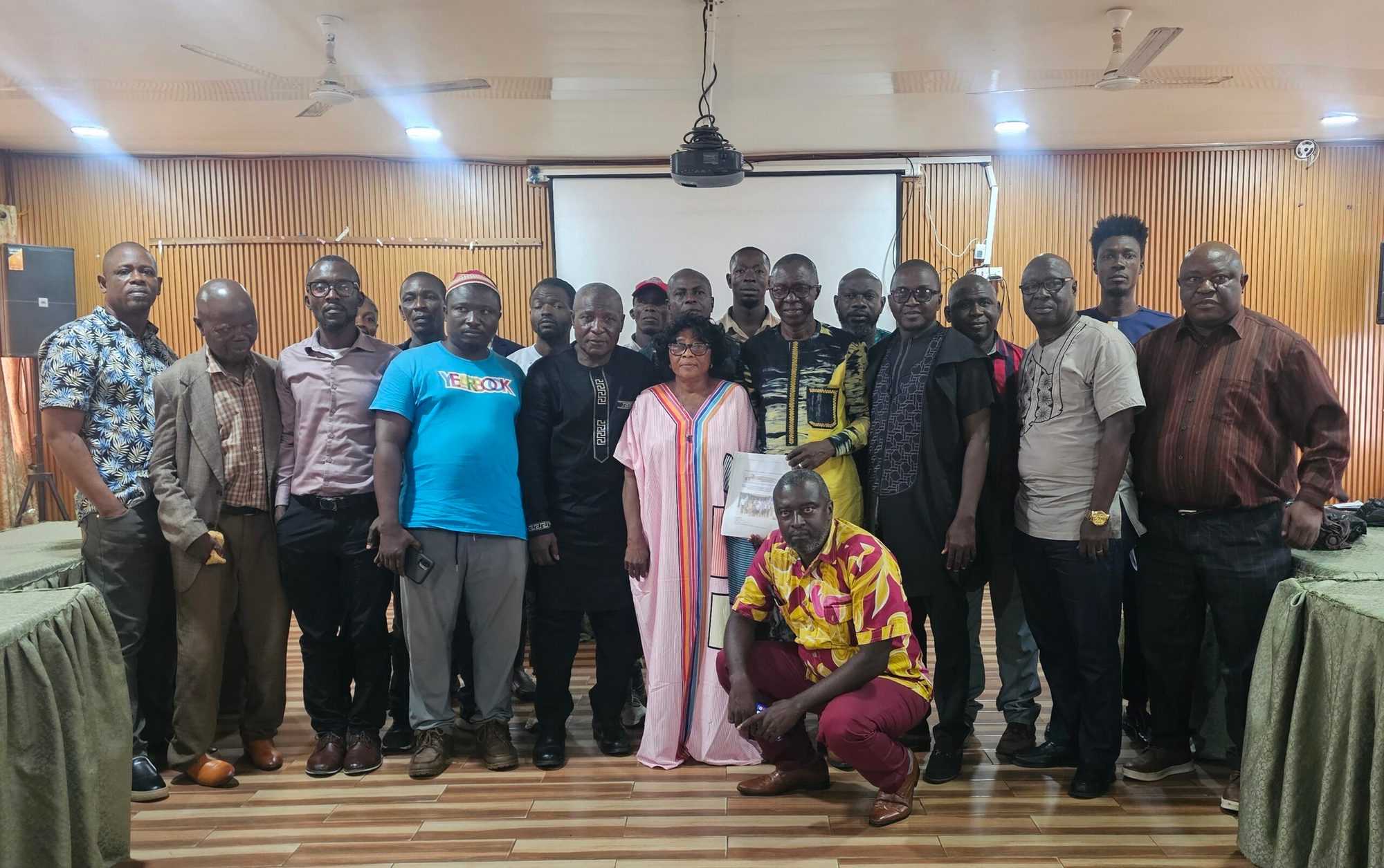
Residents and representatives of the Congo/Pawpaw community have appealed for justice and a peaceful resolution to a longstanding dispute over land involving the community and the military.

The appeal was made on Monday, September 28, 2026, during a Press Conference organized by Amnesty International Sierra Leone at the Council of Churches in Sierra Leone Hall on Kingharman Road in Freetown.

Speaking at the Press Conference, Headman of the Congo/Pawpaw Community, Umaru Bah, said the community had maintained a longstanding connection to the disputed land and had engaged Government institutions over the matter.

Umaru Bah said residents of the community have documents relating to its claim and that parliamentary representatives had visited the area to examine the matter.

“We are not against development. What we are saying is that our rights must also be respected,” Umaru Bah said.

He appealed for the dispute to be addressed through dialogue and the appropriate legal processes, saying the matter continues to affect members of the community.

Former parliamentarian, Hon. Mark Mahmoud Kalokoh, called for the issue to be examined through the appropriate institutional processes.

Hon. Mark Mahmoud Kalokoh referred to a report concerning the community and the military which he said was laid before Parliament on April 5, 2023.

He stressed the importance of examining the available records and evidence surrounding the matter, rather than allowing the dispute to become a political issue.

“The people are the source of public authority,” Hon. Mark Mahmoud Kalokoh said while emphasizing the responsibility of public institutions to address matters affecting citizens through established processes.

Lt. Col. (Rtd) Abu Bakarr S. Kamara, who was the first Commanding Officer of the Peace Mission Training Centre, spoke about the history and purpose of the institution.

According to him the centre was established to provide training for military personnel, particularly in relation to peace support operations.

He also stressed the importance of understanding the history of the institution and the land associated with it when considering the concerns being raised by the community.

Government records indicate that the Peace Mission Training Centre at Hastings was established to strengthen the training and preparation of personnel for peace support operations.

Amnesty International Sierra Leone Executive Director, Solomon M. Sogbandi, said the concerns raised by the community require attention and proper engagement among the relevant stakeholders.

Solomon Sogbandi emphasized the importance of documentation, access to information and clarity concerning the status of the disputed land and activities taking place there.

He called for the concerns of affected communities to be properly documented and addressed through appropriate processes.

Residents who spoke at the Press Conference also made allegations of mistreatment, including claims that some community members had been beaten and detained.

The residents called for their accounts to be investigated and for due process to be followed in determining the facts.

The dispute is taking place within Sierra Leone's current land governance framework, which includes the National Land Commission Act 2022 and the Customary Land Rights Act 2022. The National Land Commission Act provides for institutions responsible for land administration and mechanisms for addressing land related disputes.

The community's central appeal at the Press Conference was for justice through a lawful and peaceful process.

The residents called on the relevant authorities to examine the competing claims, consider the available documentation and ensure that the dispute is resolved through due process. https://thecalabashnewspaper.com/archives/65009


CEEPARD Supports 2,500 Vulnerable Children with Learning Materials in Waterloo
The Center for Empowerment, Education, Peace and Agriculture for Rural Development (CEEPARD) Sierra Leone, in collaboration with its partners, has concluded the sixth edition of its Summer School Livelihood Support Programme, reaching 2,500 less-privileged children and women-led households across communities in the Western Area Rural District.

The 2026 programme ended on Tuesday, September 22, with a donation and distribution ceremony at the Bassa Town Field in Waterloo, bringing together children, parents, teachers, partners and community stakeholders.

Implemented under the theme, “The 17/7 Principle: An Assurance to Achieve All Round Academic Excellence Through Societal Synergies,” the initiative provided free intensive summer classes and educational materials to children from vulnerable backgrounds.

According to CEEPARD Sierra Leone, beneficiaries received school bags, books, pens, pencils and geometry sets, while selected children who walk long distances to school were provided with bicycles to ease their movement to and from school.

The programme was implemented through six school centres: GEM School in Mabureh Community, REC School in Bassa Town, Sahid High School in Bassa Town along Old Road, Liverpool Islamic School in Grass Field, Memzo Memorial Community School in New London and the Islamic Foundation in Masorie.

Speaking during the distribution ceremony, CEEPARD Sierra Leone Deputy Executive Director, Ing. Mohamed Osman Mansaray, said the initiative was designed to support less-privileged children and help address some of the challenges preventing them from attending or remaining in school.

He disclosed that CEEPARD supported 1,500 pupils during the 2025 edition of the programme but increased the number of beneficiaries to 2,500 in 2026, reflecting the organisation’s efforts to reach more vulnerable children in Waterloo and surrounding communities.

“We have a lot of school-going pupils that drop out because they say they don’t have bags, pens or pencils to go to school,” Ing. Mohamed Osman Mansaray said.

He explained that CEEPARD considers the programme part of its contribution towards expanding access to education and complementing national efforts to improve educational opportunities for children, particularly those from disadvantaged communities.

Ing. Mohamed Osman Mansaray urged parents and guardians to ensure that the educational materials provided are properly used for their intended purposes. He also appealed to organisations, individual donors and development partners to continue supporting the initiative, noting that additional resources would enable CEEPARD to reach more beneficiaries.

Executive Director of CEEPARD Sierra Leone, Hamid Ibrahim Sesay, reaffirmed the organisation’s commitment to supporting children and vulnerable communities facing difficulties in accessing educational opportunities and essential learning materials.

He said the completion of the 2026 programme should not be viewed as the end of the organisation’s intervention but as another important step towards expanding its educational support.

“The successful completion of the 2026 programme is not the end of the journey. It is another step towards reaching more children, strengthening educational opportunities and building stronger communities through collective action,” Hamid Ibrahim Sesay stated.

According to him, the 2,500 children reached through this year’s programme represent a shared commitment among CEEPARD Sierra Leone, its partners and community stakeholders to invest in education and improve opportunities for vulnerable children.

Hamid Ibrahim Sesay expressed appreciation to donors, development partners and other stakeholders for their continued support, saying their contributions remain important to the organisation’s efforts to invest in children and strengthen communities.

He also commended CEEPARD Sierra Leone’s volunteers, interns and ambassadors for their role in implementing the programme, describing their commitment and service as critical to its success.

“You are the bedrocks of CEEPARD Sierra Leone,” he said, while thanking the volunteers, interns and ambassadors who participated throughout the summer school programme.

Hamid Ibrahim Sesay further acknowledged the support of COFA, Ing. Mohamed Osman Mansaray, Hon. Ahmed Joseph Kanu, Madam Tarneh Kumba Koroma, Abdulai Amadu Bangura, Mr. and Mrs. Sinneh Bangura and the Managements of the participating schools.

Special recognition was also given to Madam Hellen Galband of COFA International, who travelled from the United States and was acknowledged for her continued support and encouragement of CEEPARD Sierra Leone’s activities in Waterloo.

The Executive Director additionally recognized Abdul Karim Kamara, popularly known as Stylish, Abdul Hassan Kamara and members of the team from Lunsar for their contributions towards the implementation of the programme.

With the number of beneficiaries increasing from 1,500 in 2025 to 2,500 in 2026, CEEPARD Sierra Leone said it intends to further expand the Summer School Livelihood Support Programme in subsequent years, depending on the availability of resources and continued support from partners and donors. https://thecalabashnewspaper.com/archives/65004


ICPNC Executive Secretary Takes Sierra Leone’s Peace Model to UNGA81 Global Stage
Sierra Leone has used the 81st Session of the United Nations General Assembly (UNGA81) to highlight its evolving approach to peacebuilding, calling for stronger national and community-based mechanisms capable of detecting and addressing tensions before they develop into violent conflict.

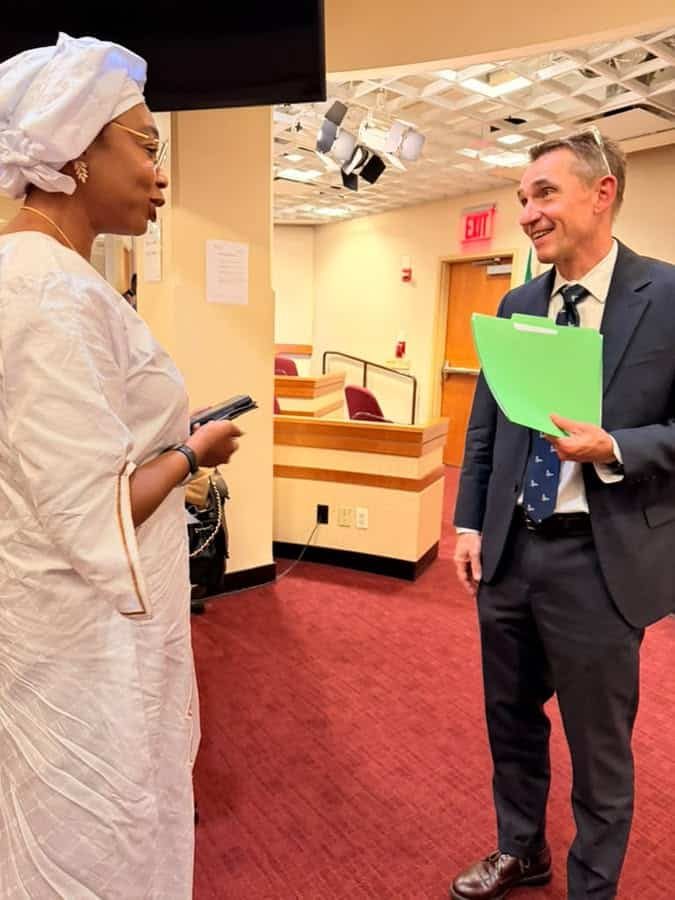
The country’s experience was presented during a High-Level Ministerial Side Event on “African Leadership and Partnerships for Prevention and Peacebuilding: Advancing National Peace Infrastructures,” held on 25 September 2026 at the African Union Mission in New York.

Executive Secretary of the Independent Commission for Peace and National Cohesion (ICPNC), Hawa Sally Samai, represented Sierra Leone on the panel, where she outlined how the country has gradually moved from post-war reconstruction towards a prevention-focused approach to sustaining peace and national cohesion.

The high-level engagement was convened by Egypt and Kenya in collaboration with the United Nations Peacebuilding and Peace Support Office and the African Union. It attracted representatives from African Governments, the United Nations, the Peacebuilding Fund, Open Society Foundations and other development partners.

Discussions centred on strengthening African-led peacebuilding mechanisms and ensuring that countries have effective institutions capable of responding to emerging disputes and grievances at an early stage. Participants also considered ways of translating the outcomes of the 2025 Peacebuilding Architecture Review into concrete national interventions supported by reliable partnerships and sustainable financing.

Drawing on Sierra Leone’s post-war experience, Hawa Sally Samai explained that the country’s peacebuilding priorities have changed considerably since the civil war ended more than two decades ago.

During the immediate post-war years, efforts were largely directed towards reconciliation, rebuilding state institutions, strengthening democratic governance, promoting human rights and restoring confidence among communities affected by the conflict.

With those foundations established, attention has increasingly shifted towards preventing future instability by strengthening national resilience, community participation, dialogue and mechanisms for addressing disputes before they become serious security threats.

Hawa Sally Samai said the challenge facing Sierra Leone today is no longer limited to rebuilding after conflict but also ensuring that the conditions capable of producing another conflict are identified and addressed early.

She maintained that effective conflict prevention cannot operate solely from national institutions in the capital, stressing that peacebuilding structures must extend to communities where grievances and tensions often first emerge.

According to her, women, young people, traditional authorities and Civil Society Organisations have particularly important roles to play because of their direct interaction with communities and their ability to recognize early warning signs.

Connecting those community-level observations with institutions capable of responding through dialogue, mediation and peaceful dispute resolution, she noted, is essential to an effective national prevention system.

Sierra Leone has benefited from a longstanding relationship with the United Nations Peacebuilding Fund, which has supported peacebuilding initiatives in the country since 2007.

That cooperation has covered areas including reconciliation, governance, human rights, social cohesion, conflict prevention and resolution, as well as programmes aimed at increasing the participation and empowerment of women and young people.

Despite the importance of international assistance, Hawa Sally Samai emphasized that lasting peace cannot depend indefinitely on externally driven interventions.

“Peacebuilding works when it is nationally owned but internationally supported,” she told the gathering.

She urged development partners to place greater emphasis on building institutions and capacities that remain functional after individual projects and funding arrangements have ended.

Hawa Sally Samai also called for a longer-term approach to financing peacebuilding and conflict prevention, arguing that establishing institutions may be possible within the lifespan of a project, but developing public trust, durable relationships and effective national capacity requires considerably more time.

She therefore underscored the need for financing arrangements that are predictable, flexible and capable of supporting long-term national prevention priorities rather than concentrating exclusively on short-term interventions.

Sierra Leone’s participation in the New York engagement highlighted the lessons of a country that has travelled from armed conflict through reconstruction and reconciliation towards a broader national effort to institutionalize peace.

More than two decades after the war, the country is increasingly placing prevention at the centre of its peacebuilding agenda, recognizing that maintaining stability requires continuous attention to grievances, social pressures and emerging challenges.

The message presented at UNGA81 was that peace should not only be protected after a crisis has occurred but continuously strengthened through institutions capable of listening, mediating and responding before disagreements escalate.

Hawa Sally Samai concluded by stressing that international partnerships should complement, rather than replace, national responsibility for sustaining peace.

“We are not asking you to build peace for Sierra Leone. Sierra Leoneans have built the peace. We are asking you to help us sustain it,” she stated. https://thecalabashnewspaper.com/archives/65001


SLAJ President Demands Greater Information Access, Defends Journalists’ Independence
The Sierra Leone Association of Journalists (SLAJ) has reaffirmed its commitment to promoting universal access to accurate, timely and credible information, describing the right to information as fundamental to democracy, accountability and meaningful public participation.

The Association made the commitment as Sierra Leone joined the global community on 28 September 2026 to commemorate the International Day for Universal Access to Information under the theme: “Upholding Information Integrity in the Digital Age: The Role of Access to Information in Addressing Information Disorder.”

SLAJ President, Alhaji Manika Kamara, said journalists have a responsibility to verify information, uphold professional and ethical standards and provide the public with accurate and contextualized reporting. He, however, stressed that journalists cannot effectively perform that responsibility without timely access to credible information and responsive public institutions.

“As journalists, we have a responsibility to verify information, uphold professional and ethical standards and provide the public with accurate and contextualized information. But journalists cannot effectively perform that role without timely access to credible information and responsive public institutions,” Alhaji Manika Kamara stated.

SLAJ noted that the rapid expansion of digital platforms has created significant opportunities for citizens to access, produce and share information. At the same time, the Association said the digital transformation has intensified challenges associated with misinformation, disinformation and malinformation.

According to Alhaji Manika Kamara, greater access to reliable information from public institutions remains critical to confronting those challenges and protecting the integrity of information available to the public.

“When accurate information is accessible, false information has less room to thrive. Transparency is one of our strongest defences against information disorder,” he said.

The SLAJ President further maintained that information integrity begins with access, arguing that openness by Government institutions provides citizens and journalists with credible information against which questionable claims can be assessed.

“Information integrity begins with access. When Governments communicate openly and institutions provide timely information, citizens are better equipped to distinguish facts from falsehoods,” Alhaji Manika Kamara stated.

Against that backdrop, SLAJ called on public institutions to strengthen compliance with their access-to-information obligations, proactively disclose information of public interest and cultivate a stronger culture of openness, accountability and transparency.

The Association also urged journalists and media organisations to continue observing professional standards in gathering, verifying and disseminating information. It similarly called on technology platforms and citizens to exercise responsibility in producing, sharing and consuming information, particularly within the rapidly evolving digital environment.

SLAJ maintained that tackling information disorder requires collective responsibility involving Government institutions, journalists, media organisations, technology platforms and citizens.

“The fight against information disorder is not the responsibility of journalists alone. It requires Government, the media, technology platforms and citizens to collectively defend the public’s right to know and the integrity of information,” Alhaji Manika Kamara said.

SLAJ’s renewed emphasis on access to information comes against the backdrop of its continuing advocacy for journalists to have unhindered professional access to public institutions.

On Friday, 25 September 2026, Alhaji Manika Kamara called on the Speaker of Parliament to reconsider the decision barring journalist Melvin Tejan Mansaray from entering the premises of the Parliament of Sierra Leone.

He made the appeal while addressing members of the Sierra Leone Parliamentary Press Gallery during their Extraordinary General Meeting at Committee Room 1 of the Parliament Building. The meeting was held under the theme: “From Draft to Covenant: Securing the Gallery’s Future.”

Addressing journalists at the meeting, Alhaji Manika Kamara emphasized that the media is not an extension of Parliament’s Public Relations wing but an independent institution with a public-interest responsibility to inform citizens and hold public institutions accountable through professional journalism.

While defending journalists’ right to carry out their work, the SLAJ President equally urged members of the Parliamentary Press Gallery to maintain the highest standards of professionalism, fairness, accuracy and integrity.

He reminded journalists covering Parliament that their professional responsibility is not to represent political parties or partisan interests but to serve the people of Sierra Leone by providing credible and balanced information on matters of public interest.

Alhaji Manika Kamara reaffirmed SLAJ’s commitment to constructive engagement with Parliament and other public institutions while defending the professional independence of journalists and their ability to access information and report in the public interest.

The Association said the principles of access, transparency and responsible journalism remain particularly important in the digital age, where information can spread rapidly and inaccurate content can potentially undermine public trust.

SLAJ therefore stressed that strengthening access to credible information, protecting professional journalism and encouraging greater institutional transparency are essential to building an informed society and safeguarding the public’s right to know. https://thecalabashnewspaper.com/archives/64998


BB Energy LPG Project Sparks Calls to Protect Sierra Leonean Businesses from Market Displacement
 

Plans involving global energy company BB Energy in Sierra Leone’s Liquefied Petroleum Gas sector are raising an important question about the future of indigenous businesses that have invested heavily in building and sustaining the country’s LPG market over several decades.

The concern follows discussions between the Sierra Leone Ports and Harbours Authority (SLPHA) and BB Energy on an offshore logistics arrangement intended to support LPG supply to a planned power generation facility.

The September 23, 2026 discussions examined possible delivery arrangements, including weekly calls by large LPG carriers and the use of smaller shuttle vessels carrying approximately 3,000 to 5,000 deadweight tonnes from an offshore mother vessel. Maritime issues involving anchorage, Ship-to-Ship operations, bunkering and other offshore services were also discussed.

While investment capable of expanding electricity generation and improving energy security should ordinarily be welcomed, the development also highlights the need for Government and regulators to ensure that major foreign investments do not unintentionally weaken indigenous companies that have spent years developing Sierra Leone’s LPG industry.

Of particular concern to existing operators is the apparent absence, based on information presently available, of broad consultation with indigenous LPG businesses before discussions reached this stage. These companies have invested millions in storage, cylinders, transportation, distribution networks, safety systems and employment while carrying much of the country’s LPG demand for decades.

BB Energy is not a small entrant. Its 2026 company profile says the group traded approximately 34.5 million metric tonnes of petroleum products and liquid gases in 2025 and generated revenues of about US$21.45 billion. Such financial and logistical strength inevitably creates questions about whether smaller Sierra Leonean businesses could compete on equal terms if the company’s operations eventually expand beyond supplying the proposed power plant.

Those concerns deserve particular attention because BB Energy itself describes the Sierra Leone power project as an anchor for wider LPG supply. Its company information states that it is an investor in the Nant power project and holds the contract to supply LPG, while its earlier corporate profile said the project could create infrastructure for broader LPG supply in Sierra Leone.

There is nothing inherently wrong with foreign investment or increased competition. Indeed, additional infrastructure, reliable supplies and competitive pricing could benefit consumers. The real issue is whether expansion will take place within a framework that allows indigenous businesses to participate rather than gradually being displaced by a multinational possessing vastly greater access to capital, international shipping, storage and supply chains.

Experiences elsewhere in West Africa demonstrate why market structure matters. Ghana has maintained a diverse downstream sector involving local and international operators. Official industry data showed 157 oil and LPG marketing companies actively marketed petroleum products during the second quarter of 2023, illustrating the importance of maintaining competition rather than allowing excessive concentration.

Sierra Leone already has a legal and institutional framework intended to protect local participation. The Sierra Leone Local Content Agency states that its objectives include prioritizing Sierra Leonean companies in contracts and developing domestic participation across petroleum, maritime, transportation and energy sectors. The Local Content Agency Act was specifically established to promote greater ownership and control of productive sectors by Sierra Leoneans.

Authorities should therefore ensure meaningful engagement among BB Energy, existing LPG companies, SLPHA, the National Petroleum Regulatory Authority and the Sierra Leone Local Content Agency before arrangements capable of reshaping the domestic LPG market are finalized.

Sierra Leone needs foreign investment, but attracting international capital should not mean sacrificing businesses that invested when the market was smaller and considerably more difficult. Development becomes more sustainable when foreign expertise and capital strengthen indigenous enterprise instead of overwhelming it.

The challenge is therefore not whether BB Energy should invest, but how Sierra Leone can structure that investment so that cheaper energy, electricity generation and improved infrastructure go hand-in-hand with protecting competition, local investment, employment and meaningful Sierra Leonean participation in the LPG value chain. https://thecalabashnewspaper.com/archives/64995


Investigation Raises Questions Over Fake RR-Branded Cables Sold by Peak Electrical
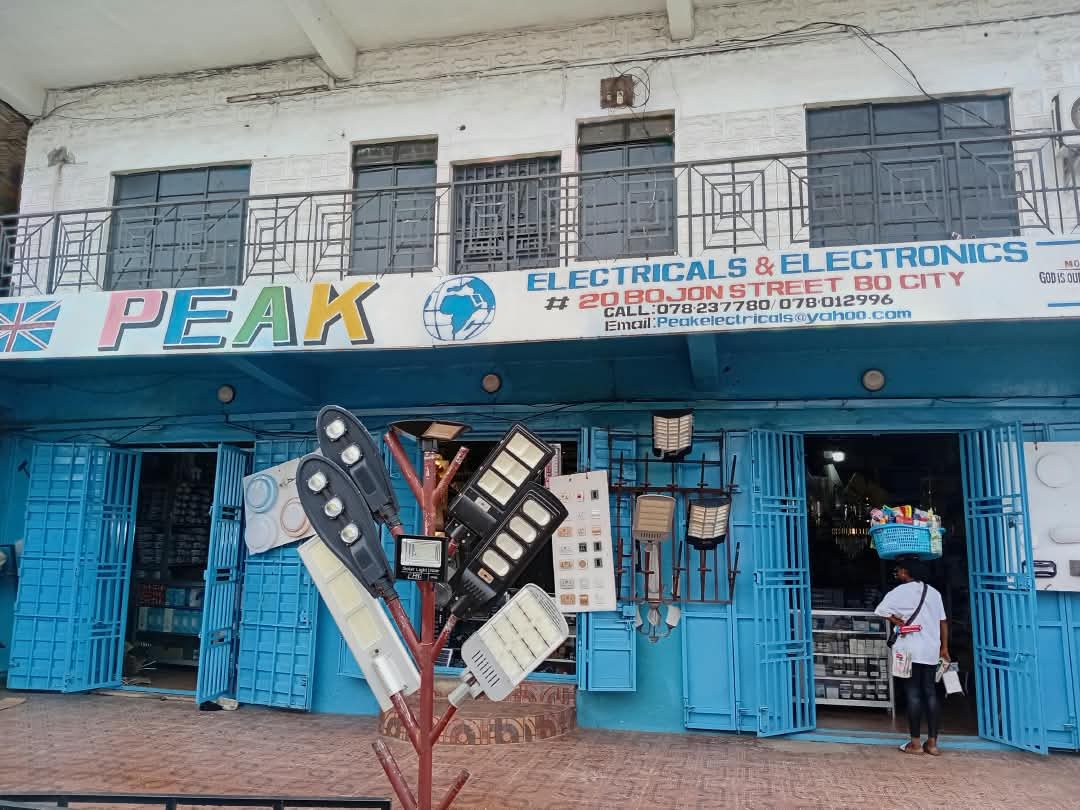
An investigation by The Calabash Newspaper has placed Peak Electrical/Electronic under scrutiny over allegations that the company is involved in the importation and sale of electrical cables suspected of being counterfeit products bearing the RR Cables brand.

Peak Electrical/Electronic, reportedly owned by Ogha Toochukwu and Samuel, is a Nigerian-owned business operating in Sierra Leone, with its head office situated on 17 Regent Road, by Goderich Street in Freetown. Questions have emerged over the origin and authenticity of RR-branded cables allegedly being sold through the company’s outlets and whether the products meet recognized electrical safety and quality standards.

Information gathered during the investigation indicates that Peak Electrical/Electronic operates from several locations across Sierra Leone, particularly in Freetown, Bo and Kenema.

Locations identified during the investigation include 38 Dambala Road, Bo, opposite Albertson Supermarket; 32 Dambala Road, Bo; Box Point, 20 Bojon Street, Bo; and an outlet beside Union Trust Bank on 5 Jany Street, Kenema. Another location associated with the business was identified around St. James Secondary School.

During the investigation, an electrical cable carrying markings purporting to identify it as an RR Kablo product was among the items identified. While the presence of RR-related markings raises questions about the product's origin, such markings alone cannot establish whether a cable is genuine or counterfeit. A conclusive determination would require verification by the manufacturer, an authorized distributor or competent regulatory and technical authorities.

The latest development has nevertheless renewed concerns over reports of suspected counterfeit RR Cables circulating on the Sierra Leonean market and the potential risks such products could pose if they fail to meet prescribed electrical safety standards.

The Calabash Newspaper had previously investigated allegations involving businesses in Freetown suspected of dealing in counterfeit RR Cables. Information obtained during that investigation indicated that the Sierra Leone Police acted on intelligence concerning suspected counterfeit RR products and conducted operations at business premises linked to the allegations.

Several individuals were reportedly invited to the Criminal Investigation Department for questioning, while quantities of electrical cables suspected of being counterfeit RR products were reportedly seized as part of further investigations.

Those developments raised wider concerns about the channels through which electrical products of questionable origin may be entering Sierra Leone, how such products are distributed to consumers and whether existing regulatory and border-control mechanisms are sufficiently equipped to identify counterfeit or substandard electrical materials before they reach the market.

The allegations surrounding Peak Electrical/Electronic have now brought those concerns back into focus, particularly regarding RR-branded cables reportedly being offered for sale outside channels recognized by the brand's stated local distributor.

SV Electrical, which describes itself as Sierra Leone's trusted source for genuine RR Cables, has previously warned consumers about suspected counterfeit RR-branded electrical cables allegedly circulating in the country.

According to SV Electrical, it has served as the exclusive importer and distributor of authentic RR Cables in Sierra Leone since 2019. The company identifies its recognized outlets as its premises on Siaka Stevens Street in Freetown and Hastings Junction and has advised consumers to exercise caution when purchasing RR-branded products from other sources.

Concerns surrounding suspected counterfeit electrical cables extend beyond questions of branding, distribution rights and commercial competition. Electrical cables are critical components of residential, commercial and industrial installations, and their quality can have direct implications for public and property safety.

Counterfeit or substandard electrical cables may contain conductors, insulation or other materials that do not conform to the specifications associated with the products they claim to represent. Where cables fail to meet appropriate technical requirements relating to conductor quality, insulation, resistance and load-bearing capacity, there may be an increased risk of overheating, sparking, short circuits and electrical fires.

Against that background, the allegations involving Peak Electrical/Electronic raise several questions requiring clarification: Where are the RR-branded cables sold by the company manufactured? Who supplies them? Through what channels are they imported into Sierra Leone? Does Peak Electrical/Electronic have authorization to distribute products carrying the RR brand? What importation, supply or manufacturer documentation is available to establish their origin and authenticity?

Clear answers supported by documentary evidence could help establish the facts and provide reassurance or necessary warning to consumers, electricians, contractors and property developers who may have purchased the products.

Independent technical verification by the relevant authorities would also provide an objective basis for determining whether the cables identified during the investigation meet applicable quality and safety requirements. Such examination could include verification of conductor composition and dimensions, insulation quality, electrical resistance, load capacity and other relevant technical specifications, alongside scrutiny of importation and supply-chain documentation.

The matter also highlights the importance of stronger market surveillance of electrical products entering and being sold in Sierra Leone. Regulators, customs authorities and other relevant institutions have an important role in ensuring that products carrying recognised international brands are properly documented and meet applicable standards before reaching consumers.

Consumers, electricians, contractors and property developers are meanwhile encouraged to exercise caution when purchasing branded electrical materials. Buyers should obtain receipts, request information regarding the source of products and, where questions arise over authenticity, seek verification from the manufacturer, recognised distributor or relevant regulatory authorities.

The Calabash Newspaper is seeking a formal response from Peak Electrical/Electronic concerning the allegations. Among the issues requiring clarification are the origin of the RR-branded cables identified during the investigation, the company's suppliers and distribution arrangements and whether it possesses importation, manufacturer authorisation or other documentation capable of verifying the authenticity of the products.

The company should be afforded the opportunity to provide documentary evidence establishing where the cables originated, how they entered Sierra Leone and the basis upon which they are being marketed and sold under the RR brand.

Until independent technical examination or documentary verification establishes otherwise, the products identified during the investigation remain suspected counterfeit cables, while the claims against Peak Electrical/Electronic remain allegations and should not be treated as established findings of wrongdoing.

The Calabash Newspaper will continue investigating the matter in the public interest and remains open to publishing the response of Peak Electrical/Electronic, including any documentary or technical evidence the company may provide regarding the source, authenticity and quality of the RR-branded cables in question. https://thecalabashnewspaper.com/archives/64992


NRA Commissioner General Calls for Stronger Revenue Mobilisation as Familiarization Tour Begins
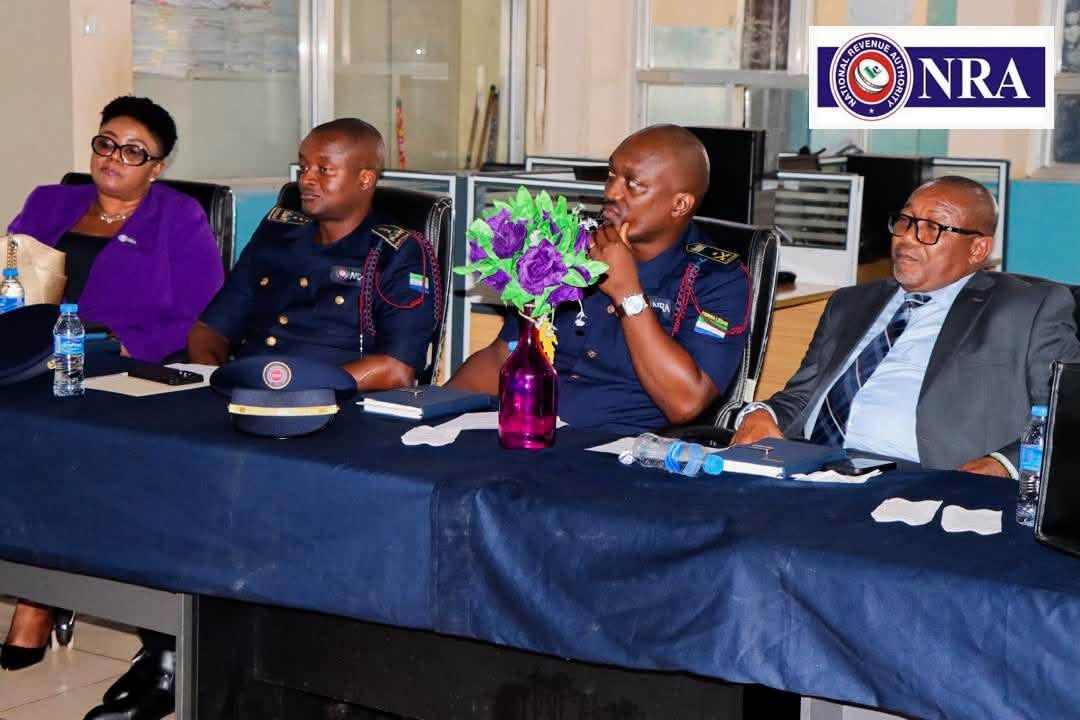
The newly appointed Commissioner General of the National Revenue Authority (NRA), Abu Martin Kanneh, has commenced an internal familiarization tour aimed at engaging personnel and strengthening cooperation across the institution in support of the Authority’s revenue mobilization mandate.

Abu Martin Kanneh began the exercise on Monday, 28 September 2026, at the Customs Services Department, Customs House in Cline Town, Freetown, where he met with staff and members of the National Revenue Authority’s senior management.

The engagement provided an opportunity for Abu Martin Kanneh to outline his expectations for the department and emphasize the important contribution of Customs Services to domestic revenue generation.

Addressing staff, Abu Martin Kanneh reflected on his longstanding association with the Customs Services Department, recalling that he started his career as a Collector and subsequently rose through the ranks to become Commissioner of Customs before assuming his current position as Commissioner General of the National Revenue Authority.

Drawing on that experience, Abu Martin Kanneh said he has a clear understanding of the responsibilities and challenges facing Customs officers, as well as the department’s strategic importance to the Government’s revenue mobilization efforts.

“I was here as the Commissioner of Customs, so I know the work you are doing. I am here now as Commissioner General and I want us to work together to achieve the mandate of the NRA,” Abu Martin Kanneh told staff.

Abu Martin Kanneh stressed that effective cooperation among staff and Management would be essential to meeting the National Revenue Authority’s targets and strengthening revenue collection.

According to Abu Martin Kanneh, the Minister of Finance has underscored the Government’s growing demand for domestic revenue, making it necessary for the National Revenue Authority, particularly the Customs Services Department, to intensify its contribution to national resource mobilization.

“The Government needs more revenue now than ever before. I am therefore calling on all of you at Customs to support us in that direction,” Abu Martin Kanneh stated.

Deputy Commissioner General I, Ann-Marie Baby Harding, encouraged employees to give their full support to Abu Martin Kanneh as he leads the National Revenue Authority in pursuing its mandate.

Ann-Marie Baby Harding placed particular emphasis on discipline, professionalism and compliance with established laws and procedures, reminding personnel of their responsibility to maintain high standards of conduct while performing their duties.

“There is no hiding place for anyone who wants to do otherwise,” Ann-Marie Baby Harding cautioned, urging staff to operate strictly within the confines of the law.

Deputy Commissioner General II, Engineer Edmond Benjamin Nonie, similarly called on personnel to remain focused on measurable performance and effective service delivery.

Engineer Edmond Benjamin Nonie said the institution must be able to demonstrate tangible results from its operations, while assuring employees that Management remains accessible and willing to engage them on issues affecting their work.

“I am particular about results. We must be able to demonstrate what we are achieving. My door is open,” Engineer Edmond Benjamin Nonie said.

Commissioner of Customs Services, Tennyson Bio, assured Abu Martin Kanneh of the department’s cooperation and support as the Commissioner General works to advance the National Revenue Authority’s objectives.

Tennyson Bio also encouraged Customs personnel to work closely with the new leadership and contribute effectively towards achieving the Authority’s revenue targets.

The familiarization exercise forms part of Abu Martin Kanneh’s efforts to engage personnel directly, understand operational realities and strengthen coordination within the National Revenue Authority.

The visit to Customs House also reinforced the central role of the Customs Services Department in domestic revenue mobilisation, while providing senior management and employees with an opportunity to discuss teamwork, accountability, professionalism and improved performance in support of the Government’s broader fiscal objectives. https://thecalabashnewspaper.com/archives/64989


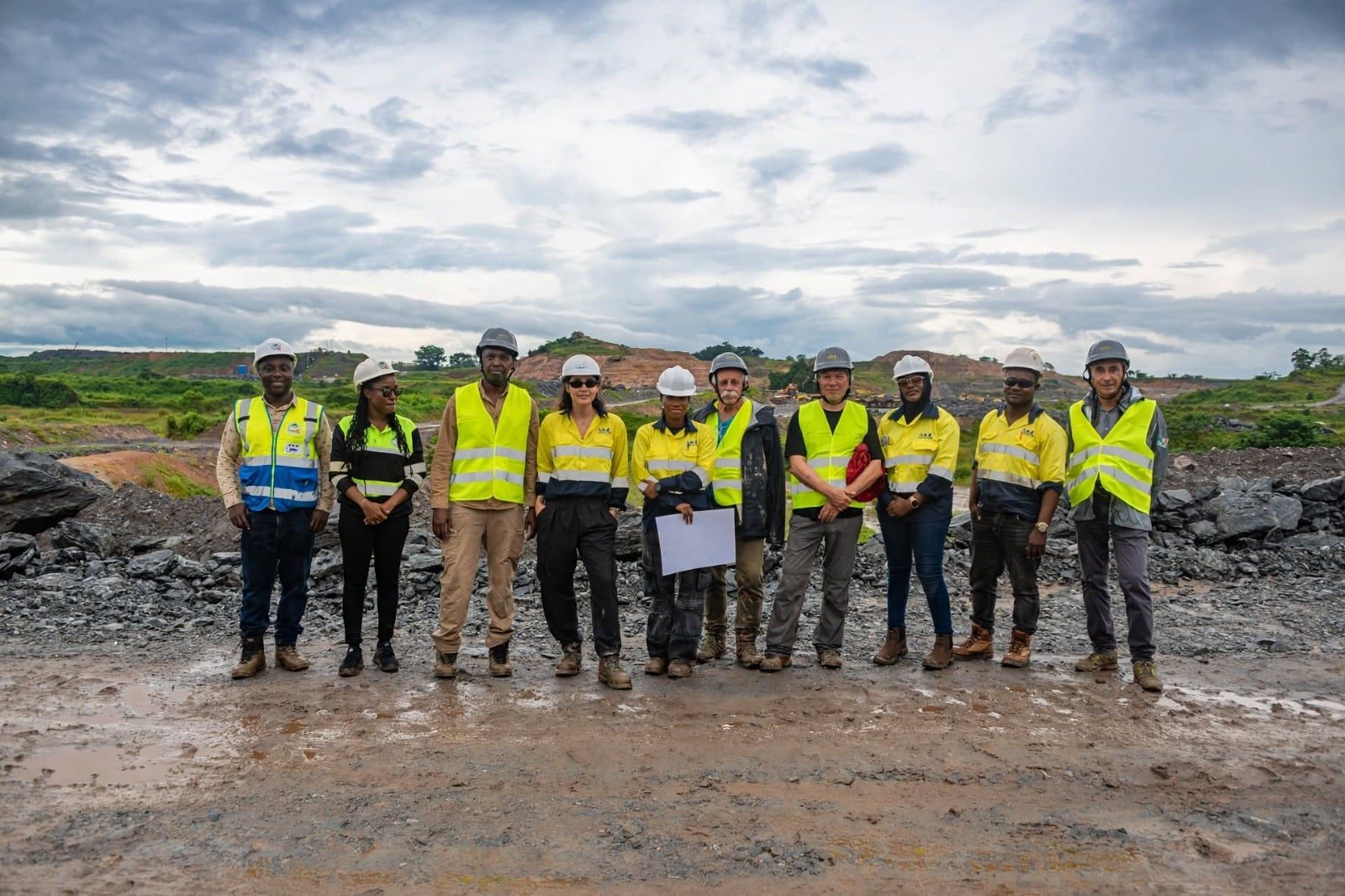
NMA to Host Sierra Leone’s First PanAfGeo Training on Geohazards, Mine Management
Sierra Leone’s National Minerals Agency (NMA) is set to host the country’s first PanAfGeo training course from December 7 to 12, 2026, bringing together geoscientists from Africa and Europe for specialised training in geohazards and mine environmental management.

Preparations for the programme followed a week-long visit to Freetown by a team of international geologists led by Professor Stanisław Wołkowicz of the Polish Geological Institute, together with Giuseppe Delmonaco and Dr. Francesco Traversa of the Geological Survey of Italy (ISPRA).

The visiting experts worked with the National Minerals Agency to assess potential field locations and make technical preparations for the training, which is expected to attract approximately 35 geologists and five expert trainers from Africa and Europe.

The programme will combine classroom instruction with practical fieldwork, giving Sierra Leonean geoscientists an opportunity to work alongside international experts and strengthen their knowledge of geological hazards, mining risks and environmental management.

Participants are expected to conduct field investigations in selected hillside areas of Freetown to examine factors responsible for slope failures and landslides. They will also undertake geotechnical assessments of exposed rock faces at amphibolite quarries and examine slope stability and waste management practices at an active hematite mining site.

The practical exercises are intended to strengthen the capacity of geoscientists to identify geological risks, assess vulnerable areas and recommend measures to reduce the impact of natural and mining-related hazards.

During their preparatory mission, the international delegation also held discussions with the National Disaster Management Agency (NDMA). The engagement focused on strengthening cooperation between geological institutions and disaster management authorities, particularly in the use of geoscience data for disaster risk reduction, preparedness and emergency response.

The initiative comes at a time when Sierra Leone continues to address the risks associated with landslides, slope instability and mining activities. Improved geological assessment and monitoring are considered important to protecting communities, infrastructure and the environment, particularly in areas vulnerable to natural hazards.

Sierra Leone’s extractive sector, which includes iron ore, diamonds, rutile, bauxite and gold, remains an important part of the national economy. Strengthening the technical capacity of local geoscientists is therefore expected to support safer and more environmentally responsible mining practices while improving the country’s ability to manage geological hazards.

The December training will also mark an important step in Sierra Leone’s participation in PanAfGeo+ 2025–2029, the third phase of the geological support programme designed to strengthen geoscientific expertise and institutional cooperation across Africa.

PanAfGeo+ is funded by the European Commission’s Directorate-General for International Partnerships and jointly managed by EuroGeoSurveys, the Organisation of African Geological Surveys and the French Geological Survey (BRGM).

Since its launch in 2016, the PanAfGeo initiative has trained more than 1,750 geoscientists across Africa, providing technical knowledge and practical skills in different areas of geoscience.

Hosting the programme will provide Sierra Leonean professionals with direct access to international expertise while strengthening cooperation between the National Minerals Agency and geological institutions across Africa and Europe. https://thecalabashnewspaper.com/archives/64983


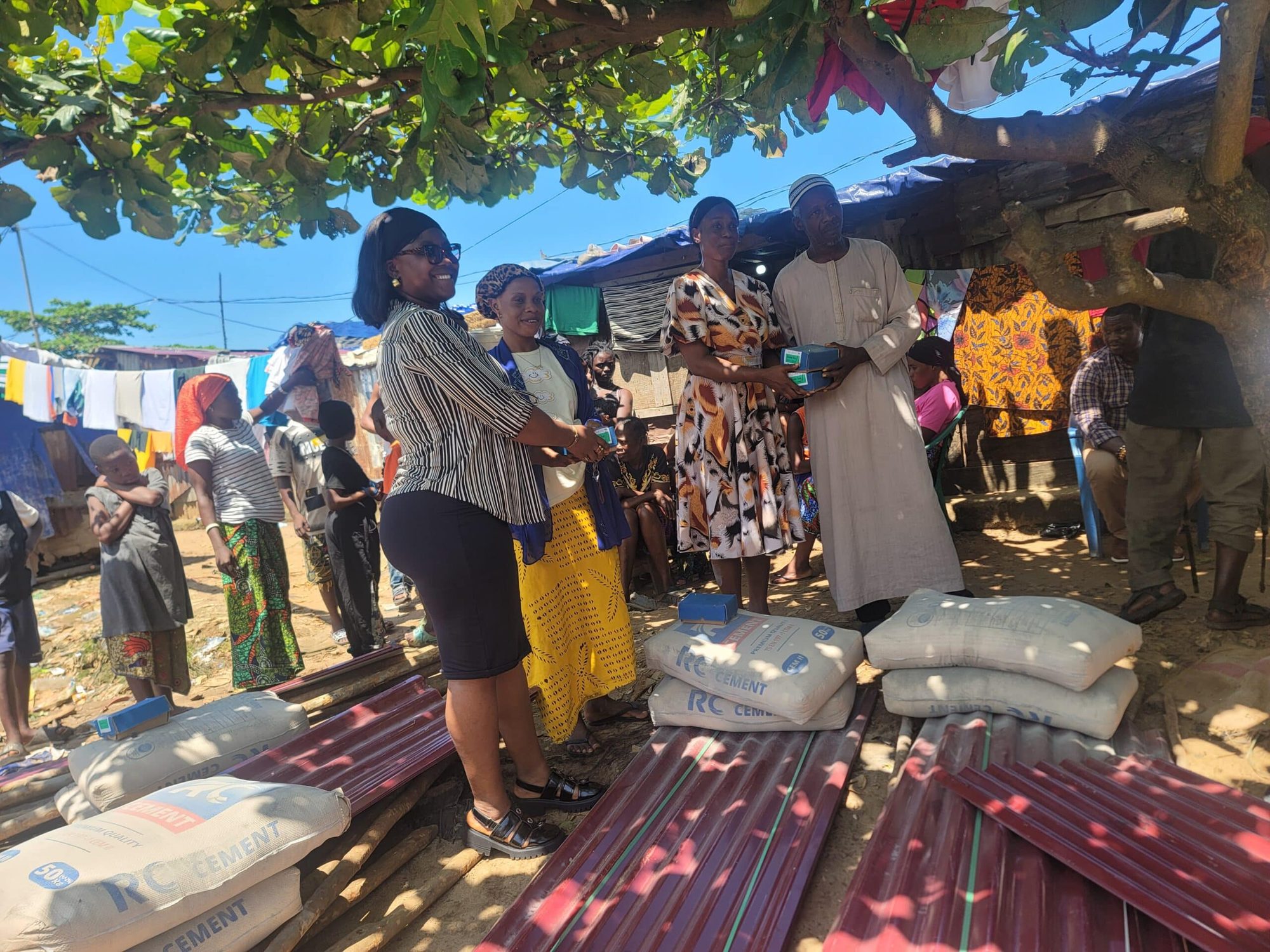
Caritas Freetown, CAFOD Donate Building Materials to 40 Households in Western Area
Caritas Freetown, with funding from CAFOD, has provided building materials to 40 vulnerable households across eight communities in the Western Area Rural and Urban District to support the repair of homes damaged by flooding and strengthen community resilience to future disasters.

The in-kind support is being provided under Caritas Freetown’s project, “Strengthening Community Flood Preparedness and Early Humanitarian Response for Vulnerable Communities and Households in Western Area Urban and Rural Districts, Sierra Leone.”

The eight beneficiary communities were Culvert, Portee, Bonga Town and Gray Bush in the Western Area Urban District, and Goderich-Crab Tong, Levuma, Waterloo-Bofla and Grafton in the Western Area Rural District received building material support under the project to strengthen flood resilience and assist vulnerable households. The support included bags of cement, zinc sheets, sticks and boxes of roofing nails, with five beneficiaries in Crab Town, Levuma Beach, among those receiving the materials.

Project Lead, Alimatu D. Turay explained that Caritas decided to provide building materials instead of cash after identifying concerns about whether cash assistance was always being used for its intended purpose.

“This time around, we changed our approach by providing building materials instead of cash support,” Alimatu D. Turay said.

She said the beneficiaries were selected based on their level of vulnerability, including households headed by widows and persons with disabilities.

“Within these communities, you have people who are more vulnerable than others. There are widows and persons with disabilities. We considered those prevailing circumstances during the selection process,” she said.

Alimatu D. Turay said the materials are intended to help beneficiaries refurbish homes damaged by flooding, adding that Caritas would return to the communities to monitor how the items had been used. “We will visit the communities after six days to monitor whether they have used the materials appropriately,” she said.

Representing the Executive Director, Rev. Fr. Paul Jusu said the donation reflects the Catholic Church’s commitment to promoting human dignity and well-being.

He encouraged beneficiaries to use the materials for their intended purpose and assured them of the Church’s continued support to vulnerable communities.

CAFOD Programme Manager for Sierra Leone and Liberia, Dennis Momoh, said his participation in the activity was aimed at assessing whether project reports reflected the situation on the ground.

Dennis Momoh expressed satisfaction with Caritas’ implementation of the project but said his visit also highlighted the need for further intervention.

“After seeing the community, there’s a need for us to do more,” he said.

He said CAFOD is willing to provide additional support but noted that funding remains a challenge. He urged beneficiaries to use the materials for their intended purpose.

Speaking on behalf of the Board, Peter Menjor praised CAFOD for providing funding to support vulnerable communities. He said part of his responsibility as a Board member is to provide oversight and ensure that project reports reflect the reality on the ground.

Peter Menjor also discouraged beneficiaries from selling the donated materials, stressing that such action would undermine the objective of the support.

Community Chief and beneficiary, Amadu Jalloh said Caritas had previously supported residents of Crab Town through a community cleaning exercise, which he said helped reduce the severity of flooding.

He said Caritas’ support to the community, including cash assistance and cleaning activities, had been consistent over the years.

Chief Amadu Jalloh assured the organisation that he would monitor the beneficiaries to ensure the materials are used for their intended purpose.

Another beneficiary, Kadiatu Yillah, expressed gratitude to Caritas and CAFOD, saying she would use the materials to restore parts of her home damaged by flooding.

She said flooding not only damages homes but also destroys household properties, making the support timely and significant.

“I pray that the Almighty continues to provide for Caritas and CAFOD so they’ll continue to help not only us, but others who are also in need of this support,” Kadiatu Yillah said. https://thecalabashnewspaper.com/archives/64977


BLP Groundnut Harvest Marks New Phase of Community-Led Agriculture in Bombali
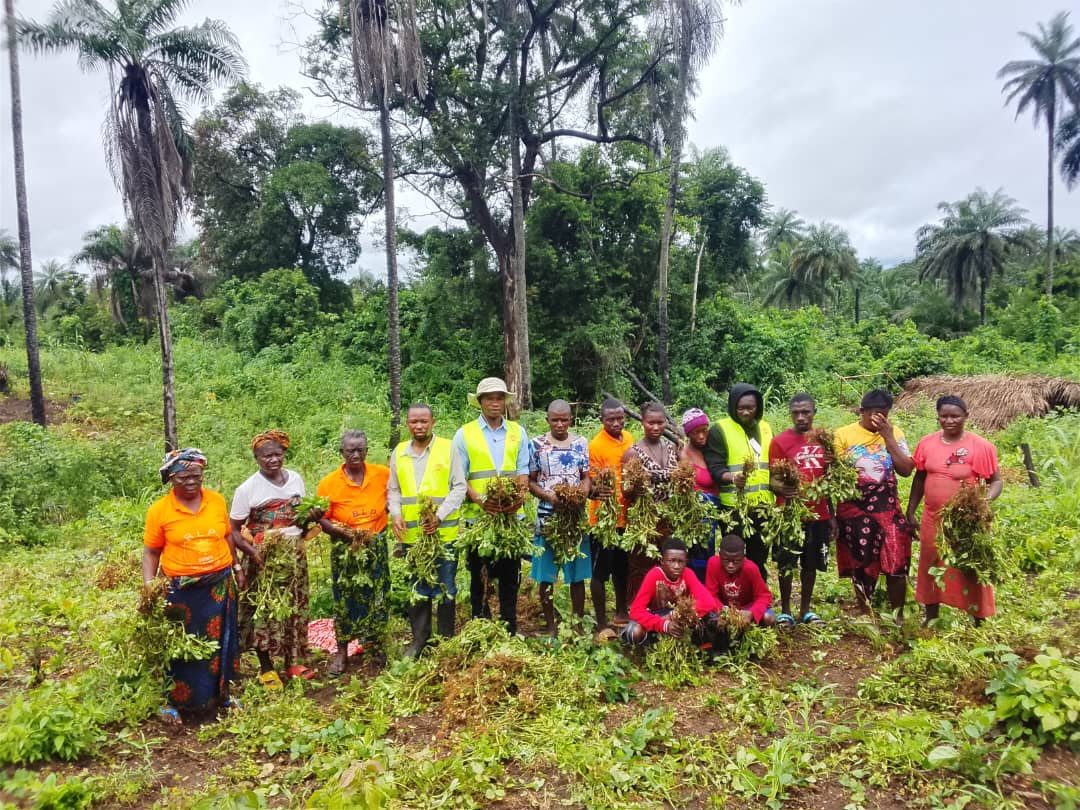
Bright Light Projects Sierra Leone (BLPSL) has completed its 2026 groundnut farming cycle at a 4.5-acre VSLA Smart Agriculture demonstration farm in Mano Community, Gbanti Chiefdom, Bombali District, marking another stage in efforts to link community savings with agricultural production and sustainable rural livelihood.

Community members joined the BLPSL team on September 24, 2026, to harvest the groundnuts following months of planting, weeding, monitoring and farm maintenance.

The farm is part of BLPSL’s VSLA Smart Agriculture Initiative, which builds on existing Village Savings and Loan Associations to help communities move beyond collective savings into productive agriculture, household income generation and rural enterprise.

BLPSL’s engagement with communities in the area dates back to 2016, when the organisation supported vulnerable children and families affected by the Ebola crisis through its Mend the Gap schooling programme.

That intervention later led to the establishment of BLP Mothers’ Clubs to strengthen caregivers and family support systems. In 2023, the organisation introduced Village Savings and Loan Associations to promote savings, financial literacy and access to community-based credit.

The VSLA Smart Agriculture Initiative is the latest phase of that community development process, connecting established savings groups with agricultural production rather than creating entirely new structures.

In Mano Community, the Chief and other community stakeholders provided farmland for the demonstration project, while residents participated throughout the farming cycle, including planting, weeding, monitoring and harvesting.

The initiative also aligns with Sierra Leone’s broader agricultural development agenda under Feed Salone, particularly efforts aimed at improving agricultural productivity, food security, climate-smart farming, access to finance and economic opportunities for women and young people.

BLPSL has been engaging the Ministry of Agriculture and Food Security in Bombali District as it develops the initiative, seeking to connect community farming activities with improved agricultural practices and the wider national push for sustainable food production.

Beyond increasing production, BLPSL intends to help organised rural communities gradually move from savings into production, aggregation, value addition, market participation and sustainable enterprise. The approach links community organisation and savings to farming, harvesting, reinvestment and eventual rural business development.

Following the groundnut harvest, BLPSL is strengthening its monitoring and accountability system to measure the results of the farming cycle. The organisation is documenting the quantity of seed distributed, number of participating farmers, acreage cultivated, total harvest, yield per acre, seed retained for future planting and how the harvested produce is eventually used.

According to BLPSL, the information gathered will enable the organisation and participating communities to assess the performance of the initiative and make informed decisions about future farming cycles.

With the groundnut season completed, attention is now shifting to cassava production. BLPSL is exploring opportunities with VSLA members and stakeholders in Mano and Rosint communities, with plans to eventually connect production with improved planting materials, climate-smart agricultural practices, processing, value addition and access to markets.

The move comes as agricultural development programmes continue to support cassava and other value chains in Sierra Leone. A Sustainable Food and Agricultural Value Chains Development programme is supporting cassava, infant food and palm oil value chains, while Welthungerhilfe, in partnership with GIZ Sierra Leone, is implementing cassava-related activities in Bo and Bombali districts focusing on nutrition awareness, local production and consumption, processing and inclusive market participation.

BLPSL believes such developments could provide opportunities for established community organisations, including VSLAs, to become part of the wider agricultural value chain emerging around cassava and other crops in Bombali District.

The organisation therefore views cassava not simply as the next crop, but as part of a longer-term strategy that could take communities from production to aggregation, value addition, market participation and sustainable rural enterprise.

BLPSL describes the approach as its “Community Resilience Pathway – From Vulnerability to Sustainable Livelihoods,” recognising that lasting community development requires sustained engagement rather than a single project cycle.

Its work in Bombali has progressively moved from supporting vulnerable children and families to organising caregivers through Mothers’ Clubs, establishing savings groups and connecting those groups with agricultural production.

BLPSL hopes lessons and evidence generated from Mano and Rosint will eventually guide the responsible expansion of the VSLA Smart Agriculture model to other communities across the five chiefdoms in Bombali District where the organisation has established relationships.

For Mano Community, the 2026 groundnut harvest therefore marks more than the completion of another farming season. It represents a further step in a development process aimed at helping rural communities use their savings, local institutions, farmland and collective participation to build stronger and more sustainable livelihoods. https://thecalabashnewspaper.com/archives/64971

Monday, 28 September 2026


Institute of Directors Sierra Leone Relaunched, Signs MoU with Chamber of Commerce & Certifies 15 Directors
The Institute of Directors Sierra Leone (IoDSL) has held its Certification and Rebirth Ceremony, marking a renewed drive to strengthen professional directorship, ethical leadership and corporate governance in Sierra Leone.

The ceremony, held on 25 September 2026 at the New Brookfields Hotel in Freetown, brought together representatives of the public and private sectors, professional institutions and the business community.

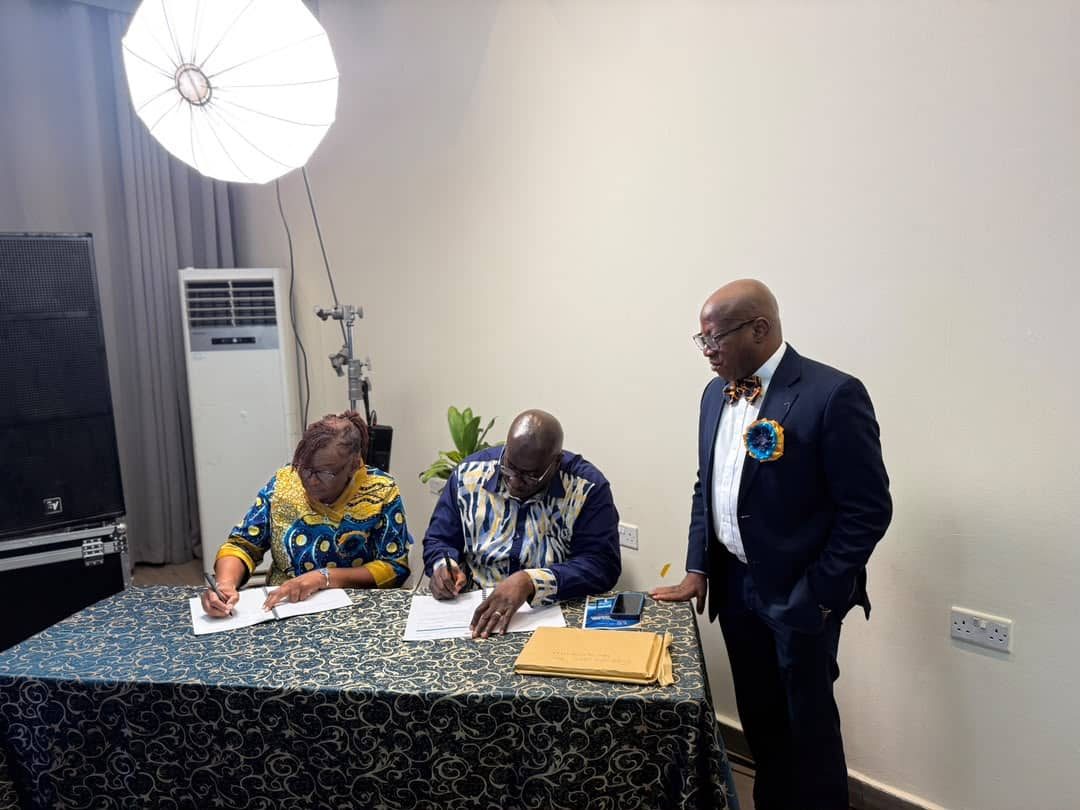
Highlights of the event included the signing of a Memorandum of Understanding between the Institute of Directors Sierra Leone (IoDSL) and the Sierra Leone Chamber of Commerce, Industry and Agriculture, alongside the certification of 15 Directors who successfully completed a corporate governance training programme.

In his opening remarks, Chairman of the Rebirth and Certification Committee, Kobi Walker, described the occasion as a significant milestone in the Institute’s history, marking a renewed sense of purpose and the beginning of a new chapter in its development.

He said IoDSL’s mandate to promote sound leadership, ethical governance, professional excellence and institutional accountability was essential to the success of businesses and institutions and to Sierra Leone’s sustainable development.

Kobi Walker said the Institute’s future depends on active membership, professionalism and a commitment to maintaining high standards of directorship and governance.

“The occasion should not be regarded as an end but as a new beginning,” he said, calling for stronger collaboration and renewed determination to build an Institute capable of making a lasting contribution to national development.

Interim President of IoDSL, Amy E. Greene, said the rebirth represents more than a celebration, as it provides an opportunity to recognize the newly certified Directors while strengthening the Institute’s role in promoting leadership, professional integrity, accountability and responsible governance.

She said IoDSL is focused on building on its legacy, increasing value for members and developing the next generation of Directors capable of strengthening businesses and institutions.

Amy E. Greene also highlighted the Institute’s growing international engagement, including its relationship with fellow the Institute of Directors and the African Corporate Governance Network. She noted that IoDSL’s recent election to the ACGN Board provided an opportunity for Sierra Leone to contribute to wider efforts to advance corporate governance across Africa.

Speaking also at the event, Vice President 1 of the Sierra Leone Chamber of Commerce, Industry and Agriculture, Dr. Modupeh Taylor-Pearce, said effective governance has become increasingly important amid competing economic, technological, social and ethical interests.

He said sound corporate governance is particularly important as Sierra Leone pursues private sector-led economic growth, adding that investment readiness and access to regulated capital markets are closely linked to the quality of governance within institutions.

Dr. Taylor-Pearce said the Chamber has been strengthening its own governance practices and believes that corporate governance certification for individuals nominated to serve on Boards should eventually become mandatory.

He said the Chamber’s position has formed the basis of its partnership with IoDSL, with the two institutions signing an MoU to strengthen collaboration.

Deputy Executive Director of the National Investment Board, Fatima Mahawa Sandi, said the rebirth of IoDSL came at an important stage in Sierra Leone’s pursuit of private sector development, investment promotion, innovation and increased participation in regional and international markets.

She said achieving those objectives requires more than capital, stressing the importance of credible institutions, ethical leadership and Directors capable of understanding their responsibilities to shareholders, employees, communities and the wider country.

Fatima Mahawa Sandi said good corporate governance is fundamental to attracting and retaining responsible investment, noting that investors consider institutional quality, predictability and governance practices when making investment decisions.

She disclosed that the National Investment Board plans to launch an online business registration system in November 2026 as part of efforts to improve corporate services and advance digital economic services.

She also called for greater collaboration between the NIB and IoDSL in areas including corporate governance training, investor relations, ethics, Board development and policy dialogue.

She also encouraged companies to comply with good governance standards and relevant provisions of the Companies Act 2009, while urging IoDSL to develop into a platform where Directors could exchange knowledge and promote high standards of governance.

The ceremony also featured a presentation by Michala Mackay titled “From Statue to Standard: The Future of Sierra Leone’s Boardrooms”, which focused attention on the need to move corporate governance beyond formal structures and into practical standards of conduct and decision making.

The presentation formed part of the broader discussion on how Directors and Boards could strengthen professionalism, accountability and effectiveness in Sierra Leonean institutions, particularly as businesses face changing economic, technological and regulatory demands.

Delivering the keynote address, Governor of the Bank of Sierra Leone, Dr. Ibrahim Stevens, said good corporate governance is fundamental to sustainable economic growth, institutional resilience and national development.

He said governance should not be treated merely as a compliance requirement but should encompass ethical leadership, accountability, transparency and responsible stewardship.

Dr. Ibrahim Stevens said strong Boards are essential to institutional resilience because they provide strategic direction, establish effective oversight, challenge Management and ensure that institutions operate sustainably.

He urged Directors to look beyond historical financial performance and pay greater attention to emerging risks, including inflation, exchange rate movements, interest rates, technology, cybersecurity and wider economic developments.

The Governor also stressed the importance of independent judgement, proper management of conflicts of interest and effective risk management.

He said Sierra Leone’s financial sector is undergoing digitalization and modernization, creating opportunities while also requiring stronger cybersecurity, data governance and technological oversight.

Dr. Ibrahim Stevens noted that the Bank of Sierra Leone’s Corporate Governance Guidelines for commercial banks and financial holding companies, which became effective in January 2024, had strengthened expectations relating to Board composition, competence, independence, committees and controlled functions.

He said Directors should regard their positions as responsibilities of trust rather than honorary appointments and should act with due care, diligence and integrity.

“Resilience begins in the Boardroom,” Dr. Ibrahim Stevens said, urging Directors to understand the risks facing their institutions, constructively challenge Management and maintain a long-term perspective.

Speaking on behalf of Vice President, Dr. Mohamed Juldeh Jalloh, Minister of Trade, Alpha Ibrahim Sesay said the rebirth of IoDSL represents an important milestone for the private sector and national development.

He commended the Institute for surviving difficult periods and congratulated the 15 newly certified Directors, stressing that their Certificates represent not only the completion of professional training but also an obligation to uphold higher standards of accountability and integrity.

Minister Alpha Ibrahim Sesay recalled that the Vice President had launched Sierra Leone’s National Corporate Governance Code in January 2019, establishing expectations for ethical leadership, accountability, transparency and effective oversight.

He said the challenge now is to move beyond having governance principles on paper and ensure that they became part of the daily conduct of institutions.

He also called on IoDSL to become a serious partner in private sector development by providing evidence-based recommendations, engaging Government early in policymaking and helping identify regulatory and administrative obstacles affecting businesses.

Minister Alpha Ibrahim Sesay also urged Directors to use their influence to strengthen domestic production, develop local suppliers and support investment in areas such as energy, infrastructure, manufacturing, digital transformation and value-added services.

He said the country’s ambition should go beyond attracting investment to creating productive capacity, generating jobs, increasing incomes and enabling Sierra Leonean businesses to compete regionally and internationally.

He further welcomed the growing participation of women in corporate leadership, noting that 10 of the 15 newly certified Directors are women, and encouraged institutions to develop stronger pipelines for women and other qualified professionals.

According to him Government remains open to evidence and recommendations from IoDSL and encouraged the Institute to maintain a constructive partnership with Ministries, regulators and other institutions whose decisions affect the private sector.

A major highlight of the programme was the presentation of Certificates to 15 Directors who successfully completed a rigorous training programme.

The ceremony concluded with a renewed call for stronger corporate governance, professional directorship and ethical leadership, with the newly certified Directors expected to apply their training in strengthening the institutions they serve and contributing to a more accountable, resilient and competitive private sector in Sierra Leone. https://thecalabashnewspaper.com/archives/64951

IPAM Commissions New Banking Facilities, Modern Lecture Rooms for Master’s Students
 

The Institute of Public Administration and Management (IPAM), University of Sierra Leone, has commissioned newly constructed banking facilities, renovated state-of-the-art lecture rooms for postgraduate students and a Students’ Information Unit as part of efforts to improve academic and financial services on campus.

The commissioning ceremony brought together senior officials from the banking and telecommunications sectors, the IPAM Alumni Association, the University of Sierra Leone, corporate partners and a delegation from the Liberia Institute of Public Administration (LIPA).

IPAM Management expressed appreciation to its corporate partners and other stakeholders for supporting the successful implementation of the projects, describing the new facilities as an important step towards improving the overall learning experience and addressing difficulties students encounter when paying tuition fees and other charges.

Management noted that postgraduate students require modern and conducive learning facilities, particularly considering the calibre of professionals pursuing Master’s programmes at the institution. It added that the newly renovated lecture rooms represent part of a broader development agenda aimed at improving academic infrastructure and services at IPAM.

Special appreciation was extended to the Vice Chancellor and Principal of the University of Sierra Leone, Professor Aiah Lebbie; the IPAM Alumni Association; Chief Executive Officer of United Bank for Africa (UBA) Sierra Leone, Mohamed Alhajie Samoura; the leadership of A Call To Business Bank (ACTB); Sierra Leone Commercial Bank (SLCB); Rokel Commercial Bank (RCB); Commerce and Mortgage Bank (CMB); Africell Sierra Leone; and JIT Capital Group for their continued support.

Dean of Postgraduate Studies at the University of Sierra Leone, Professor Ronnie Frazer-Williams, congratulated IPAM on the renovation of its postgraduate lecture rooms, stressing that a conducive academic environment is important for effective teaching and learning, particularly at the Master’s level.

The newly commissioned banking facilities are expected to accommodate Sierra Leone Commercial Bank, Rokel Commercial Bank, Commerce and Mortgage Bank and United Bank for Africa. Their presence on campus is intended to make banking services more accessible to students and staff, including the payment of tuition fees and other university charges.

Representatives of the banks and other corporate partners highlighted the importance of ensuring value for money in institutional development projects and commended IPAM for the progress made.

The ceremony also marked the commencement of business by A Call To Business Bank in partnership with IPAM, as well as the introduction of the JIT Capital Student and Staff Computer Loan Scheme. The initiatives are designed to promote financial inclusion and improve access to technology for academic and professional purposes.

Speaking on behalf of Africell Sierra Leone, Dr. Fatmatta Fatou Taqi reaffirmed the telecommunications company’s commitment to implementing its Memorandum of Understanding with IPAM.

She explained that the Africell Point of Service established at IPAM is intended to support students and staff, particularly through the Africell Closed User Group, while also facilitating tuition fee payments through Afrimoney.

Dr. Fatmatta Fatou Taqi said Africell remains committed to supporting development initiatives that complement Sierra Leone’s broader national development aspirations.

President of the IPAM Alumni Association, Rahman Tom Farmar, applauded the institution’s continued progress and reaffirmed the Association’s commitment to supporting its development.

He said the ultimate aspiration is to position IPAM to compete effectively at the global level and encouraged former students to join the Alumni Association and contribute towards the growth of their alma mater.

Rahman Tom Farmar also expressed appreciation for the confidence placed in him to lead the Association and pledged to continue steering it towards initiatives that benefit both the institution and its alumni community.

IPAM Management and staff concluded the ceremony by expressing gratitude to the University of Sierra Leone authorities, corporate partners, alumni and other well-wishers whose contributions continue to support the institution’s growth and development. https://thecalabashnewspaper.com/archives/64947


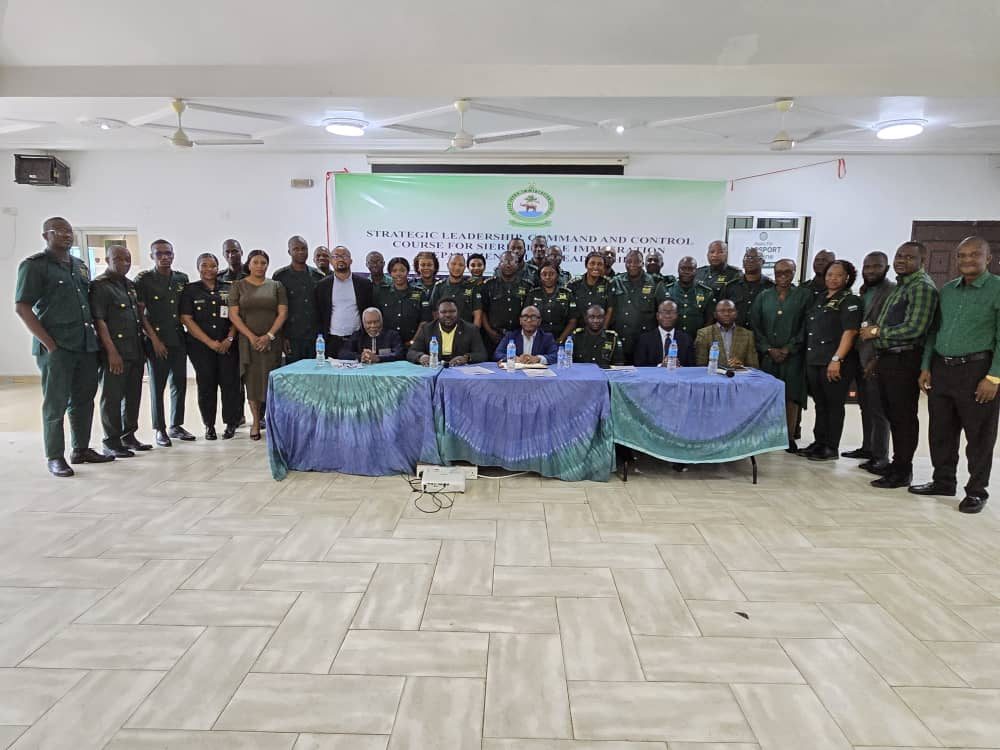
Immigration Strengthens Senior Officers’ Leadership Skills Ahead of Transition to Immigration Service
The Sierra Leone Immigration Department (SLID) has commenced a three-day Strategic Leadership, Command and Control Training programme for senior immigration officers, Regional Commanders, District Heads and Heads of Command Posts as part of efforts to strengthen leadership and advance the Department’s ongoing institutional transformation.

The training, which opened in Makeni on Thursday, 24 September 2026, is being conducted under the theme, “Commanding the Transition.” It is designed to strengthen leadership capacity, command structures, institutional discipline, accountability and strategic decision-making as SLID prepares for its transition to the Sierra Leone Immigration Service (SLIS).

Using case studies, group discussions, leadership exercises and interactive sessions, the programme provides senior officers with practical knowledge and skills to effectively manage their respective commands and contribute to the Department’s transformation agenda.

Delivering the opening remarks, Director of Finance and Administration, Swaray Junisa, welcomed participants on behalf of the Chief Immigration Officer and the Management of SLID. He underscored the importance of the training and encouraged participants to take the sessions seriously and apply the knowledge acquired to improve leadership and service delivery across the Department.

Regional Commander for the Northern Region, Osman Kamara, welcomed participants to Makeni and expressed appreciation to Management for selecting the region to host the programme. He assured participants of a conducive and secure environment throughout the training.

Speaking on behalf of the consulting team, lead consultant Tidiane Traore recalled the team’s earlier engagement with SLID in Kenema, where the Department’s strategic goals were identified. He stressed that achieving those objectives would require effective leadership and strong institutional structures.

Deputy Chief Immigration Officer, Amadu Bah, described institutional transformation as a continuous process that began with the Department’s engagement in Kenema. He noted that successive leadership teams have championed reforms but emphasized that meaningful transformation can only be sustained through effective leadership.

Amadu Bah also reminded officers that the responsibilities of the Sierra Leone Immigration Department extend far beyond passport services to include several critical immigration and national security functions. He encouraged participants to fully engage in the training and apply the knowledge gained within their respective areas of responsibility.

The programme continued on Friday, 25 September 2026, with Chief Immigration Officer, Dr. Moses Tiffa Baio, Esq., addressing participants on the importance of credible, competent and responsible leadership as SLID prepares for its transition into the Sierra Leone Immigration Service.

Dr. Moses Tiffa Baio, Esq., said the transformation requires leaders capable of managing immigration operations effectively while maintaining professional and institutional standards. He stressed the importance of a clear chain of command, defined lines of authority and effective structures to ensure discipline, order and accountability.

“Leadership is not only about the title you carry but the responsibility you bear. What matters most is how you honour that responsibility,” Dr. Moses Tiffa Baio, Esq., told participants.

He identified competence and integrity as essential foundations of effective leadership and urged senior officers to earn the respect of personnel under their command through professionalism, sound judgement and responsible decision-making.

According to Dr. Moses Tiffa Baio, Esq., leaders must also demonstrate exemplary conduct because their actions, both publicly and privately, can influence the attitudes and behaviour of officers under their supervision.

He encouraged participants to regard the training as an investment in their professional development and challenged them to transfer the knowledge acquired to officers at their respective command posts. Drawing on the biblical account of Moses leading his people towards the Promised Land, he urged officers to embrace the Department’s transformation agenda and remain committed to its institutional vision.

Proceedings on the second day also included an interactive review of lessons from the opening sessions. Amadu Bah commended participants for their active involvement and understanding of the subjects covered.

Module Four of the programme, focusing on Command and Control, was facilitated by lead consultant Laud Kwasi Ofori Affrifah, Esq., former Deputy Comptroller General of Operations of the Ghana Immigration Service.

Participants were divided into three groups and assigned separate case studies requiring them to analyse practical command challenges and propose appropriate solutions. The exercise was intended to promote critical thinking, teamwork and the practical application of leadership principles.

Discussions also focused on effective communication, clearly defined authority, responsible decision-making and accountability within the chain of command.

The three-day programme forms part of the Sierra Leone Immigration Department’s wider institutional transformation drive aimed at developing a professional, competent and accountable leadership cadre capable of delivering effective immigration services and successfully steering the transition to the Sierra Leone Immigration Service.

The training concluded in Makeni on Saturday, 26 September 2026. https://thecalabashnewspaper.com/archives/64944


Peace Commission Executive Secretary Advances Sierra Leone’s Conflict Prevention Agenda During High-Level New York Engagements
Executive Secretary of the Independent Commission for Peace and National Cohesion (ICPNC), Hawa Sally Samai, has used a series of high-level engagements in New York to advance Sierra Leone’s conflict prevention priorities, strengthen international partnerships and share the country’s experience in building sustainable peace through strong national institutions.

The engagements, held on the margins of the 81st Session of the United Nations General Assembly, brought Hawa Sally Samai into discussions with officials and experts from the United Nations Peacebuilding Fund, the New York University Center on International Cooperation (NYU CIC) and participants at the 2026 International Forum on African-Caribbean Leadership.

A major focus of the engagements was Sierra Leone’s renewed eligibility for support from the United Nations Secretary-General’s Peacebuilding Fund and the country’s efforts to develop its first National Prevention Strategy.

On Thursday, 24 September 2026, Hawa Sally Samai met with Chief of the Peacebuilding Fund, Brian J. Williams, at the United Nations Secretariat in New York, where discussions centred on Sierra Leone’s prevention priorities and the need to build sustainable national systems capable of identifying and addressing emerging risks before they develop into conflict.

The meeting provided an opportunity for Hawa Sally Samai to express appreciation to the Peacebuilding Fund and the Peacebuilding Support Office for their longstanding partnership with Sierra Leone, particularly their contribution to the country’s transition from post-war recovery towards a broader national approach to conflict prevention and social cohesion.

Sierra Leone’s eligibility for support from the Peacebuilding Fund has been renewed for another five years, through the end of 2030. The renewed partnership includes an initial US$3 million allocation to support the development and implementation of the country’s first National Prevention Strategy in collaboration with the United Nations Development Programme (UNDP), United Nations Children’s Fund (UNICEF) and UN Women.

The support is expected to strengthen efforts aimed at preventing conflict, promoting social cohesion, expanding the participation of women and young people, improving cross-border cooperation and addressing security risks associated with climate change and environmental pressures.

During the discussions, Hawa Sally Samai highlighted the conflict analysis undertaken by the Independent Commission for Peace and National Cohesion and the United Nations system, which helped inform Sierra Leone’s application for renewed eligibility.

Attention was also placed on establishing a coordinated prevention system that connects early warning mechanisms, mediation, community peace structures, women and youth networks, traditional leaders and national institutions. Such an approach is intended to ensure that emerging disputes and grievances can be identified and addressed before they escalate into violence.

Hawa Sally Samai further outlined ongoing work with the New York University Center on International Cooperation aimed at examining how Sierra Leone’s peace infrastructure could be strengthened and more firmly embedded within national institutions.

Brian J. Williams welcomed the emphasis on national ownership and sustainability, highlighting the importance of developing systems capable of continuing their work beyond the lifespan of individual projects.

The engagement also reflected on Sierra Leone’s longstanding relationship with the United Nations Peacebuilding Fund. Since 2007, the Fund has invested approximately US$84 million in Sierra Leone, supporting initiatives related to institution building, conflict prevention, social cohesion, women and youth empowerment, dialogue and community peacebuilding.

Hawa Sally Samai explained that Sierra Leone’s objective is to move beyond viewing peace simply as the absence of war and instead build a more resilient society in which institutions and communities can identify risks early, address grievances peacefully and prevent disagreements from developing into violence.

Both sides underscored the importance of continued coordination with the United Nations Country Team in Freetown and the United Nations Peacebuilding Commission in New York as work on Sierra Leone’s National Prevention Strategy progresses.

The meeting with the Peacebuilding Fund Chief formed part of a broader series of engagements undertaken by Hawa Sally Samai in New York to deepen Sierra Leone’s prevention agenda and strengthen cooperation with international partners.

On 23 September 2026, Hawa Sally Samai held discussions with Céline Monnier, Associate Director for Prevention and Peacebuilding at the New York University Center on International Cooperation and Lead of the Peace Policy Pillar at NYU PREP.

Their discussions focused on strengthening Sierra Leone’s approach to preventing conflict before tensions escalate into violence and examining how research, policy and practical experience could contribute to more effective national prevention mechanisms.

Hawa Sally Samai and Céline Monnier reflected on work undertaken by NYU CIC and its partners in Sierra Leone over the years, particularly around National Prevention Strategies, while exploring how lessons from research and practical experience could be translated into measures capable of identifying emerging risks and responding to tensions at an early stage.

The approach closely aligns with the mandate of the Independent Commission for Peace and National Cohesion, which works with communities, institutions and other stakeholders to address emerging disputes through dialogue, mediation and reconciliation. The Commission also promotes peaceful coexistence and national cohesion while supporting mechanisms designed to prevent disagreements from developing into wider conflicts.

Opportunities for continued collaboration with NYU CIC were also discussed, particularly in strengthening Sierra Leone’s existing peace structures and developing sustainable national approaches to conflict prevention.

Hawa Sally Samai subsequently took Sierra Leone’s experience to a wider international audience on Thursday, 24 September 2026, when she participated in the 2026 International Forum on African-Caribbean Leadership in New York.

Convened by the African Leadership Organisation during United Nations General Assembly Week, the forum brought together leaders from Africa, the Caribbean and the diaspora to promote cooperation around governance, development and common global challenges.

Held at the New York Marriott Marquis under the theme, “The Global African Alliance: Reimagining Solidarity, Sovereignty & South-South Cooperation,” the gathering featured discussions around stronger institutions, investment, sustainable development and cooperation across the Global South.

Participating as a special guest and panelist on Social Development, Gender and Strategic Partnerships, Hawa Sally Samai used the platform to highlight Sierra Leone’s growing emphasis on preventing conflict before tensions reach crisis level.

“Peace is not an event; it is a process that must be continuously protected, invested in and owned by the people,” Hawa Sally Samai said.

She stressed that dialogue must be supported by credible institutions, inclusive participation and sustained political commitment, pointing to the work of the Independent Commission for Peace and National Cohesion in early warning, mediation and community-based conflict prevention.

“The lesson is: build the relationships and institutions that prevent conflict before the conflict becomes a crisis,” Hawa Sally Samai stated.

Drawing on her experience in grassroots advocacy involving women and children, Hawa Sally Samai also emphasized the need for women to be recognized not merely as beneficiaries of peace and development programmes, but as decision-makers, peacebuilders and leaders with an important role in shaping national development.

She further underscored the importance of international partnerships that strengthen national institutions and local capacity without weakening domestic ownership of the peacebuilding process.

“International partners can bring resources, expertise and solidarity, but Sierra Leoneans must own the peace, lead the process and build the institutions that sustain it,” Hawa Sally Samai said.

The series of engagements highlighted Sierra Leone’s evolving approach to peacebuilding, with greater emphasis being placed on prevention, early intervention, inclusive participation and the development of institutions capable of responding to emerging threats before they undermine national stability. https://thecalabashnewspaper.com/archives/64937


NP Sierra Leone Promotes Staff Wellness Through Monthly Health Walk
 NP Sierra Leone Limited (NP-SL) has continued its commitment to staff health and wellness with its monthly health walk, bringing together employees for a physical exercise and health awareness activity on Saturday 26 September 2026.

The walk took employees from Lumley to the Aberdeen Beach Roundabout and back to Lumley, as part of the company’s ongoing efforts to promote physical fitness, mental wellbeing and a healthy workplace environment.

The exercise was followed by a health talk delivered by NP Sierra Leone’s Resident Medical Doctor, Dr. Abdul Kalokoh, who spoke on the topic, “Workplace Hazards”.

Dr. Abdul Kalokoh highlighted the need for employees to recognize workplace hazards beyond the commonly identified physical risks associated with petroleum operations. He said workplace hazards could include risks linked to oil, electricity, machinery and other equipment, while also stressing the importance of paying attention to less visible factors that could affect employees’ health and wellbeing.

He identified employees’ mindset as an important area that requires attention in addressing workplace health risks. According to him, the mindset employees bring into the workplace could influence both their mental and physical wellbeing.

Dr. Abdul Kalokoh said negative attitudes towards work could contribute to stress and other health challenges. He linked workplace pressures and attitudes to health concerns such as hypertension, while encouraging employees to maintain a positive mindset.

According to him, employees should not view the workplace solely as a means of earning money or obtaining a position, but should also seek happiness and peace of mind while carrying out their responsibilities.

Dr. Abdul Kalokoh further explained that maintaining the right mindset could help prevent mental health disorders and reduce stress in the workplace. He encouraged employees to approach their duties positively and pay attention to their mental wellbeing.

The company doctor also identified physical wellbeing as an important component of workplace health, noting that a lack of regular exercise could contribute to physical health problems, particularly among employees who spend long periods working in offices.

He therefore encouraged employees to maintain physical activity and fitness as part of efforts to promote healthier lifestyles and reduce workplace health risks.

Dr. Abdul Kalokoh also urged staff to remain conscious of workplace hazards and take appropriate precautions, stressing the importance of awareness of both visible and less obvious risks.

Speaking about the health walk, NP Sierra Leone Human Resources Manager, Georgiana Williams, said the initiative formed part of the company’s broader health and wellness programme aimed at boosting employee morale and creating a healthier and happier workplace.

She said the programme is particularly important for employees who spend long hours at work and may have limited opportunities during their busy schedules to engage in physical exercise. Regular physical activity, she explained, could improve employees’ mental and physical wellbeing while enhancing productivity.

According to the HR, improved mental health could enable employees to meet deadlines, fulfil their commitments and make better decisions, contributing to the overall success of the organisation.

She said the Human Resources Department is responsible for supporting employees throughout their employment life cycle, from joining the organisation until their departure through resignation, retirement or other circumstances. Employee wellbeing, she noted, is therefore an important responsibility of the department.

Georgiana Williams explained that NP’s wellness initiatives extend beyond physical activities such as health walks. She said the company has mechanisms through which employees could access medical support and consult a doctor when necessary.

She also said NP(SL) organizes monthly opportunities for employees to relax and interact in informal settings, providing opportunities for junior staff to engage with senior staff and Management outside the formal workplace environment. Such activities, she said, helps employees socialize and strengthen relationships across different levels of the organisation.

She added that NP(SL) recognizes the importance of employees’ family and personal lives and provides support that enables staff to spend time with their families, including maternity and paternity leave arrangements.

She further said the company recognizes employees who have made significant contributions over the years through long service awards, explaining that such recognition helps employees feel appreciated and strengthen their sense of belonging to the organisation.

On inclusivity, Georgiana Williams said NP(SL) also considers employees who might not be physically able to participate fully in activities such as the health walk. She explained that the company has employees with physical challenges and sought to ensure that its wellness programmes remains inclusive.

The Human Resources Manager said employees with physical limitations were encouraged to participate in ways suited to their abilities, with appropriate support where necessary, as the company sought to ensure that all employees could participate in and benefit from its wellness initiatives.

The monthly health walk and accompanying health talk therefore formed part of NP Sierra Leone’s broader approach to employee wellbeing, combining physical activity with awareness of workplace health risks and measures to promote a healthier and more inclusive workforce. https://thecalabashnewspaper.com/archives/64936