Monday, 31 August 2026


Reforming and Improving Global Governance: From China’s Proposals to International Practice
In December 2025, in Kangahun, a hamlet in the Southern Province of Sierra Leone, villager Mohamed Foday beamed with joy as he held freshly threshed grains in his hands. “Thanks to the high quality rice seeds and technologies brought by our Chinese friends, this year’s rice yield has increased again.” When the Chinese agricultural expert team arrived here in 2023, the land lay largely barren. After over two years of cultivation, rice yield at the farm has risen from around 3 tonnes per hectare to the current 9 tonnes per hectare. Same story has unfolded at the Ogoo Farm on the outskirts of Freetown, where Chinese cultivation techniques has boosted maize production here from roughly 3 tonnes to 7.5 tonnes.

However, a vast population still faces food security crises around the world. Meanwhile, challenges including climate change, the digital divide, food and energy crises keep emerging one after another. The deficits in peace, security, development and governance continue to expand. The international system established after World War II is under mounting strain. The world now stands at a new crossroads, where its global governance system has reached a point where change is no longer optional.

On 1 September 2025, at a pivotal historical juncture marking the 80th anniversary of the victory in the Global War Against Fascism and the founding of the UN, President Xi Jinping proposed a new initiative, i.e., the Global Governance Initiative (GGI). The GGI is designed to foster a more just and equitable global governance system in which all countries, big or small, can participate in global affairs on an equal footing. It upholds the purposes and principles of the UN Charter and embraces a global governance vision characterized by extensive consultation, joint contribution, and shared benefits. It is built on five core concepts: sovereign equality, the international rule of law, multilateralism, a people-centered approach, and real actions.

The Initiative is not just about ideas; China has provided its answer through concrete actions.

First, China adheres to the path of peaceful development and contributes to lasting global peace and stability. China is the second largest contributor to UN peacekeeping budget and the largest troop contributor among the permanent members of the UN Security Council, having dispatched 29 peacekeeping operations authorized by the UN Security Council. China actively promotes peace talks and facilitates negotiations for regional hotspot issues. China offers suggestions and solutions to tackle non-traditional security threats including climate change, food security, terrorism and telecom fraud.

Second, China has always pursued its own growth in the context of humanity’s shared development and provided solutions to the development deficit. China has established the Global Development and South-South Cooperation Fund, increased its total to 4 billion USD. More than 200 projects have been carried out in over 70 countries, benefiting more than 40 million people. Starting from May, 2026, China has officially extended zero-tariff policy to 53 African countries with diplomatic ties, granting African products easier access to the Chinese market. China has carried out 15,000 training programs for over 180 countries and organizations, training more than 500,000 professionals in total.

Third, China advocates and practices true multilateralism and supports the Global South in playing a greater role. China firmly upholds the international system with the UN at its core, safeguards the international order based on international law, and continuously works to build a more just and equitable global governance system. China took the lead in supporting the African Union’s membership in the G20, worked with relevant parties to advance the historic enlargement of BRICS, and consistently pushes for reforms such as the IMF quota and World Bank shareholding, so as to increase the representation and voice of developing countries and ensure that multilateral platforms better reflect the shared interests of developing countries.

Upon its introduction, the GGI swiftly gained support from nearly 160 countries and international organizations, with over 60 countries joining the Group of Friends of Global Governance. The international community believes that the GGI offers a clear and feasible roadmap for improving global governance, bringing valuable stability and positive energy to a turbulent world.

Global governance is a common endeavor that bears on the wellbeing of all humanity. Both China and Sierra Leone are members of the Global South, share extensive common interests and similar positions on international affairs, and have contributed to reforming the global governance system. In recent years, China has also firmly supported Sierra Leone in playing an important role in international and regional organizations such as the United Nations, the African Union and ECOWAS. The two sides enhance coordination on hotspot issues to jointly uphold multilateralism and safeguard international fairness and justice. Looking ahead, China stands ready to work with Sierra Leone and other countries across the world to implement the GGI, resolutely safeguarding the central role of the United Nations, and make greater contributions to building a more just and equitable global governance system.

By H.E. Zhao Yong, Chinese Ambassador to Sierra Leone https://thecalabashnewspaper.com/archives/63930

High Court Freezes APC Executive Operations, Restrains Yansaneh and Dumbuya
 

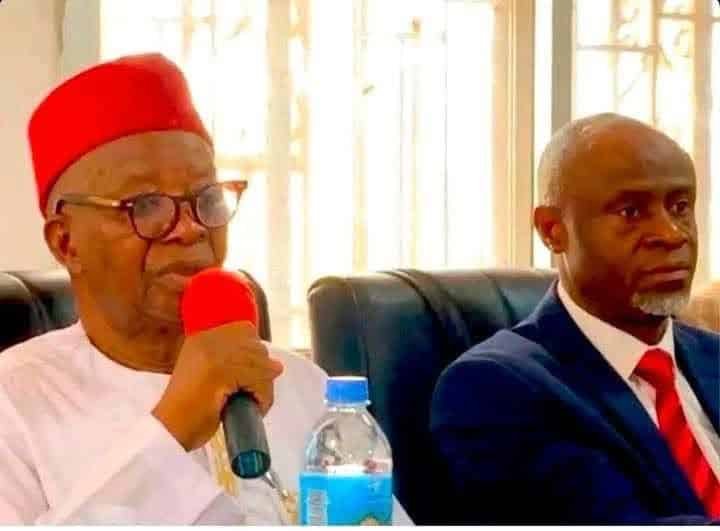
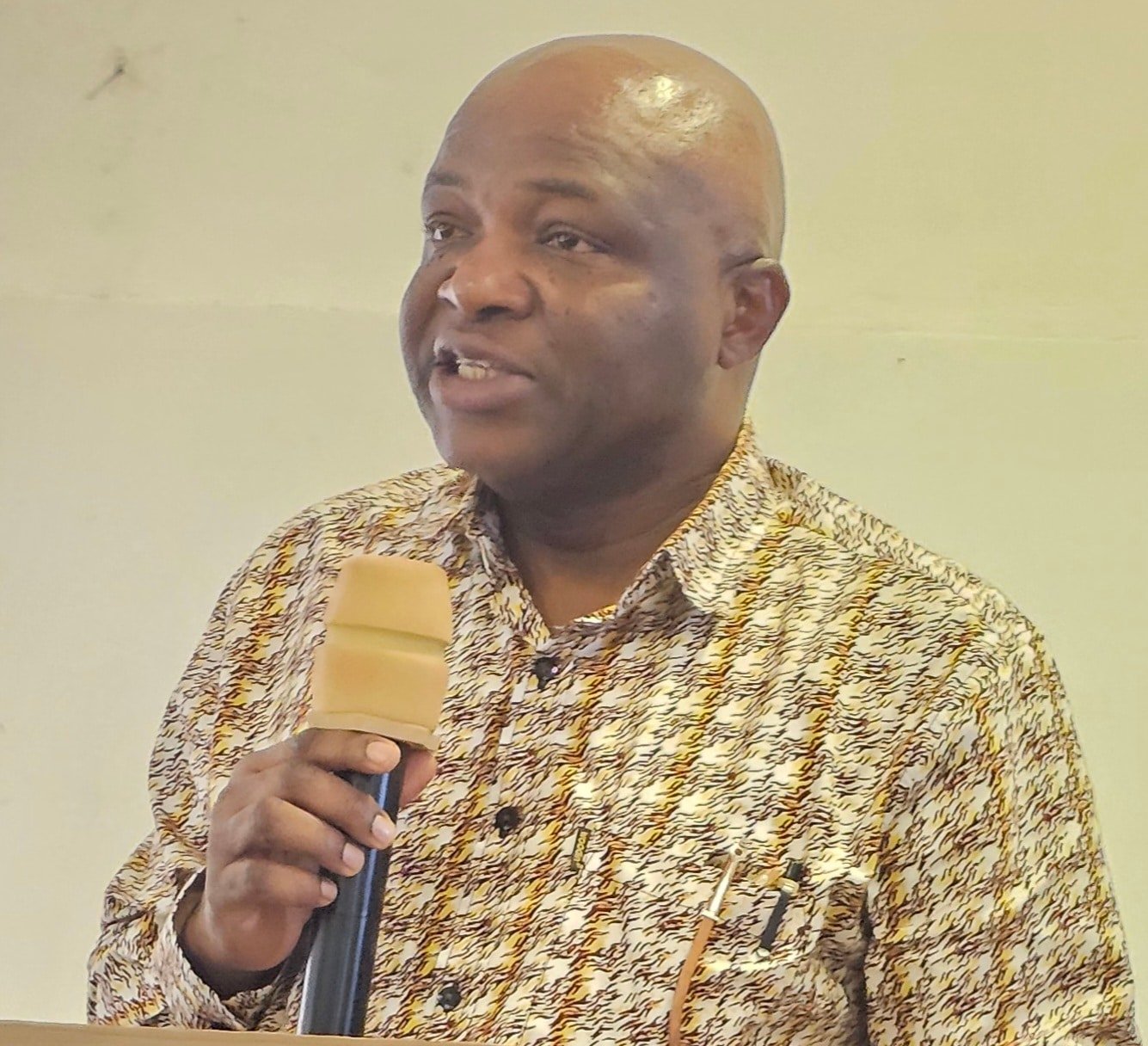
The High Court of Sierra Leone has issued an interim injunction restraining senior officials of the main opposition All People’s Congress (APC) from exercising key executive functions, prompting the suspension of the party’s internal election complaint proceedings.

The order restrains Osman Foday Yansaneh and Lansana Dumbuya from presenting themselves as executive members of the APC or performing functions assigned to the party’s National Chairman and Leader and National Secretary General, respectively.

Honourable Justice Adrian Fisher reportedly issued the order following an ex parte application heard in the Judge’s Chambers on Thursday, 27 August 2026.

Under the terms of the injunction, the two officials are temporarily prohibited from convening or presiding over executive meetings, managing the affairs of the APC and undertaking duties connected to the day-to-day administration of the party pending hearing on Monday 31s August 2026.

They are also restrained from carrying out activities associated with the offices of National Chairman and Leader and National Secretary General until the application is heard and determined or the court issues another order.

The High Court warned that failure to comply with the injunction could constitute contempt of court. Anyone found to have breached the order could face sanctions, including imprisonment, a fine or the seizure of assets.

The interim ruling has already affected activities undertaken by other structures within the APC, including the Independent Elections Complaint Board (IECB).

In a public notice dated Friday, 28 August 2026, the IECB announced the immediate suspension of all its activities until further notice. The decision includes the postponement of hearings relating to Ward Rerun Election Petitions, which had been scheduled for Saturday, 29 August 2026, in Freetown.

The notice, signed by IECB Secretary, Osman Soura Kamara Esq., informed petitioners, party members and other interested parties that the suspension followed the ruling delivered by Justice Fisher.

“By reason of the ruling of the Honourable Justice A. Fisher dated 27th August 2026, the Board hereby informs all petitioners and the general membership that all activities relating to the APC Independent Elections Complaint Board are suspended until further notice,” the notice stated.

The Board did not provide detailed information about the substance of the legal dispute but confirmed that it would not continue with any election-related complaint proceedings while the court order remains in effect.

The IECB acknowledged that the sudden postponement could inconvenience petitioners and other interested parties, particularly those who had already made arrangements to travel to Freetown for the scheduled hearings.

It apologized to those affected and appealed for patience and cooperation while awaiting further instructions on how to proceed. No new date has been announced for the suspended Ward Rerun Election Petition hearings.

The development comes amid ongoing internal electoral activities and disputes within the APC. The IECB is responsible for considering grievances and petitions arising from the party’s internal election processes.

Reacting to the development, APC Deputy National Publicity Secretary Mohamed Pope Kamara confirmed that an interim injunctive order had been issued and said the matter remains before the court.

According to Mohamed Pope Kamara, the order temporarily restricts the National Chairman, National Secretary General and other affected party structures from performing certain functions pending the next stage of the proceedings on Monday 31s August 2026.

He urged APC members and supporters to remain calm, exercise restraint and respect the judicial process as the party awaits the outcome of the case.

“It is imperative to underscore that the same matter is before the court pending ruling,” Mohamed Pope Kamara said.

He expressed confidence that the dispute would be addressed in accordance with the APC Constitution and the rule of law, maintaining that the party had previously overcome similar internal challenges.

“All party loyalists and members are strongly advised to maintain utmost calm, restraint and decorum,” he added.

Mohamed Pope Kamara described the development as neither strange nor unprecedented in the history of the APC. He said the party remains confident that constitutional procedures would ultimately prevail over personal interests and internal disagreements.

The interim injunction does not represent a final determination of the substantive dispute. It is a temporary measure intended to preserve the existing situation until the court hears the parties and determines the application or issues further directions.

APC members, petitioners and other stakeholders are now awaiting clarification from the court and the party’s leadership regarding the future of the suspended IECB proceedings and other affected executive activities. https://thecalabashnewspaper.com/archives/63926


Government, Education Ministry & Police Warn Against Fee Manipulation in Baba Guru Nanak Scholarship Scheme
 

The Leader of Government Business in Parliament, Hon. Sahr Edward Nyuma, Chief Education Officer at the Ministry of Basic and Senior Secondary Education (MBSSE), Edward Kparka and the  Regional Police Commander for Freetown West, Sylvester M. N. Koroma, have warned against alleged collusion between some parents and school administrators to inflate school fees under the Baba Guru Nanak Scholarship Scheme.

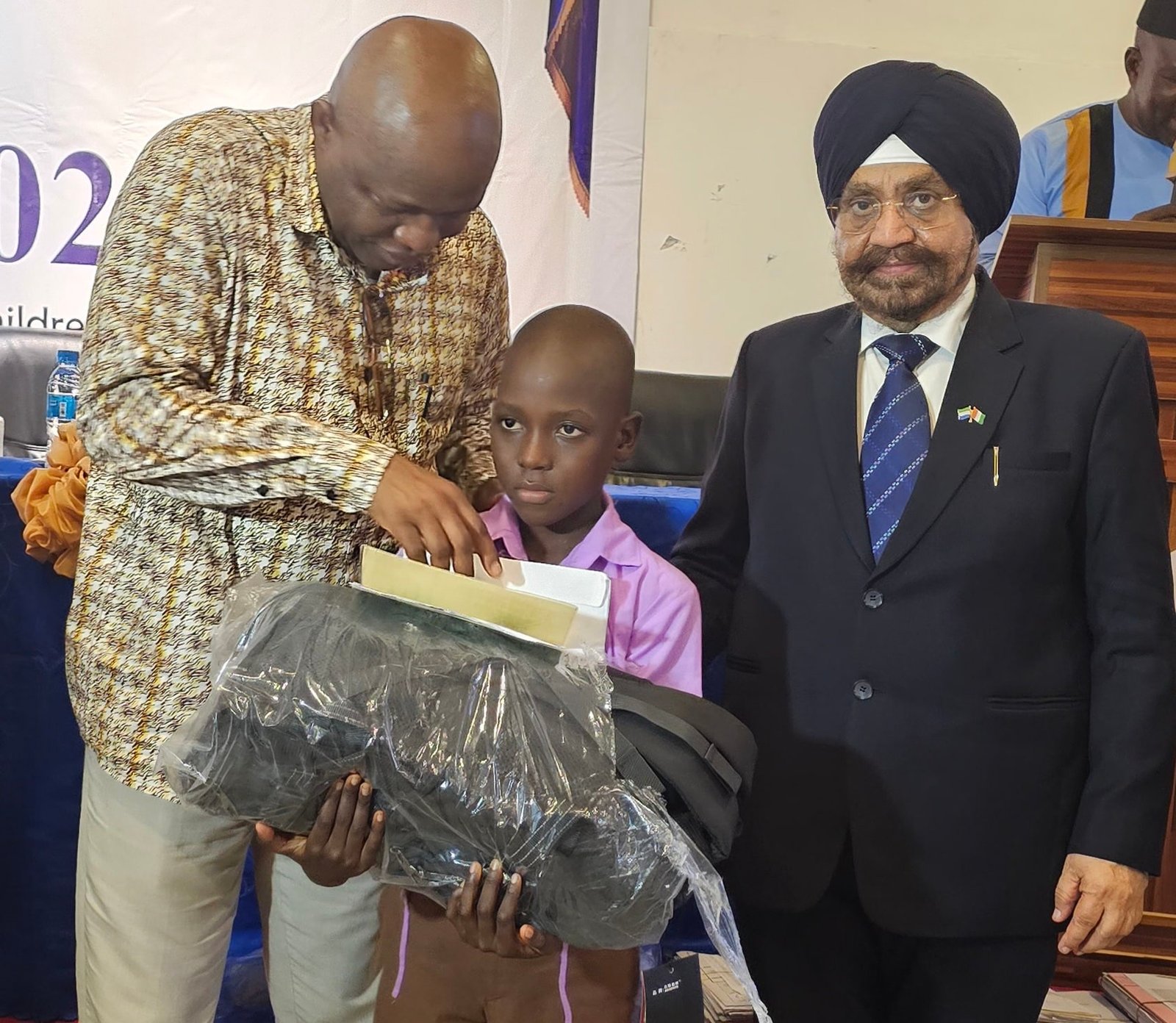
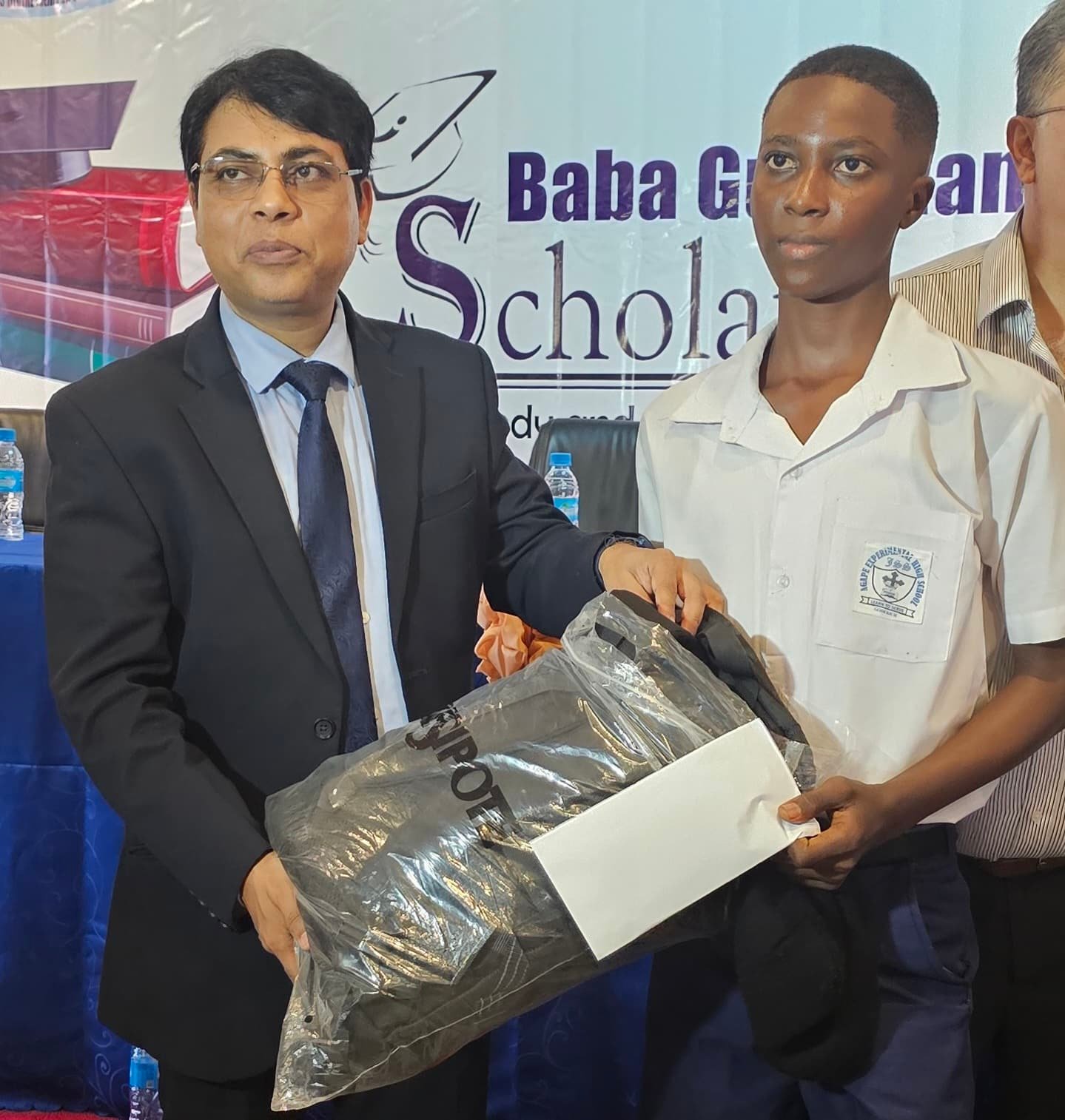
The officials raised the concern on Friday 28 August, 2026 during the 5th Annual Baba Guru Nanak Scholarship ceremony at Sierra Palms Resort in Freetown, where 350 Sierra Leonean children received educational support for the 2026 academic year.

The alleged practice, according to the officials, involves parents and some school authorities providing misleading or inflated fee information in an attempt to obtain more money from the scholarship programme, a conduct they described as dishonest and unacceptable.

Hon. Hon. Sahr Edward Nyuma condemned the alleged manipulation, stressing that scholarship resources are intended to support children from disadvantaged families and should not be exploited for personal gain.

He called for those involved such practices to be identified, investigated and prosecuted, warning that corruption must not be allowed to undermine initiatives designed to improve children's access to education.

Hon. Sahr Edward Nyuma said the country could not effectively fight poverty and improve the lives of its citizens without investing in education. He therefore urged parents and school authorities to protect educational opportunities intended for children rather than manipulate them for financial benefit.

The Ministry of Basic and Senior Secondary Education, Chief Education Officer, Edward Kpakra, also expressed disappointment over the alleged involvement of some school leaders in the practice.

Chief Education Officer, Edward Kpakra said the Ministry had received information and evidence concerning the alleged conduct and assured the gathering that the matter would be subjected to due diligence.

He disclosed that he would request a comprehensive report from the scholarship awarding body to enable the Ministry to take appropriate action against any malpractice established.

The education official warned that school authorities have a responsibility to uphold integrity and set a good example for children, stressing that corruption within the education system could undermine public confidence and deprive deserving pupils of opportunities.

Regional Police Commander, Sylvester M. N. Koroma, joined the condemnation, describing the scholarship as an investment not only in individual children but also in the future of Sierra Leone.

He said education, coupled with good character, could help young people overcome poverty and become responsible citizens, while reducing some of the social conditions that could contribute to crime.

The Regional Commander urged parents and school authorities to reject dishonest practices and ensure that the scholarship benefits are used for their intended purpose.

The warnings came as the Baba Guru Nanak Scholarship continues to expand. The initiative, which began with 62 children in 2022, has increased to 350 beneficiaries in 2026.

Each beneficiary received full school fees for the academic year, a school bag, exercise books, stationery, lunch box and water bottle, as well as NLe500 towards the purchase of a school uniform and shoes. The overall scholarship package was valued at more than Le2 billion in old Leones.

The scale of the assistance has made transparency and accountability central to the administration of the scheme, with the officials urging parents, schools and beneficiaries to protect the integrity of the programme.

The concerns also highlight the importance of proper verification of school fees and beneficiary information to ensure that resources provided by the sponsors reach the children for whom they are intended.

The officials commended Shri Gurudwara Sahib, Lumley and the Indian Diaspora for investing in the education of Sierra Leonean children, while stressing that such generosity must not be undermined by fraudulent or dishonest practices. https://thecalabashnewspaper.com/archives/63924


Baba Guru Nanak Scholarship 2026 Marks 5th Edition, Awards Full Scholarships to 350 Pupils
 

Shri Gurudwara Sahib SL Ltd., Lumley Freetown, in collaboration with the Indian Diaspora, hosted the 5th annual Baba Guru Nanak Scholarship 2026, an initiative aimed at supporting needy and meritorious Sierra Leonean children with educational assistance. The event was hosted on Friday 28th August 2026 at Sierra Palms in Aberdeen, Freetown.

The scholarship programme, which began in 2022 with 62 beneficiaries, has expanded significantly over the years and is supporting 350 children in 2026. The beneficiaries, drawn from private schools in Freetown and other parts of Sierra Leone, received school fees, learning materials and other educational support.

The initiative is backed by the Indian community in Sierra Leone and seeks to reduce the financial barriers faced by families struggling to provide quality education for their children while promoting the values of service, discipline and responsibility.

Chairing the ceremony, Harwinder Kaur Khalsa, popularly known as Shina, urged the 350 beneficiaries to take responsibility for their education, work hard and develop good character. She said the scholarship is not simply about paying school fees but about recognizing the potential of young Sierra Leoneans and assuring them that their future mattered.

“Education is the light that removes darkness,” Harwinder Kaur Khalsa  said, describing the scholarship as an effort to remove barriers that prevent talented children from reaching their potential. She urged the beneficiaries to treat the scholarship as a seed that must be nurtured through hard work, discipline and good character.

She reminded the students that although they attended different schools and wore different uniforms, they shared common aspirations and represented communities across Sierra Leone. She also commended parents for their sacrifices and encouraged other individuals and organisations to support the expansion of the programme, noting that thousands of children still require similar assistance.

Speaking at the event, the Mukh Sevadar of Shri Gurudwara Sahib, Lumley and Chief Executive Officer of Jeety Trading Company, Mohinder Bir Singh Sachdeva, popularly known as Pa Jeety, said the scholarship had grown from 62 beneficiaries in 2022 to 350 in 2026.

Mohinder Bir Singh Sachdeva said the programme was founded on the Sikh principles of sharing with others and promoting the welfare of all. He explained that the 2026 package was valued at more than Le2 billion in old Leones and included full school fees for the academic year, school bags, exercise books, stationery and other learning materials.

Each beneficiary also received a lunch box and water bottle, while NLe500 was provided to assist with the purchase of a school uniform and shoes.

Mohinder Bir Singh Sachdeva described the initiative as an investment in the future of Sierra Leone, saying the support went beyond financial assistance to provide children with “hope, dignity, self-respect and an opportunity to improve their future.” He urged the beneficiaries to study seriously, respect their parents and teachers and after becoming successful, support other children in need.

He also acknowledged the contribution of members of the Indian business community to Sierra Leone’s healthcare sector, including Harish Agani of T. Choithram & Sons for supporting 1,648 free eye operations and Shahroz Ansari of Alhamd Groups for assisting with surgical bills for more than 100 Sierra Leoneans affected by chronic diseases.

Charge d’Affaires a.i. of the High Commission of India in Freetown, Neeraj Kumar Saini, on his remarks, described the ceremony as a celebration of compassion, equality and service to humanity. He commended the Gurudwara and Indian Diaspora for investing in the education of Sierra Leonean children.

Neeraj Kumar Saini reaffirmed capital development in Sierra Leone, highlighting the Indian Technical and Economic Cooperation Programme and the Indian Council for Cultural Relations scholarship programme. He disclosed that 50 Sierra Leonean students received ICCR scholarships in 2026 to pursue higher education in India.

He also highlighted India’s wider development assistance to Sierra Leone, including the provision of 15 haemodialysis machines, 1,000 metric tonnes of rice for the school feeding programme and a US$990,000 grant for a project supporting persons with disabilities.

Neeraj Kumar Saini further announced that India is extending a US$32 million Line of Credit through the ECOWAS Bank for Investment and Development for the construction of the University of Science and Technology in Koidu, Kono District. He expressed hope that some of the scholarship beneficiaries would eventually pursue higher technical education there.

Speaking at the ceremony, the Leader of Government Business in Parliament, Hon. Sahr Edward Nyuma, commended the Indian community, Sachdeva and the Gurudwara for their contributions to education and healthcare. He described the scholarship as an investment in Sierra Leone’s human capital and stressed that education is a major instrument for transforming individuals, families and communities.

“Education is the only instrument you can use to change your life and change the story of this generation,” Hon. Sahr Edward Nyuma said, urging beneficiaries to work hard and make effective use of the opportunity.

The President of the Indian Business Council in Sierra Leone, Harkishin Balani, also urged the beneficiaries to take their education seriously, avoid bad company and remain focused on their goals. He said the expansion from 62 children to 350 beneficiaries demonstrated the commitment of the organizers to investing in Sierra Leone’s future.

Harkishin Balani encouraged the students to study hard, respect their parents and teachers and use the opportunity to overcome poverty. He expressed confidence that the beneficiaries could become successful and responsible citizens who would make their families and country proud.

Representing the Minister of Basic and Senior Secondary Education, Chief Education Officer, Edward Kpakra, commended the scholarship programme for improving access to education. He traced its growth from 62 beneficiaries in 2022 to 130 in 2023, 127 in 2024, 200 in 2025 and 350 in 2026.

Edward Kpakra said the scholarship is helping to remove financial barriers to education and urged the beneficiaries to view the assistance as an opportunity to build their future and eventually give back to others.

He also thanked the Government of India for its support to Sierra Leone, particularly in education and the school feeding programme.

Head of Choithrams, Harish Agnani, commended the Indian Diaspora for sustaining the scholarship and described the provision of full scholarships to 350 children as a significant achievement.

Harish Agnani noted that the programme, which began with 62 beneficiaries, had grown considerably and expressed hope that it would expand further. He urged the beneficiaries to study hard, respect their teachers and parents and make good use of the opportunity.

Speaking also at the ceremony was the Director of the Sierra Leone Broadcasting Corporation (SLBC), Josephine Fatima Kamara, who encouraged the beneficiaries to dream big and work towards becoming professionals in fields including medicine, law, engineering, journalism, aviation and business. Etc.

The SLBC DG emphasized that dreams could only be achieved through hard work, discipline, commitment and good character. She urged the children to “study hard, listen to your parents and teachers, and believe in yourself,” while reminding parents to encourage and nurture both the academic abilities and talents of their children.

She further encouraged the Indian community and the Gurudwara to continue supporting the initiative and appealed to beneficiaries to remember those who assisted them when they eventually become successful.

The Regional Police Commander for Freetown West, Sylvester, M. N. Koroma, described the scholarship as an investment not only in the beneficiaries but also in the future of Sierra Leone.

- N. Koroma said quality education combined with good character could help young people overcome poverty and avoid negative social behaviour. He urged the beneficiaries to study hard, respect their parents and teachers and use the school materials and other support provided to them responsibly.

The ceremony underscored the growing role of the Baba Guru Nanak Scholarship in supporting access to private education for children from families facing financial difficulties. With the number of beneficiaries increasing to 350 and the educational package expanding to include school fees, learning materials, uniforms and other essentials, organizers expressed hope that the initiative would reach more children in the coming years. https://thecalabashnewspaper.com/archives/63914


Building for the Future: FAWAZ Building Materials Promotes Durable and Responsible Construction
 

Demand for dependable construction materials is rising across Sierra Leone as investment in residential housing, commercial properties and public infrastructure continues to grow.

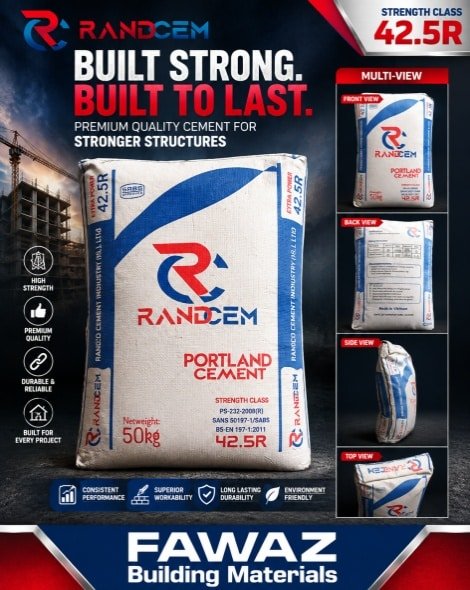
Responding to the expanding market, FAWAZ Building Materials has increased the availability of RANDCEM 42.5R Cement for engineers, contractors, developers, masons and individuals undertaking construction projects nationwide.

Manufactured in Vietnam and supplied in 50-kilogram bags, RANDCEM 42.5R is suitable for several building applications, including foundations, columns, beams, concrete floors, blocks and other structural works.

FAWAZ Building Materials says the product is designed to provide reliable performance and strong early development when properly mixed, applied and cured. Under suitable working conditions, its reported setting time of about 30 minutes could also help construction teams manage their schedules efficiently.

The company has stressed, however, that durable buildings cannot be achieved through cement quality alone. Safe construction requires approved structural designs, firm foundations, proper reinforcement, accurate measurements, clean sand, appropriate aggregates, skilled workers and qualified supervision.

The amount of water added during concrete preparation is particularly important. Excessive water may weaken the mixture, increase shrinkage and contribute to cracks. Incorrect quantities of cement, sand and aggregate can also reduce structural strength and shorten the useful life of a building.

Builders sometimes apply a mixture of one part cement, two parts sand and four parts aggregate for certain general concrete works. Lean concrete may use one part cement, three parts sand and six parts aggregate. These proportions are only general references and should not replace specifications provided by professional engineers for individual projects.

Proper curing is another major requirement for achieving strong concrete. Newly placed concrete must be kept sufficiently moist during its early stages to support strength development and minimise cracking. Poor curing can affect structural performance even when good-quality cement and other reliable materials are used.

FAWAZ Building Materials has also encouraged customers to observe correct storage procedures. Cement bags should be kept in dry, covered and properly ventilated spaces. They should be placed above floor level and protected from rainwater, leaking roofs, groundwater, damp walls and other sources of moisture.

Once a cement bag has been opened, any unused quantity should preferably be applied within seven days. Where immediate use is impossible, the remaining cement must be tightly sealed to prevent exposure to moisture and air.

Safety measures are equally necessary when handling cement. Construction workers are advised to wear gloves and face masks to reduce contact with cement dust and prevent prolonged skin exposure. Safe lifting methods should also be used when moving the 50-kilogram bags, while cement products must be stored beyond the reach of children.

Concerns over reported building collapses in Sierra Leone have increased public calls for stronger enforcement of construction standards. Structural failures are commonly associated with poor foundations, defective designs, low-quality materials, weak workmanship and insufficient professional supervision.

Industry stakeholders have consequently urged the Sierra Leone Standards Bureau and other relevant authorities to intensify market inspections and regularly examine cement products imported and sold across the country.

Improved monitoring of importers, distributors and retailers could protect consumers, discourage the circulation of substandard materials and ensure that companies compete fairly within the construction market.

FAWAZ Building Materials says its expanded distribution of RANDCEM 42.5R reflects its commitment to supporting Sierra Leone’s development through the supply of dependable construction products.

The country’s ability to build safer, stronger and longer-lasting structures will ultimately depend on a combination of quality materials, professional engineering, skilled workmanship, responsible building practices and effective regulatory oversight. https://thecalabashnewspaper.com/archives/63908


Information Minister Leads High-Level Talks on Hosting UNESCO and ICIC Conferences in September
 

Sierra Leone is intensifying preparations to host two prominent international conferences on access to information in September, with nearly 300 delegates expected to attend from different parts of the world.

The country will host activities marking UNESCO’s International Day for Universal Access to Information alongside the International Conference of Information Commissioners. The three-day programme is scheduled to take place at the JMB International Conference Centre in Lungi.

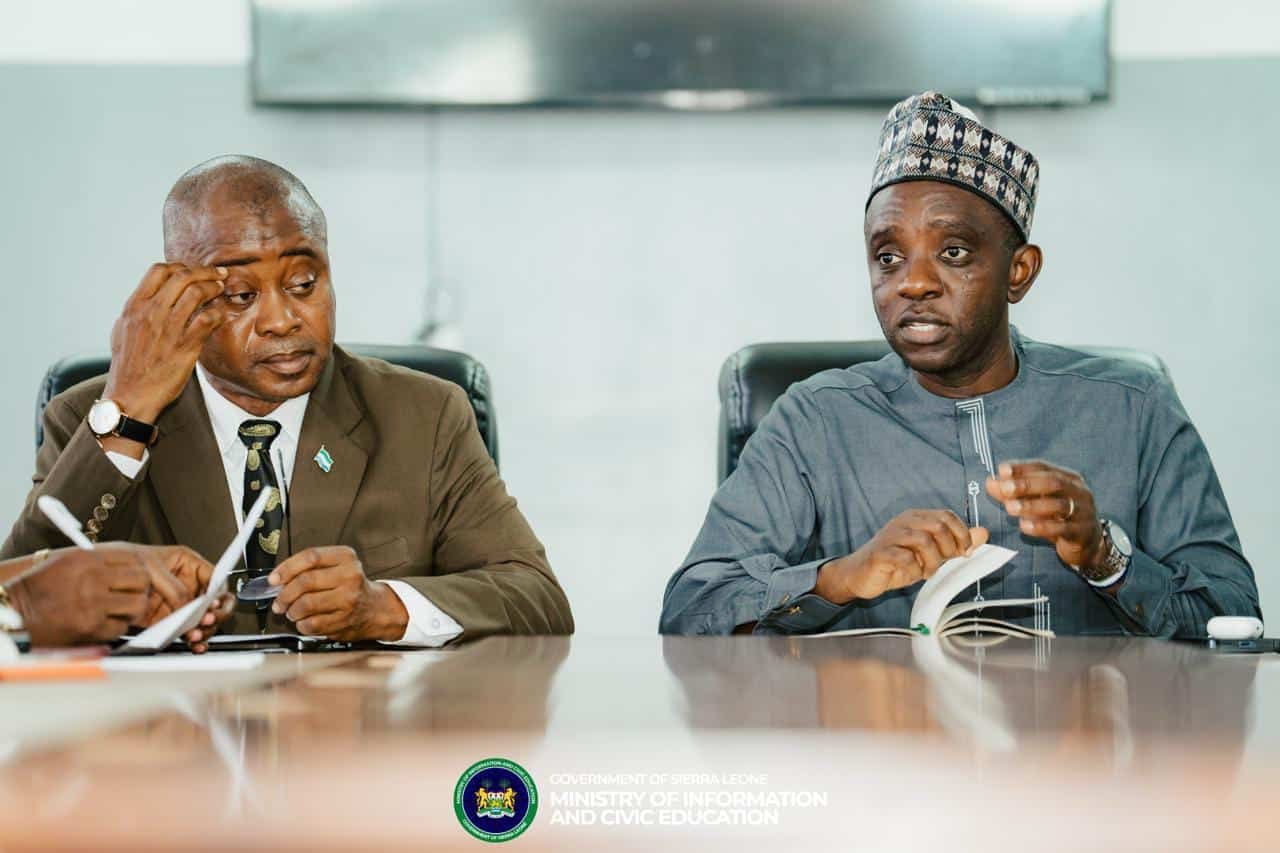
As part of the preparations, Minister of Information and Civic Education, Chernor Bah, convened a high-level coordination meeting at the Ministry’s conference room. The engagement brought together representatives from several Government Ministries, Departments and Agencies responsible for ensuring the smooth conduct of the events.

Addressing participants, Chernor Bah described the forthcoming conferences as an important milestone for Sierra Leone. He said the anticipated presence of hundreds of foreign delegates reflects increasing international recognition of the country’s efforts to promote transparency, accountability and public access to information.

The Minister called for close cooperation among all institutions involved in the planning process, stressing that the success of the conferences would depend heavily on effective coordination and timely delivery of assigned responsibilities.

He referred to a directive from President Julius Maada Bio urging participating institutions to “put our best foot forward” and ensure that Sierra Leone presents itself positively before the international community.

Chernor Bah further encouraged Government institutions to use the conferences as an opportunity to demonstrate the country’s ability to organize major global events. He said a successful programme could help attract more high-level international conferences and strengthen Sierra Leone’s reputation as a suitable destination for regional and global engagements.

Chairman of the Right to Access Information Commission, Dr. Ibrahim Seaga Shaw, presented a technical update on the planning process. He identified transportation as one of the major logistical areas requiring careful attention and urged institutions to strengthen cooperation ahead of the arrival of delegates.

Representatives from the Ministry of Finance, Ministry of Transport and Aviation, Ministry of Health, Ministry of Communication, Technology and Innovation, Ministry of Foreign Affairs and International Cooperation and the Office of National Security also provided updates on their respective responsibilities.

The discussions covered transportation, security, healthcare services, internet connectivity, electricity supply, live broadcasting and diplomatic protocol. Participating institutions outlined measures designed to address possible challenges before and during the conferences.

Particular attention was being given to the movement and safety of delegates, reliable communication services, emergency medical arrangements and uninterrupted power throughout the programme.

The Government says the preparations are intended to provide delegates with a well-coordinated experience from their arrival in Sierra Leone to their departure.

Beyond promoting universal access to information, the conferences are expected to provide Sierra Leone with an opportunity to showcase its progress in information governance while strengthening its standing as a potential host of major international events. https://thecalabashnewspaper.com/archives/63904


WIMSAL Dialogue Pushes Measurable Action on Women Journalists’ Safety
 

The Government of Sierra Leone has called for the effective enforcement of existing gender and employment laws alongside practical newsroom safeguards to protect women working in the media.

Director of Information and Government Services, Francess Josephine Kafula, said measures designed to promote gender justice must also preserve press freedom, editorial independence and journalists’ ability to investigate issues of public interest.

She made the statement during a Policy Dialogue Forum on Gender Justice in the Media, organized by Women in the Media Sierra Leone in partnership with Comic Relief. The event was held on Friday, 21 August 2026, at the Civil Service Training College in Freetown.

Francess Josephine Kafula explained that achieving gender justice requires more than increasing the number of women employed by media institutions. She said newsrooms must create conditions that allow female professionals to join the industry, build sustainable careers, assume leadership responsibilities and perform their duties without discrimination, harassment or intimidation.

According to her, evidence presented during the forum showed that the challenges confronting women journalists were neither theoretical nor isolated. She said unsafe working conditions could undermine the welfare of media practitioners and weaken the quality, credibility and independence of journalism.

Francess Josephine Kafula cited the Gender Equality and Women’s Empowerment Act of 2022 and the Employment Act of 2023 as important legal instruments already available to address discrimination and workplace abuse.

She, however, maintained that stronger enforcement is necessary to ensure that the protections contained in those laws translate into meaningful improvements for women working in newsrooms and other media spaces.

The Director welcomed the proposed Safeguarding Charter, describing it as a practical framework through which media institutions could turn legal obligations and public commitments into clear workplace procedures.

She said journalists experiencing abuse should know where and how to report their concerns, who would receive the complaints and what measures would protect their identities. Reporting systems, she added, must also shield complainants and witnesses from retaliation.

The proposed charter provides for confidential complaint mechanisms, transparent investigation procedures, protection against reprisals, referral services, digital-security measures, management accountability and regular monitoring of implementation.

Francess Josephine Kafula also drew attention to the growing dangers faced by women journalists online. She noted that media work now extends far beyond traditional newsrooms, exposing female professionals to harassment, threats and intimidation through social-media platforms and other digital channels.

Safeguarding policies, she argued, must therefore address risks in both physical and online working environments.

While supporting stronger protections, Francess Josephine Kafula cautioned against introducing measures that could interfere with editorial decision-making or restrict legitimate journalism. She maintained that safety and press freedom should reinforce each other rather than be treated as competing priorities.

“A safe journalist is better positioned to work independently, investigate issues of public interest and contribute to an informed society,” she said.

Discussions at the forum were informed by findings from a 2025 global study examining sexual harassment in the media. The research included responses from 298 participants in Sierra Leone and identified gender differences in experiences involving verbal, online and physical sexual harassment.

The briefing clarified that the results represented the experiences of those who participated in the study and should not be interpreted as a comprehensive assessment of every journalist or media institution in the country.

Under the emerging framework, the Government is expected to support the enforcement of existing gender and labour legislation, increase awareness of workplace rights, strengthen journalist safety and digital protections and encourage media organisations to comply with national employment standards.

It is also expected to work with regulators, professional associations, Civil Society Organisations and media owners to develop workable approaches for implementation.

Francess Josephine Kafula urged all parties to ensure that the dialogue produced concrete outcomes instead of ending with another statement of intent.

“We should not leave this dialogue with another declaration. We should leave with measurable commitments,” she said.

The forum concluded with participants presenting gender justice as a wider institutional reform issue involving workplace safety, equality, staff welfare, female representation, digital rights, accountability and media freedom. https://thecalabashnewspaper.com/archives/63899


First Lady Fatima Bio to Present UN Resolution Against Child Marriage
 

First Lady of Sierra Leone, Dr. Fatima Maada Bio, is scheduled to address the United Nations General Assembly on 4 September 2026 as part of a renewed international campaign to eliminate child, early and forced marriage.

During her appearance, Dr. Fatima Maada Bio, who also serves as President of the Organisation of African First Ladies for Development, is expected to present a draft resolution proposing the establishment of an International Day for the Elimination of Child, Early and Forced Marriage.

The initiative seeks to create a recognized annual occasion for countries, international organisations, civil society groups and development partners to intensify public awareness, strengthen protective policies and mobilize resources to address the practice.

According to the Office of the First Lady, the proposed international day would also provide a global platform for Governments and organisations to exchange successful approaches and accelerate coordinated action aimed at safeguarding girls.

Child, early and forced marriage remains a major barrier to the education, health and development of millions of girls worldwide. Girls who marry at an early age frequently face increased risks of leaving school, experiencing gender-based violence and enduring complications associated with teenage pregnancy and childbirth.

The draft resolution is therefore expected to emphasize the importance of protecting the dignity and fundamental rights of girls while ensuring that they have access to education and opportunities to determine their own futures.

The proposal represents another stage in Dr. Fatima Maada Bio’s international advocacy against sexual and gender-based violence. Her campaigns have consistently focused on protecting women and girls from rape, exploitation, harmful practices and other forms of abuse.

Her latest intervention builds on Sierra Leone’s role in advancing a 2022 United Nations General Assembly resolution concerning access to justice, remedies and assistance for survivors of sexual violence. Dr. Fatima Maada Bio played a prominent advocacy role in promoting international support for the measure.

The Office of the First Lady described the upcoming presentation as evidence of Sierra Leone’s growing leadership in the campaign to protect girls and strengthen international cooperation against harmful practices.

If supported by the General Assembly, the proposed international day could encourage countries to regularly assess their progress, improve legislation and expand programmes designed to prevent child marriage and support affected girls.

Dr. Fatima Maada Bio is also expected to use her address to call for greater political commitment, sustained financing and stronger partnerships among Governments, traditional and religious leaders, women’s organisations, youth groups and development agencies.

The initiative places Sierra Leone at the forefront of efforts to transform the fight against child marriage into a sustained global movement, with particular attention to protecting girls’ education, wellbeing and freedom of choice. https://thecalabashnewspaper.com/archives/63896


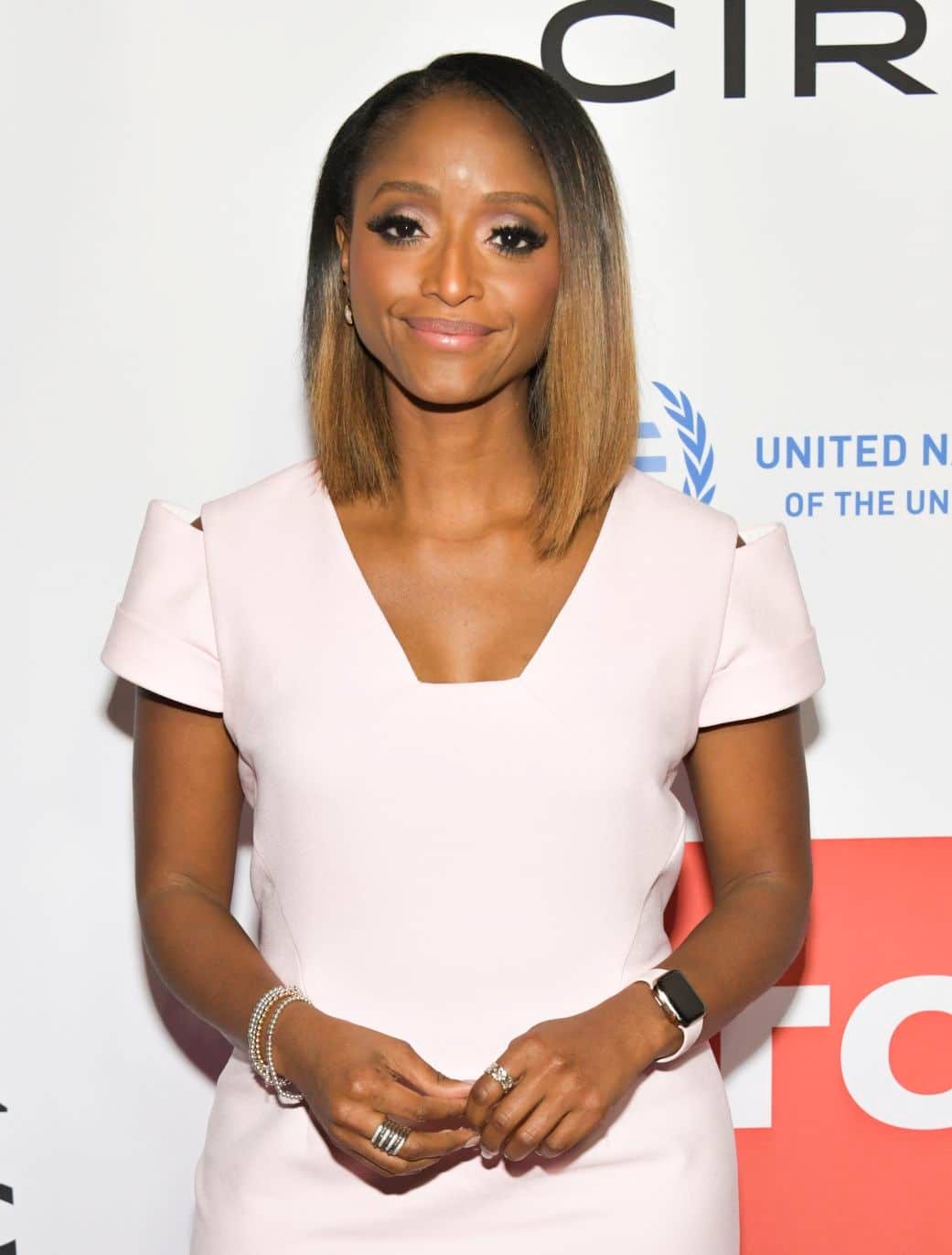
From CNN Anchor to Media CEO: Isha Sesay Opens Up About Life’s Defining Decisions
 

Prominent Sierra Leonean journalist, Isha Sesay, has revealed that her decision to leave CNN after more than 13 years was driven by the need to care for her seriously ill mother not by controversy or professional disagreement, as some had speculated.

Speaking with CNN journalist, Larry Madowo, during an interview for the network’s African Voices programme, Isha Sesay publicly explained the circumstances surrounding her departure for the first time. She also discussed becoming a single mother in her 40s, her transition into corporate media leadership and her concerns about international coverage of Africa.

Isha Sesay established herself as one of CNN International’s most recognizable African broadcasters, interviewing influential political leaders, celebrities and global personalities. Her interview subjects included former Liberian President Ellen Johnson Sirleaf, former United States First Lady Michelle Obama, Nobel Peace Prize laureate Malala Yousafzai and Hollywood actor Matt Damon.

Despite leaving the network in 2018, Isha Sesay said many people still recognize her primarily for her work at CNN. She described such encounters as a source of pride and evidence of the lasting connection she established with audiences worldwide.

Explaining her departure, Isha Sesay said her mother’s medical condition had forced her to reconsider her priorities. Dr. Kadi Sesay, a respected Sierra Leonean politician, academic and women’s-rights advocate, suffered a devastating stroke in December 2016 that left her severely incapacitated.

According to Isha Sesay, decisions being taken at work at the time were incompatible with her responsibilities as her mother’s caregiver. She consequently chose to leave the network and place her family obligations first.

Isha Sesay emphasized that there was no scandal behind her resignation and that she continued to respect her former colleagues and CNN’s leadership. She said the experience taught her that there are moments when individuals must protect their well-being and attend to what matters most in their personal lives.

Dr. Kadi Sesay, who served as the Sierra Leone People’s Party’s vice-presidential candidate in the 2012 elections, remained in a seriously impaired condition for several years before passing away in June 2025.

Reflecting on the loss, Isha Sesay described her mother as an energetic and compassionate woman whose public service and political ambitions were abruptly interrupted by illness. She acknowledged that she is still processing the emotional consequences of caring for her mother and eventually losing her.

The family crisis also transformed Isha Sesay’s understanding of motherhood and human relationships. Although she had long wanted a child, she said the demands of international broadcasting caused her to repeatedly postpone that part of her life.

Her years at CNN were dominated by breaking-news assignments, major political events, interviews, international travel and other demanding professional responsibilities. Her mother’s illness, however, confronted her with the fragility of life and led her to reassess what she wanted for herself.

Isha Sesay eventually decided to pursue motherhood independently through a sperm donor. Following two unsuccessful in vitro fertilization attempts, she announced at the age of 46 that she was expecting a child. She welcomed her daughter, Naimah Yasmine Kadi Sesay, in February 2023.

Her decision generated mixed reactions online. While many people congratulated and supported her, others questioned her choice to raise a child without a partner.

Isha Sesay rejected suggestions that becoming a single mother represented hostility towards men or conventional family structures. She described it instead as an expression of personal autonomy, stressing that women should be free to determine the direction of their own lives.

She maintained that remaining in an unhealthy relationship simply to have a child would have been unreasonable for her. While acknowledging that her choice might not suit everyone, she said women should not be prevented from embracing options made possible by modern science.

Beyond motherhood, Isha Sesay has entered another significant phase of her professional life as Chief Executive Officer of Areya Media, formerly known as OkayMedia. The organisation oversees OkayAfrica and Okayplayer, digital platforms dedicated to African, Black and diaspora culture.

Isha Sesay became the first woman to lead the organisation when she assumed the position in March 2021. Under her leadership, the company has expanded beyond its original digital publishing operations into newsletters, podcasts, studio production and cultural events.

She said the transformation has strengthened the company’s relationship with its audiences and allowed it to tell more diverse and uplifting stories. One of its productions, The Almanac of Rap, received Webby recognition in 2023 and 2025.

Although she is satisfied with her position as a media executive, Isha Sesay said her passion for journalism remains strong. She continues to follow the news closely and remains concerned about the limited attention and context given to African affairs by major international networks.

Isha Sesay argued that African culture, music and fashion are increasingly celebrated globally but the continent’s political, economic and humanitarian stories are still frequently presented without sufficient depth. She cited the conflicts in Sudan and the Democratic Republic of Congo as examples of major crises that have not received the sustained international attention they deserve.

She also expressed concern about the growth of online personalities who present personal opinions as verified news. While recognizing that social media creators can provide vital information during emergencies, Isha Sesay warned that content based on quick internet searches or artificial-intelligence tools should not be confused with independent and professionally verified reporting.

Despite falling public confidence in traditional media, Isha Sesay remains optimistic about journalism’s future. She believes societies will always require credible information, verified facts and trustworthy reporting, even as news organisations adjust their methods to reach changing audiences.

Now a journalist, mother, philanthropist, United Nations goodwill ambassador and media executive, Isha Sesay said she wants her legacy to be defined by the opportunities she created for others. Her ambition, she explained, is to be remembered as someone who encouraged people, supported emerging talent and used her influence to make a meaningful difference. https://thecalabashnewspaper.com/archives/63893


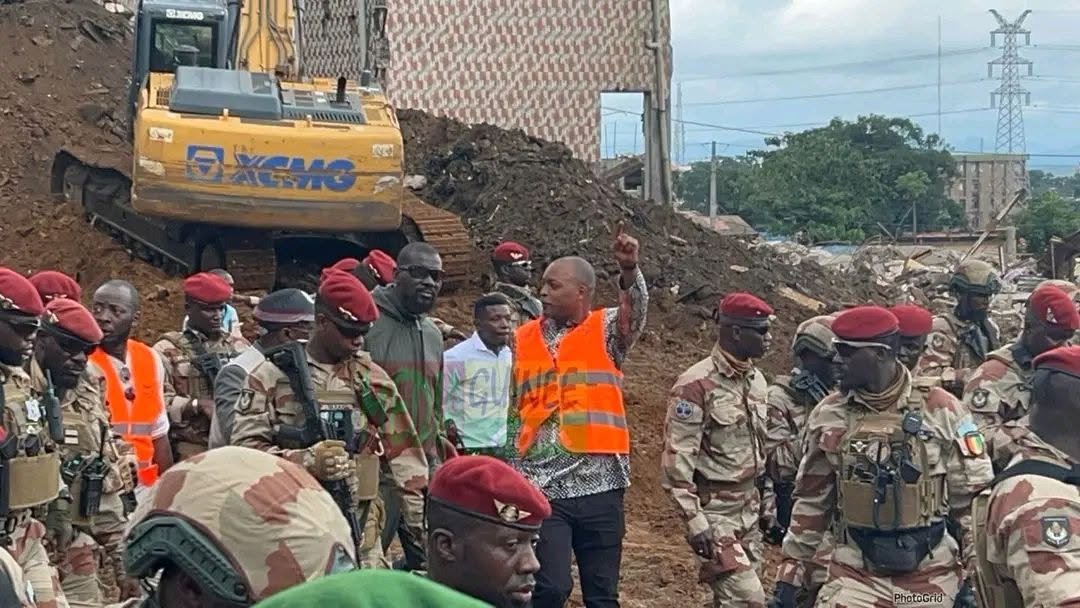
Conakry Landfill Landslide: 17 Sierra Leoneans Confirmed Dead, 54 Survivors Identified
 

A devastating landfill landslide in Conakry has left 17 Sierra Leoneans dead and dozens more displaced, deepening the anguish of families awaiting news about relatives caught in the disaster.

Yet amid the grief, a measure of relief has emerged: Sierra Leone’s Embassy in Guinea has confirmed that 54 Sierra Leonean nationals survived the catastrophe.

The Ministry of Foreign Affairs and International Cooperation revealed the updated figures on Friday August 28, 2026 following days of recovery operations and a joint identification exercise involving Sierra Leonean diplomatic officials and Guinean authorities.

The exercise, conducted at designated hospital mortuaries in Conakry, established that 14 men and three women among those killed were Sierra Leonean citizens.

The confirmation marks a major development since the Ministry’s first report on 25 August, when authorities were still working to determine the number and identities of Sierra Leoneans affected by the Dar-es-Salam landfill landslide in Gbessia.

Guinea’s Government has recorded 34 deaths from the disaster. That figure, however, may not represent the final toll, as recovery teams continue searching for victims and officials work to identify bodies and trace people still reported missing.

Attention has now turned to the 54 Sierra Leoneans who escaped with their lives. The group consists of 32 women, 17 men and five minors. The survivors have received emergency supplies, including food, clothing and other basic necessities. Further assessments are being conducted to determine their medical, humanitarian and consular needs.

Sierra Leone’s Embassy in Conakry remains at the centre of the national response, working with Guinean institutions to support survivors, assist grieving families and verify unresolved cases.

The Government of Sierra Leone extended condolences to the families of those who died and expressed sympathy to everyone affected by the tragedy.

“The Government of Sierra Leone extends its deepest condolences to the families and loved ones of the Sierra Leonean nationals who lost their lives and to all those affected by this tragic incident,” the Ministry said.

The Government also stood in solidarity with Guinea as the neighbouring country confronted the painful aftermath of the disaster.

The Foreign Affairs Ministry praised Guinean authorities for their cooperation during the recovery, identification and humanitarian operations. It said coordination between the two countries would continue until outstanding cases had been verified and affected families received the necessary information and support.

For relatives awaiting news, uncertainty remains. Authorities have yet to account fully for all individuals reported missing, while the continuing recovery operation means the scale of the disaster may still change.

The Ministry therefore urged members of the public to handle claims about deaths and missing persons responsibly. It warned against circulating unverified figures and advised families to rely on official information from the Government and its diplomatic mission.

Families seeking information about loved ones can contact the Ministry on +232 76 632659 or +232 30 300009.

Behind the official figures are families plunged into mourning, survivors attempting to rebuild their lives and communities waiting for answers. With recovery efforts still underway, Sierra Leone and Guinea now face the difficult task of accounting for every missing person and supporting those left in the shadow of the tragedy. https://thecalabashnewspaper.com/archives/63889


Indian Charge d’Affaires Inspires Pupils at Baba Guru Nanak Scholarship Ceremony
 

Shri Neeraj Kumar Saini, Charge d’Affaires a.i. at the High Commission of India in Freetown, has reaffirmed India’s commitment to strengthening education, skills development and human capital cooperation with Sierra Leone.

He made the commitment while addressing the fifth annual Baba Guru Nanak Scholarship ceremony, held on Friday, 28 August 2026, at the Sierra Palms Resort in Freetown.

The programme, organized by Shri Gurdwara Sahib SL Ltd. in collaboration with the Indian Diaspora in Sierra Leone, awarded scholarships to 350 needy and academically promising pupils from schools across the country.

The Baba Guru Nanak Scholarship provides beneficiaries with full educational support for the 2026/2027 academic year. Each pupil received school materials, including a bag and exercise books, together with Le500 in financial assistance.

Shri Neeraj Kumar Saini congratulated Shri Gurdwara Sahib, Lumley, and members of the Indian community for sustaining an initiative that uses education to improve the lives of vulnerable children.

He described the ceremony as more than the presentation of scholarships, saying it represented compassion, equality and service to humanity; values promoted by Sri Guru Nanak Dev Ji.

According to the Indian diplomat, Guru Nanak’s principles of praying, working honestly and sharing with others continue to inspire millions worldwide. He said the teaching of “Sarbat da Bhala,” meaning the welfare of all, was particularly relevant to efforts aimed at investing in the future of young Sierra Leoneans.

Addressing the beneficiaries, Shri Neeraj Kumar Saini encouraged them to regard the scholarship not only as financial assistance but also as motivation to pursue their ambitions with greater confidence and determination.

He told the pupils that they could become Sierra Leone’s future doctors, engineers, teachers, entrepreneurs, public servants and national leaders if they remain committed to their education.

“Continue to work hard, shine in your academics and grow as responsible human beings,” Shri Neeraj Kumar Saini urged the recipients, expressing hope that some of them would eventually secure fully funded scholarships to study in India.

The Charge d’Affaires said India and Sierra Leone share a warm and enduring friendship built on mutual respect, democratic values, South-South cooperation and common development aspirations.

He noted that capacity building remains one of the strongest pillars of the bilateral relationship, with India regarding human resource development as one of the most sustainable forms of development assistance.

Through the Indian Technical and Economic Cooperation Programme, Sierra Leonean public officials continue to receive fully funded professional training in India. The areas covered include information technology, public administration, banking, agriculture, renewable energy, election management, healthcare, cybersecurity and entrepreneurship.

Shri Neeraj Kumar Saini disclosed that hundreds of Sierra Leonean professionals had benefited from the programme over the years and returned home with additional knowledge and skills to support national development.

He also announced that 50 Sierra Leonean students had been awarded Indian Council for Cultural Relations scholarships in 2026 to pursue undergraduate, postgraduate and doctoral programmes at Indian institutions.

According to him, the students will not only acquire higher education but also serve as lasting bridges of friendship between India and Sierra Leone.

Beyond scholarships and professional training, Shri Neeraj Kumar Saini highlighted India’s development interventions in healthcare, agriculture, food security, infrastructure and disability inclusion.

He said India provided 15 haemodialysis machines to Sierra Leone on a grant basis in March 2026 to help meet the treatment needs of people living with kidney-related illnesses.

India also supplied 1,000 metric tonnes of rice to support Sierra Leone’s school-feeding programme, demonstrating its commitment to food security and the welfare of schoolchildren.

Shri Neeraj Kumar Saini further referenced a US$990,000 grant extended by India in 2025 under the Commonwealth Window of the India–United Nations Development Partnership Fund. The grant supports a project aimed at empowering persons with disabilities in Sierra Leone through housing and skills-training opportunities.

On higher education, he announced that India is extending a US$32 million line of credit through the ECOWAS Bank for Investment and Development for the construction of the University of Science and Technology in Koidu, Kono District.

He said construction of the university is expected to begin soon and expressed optimism that some beneficiaries of the Baba Guru Nanak Scholarship would one day pursue technical and scientific education at the institution.

Shri Neeraj Kumar Saini also praised the Indian community for its contributions to Sierra Leone’s economy and social development through business, healthcare, education, manufacturing and philanthropy.

Although relatively small in number, he said, members of the Indian Diaspora had earned respect and become an integral part of Sierra Leonean society. He described the Baba Guru Nanak Scholarship as a strong example of the community’s determination to give back to the country that had welcomed it for generations.

The diplomat commended Mohinder Bir Singh Sachdeva, Chief Sevadar of Shri Gurdwara Sahib, Lumley and Honorary Consul of CĂ´te d’Ivoire, alongside the donors, volunteers and organizers who made the scholarship programme possible.

He maintained that education remains one of the greatest gifts society can offer a child because it creates opportunities that can last a lifetime.

Shri Neeraj Kumar Saini concluded by assuring the gathering that the High Commission of India would continue working with the Government of Sierra Leone to broaden cooperation in education, healthcare, digital innovation, renewable energy, skills development, trade and investment. https://thecalabashnewspaper.com/archives/63888

Friday, 28 August 2026


Living on the edge: WATERLOO BOMEH A DEATH TRAP
The air at Waterloo dumpsite (locally known as Bomeh), is thick with the stench of rotting refuse, yet for a single mother selling plantains and young men shoveling trash, it is the only place they can earn a living.

Despite a 2021 government promise to relocate the hazardous site and provide modern facilities, the reality on the ground remains a toxic nightmare. During a recent on-the-ground investigation, I spoke with waste workers, residents and petty traders who are bearing the brunt of the Western Area Rural District Council's (WARDC) inaction, painting a grim picture of a community left to survive amidst a mountain of garbage waiting to collapse on them.

Ibrahim Sesay, a young male worker at the dumpsite, spends his days shoveling rotting refuse, tasked with keeping the garbage from spilling onto the busy Freetown-Waterloo Highway. Alongside his colleague Alusine Turay and others, Ibrahim Sesay was recruited by WARDC to manage the site.

“Working at the dumpsite has been my only source of livelihood,” Ibrahim Sesay told me during our interview at the site, noting that the job subjects him to the scorn of relatives and friends who mock him for his hazardous occupation.

A photo of two young male workers shovels rotting refuse at the Waterloo dumpsite without any protective equipment.

While Ibrahim Sesay claimed that WARDC provided the workers with protective gear, the reality I witnessed contradicted his narration: not a single worker at the site was wearing any protective equipment. This lack of basic personal protective equipment (PPE) drastically increases their risk of chronic respiratory diseases, skin infections and gastrointestinal illnesses. According to research, air pollution alone accounts for 155 deaths/100,000 people in Sub-Saharan Africa, with Sierra Leone continuing to struggle with air quality due to pollution, particularly from the waste industry.

The council's narrative around organized waste collection rings equally hollow for the residents the system is meant to serve. Rugiatu Kamara, a primary school teacher living in the Deep Eye Water community within the WARDC jurisdiction, flatly denied the existence of any formal waste collection in her neighborhood.

“I have lived here for almost five years and I have never seen any formal waste management collector at my doorstep or my neighbors’ either,” Rugiatu Kamara lamented when I interviewed her.

Her experience is mirrored by Mariama Jalloh, a resident of Cole Street in Waterloo 555, who told me that her community lacks both a nearby designated dumpsite and any access to waste collection services. Consequently, residents are forced into street dumping, clogging local waterways with household waste. This inefficient and poor waste management system is a major public health concern in the country. The informal disposal method is a primary driver of the region's environmental crises; in Sierra Leone, clogged drains caused by indiscriminate dumping led to severe flooding and create stagnant breeding grounds for mosquitoes, directly fueling outbreaks of malaria, cholera and typhoid.

The toxic environment of Bomeh does not just affect the waste workers; it has also become the unwilling backdrop for local commerce. Amina, a plantain seller and a single mother of three, has been setting up her makeshift stall by the dumpsite for years, watching the conditions deteriorate daily.

“Each day, rain or sun, I'm here to find my daily bread for my children,” Amina told me, explaining that she has no alternative source of income or any other viable location to sell her goods.

A photo of Amina alongside her plantains for sale beside the festering garbage mountain at Waterloo Bomeh

Like the married couple who are also petty traders I spoke to nearby, Amina is forced to endure the overwhelming stench and the looming threat of disease just to put food on the table. Selling food in such close proximity to a massive, unmanaged dumpsite poses a critical public health risk. The World Health Organization warns that food prepared or sold near waste disposal sites is highly vulnerable to contamination from harmful bacteria, heavy metals and chemical pollutants carried by flies, rodents and contaminated water sources, significantly increasing the risk of foodborne diseases like cholera and dysentery.

Despite those unthinkable public health risks, these traders have no choice but to endure the conditions, pleading with WARDC to relocate the dumpsite to a secure, managed facility as they were promised years ago.

In March 2021, Sierra Leone’s Minister of Lands, Housing, and Country Planning publicly announced that 200 acres of state land had been allocated to WARDC to relocate the dumpsite and transform the current area into a modern, multi-purpose market. Yet, years later, the garbage mountain remains.

When I physically went to the Western Area Rural District Council (WARDC) offices to interview officials about their concrete plans for the Waterloo dumpsite, there was nobody available to talk to, leaving the workers, residents and traders of Waterloo to continue breathing the stench of broken promises.

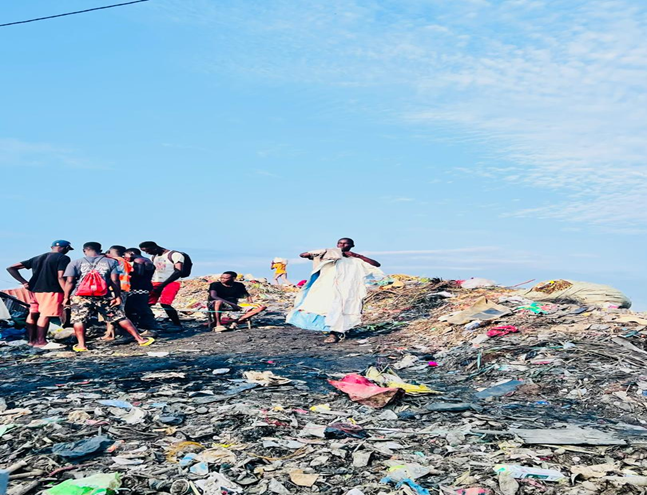
A photo of the sprawling Waterloo Bomeh dumpsite stretches along the Freetown-Waterloo Highway.

An additional photo of the dumpsite

Photos credit: Kemoh Saidu Sesay

  https://thecalabashnewspaper.com/archives/63875


FAWAZ Expands RANDCEM Cement Supply to Support Safer Construction Nationwide
 

Sierra Leone’s growing demand for housing, commercial buildings and public infrastructure has renewed attention on the quality of materials used throughout the construction sector.

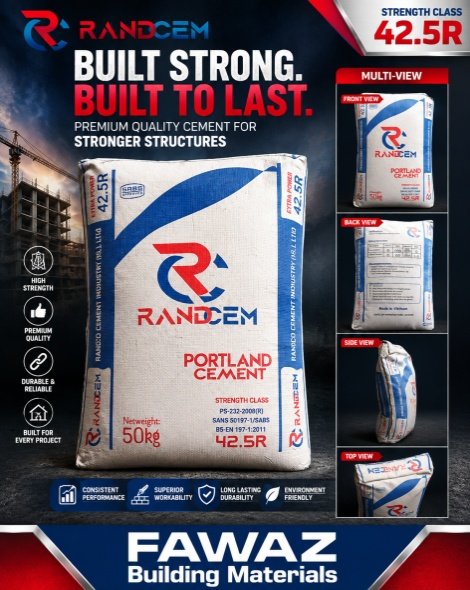
FAWAZ Building Materials is contributing to this development by making RANDCEM 42.5R Cement available to contractors, engineers, developers, masons and private individuals undertaking projects across the country.

Produced in Vietnam and packaged in 50-kilogram bags, RANDCEM 42.5R is intended for various concrete and masonry applications. These include foundations, columns, beams, floors, concrete blocks and other structural works.

FAWAZ Building Materials says the cement delivers consistent performance and dependable early strength when mixed and applied correctly. Its reported setting time of approximately 30 minutes under suitable conditions may also help construction teams work efficiently and maintain project schedules.

The company, however, emphasizes that cement quality is only one part of safe construction. Strong buildings also require professional designs, stable foundations, correct reinforcement, clean sand, suitable aggregates, proper measurements and competent supervision.

Controlling the quantity of water used during mixing remains particularly important. Excess water can reduce concrete strength, increase shrinkage and create cracks. Poor measurements involving cement, sand and aggregate may also weaken a structure and shorten its lifespan.

For some general concrete applications, builders commonly use a ratio of one part cement, two parts sand and four parts aggregate. Lean concrete may use one part cement, three parts sand and six parts aggregate. These proportions are general guidelines and should never replace project-specific instructions from qualified engineers.

Proper curing is equally critical. Freshly placed concrete should be kept adequately moist during its early stages to allow strength to develop and reduce the possibility of cracking. Failure to cure concrete properly can undermine its performance, even when reliable cement has been used.

RANDCEM bags should be stored in dry, covered and well-ventilated areas. They must be raised above the floor and protected from rain, damp walls, groundwater and leaking roofs. Once opened, any remaining cement should preferably be used within seven days or sealed securely against air and moisture.

Workers are also encouraged to use gloves and face masks to minimize exposure to cement dust and avoid prolonged skin contact. Safe lifting practices should be observed when handling the 50-kilogram bags, while cement must always be stored away from children.

Recurring concerns about building collapses have intensified calls for tougher construction controls in Sierra Leone. Structural failures are often linked to weak foundations, defective designs, inferior materials, poor workmanship and inadequate professional oversight.

Construction stakeholders have therefore urged the Sierra Leone Standards Bureau and other responsible institutions to strengthen inspections and regularly test cement products entering the market. Effective monitoring of importers, distributors and retailers would help protect consumers, discourage the sale of substandard materials and promote fair competition.

FAWAZ Building Materials says its distribution of RANDCEM 42.5R forms part of its commitment to supporting national development through reliable building products.

With construction activity continuing to expand, Sierra Leone’s ability to develop safer and longer-lasting structures will depend on quality materials, skilled workmanship, professional engineering and firm regulatory supervision. https://thecalabashnewspaper.com/archives/63869


Mercury International Unveils $120,000 End-of-Year Double Promotion
 

Mercury International has officially launched two major end-of-year raffles offering six grand prizes valued at a combined $120,000 to its online betting customers across Sierra Leone.

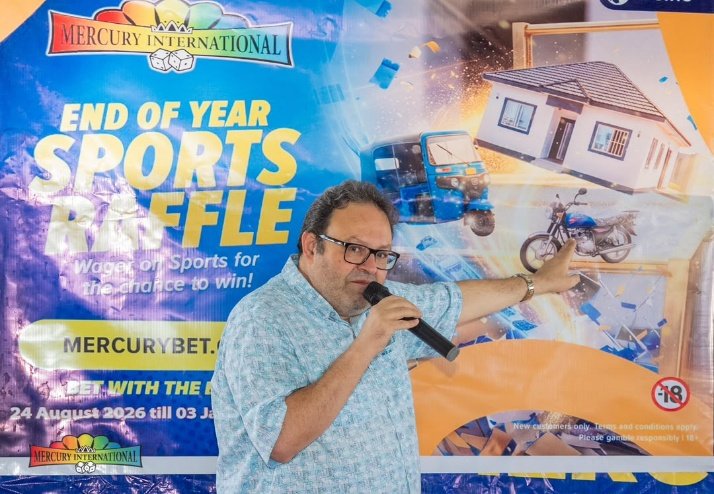
The Vegas Game Raffle and Sports Raffle were unveiled on 24 August 2026 at Gigibonta on Lumley Beach Road in Freetown. The promotions are intended to provide customers with opportunities to win valuable prizes ahead of the festive season.

Speaking at the launch, Mercury International Managing Director, Martin E. Michael, said the company is building on the success of its previous promotions by introducing even bigger rewards.

“We recently concluded a promotion in which we awarded a house, and as the Christmas season approaches, we are returning with greater prizes,” Martin E. Michael said.

Under the Vegas Game Raffle, eligible players will have the chance to win a brand-new 2026 Jetour T1 vehicle, an automatic scooter and an 85-inch smart television.

The Sports Raffle, which is exclusively designed for sports betting customers, will offer a two-bedroom house at TAF Salone, a TVS tricycle commonly known as a Kekeh and a Lifan motorbike.

Martin E. Michael described the initiative as a record-breaking promotion and assured customers that all six prizes would be awarded to the eventual winners.

“These raffles are genuine. We look forward to presenting the prizes to the winners in January 2027,” he stated.

Mercury International’s Deputy Online Manager, Octavus Jackson, explained that interested participants must first register an online account through the company’s official website, mercurybet.com.

According to him, customers will qualify for a Vegas Raffle ticket after accumulating wagers worth NLe250. For the Sports Raffle, customers must place accumulated bets valued at NLe50 to secure a ticket.

Octavus Jackson said the company would continue offering bonuses and other incentives to customers throughout the promotional period.

“Everyone who participates has an opportunity to benefit. Mercury remains generous with bonuses and committed to creating life-changing opportunities,” he said.

He added that prizes such as a house, vehicle, Kekeh or motorbike could significantly improve the economic circumstances of the winners.

“Acquiring some of these assets would ordinarily take people many years, but Mercury is giving customers an opportunity to win them within a short period,” Octavus Jackson noted.

Mercury International’s Public Relations Manager, Alhaji Komba, said the company’s activities extend beyond sports betting to creating excitement and happiness among Sierra Leoneans.

“Mercury International is not only about betting; it is also about putting smiles on the faces of Sierra Leoneans,” Alhaji Komba said.

Both promotions will run from 24 August 2026 to 3 January 2027. The company said the grand prizes would be formally presented to the winners in January 2027. https://thecalabashnewspaper.com/archives/63868


Professor Duramany-Lakkoh Strengthens IPAM’s Partnerships with LIPA, AMEU and MUN-Liberia
 

Prominent Sierra Leonean academic, entrepreneur and chartered accountant, Professor Ezekiel Kalvin Duramany-Lakkoh, has concluded a significant visit to Monrovia, Liberia, where he promoted stronger academic partnerships, collaborative research, postgraduate education and youth participation in Africa’s development.

Professor Duramany-Lakkoh, Deputy Vice Chancellor of the Institute of Public Administration and Management (IPAM), participated in four major engagements during the visit: the West Africa Academic Leadership Meeting, a partnership meeting with the Liberian Institute of Public Administration (LIPA), a partnership and Memorandum of Understanding review meeting with African Methodist Episcopal University (AMEU) and the sixth session of Model United Nations Liberia 2026.

Reflecting on the visit, Professor Duramany-Lakkoh said the engagements provided an important platform for discussing academic leadership, institutional cooperation, research opportunities and the role of young Africans in shaping the continent’s future.

The West Africa Academic Leadership Meeting brought together academic and institutional leaders to exchange ideas on strengthening higher education across the sub-region. Discussions centred on how universities and other academic institutions could collaborate to address emerging challenges and expand opportunities for students, researchers and professionals.

Professor Duramany-Lakkoh said participants placed particular emphasis on joint consultancy and research initiatives through which institutions could combine their expertise, resources and professional networks to conduct studies aligned with West Africa’s development priorities.

The meeting also explored the establishment of joint doctoral programmes. According to Professor Duramany-Lakkoh, collaborative PhD programmes could deepen institutional relationships, strengthen regional research capacity and enable scholars to pursue advanced studies within a more integrated West African higher education system.

He maintained that African academic institutions must move away from working in isolation and develop sustainable partnerships that promote knowledge exchange, academic mobility and cross-border research.

Professor Duramany-Lakkoh’s meeting with the Liberian Institute of Public Administration focused on strengthening institutional cooperation and identifying practical areas in which the two institutions could work together.

Discussions covered joint consultancy, research and professional capacity development, particularly in governance, leadership and public administration.

He noted that higher education institutions and public-sector organisations possess complementary strengths that could be combined to address governance and development challenges confronting African countries.

Professor Duramany-Lakkoh also participated in a partnership and MoU review meeting with African Methodist Episcopal University. The meeting assessed existing areas of cooperation and considered new opportunities to expand academic and research collaboration.

The discussions examined potential joint research projects, consultancy services and postgraduate programmes, including the possibility of developing joint PhD programmes.

Professor Duramany-Lakkoh stressed that institutional partnerships must go beyond ceremonial agreements and produce measurable benefits for students, academics, professionals and communities.

He said the meetings with LIPA and AMEU demonstrated the willingness of regional institutions to pursue sustainable relationships capable of generating meaningful academic and professional outcomes.

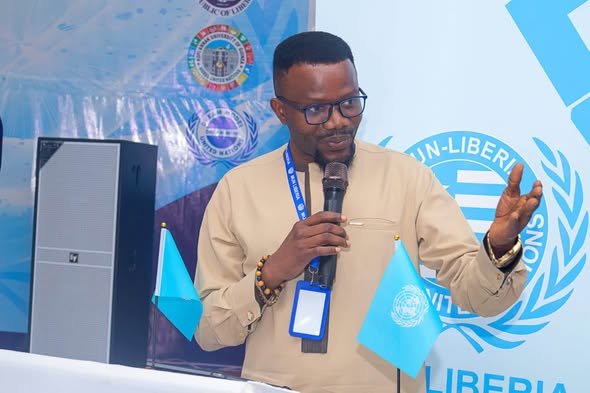
One of the major highlights of the visit was Professor Duramany-Lakkoh’s appearance as guest speaker at the opening of Model United Nations Liberia 2026 in Monrovia.

Addressing participants, he challenged young Africans to look beyond national boundaries and embrace opportunities to learn, compete, collaborate and build professional networks across the continent.

He encouraged young professionals to take greater responsibility for Africa’s development by becoming innovators, entrepreneurs, decision-makers and builders of strong institutions.

Professor Duramany-Lakkoh acknowledged the importance of understanding Africa’s colonial history but urged young people to focus more attention on practical actions that could improve the continent’s present and future.

He argued that Africa must build productive economies, improve regional integration and strengthen institutions capable of providing education, entrepreneurship and dignified employment opportunities.

“To avoid migration issues, we must build economies that create opportunities. If we strengthen institutions, invest in education and entrepreneurship, improve regional integration and create dignified employment, migration becomes a choice, not a survival strategy,” he stated.

Professor Duramany-Lakkoh said meaningful investments in young people could help countries retain their talent and enable African youth to contribute effectively to national and regional development.

More than 1,000 participants attended the two-day MUN-Liberia 2026 conference, which was organized to expose young people to diplomacy, international relations, negotiation, leadership and collaborative problem-solving.

The gathering included 250 delegates from different countries who participated in six specialized committees: the United Nations Security Council, UN Women, UNICEF, the United Nations Development Programme, the United Nations Framework Convention on Climate Change and the United Nations Population Fund.

Professor Duramany-Lakkoh described the scale and diversity of participation as evidence of the growing interest among young Africans in leadership and international affairs.

He said platforms such as MUN-Liberia enable young people to acquire practical skills, exchange ideas and interact with peers from different national and cultural backgrounds.

His message to the delegates was that young Africans should not regard themselves merely as beneficiaries of development programmes. Instead, they should consider themselves active partners with the capacity to influence decisions and build the continent’s future.

He warned that Africa could lose the enormous potential of its youthful population if governments and institutions failed to invest deliberately in quality education, entrepreneurship, regional integration and decent employment.

Professor Duramany-Lakkoh said the meetings and discussions in Monrovia reinforced the importance of stronger connections among African institutions, researchers, governments and young professionals.

He called on academic institutions to collaborate more closely, researchers to undertake cross-border projects and universities to create more opportunities for joint postgraduate education.

According to him, Africa possesses enormous human and intellectual resources, but their full potential can only be realised through systems that allow people to learn from one another, work together and access opportunities beyond their national boundaries.

Professor Duramany-Lakkoh described his visit as more than a series of formal meetings, saying it contributed to a broader discussion about using institutional cooperation to build knowledge, strengthen capacity and create opportunities for future generations.

He noted that the debates, negotiations and consensus-building exercises undertaken by MUN-Liberia delegates demonstrated that Africa’s young people must not only be prepared for the future but must also be given opportunities to help shape it.

“The future of Africa will be shaped by the quality of its institutions, the strength of its partnerships, the opportunities available to its young people and our collective willingness to work together across national boundaries,” Professor Duramany-Lakkoh stated.

He concluded that building a more connected, educated, innovative and prosperous Africa should not be treated as a future aspiration, but as a responsibility that African leaders and institutions must embrace today. https://thecalabashnewspaper.com/archives/63857


ECSL Finalizes University Curriculum on Political and Electoral Education
 

The Electoral Commission for Sierra Leone (ECSL) has completed the technical preparation of a Political and Electoral Education Curriculum for universities, marking significant progress in efforts to strengthen civic awareness and democratic participation among young people.

The initiative forms part of the implementation of Recommendation 13 of the Tripartite Committee, which calls for the integration of electoral and political education into university programmes across Sierra Leone.

The ECSL Technical Working Team concluded its final curriculum meeting on Wednesday, 26 August 2026, at the new Institute of Public Administration and Management building named after Professor Dr. Ekundayo J.D. Thompson.

The meeting concentrated on consolidating the curriculum and preparing the final draft for presentation to a wider plenary session involving Vice Chancellors, Principals and curriculum experts from tertiary institutions across Sierra Leone.

Members of the Technical Working Team reviewed and strengthened the contributions and technical inputs submitted by ECSL staff. They also ensured that the Commission’s proposals were properly incorporated into the curriculum and aligned with acceptable academic standards.

The final document is expected to provide university students with a deeper understanding of Sierra Leone’s political and electoral systems. Key areas include democratic principles, electoral laws and procedures, voter participation, political rights and responsibilities, electoral integrity and peaceful political engagement.

Students will also receive education on the role of citizens in democratic governance, respect for electoral outcomes, responsible political communication and the dangers of violence and misinformation.

According to the objectives of the initiative, the curriculum will equip students with the knowledge and critical-thinking skills required to make informed decisions and participate responsibly in political and electoral processes.

Universities are expected to play a greater role in promoting civic responsibility, tolerance, accountability, national cohesion and peaceful democratic participation among young Sierra Leoneans.

Young people constitute a significant proportion of Sierra Leone’s population and electorate. Improving their knowledge of elections, democratic institutions and governance is therefore considered essential to building a more informed, peaceful and responsible society.

The initiative could also help address political intolerance, electoral violence and the spread of misinformation, particularly among young voters. Through structured academic instruction, students will be encouraged to examine political issues critically, verify information and participate in national affairs without resorting to violence or hate speech.

The Technical Working Team said the latest engagement provided a clear roadmap for resolving the remaining issues and ensuring that the curriculum is comprehensive, academically sound and responsive to Sierra Leone’s electoral and governance environment.

Completing the technical work ahead of the plenary is also expected to make the validation exercise more focused, efficient and productive by reducing the amount of time needed to discuss outstanding matters.

The curriculum will now proceed to the plenary stage for final validation by university leaders and academic experts before its anticipated introduction in tertiary institutions.

Its successful completion represents another major milestone in implementing Tripartite Committee Recommendation 13 and institutionalizing Political and Electoral Education within Sierra Leone’s universities. https://thecalabashnewspaper.com/archives/63860


Vice President Backs Latter-Day Saints Church’s Plan to Create Hundreds of Jobs for Sierra Leonean Youths
 

Vice President, Dr. Mohamed Juldeh Jalloh, has pledged the Government’s support for an ambitious educational and employment initiative proposed by The Church of Jesus Christ of Latter-day Saints.

The initiative seeks to provide affordable, technology-based education while connecting qualified Sierra Leoneans with remote employment opportunities offered by companies worldwide.

Vice President, Dr. Mohamed Juldeh Jalloh, welcomed the proposal during a meeting with senior Church representatives at the Office of the Vice President in Freetown on Wednesday, August 26, 2026.

The discussions covered the Church’s “Succeed in School” programme, its healthcare interventions and plans to establish a Global Education Centre in Sierra Leone.

The proposed centre is expected to deliver accessible, high-quality education and equip young people with practical digital skills that could lead to employment and entrepreneurship. It could also connect Sierra Leonean graduates with international employers while allowing them to remain and work within the country.

Vice President, Dr. Mohamed Juldeh Jalloh, described the Global Education Centre as a promising intervention capable of helping young people acquire valuable knowledge, develop marketable skills and earn sustainable incomes through technology.

He assured the Church delegation that the Government would support the initiative, including efforts to accelerate the documentation and administrative processes required to establish the centre.

The Vice President also praised the Church for implementing community-focused programmes that complement the Government’s development priorities. He noted that improved access to education and employment would help young people become more productive, independent and responsible citizens.

According to him, providing a young man or woman with the opportunity to attend school and secure employment strengthens not only the individual but also the family, community and country.

Minister of Technical and Higher Education, Dr. Haja Ramatulai Wurie, said the growing partnership between the Government and The Church of Jesus Christ of Latter-day Saints is contributing to practical education and technical skills development.

She highlighted the Church’s assistance to technical institutions, including the provision of equipment to support hands-on training. She explained that the proposed centre corresponds with the Government’s objective of expanding technology-enabled learning and employment opportunities beyond Freetown.

Dr. Haja Ramatulai Wurie stressed that embracing technology is essential to preparing Sierra Leonean youths for the changing global labour market. She said young people must be equipped with relevant skills that could enable them to secure dignified employment or establish their own businesses.

Senior Church leader, Elder Clark G. Gilbert, confirmed plans to establish the Global Education Centre, saying it could create hundreds of employment opportunities through online education and remote work.

Elder Clark G. Gilbert explained that the centre would offer affordable education and prepare students for jobs with employers operating in different parts of the world. The arrangement would enable beneficiaries to earn international incomes without leaving Sierra Leone.

The proposed partnership is expected to strengthen the Government’s broader efforts to promote digital learning, technical education, youth empowerment and decent employment across the country. https://thecalabashnewspaper.com/archives/63854


As Secretary General Rejects Batilo Songa’s Claim… SLPP Faces Questions Over Flagbearer Process and Conflicting 2028–2030 Election Remarks
 

The debate over the Sierra Leone People’s Party’s leadership succession has intensified following conflicting statements from senior officials about who has the authority to select the party’s next presidential flagbearer.

SLPP National Secretary General, Umar Paran Tarawally has rejected remarks attributed to National Chairman, Sir Jimmy Batilo Songa suggesting that President Dr. Julius Maada Bio would determine the party’s next flagbearer.

Sir Jimmy Batilo Songa reportedly told a gathering of party officials that the SLPP leader would come with “a name” and members should follow the leader’s political direction. Some party members interpreted the statement as indicating that President Bio, who serves as the SLPP’s National Leader, would personally choose his successor.

Speaking on AYV’s State of the Nation programme on Wednesday, August 26, 2026, Umar Paran Tarawally said the chairman’s comments did not represent an official decision of the party.

“What Batilo said is his own opinion and does not represent the party,” Umar Paran Tarawally stated. “As Secretary General, all I know is that we have not taken that decision. He was very wrong to say so.”

Umar Paran Tarawally maintained that President Bio would not instruct party officials that he alone should determine the party’s next presidential candidate.

“President Bio will never communicate such a message to anybody. Jimmy Batilo knew exactly what the President said,” he added.

According to the Secretary General, President Bio has consistently maintained that SLPP delegates should decide who succeeds him as flagbearer. He defended the President’s democratic record, arguing that Bio had demonstrated respect for internal party democracy and national democratic institutions.

Umar Paran Tarawally disclosed that the SLPP expects to convene its delegates between March and April 2027 to decide who will lead the party into the next presidential election.

“Anytime between March and April next year, we will definitely convene the entire party delegates and decide on who takes over,” he said.

The controversy has also drawn criticism from SLPP National Trustee for the Eastern Region, Dr. James Vibbi, who accused Jimmy Batilo Songa of playing political “mind games” with party members.

Speaking on Truth FM 103.9’s Morning Devotion programme on August 26, 2026, Dr. James Vibbi argued that Jimmy Batilo Songa’s remarks appeared designed to create the impression that President Bio had already identified a preferred successor.

Dr. James Vibbi said the party could pursue consensus among stakeholders and prospective candidates. However, he maintained that if no consensus were reached, the flagbearer should be selected through a free and transparent election conducted in accordance with the SLPP Constitution.

He described President Bio as a cautious leader who does not make important political decisions hastily. Referring to the SLPP’s previous national chairmanship election, Dr. James Vibbi argued that the President did not impose a preferred candidate on party members.

He claimed that if President Bio had openly backed and imposed a particular candidate during that contest, Jimmy Batilo Songa might not have emerged as National Chairman.

Dr. James Vibbi alleged that the chairman was invoking the influence of the President to persuade party members to wait for a decision that might ultimately serve particular political interests.

“Jimmy Batilo Songa’s statement and actions are un-chairmanlike,” Dr. James Vibbi said. “I might write to the Secretary General, for the attention of the party leader, regarding the chairman’s actions and statements.”

He stressed that the National Chairman should remain neutral because several aspirants, movements and ideological groupings are expected to compete for influence during the succession process.

According to Dr. James Vibbi, the chairman should promote peace, reconciliation, harmony and cohesion rather than appear to favour a particular candidate or political bloc.

He also questioned the constitutional status of the gathering at which Jimmy Batilo Songa reportedly made his remarks, describing it as a constituency-level grouping that was not properly recognized under the party’s Constitution.

Dr. James Vibbi insisted that his criticism is not motivated by personal rivalry or ideological disagreement. He said his principal concern is protecting the SLPP Constitution and ensuring that the flagbearer-selection process remains credible, fair and transparent.

Meanwhile, SLPP National Public Relations Officer, Moses Mambu, has attracted public attention after reportedly referring repeatedly to the party winning the “2028 or 2030 elections” during an appearance on Liberty Online TV.

The reference to 2030 has generated questions because Sierra Leone’s next presidential and parliamentary elections are generally expected in 2028. Coming amid debate over proposed constitutional changes and discussion about a possible seven-year presidential term, the remark has fueled speculation among Government critics about a potential “More Time” agenda.

However, no evidence has been presented showing that the Government or SLPP has formally adopted a plan to postpone the elections until 2030. The controversy has nevertheless prompted demands for Moses Mambu and the wider party leadership to clarify whether the reference was simply a verbal error.

Moses Mambu had earlier explained that Jimmy Batilo Songa’s remarks concerned the chairman’s loyalty and that of the party to the political direction of President Bio as National Leader. He cited Article 6(c), subsection 1(a) of the SLPP’s August 2020 Constitution.

Salone Political Watch has also joined the debate, arguing that the SLPP belongs to its members and supporters rather than one individual, movement, faction or interest group.

The organisation welcomed Umar Paran Tarawally’s assurance that delegates would choose the flagbearer but demanded clarification of the official constitutional procedure, who is authorized to communicate the party’s position and whether every prospective candidate will receive a level playing field.

It further urged the SLPP leadership to issue a collective statement to prevent conflicting interpretations from causing divisions among grassroots supporters, constitutional chairmen, stakeholders and potential aspirants.

The controversy now extends beyond the disagreement between Jimmy Batilo Songa and Umar Paran Tarawally. It raises broader questions about internal democracy, leadership neutrality and the credibility of the process that will produce the SLPP’s next presidential candidate.

With the proposed delegates’ gathering expected between March and April 2027, party members and the public will be watching for a process guided by the SLPP Constitution, equal treatment of aspirants and a clear answer concerning whether the next national elections will be held in 2028 or at another date.

The party also faces growing pressure to provide an unambiguous explanation of Moses Mambu’s “2028 or 2030” remark and reassure the public about its commitment to Sierra Leone’s established electoral timetable.

With preparations for the succession contest gaining momentum, the exchanges have exposed differences among senior SLPP officials over how the party’s next flagbearer should emerge. Party members are now awaiting an authoritative clarification that could settle the controversy and reassure potential aspirants that the process will follow the SLPP Constitution. https://thecalabashnewspaper.com/archives/63851


2028 or 2030? SLPP Mambu’s Reckless Remark Fuels “More Time” Suspicions
Words spoken by those who stand at the centre of political power are never empty. They can reassure a nation or unsettle it; strengthen democracy or deepen suspicion. This is why the repeated reference to “2028 or 2030 elections” by Moses Mambu, National Public Relations Officer of the ruling Sierra Leone People’s Party, cannot simply be dismissed as humour, political entertainment or an innocent slip of the tongue. It was a reckless political pronouncement that struck directly at public confidence in Sierra Leone’s democratic future.

Moses Mambu is not an ordinary party supporter speaking casually at a gathering. He is the chief public spokesperson of the SLPP, the party controlling the Government. His statements will naturally be examined for clues about the thinking, intentions and possible direction of the ruling establishment. Mentioning 2030 repeatedly during his appearances on SLIK and Liberty Online TVs therefore created the disturbing impression that some elements within the SLPP may be quietly testing public reaction to a possible extension of the Government’s tenure beyond 2028.

Sierra Leone’s next presidential and parliamentary elections are generally expected in 2028. Any suggestion of 2030 is bound to provoke serious questions, particularly at a time when the country is debating constitutional amendments and confronting speculation about a possible seven-year presidential term. Against this sensitive political background, Moses Mambu’s statement was not only careless; it was inflammatory and damaging to national cohesion.

There is presently no credible evidence that the Government or SLPP has formally resolved to postpone the elections. That fact must be clearly acknowledged. However, politics is shaped not only by official resolutions but also by signals, language and public perception. When the National Public Relations Officer of the governing party repeatedly introduces 2030 into a discussion about elections, citizens have every right to ask whether the statement was a mistake, a political trial balloon or an attempt to prepare the country psychologically for a “More Time” agenda.

Moses Mambu reportedly compounded the controversy by referring to former President Ernest Bai Koroma of the All People’s Congress, whose tenure extended beyond the initial electoral timetable during the Ebola crisis. That comparison is dangerously misleading. Ebola was a devastating national emergency that killed thousands, disrupted communities, weakened institutions and made normal electoral activities extremely difficult. It was not a convenient political arrangement manufactured to keep a Government in office. Invoking that tragedy to rationalize contemporary talk about 2030 trivializes the suffering Sierra Leone endured.

After widespread condemnation across social media, Moses Mambu appeared to make an embarrassing retreat during an interview with Lamrana Bah of Truth Media on August 27, 2026. Asked whether he was advancing a 2030 agenda to extend his own relevance within the SLPP, he described the controversy as “political basketball.” He suggested that when people become excessively focused on one issue, politicians may divert their attention towards something else.

That explanation is deeply troubling. Election dates are not toys for political diversion. The constitutional future of Sierra Leone cannot be reduced to a gimmick designed to confuse citizens, dominate social media discussions or distract attention from uncomfortable national questions. Calling the statement “fun,” an “aside” or a “political jab” after public outrage does not repair the damage. It instead reveals a disturbing lack of appreciation for the responsibilities attached to his office.

Even more unsatisfactory was Moses Mambu’s refusal to affirm that elections would be conducted in 2028, arguing that he lacked the constitutional authority to decide. Although technically correct, that was politically evasive. He was not being asked to set an election date; he was being invited to reassure the nation that his party respects the existing constitutional timetable.

The SLPP leadership must now speak clearly and decisively. It should tell Sierra Leoneans whether it remains committed to elections in 2028. Silence, ambiguity and political wordplay will only strengthen suspicion. Sierra Leone’s hard-earned peace and democracy demand responsible leadership. Election is a constitutional obligation not a political basketball. https://thecalabashnewspaper.com/archives/63848