Sierra Leone’s National Minerals Agency (NMA) is set to host the country’s first PanAfGeo training course from December 7 to 12, 2026, bringing together geoscientists from Africa and Europe for specialised training in geohazards and mine environmental management.
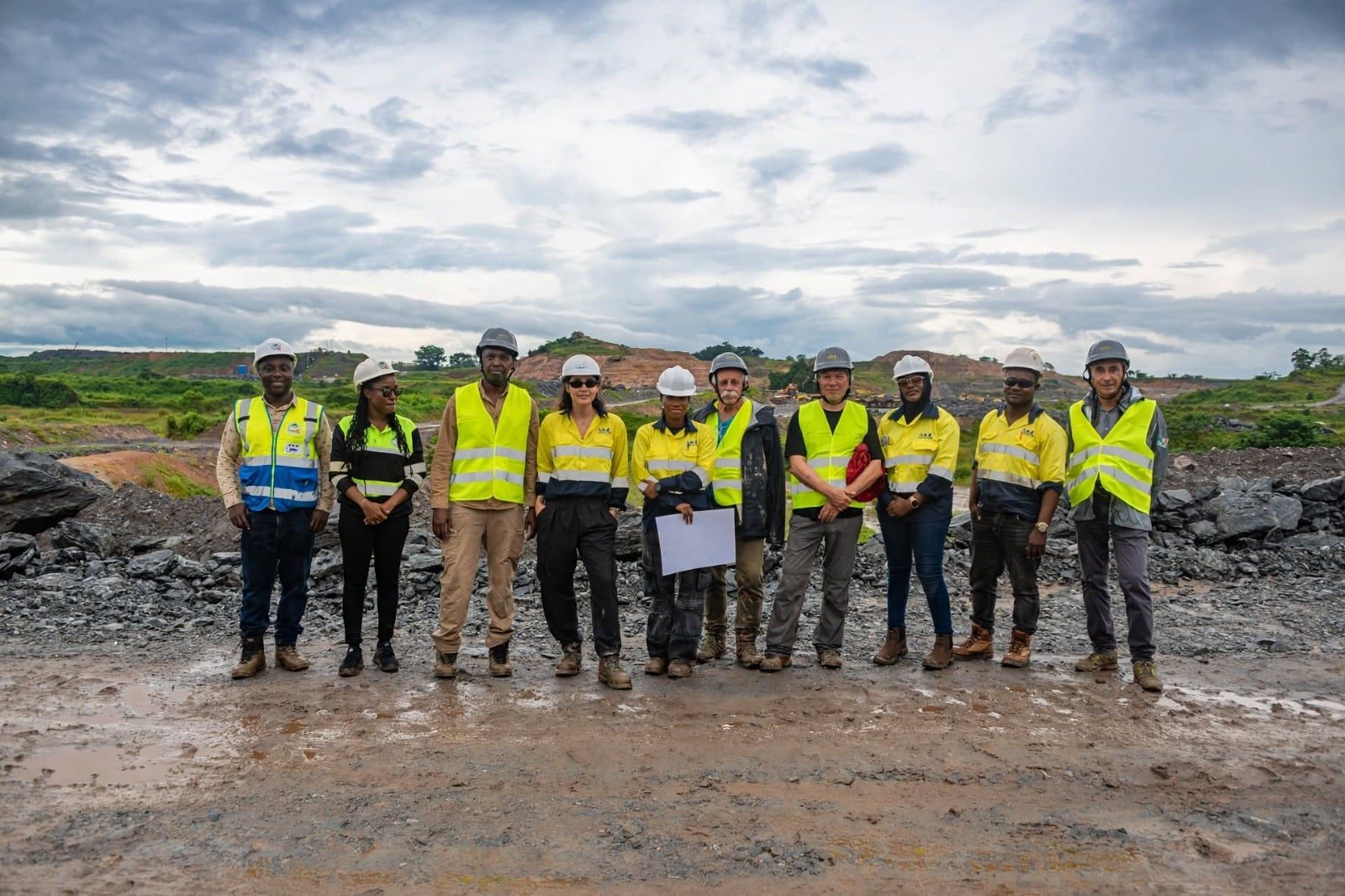
Preparations for the programme followed a week-long visit to Freetown by a team of international geologists led by Professor Stanisław Wołkowicz of the Polish Geological Institute, together with Giuseppe Delmonaco and Dr. Francesco Traversa of the Geological Survey of Italy (ISPRA).
The visiting experts worked with the National Minerals Agency to assess potential field locations and make technical preparations for the training, which is expected to attract approximately 35 geologists and five expert trainers from Africa and Europe.
The programme will combine classroom instruction with practical fieldwork, giving Sierra Leonean geoscientists an opportunity to work alongside international experts and strengthen their knowledge of geological hazards, mining risks and environmental management.
Participants are expected to conduct field investigations in selected hillside areas of Freetown to examine factors responsible for slope failures and landslides. They will also undertake geotechnical assessments of exposed rock faces at amphibolite quarries and examine slope stability and waste management practices at an active hematite mining site.
The practical exercises are intended to strengthen the capacity of geoscientists to identify geological risks, assess vulnerable areas and recommend measures to reduce the impact of natural and mining-related hazards.
During their preparatory mission, the international delegation also held discussions with the National Disaster Management Agency (NDMA). The engagement focused on strengthening cooperation between geological institutions and disaster management authorities, particularly in the use of geoscience data for disaster risk reduction, preparedness and emergency response.
The initiative comes at a time when Sierra Leone continues to address the risks associated with landslides, slope instability and mining activities. Improved geological assessment and monitoring are considered important to protecting communities, infrastructure and the environment, particularly in areas vulnerable to natural hazards.
Sierra Leone’s extractive sector, which includes iron ore, diamonds, rutile, bauxite and gold, remains an important part of the national economy. Strengthening the technical capacity of local geoscientists is therefore expected to support safer and more environmentally responsible mining practices while improving the country’s ability to manage geological hazards.
The December training will also mark an important step in Sierra Leone’s participation in PanAfGeo+ 2025–2029, the third phase of the geological support programme designed to strengthen geoscientific expertise and institutional cooperation across Africa.
PanAfGeo+ is funded by the European Commission’s Directorate-General for International Partnerships and jointly managed by EuroGeoSurveys, the Organisation of African Geological Surveys and the French Geological Survey (BRGM).
Since its launch in 2016, the PanAfGeo initiative has trained more than 1,750 geoscientists across Africa, providing technical knowledge and practical skills in different areas of geoscience.
Hosting the programme will provide Sierra Leonean professionals with direct access to international expertise while strengthening cooperation between the National Minerals Agency and geological institutions across Africa and Europe. https://thecalabashnewspaper.com/archives/64983

No comments:
Post a Comment