Friday, 21 August 2026


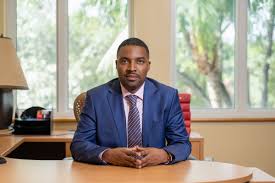
Sierra Leone’s Professor Charles C. Jalloh Secures Broad International Backing for ICJ Election
 

Sierra Leonean international law scholar and jurist, Professor Dr. Charles C. Jalloh, is heading into the November 3, 2026 election for the International Court of Justice (ICJ) with significant regional and international backing, following endorsements from the Economic Community of West African States (ECOWAS), the African Union (AU) and nominations by 13 countries from across the United Nations regional groups.

Professor Dr. Charles C. Jalloh has been presented as West Africa’s sole candidate for election to the ICJ, widely known as the World Court, in what is being viewed as an important opportunity for Sierra Leone, West Africa and the African continent to strengthen their representation within one of the world’s most important judicial institutions.

In July 2026, the ECOWAS Heads of State and Government endorsed Professor Dr. Charles C. Jalloh as the regional bloc’s sole candidate for the International Court of Justice. The African Union’s Ministerial Executive Council subsequently endorsed his candidacy during the same month.

His nomination by 13 States representing all United Nations regional groups has further strengthened his international credentials and demonstrated support extending beyond the African continent.

Professor Dr. Charles C. Jalloh currently holds the Richard A. Hausler Chair in Law at the University of Miami School of Law and has served as a member of the International Law Commission (ILC) since 2017.

During his tenure at the Commission, he has been elected by his peers to several leadership positions. He served as Chair of the Drafting Committee in 2018, General Rapporteur in 2019 and Second Vice-Chair in 2023. He has also served as Chair of the Working Group on Methods of Work and Procedures since 2023.

His professional background combines extensive academic scholarship with practical experience in international litigation. Trained in both Common Law and Civil Law traditions, Professor Dr. Charles C. Jalloh has appeared and acted as counsel in proceedings before major international judicial institutions, including the International Criminal Court (ICC), International Court of Justice and International Tribunal for the Law of the Sea (ITLOS).

His experience across different legal traditions is considered particularly relevant to the ICJ, whose Statute requires representation of the principal legal systems of the world.

Professor Dr. Charles C. Jalloh also serves as the International Law Commission’s Special Rapporteur on “Subsidiary Means for the Determination of Rules of International Law,” placing him among a relatively small number of African jurists who have served as Special Rapporteurs during the Commission’s nearly eight decades of existence.

His work in that capacity reached a major milestone in August 2026 when the International Law Commission completed the first reading of 13 draft conclusions and accompanying commentaries on the topic. The work contributes to ongoing efforts to clarify the sources, methodology and determination of rules of international law.

Beyond his role as Special Rapporteur, Professor Dr. Charles C. Jalloh has contributed extensively to the Commission’s broader programme of work, strengthening his profile as an experienced international lawyer with both scholarly and institutional expertise.

Supporters of his candidacy describe him as a globally respected international legal scholar capable of bringing independence, impartiality, integrity and extensive professional experience to the World Court.

The November 3 election is expected to carry particular significance for West Africa, with Professor Dr. Charles C.Jalloh’s candidacy offering the region an opportunity to once again secure representation on the bench of the International Court of Justice.

The ICJ is the principal judicial organ of the United Nations and plays a central role in resolving legal disputes between States and providing advisory opinions on questions of international law.

Professor Dr. Charles C.  Jalloh’s candidacy therefore extends beyond Sierra Leone’s national aspirations. With the backing of ECOWAS and the African Union, his campaign represents a broader West African and continental effort to strengthen Africa’s contribution to international jurisprudence and the peaceful settlement of disputes.

Attention will now turn to November 3, 2026, when the election will provide United Nations member states with the opportunity to determine the composition of the World Court and Professor Dr. Charles C. Jalloh’s bid to serve on its bench.

For Sierra Leone, his candidature represents a significant moment for the country’s international profile, while for West Africa his election would mark a return to representation from the region on the world’s highest international court. https://thecalabashnewspaper.com/archives/63700

ONS Confirms Nationwide Hunt for Suspected Drug Traffickers Umarr Sheriff and Jos Leijdekkers
 

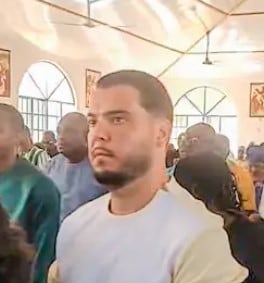
Sierra Leone’s security agencies have intensified their search for Umarr Sheriff and alleged international drug trafficker Jos Leijdekkers as part of ongoing efforts to disrupt organized drug trafficking networks operating across national borders.

Abdul Karim Will, Director of Strategic Communications at the Office of National Security (ONS), confirmed the search during AYV’s State of the Nation programme on Wednesday, August 19, 2026. The programme was hosted by journalist Umaru Fofana.

“We are officially looking for Umarr Sheriff, and we are also looking for Jos Leijdekkers in Sierra Leone,” Abdul Karim Will said.

He disclosed that Sierra Leonean security authorities had conducted joint operations with their Liberian counterparts, highlighting the importance of regional cooperation in combating the movement and distribution of illegal drugs.

According to Abdul Karim Will, the prompt exchange of credible intelligence among security agencies is essential to identifying suspects, intercepting illegal shipments and dismantling the networks responsible for supplying drugs across borders.

“It is important that sensitive information is communicated promptly to help curtail the drug supply chain,” he stated.

Abdul Karim Will explained that international drug trafficking networks are often highly organized and possess the resources and expertise required to infiltrate institutions and exploit weaknesses in national security systems.

He, however, assured the public that Sierra Leone’s security architecture remains coordinated and prepared to respond effectively to such threats.

“These individuals are organized and know how to penetrate systems. That is why the ONS is equally organized and prepared to counter their activities,” he said.

The ONS Director of Strategic Communications appealed to members of the public to provide credible information that could assist the authorities in locating the two individuals.

“I am calling on the public to assist us with information about the whereabouts of Jos Leijdekkers,” Abdul Karim Will said.

He further urged anyone with information regarding either suspect to contact the appropriate security authorities.

“If you have any information about Umarr Sheriff or Jos Leijdekkers, whom we are currently looking for, we encourage you to share that information with the relevant authorities,” he added.

The Office of National Security maintained that public cooperation, effective regional coordination and the timely sharing of intelligence remain essential to disrupting organized drug trafficking networks and protecting Sierra Leone from transnational criminal activities.

  https://thecalabashnewspaper.com/archives/63697


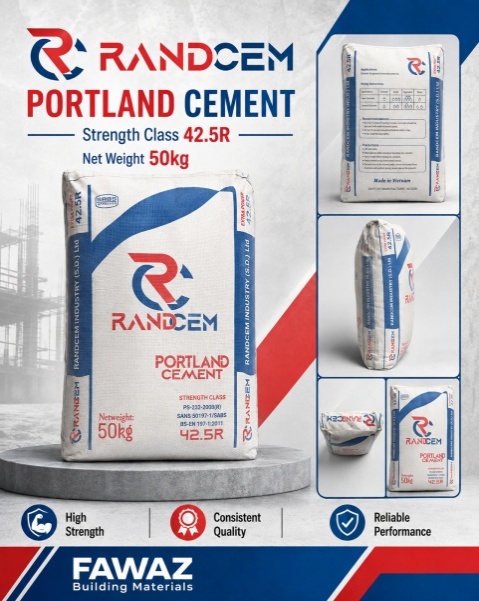
FAWAZ RANDCEM Cement Gains Market Confidence as Sierra Leone’s Construction Sector Expands
 

Sierra Leone’s growing investment in housing, commercial facilities and public infrastructure has increased the need for dependable building materials. Responding to this demand, FAWAZ Building Materials is promoting RANDCEM 42.5R Cement as a reliable product for contractors, engineers, developers, masons and homeowners.

Construction activity continues to expand across the country, with new houses, schools, hospitals, offices, shopping centres and other major projects taking shape. This development has renewed public attention on structural safety and the importance of choosing cement that delivers consistent results.

Manufactured in Vietnam, RANDCEM Cement is supplied in 50-kilogram bags and classified under Strength Class 42.5R. The product is designed for general concrete and masonry work, making it suitable for foundations, columns, beams, floors, concrete blocks and other important building components.

FAWAZ Building Materials says RANDCEM Cement provides the consistency required for residential, commercial and public infrastructure projects. Its strength classification makes it a practical choice for customers seeking both durability and value for their investments.

One of the product’s recognized features is its early-setting performance. Under suitable working conditions, RANDCEM Cement reportedly begins setting within approximately 30 minutes. This can assist builders in organizing their work efficiently, particularly on projects where time and productivity are important.

The company has stressed, however, that early setting requires proper planning at the construction site. Sand, aggregate, water and other materials should be prepared before mixing begins, while the concrete must be placed and compacted without unnecessary delay.

Construction professionals have repeatedly cautioned that quality cement must be combined with sound engineering and responsible workmanship. A safe structure depends on several factors, including approved designs, strong foundations, clean sand, appropriate aggregates, correct water measurements, proper reinforcement and professional supervision.

For ordinary concrete work, a general mixture of one part cement, two parts sand and four parts aggregate may be used, with water carefully controlled. Lean concrete may require one part cement, three parts sand and six parts aggregate. However, builders are advised to follow project-specific instructions provided by qualified engineers.

The volume of water added to any concrete mixture must also be carefully managed. Excessive water may weaken the concrete, increase shrinkage and contribute to cracking. Poor measurements of sand or aggregate can similarly reduce the quality and long-term performance of a structure.

Curing remains an essential part of construction and should not be neglected. Newly cast concrete surfaces must be kept sufficiently moist during the early stages of development, particularly within the first few days. Proper curing helps concrete achieve the required strength and protects it from premature damage.

RANDCEM Cement’s growing presence in Sierra Leone reflects changing attitudes among consumers. Many contractors and property owners are now looking beyond the immediate price of cement and considering consistency, structural performance, safety and long-term value.

Proper storage is equally important in maintaining the product’s condition. Cement bags should be kept in a dry, covered and well-ventilated location. They should be raised above the floor and protected from rain, groundwater, leaking roofs and damp walls.

Opened bags should preferably be used within seven days. Where this is not possible, the remaining cement must be tightly sealed and protected from exposure to moisture and air, which can affect its quality and performance.

Workers handling RANDCEM Cement are encouraged to observe basic health and safety measures. Gloves and face masks should be worn to reduce exposure to cement dust, while safe lifting procedures should be followed when carrying the 50-kilogram bags. The product must also be kept beyond the reach of children.

Public concern over building collapses has further highlighted the need for stronger regulation and enforcement within Sierra Leone’s construction industry. Structural failures may result from several problems, including defective designs, inferior materials, weak foundations, poor mixing practices and inadequate professional supervision.

Stakeholders have consequently urged the Sierra Leone Standards Bureau and other responsible institutions to strengthen market inspections and laboratory testing. Regular monitoring of importers, distributors and retailers would help ensure that cement products meet the required standards before reaching consumers.

Stronger enforcement would also protect customers from substandard materials, encourage fair competition among suppliers and promote greater accountability throughout the construction sector.

FAWAZ Building Materials says its distribution of RANDCEM 42.5R Cement reflects the company’s broader commitment to supplying products that contribute to Sierra Leone’s development. The company continues to focus on quality, customer confidence and dependable service.

With its 42.5R strength classification, early-setting properties and suitability for different building applications, RANDCEM Cement is establishing itself as a competitive option in the country’s construction market.

Sierra Leone’s development ambitions will ultimately depend on structures that are professionally designed, properly supervised and built with tested materials. By supplying RANDCEM 42.5R Cement, FAWAZ Building Materials is supporting builders and property owners in delivering projects designed to remain strong, safe and durable for generations. https://thecalabashnewspaper.com/archives/63690


SLURC Hands Over Climate Resilient Housing Upgrades in Moyiba
 

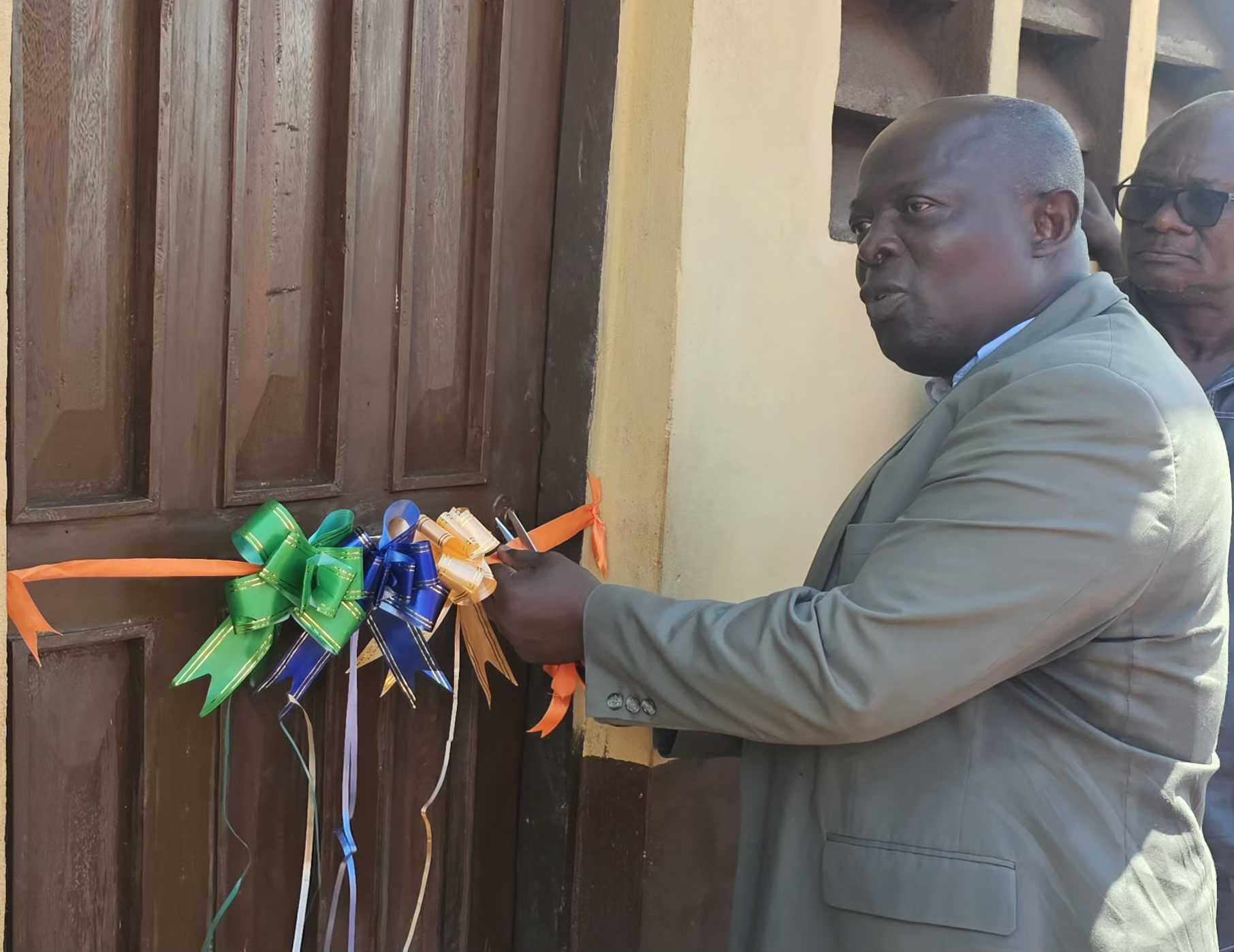
The Sierra Leone Urban Research Centre (SLURC) formally handed over four upgraded climate resilient homes to beneficiaries in the Moyiba informal settlement as part of efforts to demonstrate affordable ways of improving housing resilience to climate change. The ceremony was held on Thursday, August 20, 2026,

The intervention was implemented under the URBAN TRACS project, Transformative Research for Adaptation to Climate Change in Informal Settlements, which uses research and community participation to identify practical solutions to climate related challenges affecting vulnerable urban communities.

The four upgraded homes form part of SLURC’s pilot resilience intervention, designed to test affordable measures that can strengthen existing houses against climate shocks while improving the comfort, safety and living conditions of residents.

The project involved local builders, labourers and researchers from Moyiba, as well as architecture students, ensuring that members of the community participated directly in the assessment, design and construction process.

Speaking at the handover, SLURC Executive Director, Dr. Joseph M. Macarthy, said the project demonstrated the importance of combining research, community knowledge and practical interventions to address the challenges facing informal settlements.

He said SLURC’s work over the past decade had focused on generating evidence from communities and sharing research with Government institutions, development partners and other stakeholders to support better urban development decisions.

Dr. Joseph M. Macarthy said climate change posed an increasing threat to Sierra Leone, particularly to vulnerable communities exposed to rising temperatures, intense rainfall and other climate related hazards.

He explained that the effects of climate change could damage homes and infrastructure, disrupt livelihoods and reverse development gains, making climate resilience an urgent priority.

According to him, the Moyiba project is intended to show that improving vulnerable communities did not necessarily require expensive housing schemes or the relocation of residents.

He said SLURC instead sought to identify affordable interventions that could strengthen existing homes and make them safer and more resilient.

The Executive Director said the approach was based on the principle that residents should be part of identifying problems and developing solutions because they possess important knowledge about the conditions in their communities.

He added that SLURC’s interventions extend beyond housing to areas such as drainage improvement, water provision and rainwater management, all aimed at strengthening resilience in vulnerable communities.

Research Officer at SLURC, Ansumana Tarawally, explained that the project began with an assessment of housing conditions in Moyiba to identify structures most vulnerable to climate shocks.

He said researchers examined the condition of foundations, walls and roofs, the number of people living in each household, the size of the houses and the economic circumstances of homeowners.

Ansumana Tarawally said several houses were found to have weak foundations and damaged structures, while some experienced water entering their homes during heavy rainfall.

The research team initially assessed a wider group of houses before applying specific criteria to identify those most suitable for the pilot intervention. Ten houses were eventually selected for detailed assessment and design, with four receiving the current upgrades.

He said homeowners and their neighbours were involved in discussions and design validation to ensure that the proposed interventions reflected their actual needs.

The upgrades varied according to the condition of each house and included foundation and wall strengthening, roof improvements, ceiling installations, better ventilation, improved windows, privacy measures and other structural interventions.

Ansumana Tarawally said the project also focused on the use of affordable and durable materials, noting that poor quality materials often have short lifespans and increase maintenance costs for low income households.

He said some of the homes were fitted with improved windows and ventilation systems to allow air and natural light into the buildings while maintaining security. Other interventions were aimed at reducing excessive indoor heat and improving protection against heavy rainfall and strong winds.

A key feature of the project was the involvement of local workers and young people. Tarawally said local builders and labourers were engaged in the construction, while architecture students and researchers contributed to the assessment and design process.

He said the approach was intended to ensure that knowledge and skills gained through the project remained within the community and could be applied to other homes.

SLURC also installed temperature monitoring devices in selected houses to collect data on indoor conditions before and after the interventions.

Ansumana Tarawally said the data would allow researchers to measure the impact of the upgrades and identify which interventions were most effective in improving thermal comfort and climate resilience.

He said the findings would contribute to SLURC’s wider research and could help guide similar interventions in other informal settlements across Sierra Leone.

One of the beneficiaries, Isata Mansaray, a mother of two, expressed appreciation to SLURC for transforming her previously dilapidated home.

Isata Mansaray, who said she had been abandoned by her husband and is raising her children in difficult circumstances, described the intervention as a significant improvement in her family’s living conditions.

She said the condition of the house had exposed her family to several difficulties, particularly during heavy rainfall and expressed gratitude for the opportunity to live in a safer and more comfortable environment.

She appealed for similar interventions to be extended to other vulnerable households in Moyiba, noting that many residents continue to live in poor housing conditions.

Chief of Moyiba, Chief Yaraba Bangura, also commended SLURC for the intervention and urged the beneficiaries to take responsibility for maintaining the upgraded homes.

He said the project had demonstrated that practical improvements could make a significant difference in the lives of residents and called for continued collaboration between SLURC, the community and other development partners.

The Chief appealed for the expansion of the initiative, noting that many other households in Moyiba continue to live in vulnerable and deteriorating structures.

He urged organisations and development partners to consider supporting similar housing improvements in the community, stressing that the needs extend beyond the four homes upgraded under the pilot project.

The handover marks another step in SLURC’s efforts to generate practical evidence on climate resilient housing and demonstrate solutions that can be adapted and replicated in other vulnerable urban communities.

Through continued monitoring, research, training and community engagement, SLURC aims to use the lessons from Moyiba to inform broader approaches to affordable and climate resilient housing in Sierra Leone. https://thecalabashnewspaper.com/archives/63687


MTHE Bids Farewell to 26 Sierra Leonean Scholarship Awardees Bound for Hungary
 

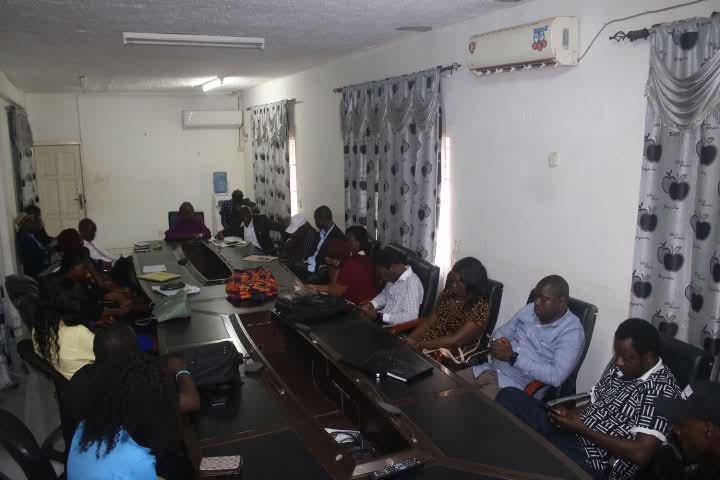
The Ministry of Technical and Higher Education (MTHE) has officially bid farewell to 26 Sierra Leonean students awarded scholarships under the 2026/2027 Stipendium Hungaricum Scholarship Programme.

The beneficiaries are expected to pursue undergraduate, Master’s and Doctoral programmes at various universities in Hungary. During a pre-departure engagement, Government officials encouraged them to remain focused on their studies, conduct themselves responsibly and serve as worthy representatives of Sierra Leone.

Acting Students Secretary at the Ministry of Technical and Higher Education, George A. Dambo, disclosed that more than 1,000 Sierra Leoneans applied for the scholarship programme. Following screening and interviews, approximately 300 applicants were shortlisted and 75 nominated, with 26 ultimately securing the awards.

George A. Dambo said about 91 Sierra Leoneans are currently studying in Hungary under the programme. That number is expected to increase to approximately 117 when the new beneficiaries commence their studies.

He thanked the Ministry of Foreign Affairs and International Cooperation, the Sierra Leone High Commission in Accra and Hungary’s Honorary Consul in Freetown, Jihad N. Eter for supporting the students throughout the visa and biometric processes.

Director of Science Education at the Ministry of Technical and Higher Education, Fatmata Kaiwa, urged the beneficiaries to remain disciplined, focused and fully committed to their academic responsibilities.

Fatmata Kaiwa reminded the students that they would be representing Sierra Leone abroad and cautioned them against misconduct and academic dishonesty. She noted that their behaviour and academic performance could affect future scholarship opportunities for other qualified Sierra Leoneans.

Director of the Europe Division at the Ministry of Foreign Affairs and International Cooperation, Akibo-Jones, similarly encouraged the beneficiaries to protect Sierra Leone’s reputation through hard work, discipline and responsible conduct.

She said their academic success would contribute to strengthening the bilateral relationship between Sierra Leone and Hungary. Akibo-Jones disclosed that the Ministry of Foreign Affairs and International Cooperation is working closely with Sierra Leone’s diplomatic mission in Berlin to support the students during their stay in Hungary.

Senior Human Resources Officer at the Ministry of Technical and Higher Education, William Saha, advised the beneficiaries to respect Hungarian laws, culture and social practices.

He encouraged them to exercise caution when choosing friends and avoid activities that could distract them from their studies. William Saha warned the students not to allow part-time employment or excessive social activities to interfere with their academic responsibilities.

He further encouraged the beneficiaries to return to Sierra Leone after completing their studies and apply the knowledge, skills and international experience acquired in Hungary to the country’s development.

Speaking on behalf of the beneficiaries, Eliza Akibo-Jones, who is expected to study International Relations at Corvinus University of Budapest, expressed gratitude to the Government and people of Hungary for the scholarship opportunity.

She pledged that the beneficiaries would work hard and return home with knowledge and expertise that could contribute meaningfully to Sierra Leone’s development.

Eliza Akibo-Jones also appealed for continued support for the scholarship programme, particularly in addressing visa processing and travel-related costs encountered by beneficiaries.

Another beneficiary, Malikie Sheriff, who will pursue a Master’s degree in International and European Trade Law at the University of Szeged, said the scholarship would help address Sierra Leone’s shortage of specialized expertise in international trade law.

Malikie Sheriff pledged to use the training to strengthen the country’s legal jurisprudence and support Sierra Leonean businesses involved in international trade.

The beneficiaries were urged to make responsible use of the opportunity, comply with all scholarship requirements and concentrate on successfully completing their respective programmes.

The Stipendium Hungaricum Scholarship Programme provides international students with opportunities to pursue higher education at recognized Hungarian institutions. Sierra Leone’s continued participation in the programme is expected to strengthen the country’s human-resource capacity and deepen educational cooperation with Hungary. https://thecalabashnewspaper.com/archives/63681


Vice President Calls for Policies That Deliver Meaningful Results for Citizens at National Symposium
 

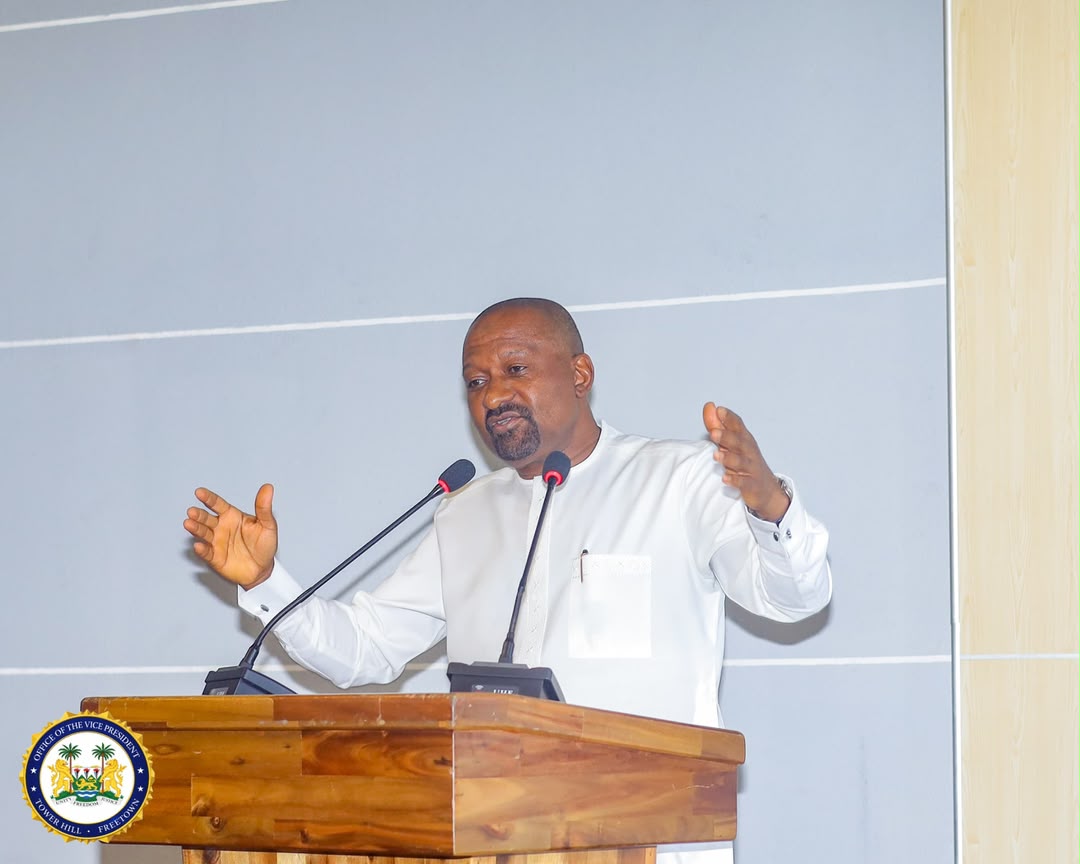
Vice President Dr. Mohamed Juldeh Jalloh has said the Government is practicing the “politics of painful choices” as difficult global economic conditions continue to affect small economies such as Sierra Leone.

Speaking at the opening of the National Symposium on Policy Coherence, Coordination and State Effectiveness in Freetown on Thursday, August 20, 2026, the Vice President said limited resources and competing national priorities were compelling the Government to make difficult trade-offs.

He stressed that improving the Government’s ability to translate national priorities into meaningful results for citizens is essential to Sierra Leone’s development.

“Today, I had the pleasure of opening the National Symposium on Policy Standardization in Sierra Leone, focused on strengthening policy coherence,” Vice President Dr. Mohamed Juldeh Jalloh said. “Improving the effectiveness of translating Government’s priorities into meaningful results for the people of Sierra Leone is vital.”

The Vice President explained that Sierra Leone’s challenge is not necessarily a shortage of policies, but the need for Ministries, Departments and Agencies to coordinate effectively in implementing them.

He said major national priorities, including food security, youth employment and healthcare, require coordinated Government action because they involve the responsibilities of several public institutions.

Vice President, Dr. Mohamed Juldeh Jalloh, urged public institutions to move away from working in isolation and ensure that policy decisions are guided by reliable evidence and the realities confronting citizens.

He cited unreliable electricity affecting hospitals and medical equipment as an example of how weaknesses in one sector could undermine service delivery in another. He said addressing such challenges require cooperation among institutions responsible for health, energy, finance, infrastructure and local Government.

The Vice President linked stronger policy coordination to President Dr. Julius Maada Bio’s public-sector reform agenda which seeks to build a more efficient, professional, responsive and results-oriented public service.

He encouraged public servants to measure success by the results delivered to citizens instead of focusing only on the production of policy documents or the launching of Government programmes.

Vice President, Dr. Mohamed Juldeh Jalloh, further called for Government policies to have clearly defined institutional responsibilities, realistic financing, practical implementation plans, measurable outcomes and regular monitoring and review.

He warned that limited resources and competing priorities meant the Government could not afford policy duplication, institutional fragmentation or the inefficient use of public funds.

According to him, stronger collaboration would help public institutions maximize available resources, prevent conflicting programmes and improve the implementation of Sierra Leone’s national development agenda.

The National Symposium brought together senior Government officials, policymakers, public servants and other stakeholders to discuss ways of strengthening policy coherence and improving the effectiveness of the State.

Vice President, Dr. Mohamed Juldeh Jalloh, urged participants to develop practical recommendations that would enhance cooperation across Government and ensure that national policies produce visible improvements in the lives of Sierra Leoneans. https://thecalabashnewspaper.com/archives/63676


PAN Launches 2026 Leadership and Public Speaking Masterclass to Empower Young People
 

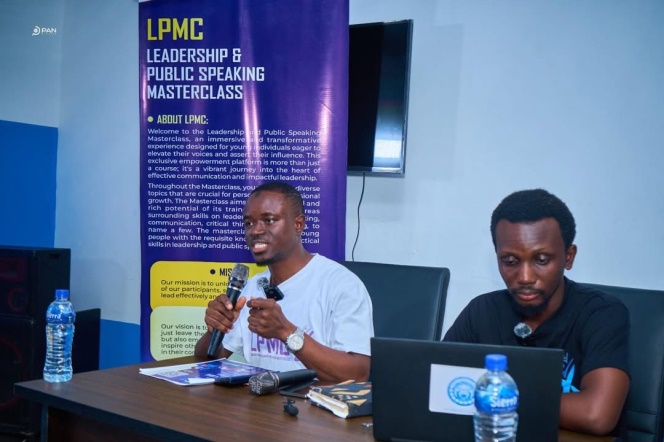
The Patriotic Advocacy Network (PAN) has launched the 2026 edition of its Leadership and Public Speaking Masterclass (LPMC), aimed at equipping young people with leadership, communication and public speaking skills to enable them to contribute meaningfully to national development. The launch was held on Wednesday, 19 August 2026, at PAN’s Head Office on Andrew Street in Freetown.

The 2026 LPMC is scheduled for 1–12 September 2026 at the FSSG Hall in Freetown and will expose participants to 20 modules, covering areas in leadership and public speaking.

Speaking at the launch, PAN Executive Director Paul Jonathan Koroma described the organization as a platform for youth empowerment that has implemented several programmes, including the Public Speaking Contest, Public Speaking for Girls, National Storytelling Festival and LPMC.

Koroma said PAN would implement all its flagship programmes during 2026, beginning with the LPMC, followed by Public Speaking for Girls and the National Storytelling Festival.

He said the Public Speaking for Girls initiative, introduced in 2021, provides girls with opportunities to express themselves, communicate their challenges and develop their talents in public speaking, music and spoken-word performance.

Koroma also announced plans for the seventh edition of the National Storytelling Festival, PAN’s oldest flagship programme, which was launched in 2016.

According to him, the festival provides young people with opportunities to showcase their creativity through storytelling, traditional dance, food and other cultural activities, while encouraging research into Sierra Leone’s history, traditions and cultural heritage.

He said PAN’s youth programmes are also designed to promote patriotism and civic consciousness. “It is important that young people know where they are coming from. The only way they can know where they are coming from is when they understand the history, culture and traditions of our beloved Sierra Leone,” Koroma said.

He maintained that young people should not be considered too inexperienced to take responsibility, noting that PAN itself was established by young people who were still in school.

“We are not too young to take responsibility. We are not too small to take up challenges, and we are not insignificant as young people when it comes to developing our nation,” he stated.

Convener of the LPMC, Ansumana Keita, said PAN is a civic movement established to identify societal problems, mobilize communities and develop solutions through grassroots participation.

Keita said youth empowerment remains central to PAN’s work because young people need the knowledge, awareness and skills required to understand and address societal challenges.

He disclosed that PAN’s youth network operates in more than 100 senior secondary schools across Sierra Leone, with branches in regional headquarters and a membership of more than 1,500 young people.

According to Keita, PAN introduced the LPMC in 2024 after identifying gaps in leadership and communication skills among young people aspiring to occupy leadership positions.

“We realized that a lot of young people want to lead, but something is missing actual leadership and proper communication,” he said.

Keita said the first edition trained and certified 100 young people, while the second edition trained and certified 150 participants.

He explained that PAN subsequently introduced the LPMC Talks as a final examination component, allowing participants to deliver five-minute presentations on selected topics and demonstrate the skills acquired during the programme.

He described the masterclass as an intensive and transformational programme targeting aspiring leaders, young entrepreneurs and professionals.

The 2026 edition will cover the foundations of leadership, problem-solving, critical thinking, emotional intelligence, ethical use of Artificial Intelligence (AI), work ethics and financial management.

Public speaking modules will include the fundamentals of public speaking, overcoming fear of public speaking, voice modulation, articulation, speech development, persuasive communication and vocabulary development.

Participants will also learn professional communication, including effective email writing and how to deliver concise “elevator pitches” when presenting ideas to potential sponsors or partners.

“Our point is clear. If you want to be a good leader, you do not need to be an orator or a powerful speaker, but you must be a communicator,” Keita said.

He stressed that effective communication is essential to leadership, noting that poor communication can undermine the work of otherwise capable individuals and teams.

Keita said the programme will run from 1–12 September, 2026 with intensive classes during the first week from 8 a.m. to 5 p.m., followed by practical assignments and the final LPMC Talks examination. The certification ceremony is scheduled for Saturday, 12 September.

He said participants will pay Le1,000, while PAN will cover about 80 percent of the actual cost of the programme to make the training accessible to young people.

The fee will cover training in leadership and public speaking, electronic learning materials, certification for successful participants, customized LPMC materials and lunch during training sessions.

The programme will also introduce a mentorship component, with facilitators assigned to groups of participants for individualized guidance.

Keita said the 2026 LPMC would bring together facilitators with expertise in leadership, public speaking, finance, media, English, debate and other relevant areas.

He called for increased media collaboration to promote the importance of leadership and communication skills among young people.

Keita further disclosed that PAN would stage other flagship programmes throughout 2026, including its Public Speaking Contest in October and the National Storytelling Festival in December.

He encouraged young people to take advantage of PAN’s programmes, saying the organization remains committed to creating platforms that build confidence, leadership capacity and civic responsibility among the country’s youth. https://thecalabashnewspaper.com/archives/63672