Monday, 28 September 2026


Institute of Directors Sierra Leone Relaunched, Signs MoU with Chamber of Commerce & Certifies 15 Directors
The Institute of Directors Sierra Leone (IoDSL) has held its Certification and Rebirth Ceremony, marking a renewed drive to strengthen professional directorship, ethical leadership and corporate governance in Sierra Leone.

The ceremony, held on 25 September 2026 at the New Brookfields Hotel in Freetown, brought together representatives of the public and private sectors, professional institutions and the business community.

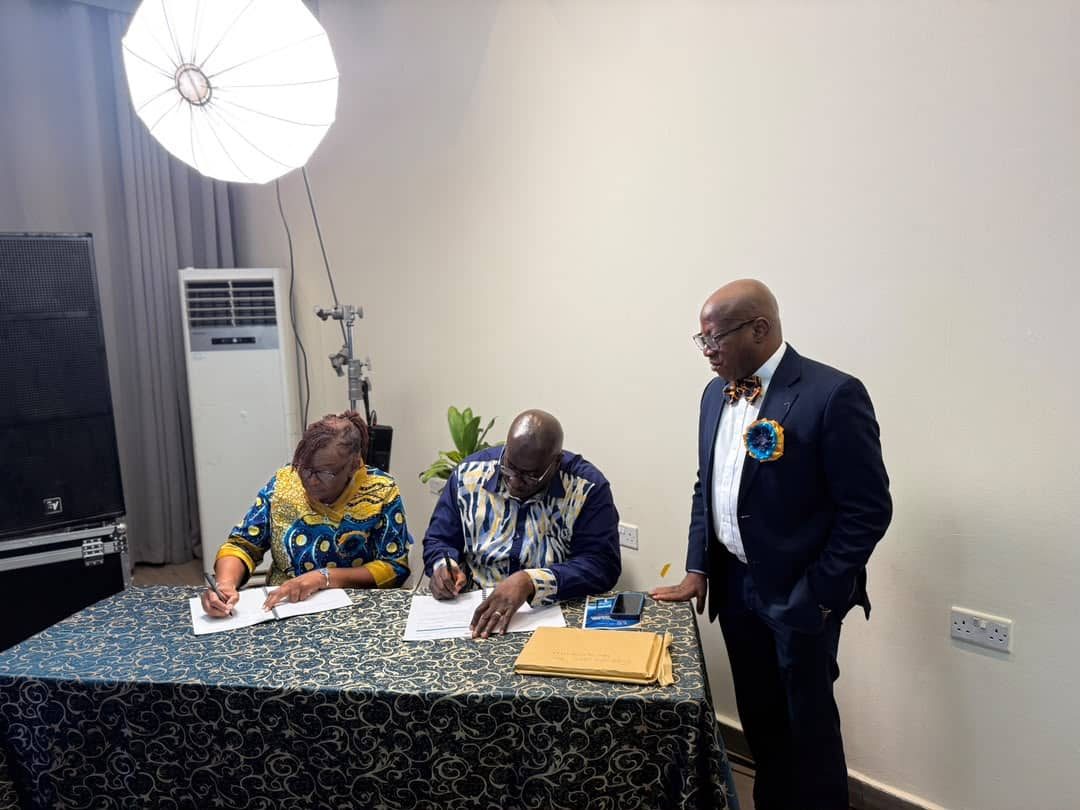
Highlights of the event included the signing of a Memorandum of Understanding between the Institute of Directors Sierra Leone (IoDSL) and the Sierra Leone Chamber of Commerce, Industry and Agriculture, alongside the certification of 15 Directors who successfully completed a corporate governance training programme.

In his opening remarks, Chairman of the Rebirth and Certification Committee, Kobi Walker, described the occasion as a significant milestone in the Institute’s history, marking a renewed sense of purpose and the beginning of a new chapter in its development.

He said IoDSL’s mandate to promote sound leadership, ethical governance, professional excellence and institutional accountability was essential to the success of businesses and institutions and to Sierra Leone’s sustainable development.

Kobi Walker said the Institute’s future depends on active membership, professionalism and a commitment to maintaining high standards of directorship and governance.

“The occasion should not be regarded as an end but as a new beginning,” he said, calling for stronger collaboration and renewed determination to build an Institute capable of making a lasting contribution to national development.

Interim President of IoDSL, Amy E. Greene, said the rebirth represents more than a celebration, as it provides an opportunity to recognize the newly certified Directors while strengthening the Institute’s role in promoting leadership, professional integrity, accountability and responsible governance.

She said IoDSL is focused on building on its legacy, increasing value for members and developing the next generation of Directors capable of strengthening businesses and institutions.

Amy E. Greene also highlighted the Institute’s growing international engagement, including its relationship with fellow the Institute of Directors and the African Corporate Governance Network. She noted that IoDSL’s recent election to the ACGN Board provided an opportunity for Sierra Leone to contribute to wider efforts to advance corporate governance across Africa.

Speaking also at the event, Vice President 1 of the Sierra Leone Chamber of Commerce, Industry and Agriculture, Dr. Modupeh Taylor-Pearce, said effective governance has become increasingly important amid competing economic, technological, social and ethical interests.

He said sound corporate governance is particularly important as Sierra Leone pursues private sector-led economic growth, adding that investment readiness and access to regulated capital markets are closely linked to the quality of governance within institutions.

Dr. Taylor-Pearce said the Chamber has been strengthening its own governance practices and believes that corporate governance certification for individuals nominated to serve on Boards should eventually become mandatory.

He said the Chamber’s position has formed the basis of its partnership with IoDSL, with the two institutions signing an MoU to strengthen collaboration.

Deputy Executive Director of the National Investment Board, Fatima Mahawa Sandi, said the rebirth of IoDSL came at an important stage in Sierra Leone’s pursuit of private sector development, investment promotion, innovation and increased participation in regional and international markets.

She said achieving those objectives requires more than capital, stressing the importance of credible institutions, ethical leadership and Directors capable of understanding their responsibilities to shareholders, employees, communities and the wider country.

Fatima Mahawa Sandi said good corporate governance is fundamental to attracting and retaining responsible investment, noting that investors consider institutional quality, predictability and governance practices when making investment decisions.

She disclosed that the National Investment Board plans to launch an online business registration system in November 2026 as part of efforts to improve corporate services and advance digital economic services.

She also called for greater collaboration between the NIB and IoDSL in areas including corporate governance training, investor relations, ethics, Board development and policy dialogue.

She also encouraged companies to comply with good governance standards and relevant provisions of the Companies Act 2009, while urging IoDSL to develop into a platform where Directors could exchange knowledge and promote high standards of governance.

The ceremony also featured a presentation by Michala Mackay titled “From Statue to Standard: The Future of Sierra Leone’s Boardrooms”, which focused attention on the need to move corporate governance beyond formal structures and into practical standards of conduct and decision making.

The presentation formed part of the broader discussion on how Directors and Boards could strengthen professionalism, accountability and effectiveness in Sierra Leonean institutions, particularly as businesses face changing economic, technological and regulatory demands.

Delivering the keynote address, Governor of the Bank of Sierra Leone, Dr. Ibrahim Stevens, said good corporate governance is fundamental to sustainable economic growth, institutional resilience and national development.

He said governance should not be treated merely as a compliance requirement but should encompass ethical leadership, accountability, transparency and responsible stewardship.

Dr. Ibrahim Stevens said strong Boards are essential to institutional resilience because they provide strategic direction, establish effective oversight, challenge Management and ensure that institutions operate sustainably.

He urged Directors to look beyond historical financial performance and pay greater attention to emerging risks, including inflation, exchange rate movements, interest rates, technology, cybersecurity and wider economic developments.

The Governor also stressed the importance of independent judgement, proper management of conflicts of interest and effective risk management.

He said Sierra Leone’s financial sector is undergoing digitalization and modernization, creating opportunities while also requiring stronger cybersecurity, data governance and technological oversight.

Dr. Ibrahim Stevens noted that the Bank of Sierra Leone’s Corporate Governance Guidelines for commercial banks and financial holding companies, which became effective in January 2024, had strengthened expectations relating to Board composition, competence, independence, committees and controlled functions.

He said Directors should regard their positions as responsibilities of trust rather than honorary appointments and should act with due care, diligence and integrity.

“Resilience begins in the Boardroom,” Dr. Ibrahim Stevens said, urging Directors to understand the risks facing their institutions, constructively challenge Management and maintain a long-term perspective.

Speaking on behalf of Vice President, Dr. Mohamed Juldeh Jalloh, Minister of Trade, Alpha Ibrahim Sesay said the rebirth of IoDSL represents an important milestone for the private sector and national development.

He commended the Institute for surviving difficult periods and congratulated the 15 newly certified Directors, stressing that their Certificates represent not only the completion of professional training but also an obligation to uphold higher standards of accountability and integrity.

Minister Alpha Ibrahim Sesay recalled that the Vice President had launched Sierra Leone’s National Corporate Governance Code in January 2019, establishing expectations for ethical leadership, accountability, transparency and effective oversight.

He said the challenge now is to move beyond having governance principles on paper and ensure that they became part of the daily conduct of institutions.

He also called on IoDSL to become a serious partner in private sector development by providing evidence-based recommendations, engaging Government early in policymaking and helping identify regulatory and administrative obstacles affecting businesses.

Minister Alpha Ibrahim Sesay also urged Directors to use their influence to strengthen domestic production, develop local suppliers and support investment in areas such as energy, infrastructure, manufacturing, digital transformation and value-added services.

He said the country’s ambition should go beyond attracting investment to creating productive capacity, generating jobs, increasing incomes and enabling Sierra Leonean businesses to compete regionally and internationally.

He further welcomed the growing participation of women in corporate leadership, noting that 10 of the 15 newly certified Directors are women, and encouraged institutions to develop stronger pipelines for women and other qualified professionals.

According to him Government remains open to evidence and recommendations from IoDSL and encouraged the Institute to maintain a constructive partnership with Ministries, regulators and other institutions whose decisions affect the private sector.

A major highlight of the programme was the presentation of Certificates to 15 Directors who successfully completed a rigorous training programme.

The ceremony concluded with a renewed call for stronger corporate governance, professional directorship and ethical leadership, with the newly certified Directors expected to apply their training in strengthening the institutions they serve and contributing to a more accountable, resilient and competitive private sector in Sierra Leone. https://thecalabashnewspaper.com/archives/64951

IPAM Commissions New Banking Facilities, Modern Lecture Rooms for Master’s Students
 

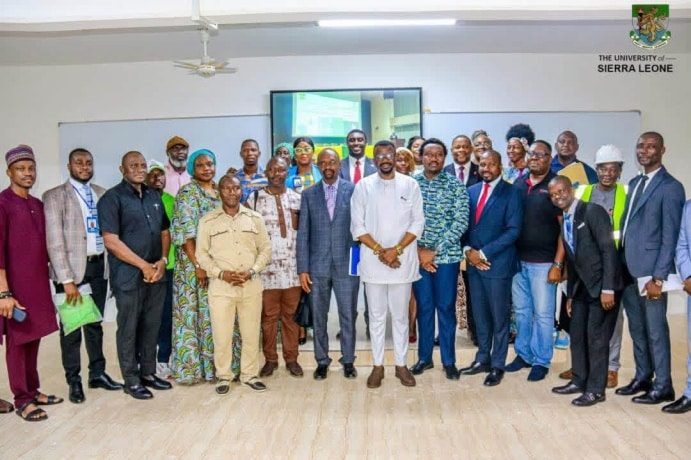
The Institute of Public Administration and Management (IPAM), University of Sierra Leone, has commissioned newly constructed banking facilities, renovated state-of-the-art lecture rooms for postgraduate students and a Students’ Information Unit as part of efforts to improve academic and financial services on campus.

The commissioning ceremony brought together senior officials from the banking and telecommunications sectors, the IPAM Alumni Association, the University of Sierra Leone, corporate partners and a delegation from the Liberia Institute of Public Administration (LIPA).

IPAM Management expressed appreciation to its corporate partners and other stakeholders for supporting the successful implementation of the projects, describing the new facilities as an important step towards improving the overall learning experience and addressing difficulties students encounter when paying tuition fees and other charges.

Management noted that postgraduate students require modern and conducive learning facilities, particularly considering the calibre of professionals pursuing Master’s programmes at the institution. It added that the newly renovated lecture rooms represent part of a broader development agenda aimed at improving academic infrastructure and services at IPAM.

Special appreciation was extended to the Vice Chancellor and Principal of the University of Sierra Leone, Professor Aiah Lebbie; the IPAM Alumni Association; Chief Executive Officer of United Bank for Africa (UBA) Sierra Leone, Mohamed Alhajie Samoura; the leadership of A Call To Business Bank (ACTB); Sierra Leone Commercial Bank (SLCB); Rokel Commercial Bank (RCB); Commerce and Mortgage Bank (CMB); Africell Sierra Leone; and JIT Capital Group for their continued support.

Dean of Postgraduate Studies at the University of Sierra Leone, Professor Ronnie Frazer-Williams, congratulated IPAM on the renovation of its postgraduate lecture rooms, stressing that a conducive academic environment is important for effective teaching and learning, particularly at the Master’s level.

The newly commissioned banking facilities are expected to accommodate Sierra Leone Commercial Bank, Rokel Commercial Bank, Commerce and Mortgage Bank and United Bank for Africa. Their presence on campus is intended to make banking services more accessible to students and staff, including the payment of tuition fees and other university charges.

Representatives of the banks and other corporate partners highlighted the importance of ensuring value for money in institutional development projects and commended IPAM for the progress made.

The ceremony also marked the commencement of business by A Call To Business Bank in partnership with IPAM, as well as the introduction of the JIT Capital Student and Staff Computer Loan Scheme. The initiatives are designed to promote financial inclusion and improve access to technology for academic and professional purposes.

Speaking on behalf of Africell Sierra Leone, Dr. Fatmatta Fatou Taqi reaffirmed the telecommunications company’s commitment to implementing its Memorandum of Understanding with IPAM.

She explained that the Africell Point of Service established at IPAM is intended to support students and staff, particularly through the Africell Closed User Group, while also facilitating tuition fee payments through Afrimoney.

Dr. Fatmatta Fatou Taqi said Africell remains committed to supporting development initiatives that complement Sierra Leone’s broader national development aspirations.

President of the IPAM Alumni Association, Rahman Tom Farmar, applauded the institution’s continued progress and reaffirmed the Association’s commitment to supporting its development.

He said the ultimate aspiration is to position IPAM to compete effectively at the global level and encouraged former students to join the Alumni Association and contribute towards the growth of their alma mater.

Rahman Tom Farmar also expressed appreciation for the confidence placed in him to lead the Association and pledged to continue steering it towards initiatives that benefit both the institution and its alumni community.

IPAM Management and staff concluded the ceremony by expressing gratitude to the University of Sierra Leone authorities, corporate partners, alumni and other well-wishers whose contributions continue to support the institution’s growth and development. https://thecalabashnewspaper.com/archives/64947


Immigration Strengthens Senior Officers’ Leadership Skills Ahead of Transition to Immigration Service
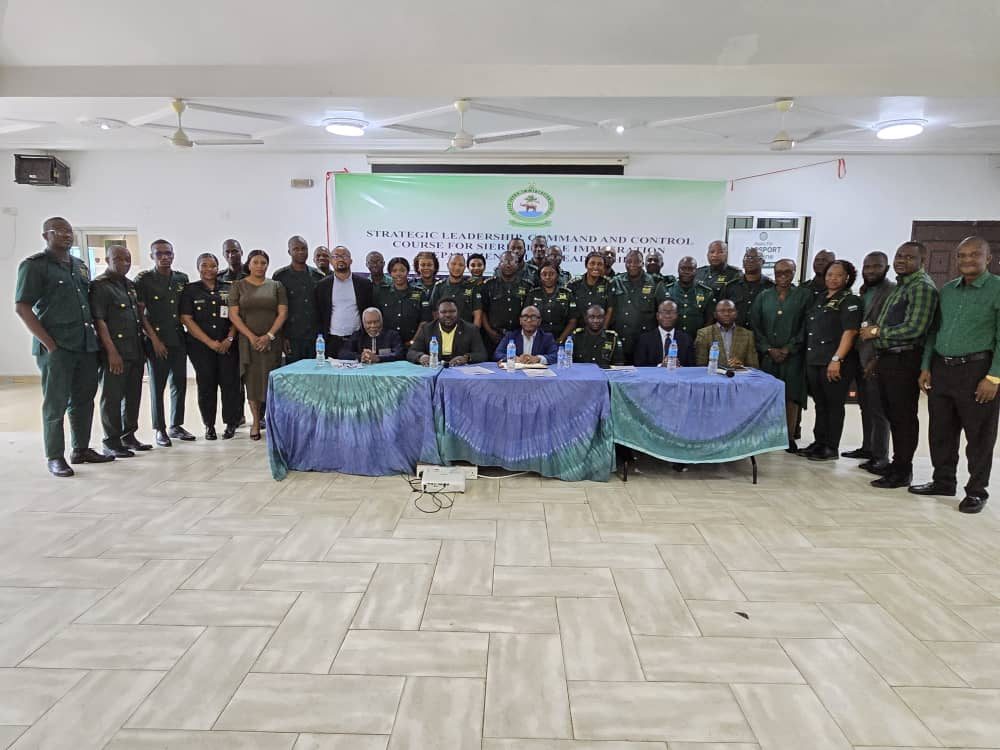
The Sierra Leone Immigration Department (SLID) has commenced a three-day Strategic Leadership, Command and Control Training programme for senior immigration officers, Regional Commanders, District Heads and Heads of Command Posts as part of efforts to strengthen leadership and advance the Department’s ongoing institutional transformation.

The training, which opened in Makeni on Thursday, 24 September 2026, is being conducted under the theme, “Commanding the Transition.” It is designed to strengthen leadership capacity, command structures, institutional discipline, accountability and strategic decision-making as SLID prepares for its transition to the Sierra Leone Immigration Service (SLIS).

Using case studies, group discussions, leadership exercises and interactive sessions, the programme provides senior officers with practical knowledge and skills to effectively manage their respective commands and contribute to the Department’s transformation agenda.

Delivering the opening remarks, Director of Finance and Administration, Swaray Junisa, welcomed participants on behalf of the Chief Immigration Officer and the Management of SLID. He underscored the importance of the training and encouraged participants to take the sessions seriously and apply the knowledge acquired to improve leadership and service delivery across the Department.

Regional Commander for the Northern Region, Osman Kamara, welcomed participants to Makeni and expressed appreciation to Management for selecting the region to host the programme. He assured participants of a conducive and secure environment throughout the training.

Speaking on behalf of the consulting team, lead consultant Tidiane Traore recalled the team’s earlier engagement with SLID in Kenema, where the Department’s strategic goals were identified. He stressed that achieving those objectives would require effective leadership and strong institutional structures.

Deputy Chief Immigration Officer, Amadu Bah, described institutional transformation as a continuous process that began with the Department’s engagement in Kenema. He noted that successive leadership teams have championed reforms but emphasized that meaningful transformation can only be sustained through effective leadership.

Amadu Bah also reminded officers that the responsibilities of the Sierra Leone Immigration Department extend far beyond passport services to include several critical immigration and national security functions. He encouraged participants to fully engage in the training and apply the knowledge gained within their respective areas of responsibility.

The programme continued on Friday, 25 September 2026, with Chief Immigration Officer, Dr. Moses Tiffa Baio, Esq., addressing participants on the importance of credible, competent and responsible leadership as SLID prepares for its transition into the Sierra Leone Immigration Service.

Dr. Moses Tiffa Baio, Esq., said the transformation requires leaders capable of managing immigration operations effectively while maintaining professional and institutional standards. He stressed the importance of a clear chain of command, defined lines of authority and effective structures to ensure discipline, order and accountability.

“Leadership is not only about the title you carry but the responsibility you bear. What matters most is how you honour that responsibility,” Dr. Moses Tiffa Baio, Esq., told participants.

He identified competence and integrity as essential foundations of effective leadership and urged senior officers to earn the respect of personnel under their command through professionalism, sound judgement and responsible decision-making.

According to Dr. Moses Tiffa Baio, Esq., leaders must also demonstrate exemplary conduct because their actions, both publicly and privately, can influence the attitudes and behaviour of officers under their supervision.

He encouraged participants to regard the training as an investment in their professional development and challenged them to transfer the knowledge acquired to officers at their respective command posts. Drawing on the biblical account of Moses leading his people towards the Promised Land, he urged officers to embrace the Department’s transformation agenda and remain committed to its institutional vision.

Proceedings on the second day also included an interactive review of lessons from the opening sessions. Amadu Bah commended participants for their active involvement and understanding of the subjects covered.

Module Four of the programme, focusing on Command and Control, was facilitated by lead consultant Laud Kwasi Ofori Affrifah, Esq., former Deputy Comptroller General of Operations of the Ghana Immigration Service.

Participants were divided into three groups and assigned separate case studies requiring them to analyse practical command challenges and propose appropriate solutions. The exercise was intended to promote critical thinking, teamwork and the practical application of leadership principles.

Discussions also focused on effective communication, clearly defined authority, responsible decision-making and accountability within the chain of command.

The three-day programme forms part of the Sierra Leone Immigration Department’s wider institutional transformation drive aimed at developing a professional, competent and accountable leadership cadre capable of delivering effective immigration services and successfully steering the transition to the Sierra Leone Immigration Service.

The training concluded in Makeni on Saturday, 26 September 2026. https://thecalabashnewspaper.com/archives/64944


Peace Commission Executive Secretary Advances Sierra Leone’s Conflict Prevention Agenda During High-Level New York Engagements
Executive Secretary of the Independent Commission for Peace and National Cohesion (ICPNC), Hawa Sally Samai, has used a series of high-level engagements in New York to advance Sierra Leone’s conflict prevention priorities, strengthen international partnerships and share the country’s experience in building sustainable peace through strong national institutions.

The engagements, held on the margins of the 81st Session of the United Nations General Assembly, brought Hawa Sally Samai into discussions with officials and experts from the United Nations Peacebuilding Fund, the New York University Center on International Cooperation (NYU CIC) and participants at the 2026 International Forum on African-Caribbean Leadership.

A major focus of the engagements was Sierra Leone’s renewed eligibility for support from the United Nations Secretary-General’s Peacebuilding Fund and the country’s efforts to develop its first National Prevention Strategy.

On Thursday, 24 September 2026, Hawa Sally Samai met with Chief of the Peacebuilding Fund, Brian J. Williams, at the United Nations Secretariat in New York, where discussions centred on Sierra Leone’s prevention priorities and the need to build sustainable national systems capable of identifying and addressing emerging risks before they develop into conflict.

The meeting provided an opportunity for Hawa Sally Samai to express appreciation to the Peacebuilding Fund and the Peacebuilding Support Office for their longstanding partnership with Sierra Leone, particularly their contribution to the country’s transition from post-war recovery towards a broader national approach to conflict prevention and social cohesion.

Sierra Leone’s eligibility for support from the Peacebuilding Fund has been renewed for another five years, through the end of 2030. The renewed partnership includes an initial US$3 million allocation to support the development and implementation of the country’s first National Prevention Strategy in collaboration with the United Nations Development Programme (UNDP), United Nations Children’s Fund (UNICEF) and UN Women.

The support is expected to strengthen efforts aimed at preventing conflict, promoting social cohesion, expanding the participation of women and young people, improving cross-border cooperation and addressing security risks associated with climate change and environmental pressures.

During the discussions, Hawa Sally Samai highlighted the conflict analysis undertaken by the Independent Commission for Peace and National Cohesion and the United Nations system, which helped inform Sierra Leone’s application for renewed eligibility.

Attention was also placed on establishing a coordinated prevention system that connects early warning mechanisms, mediation, community peace structures, women and youth networks, traditional leaders and national institutions. Such an approach is intended to ensure that emerging disputes and grievances can be identified and addressed before they escalate into violence.

Hawa Sally Samai further outlined ongoing work with the New York University Center on International Cooperation aimed at examining how Sierra Leone’s peace infrastructure could be strengthened and more firmly embedded within national institutions.

Brian J. Williams welcomed the emphasis on national ownership and sustainability, highlighting the importance of developing systems capable of continuing their work beyond the lifespan of individual projects.

The engagement also reflected on Sierra Leone’s longstanding relationship with the United Nations Peacebuilding Fund. Since 2007, the Fund has invested approximately US$84 million in Sierra Leone, supporting initiatives related to institution building, conflict prevention, social cohesion, women and youth empowerment, dialogue and community peacebuilding.

Hawa Sally Samai explained that Sierra Leone’s objective is to move beyond viewing peace simply as the absence of war and instead build a more resilient society in which institutions and communities can identify risks early, address grievances peacefully and prevent disagreements from developing into violence.

Both sides underscored the importance of continued coordination with the United Nations Country Team in Freetown and the United Nations Peacebuilding Commission in New York as work on Sierra Leone’s National Prevention Strategy progresses.

The meeting with the Peacebuilding Fund Chief formed part of a broader series of engagements undertaken by Hawa Sally Samai in New York to deepen Sierra Leone’s prevention agenda and strengthen cooperation with international partners.

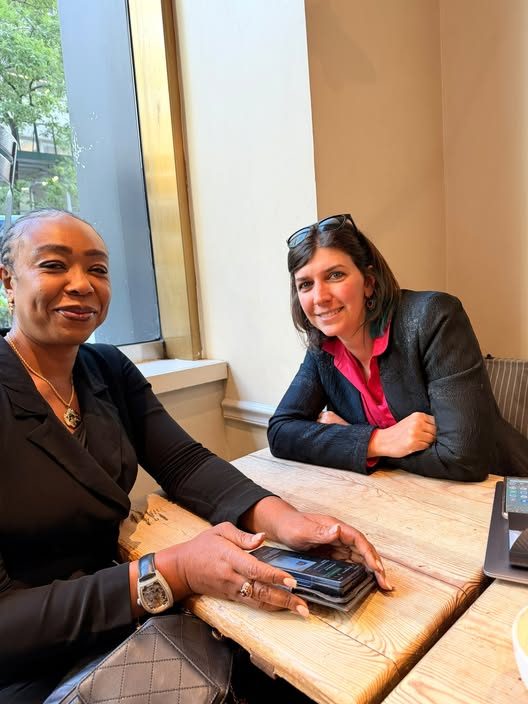
On 23 September 2026, Hawa Sally Samai held discussions with Céline Monnier, Associate Director for Prevention and Peacebuilding at the New York University Center on International Cooperation and Lead of the Peace Policy Pillar at NYU PREP.

Their discussions focused on strengthening Sierra Leone’s approach to preventing conflict before tensions escalate into violence and examining how research, policy and practical experience could contribute to more effective national prevention mechanisms.

Hawa Sally Samai and Céline Monnier reflected on work undertaken by NYU CIC and its partners in Sierra Leone over the years, particularly around National Prevention Strategies, while exploring how lessons from research and practical experience could be translated into measures capable of identifying emerging risks and responding to tensions at an early stage.

The approach closely aligns with the mandate of the Independent Commission for Peace and National Cohesion, which works with communities, institutions and other stakeholders to address emerging disputes through dialogue, mediation and reconciliation. The Commission also promotes peaceful coexistence and national cohesion while supporting mechanisms designed to prevent disagreements from developing into wider conflicts.

Opportunities for continued collaboration with NYU CIC were also discussed, particularly in strengthening Sierra Leone’s existing peace structures and developing sustainable national approaches to conflict prevention.

Hawa Sally Samai subsequently took Sierra Leone’s experience to a wider international audience on Thursday, 24 September 2026, when she participated in the 2026 International Forum on African-Caribbean Leadership in New York.

Convened by the African Leadership Organisation during United Nations General Assembly Week, the forum brought together leaders from Africa, the Caribbean and the diaspora to promote cooperation around governance, development and common global challenges.

Held at the New York Marriott Marquis under the theme, “The Global African Alliance: Reimagining Solidarity, Sovereignty & South-South Cooperation,” the gathering featured discussions around stronger institutions, investment, sustainable development and cooperation across the Global South.

Participating as a special guest and panelist on Social Development, Gender and Strategic Partnerships, Hawa Sally Samai used the platform to highlight Sierra Leone’s growing emphasis on preventing conflict before tensions reach crisis level.

“Peace is not an event; it is a process that must be continuously protected, invested in and owned by the people,” Hawa Sally Samai said.

She stressed that dialogue must be supported by credible institutions, inclusive participation and sustained political commitment, pointing to the work of the Independent Commission for Peace and National Cohesion in early warning, mediation and community-based conflict prevention.

“The lesson is: build the relationships and institutions that prevent conflict before the conflict becomes a crisis,” Hawa Sally Samai stated.

Drawing on her experience in grassroots advocacy involving women and children, Hawa Sally Samai also emphasized the need for women to be recognized not merely as beneficiaries of peace and development programmes, but as decision-makers, peacebuilders and leaders with an important role in shaping national development.

She further underscored the importance of international partnerships that strengthen national institutions and local capacity without weakening domestic ownership of the peacebuilding process.

“International partners can bring resources, expertise and solidarity, but Sierra Leoneans must own the peace, lead the process and build the institutions that sustain it,” Hawa Sally Samai said.

The series of engagements highlighted Sierra Leone’s evolving approach to peacebuilding, with greater emphasis being placed on prevention, early intervention, inclusive participation and the development of institutions capable of responding to emerging threats before they undermine national stability. https://thecalabashnewspaper.com/archives/64937


NP Sierra Leone Promotes Staff Wellness Through Monthly Health Walk
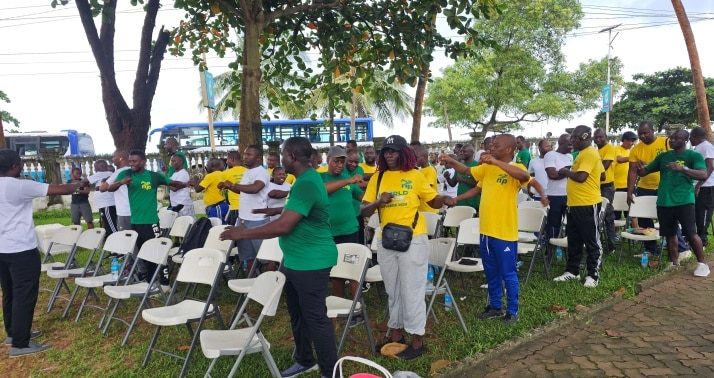
 NP Sierra Leone Limited (NP-SL) has continued its commitment to staff health and wellness with its monthly health walk, bringing together employees for a physical exercise and health awareness activity on Saturday 26 September 2026.

The walk took employees from Lumley to the Aberdeen Beach Roundabout and back to Lumley, as part of the company’s ongoing efforts to promote physical fitness, mental wellbeing and a healthy workplace environment.

The exercise was followed by a health talk delivered by NP Sierra Leone’s Resident Medical Doctor, Dr. Abdul Kalokoh, who spoke on the topic, “Workplace Hazards”.

Dr. Abdul Kalokoh highlighted the need for employees to recognize workplace hazards beyond the commonly identified physical risks associated with petroleum operations. He said workplace hazards could include risks linked to oil, electricity, machinery and other equipment, while also stressing the importance of paying attention to less visible factors that could affect employees’ health and wellbeing.

He identified employees’ mindset as an important area that requires attention in addressing workplace health risks. According to him, the mindset employees bring into the workplace could influence both their mental and physical wellbeing.

Dr. Abdul Kalokoh said negative attitudes towards work could contribute to stress and other health challenges. He linked workplace pressures and attitudes to health concerns such as hypertension, while encouraging employees to maintain a positive mindset.

According to him, employees should not view the workplace solely as a means of earning money or obtaining a position, but should also seek happiness and peace of mind while carrying out their responsibilities.

Dr. Abdul Kalokoh further explained that maintaining the right mindset could help prevent mental health disorders and reduce stress in the workplace. He encouraged employees to approach their duties positively and pay attention to their mental wellbeing.

The company doctor also identified physical wellbeing as an important component of workplace health, noting that a lack of regular exercise could contribute to physical health problems, particularly among employees who spend long periods working in offices.

He therefore encouraged employees to maintain physical activity and fitness as part of efforts to promote healthier lifestyles and reduce workplace health risks.

Dr. Abdul Kalokoh also urged staff to remain conscious of workplace hazards and take appropriate precautions, stressing the importance of awareness of both visible and less obvious risks.

Speaking about the health walk, NP Sierra Leone Human Resources Manager, Georgiana Williams, said the initiative formed part of the company’s broader health and wellness programme aimed at boosting employee morale and creating a healthier and happier workplace.

She said the programme is particularly important for employees who spend long hours at work and may have limited opportunities during their busy schedules to engage in physical exercise. Regular physical activity, she explained, could improve employees’ mental and physical wellbeing while enhancing productivity.

According to the HR, improved mental health could enable employees to meet deadlines, fulfil their commitments and make better decisions, contributing to the overall success of the organisation.

She said the Human Resources Department is responsible for supporting employees throughout their employment life cycle, from joining the organisation until their departure through resignation, retirement or other circumstances. Employee wellbeing, she noted, is therefore an important responsibility of the department.

Georgiana Williams explained that NP’s wellness initiatives extend beyond physical activities such as health walks. She said the company has mechanisms through which employees could access medical support and consult a doctor when necessary.

She also said NP(SL) organizes monthly opportunities for employees to relax and interact in informal settings, providing opportunities for junior staff to engage with senior staff and Management outside the formal workplace environment. Such activities, she said, helps employees socialize and strengthen relationships across different levels of the organisation.

She added that NP(SL) recognizes the importance of employees’ family and personal lives and provides support that enables staff to spend time with their families, including maternity and paternity leave arrangements.

She further said the company recognizes employees who have made significant contributions over the years through long service awards, explaining that such recognition helps employees feel appreciated and strengthen their sense of belonging to the organisation.

On inclusivity, Georgiana Williams said NP(SL) also considers employees who might not be physically able to participate fully in activities such as the health walk. She explained that the company has employees with physical challenges and sought to ensure that its wellness programmes remains inclusive.

The Human Resources Manager said employees with physical limitations were encouraged to participate in ways suited to their abilities, with appropriate support where necessary, as the company sought to ensure that all employees could participate in and benefit from its wellness initiatives.

The monthly health walk and accompanying health talk therefore formed part of NP Sierra Leone’s broader approach to employee wellbeing, combining physical activity with awareness of workplace health risks and measures to promote a healthier and more inclusive workforce. https://thecalabashnewspaper.com/archives/64936


At UNGA… Africell Joins Government, Global Partners to Push Connectivity, 5G & Digital Infrastructure Investment
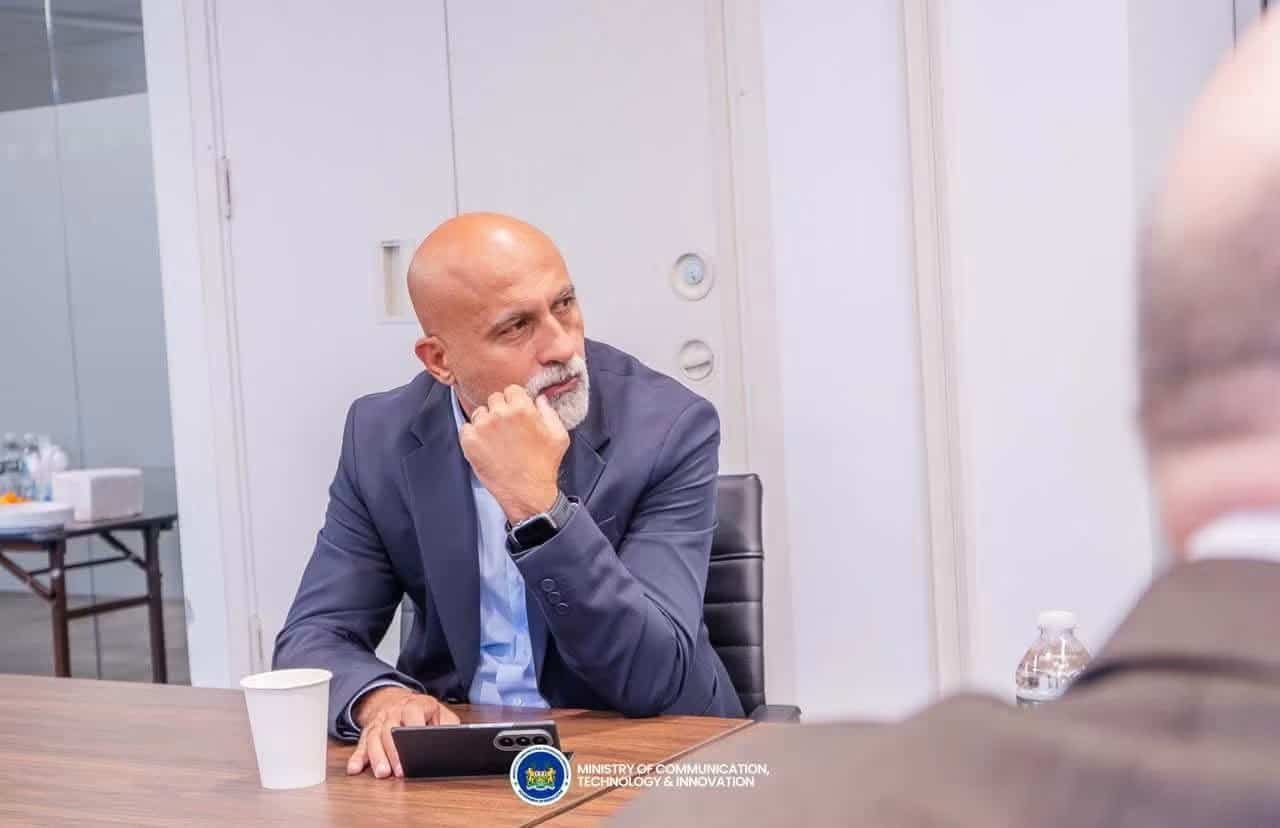
Sierra Leone’s drive to strengthen its digital economy and attract greater international investment gained momentum in New York as Minister of Communications, Technology and Innovation, Salima Monorma Bah, led a high-level Government and private-sector roundtable on the sidelines of the 2026 United Nations General Assembly.

The engagement brought together key Government Ministries, telecommunications operators, technology companies and other industry stakeholders to examine investment prospects in energy, digital infrastructure, data centres, 5G connectivity and regional trade.

Africell Sierra Leone was among the prominent private-sector participants, contributing industry perspectives on telecommunications development, network expansion and future investment opportunities. The company’s participation highlighted the role of private-sector investment in supporting Sierra Leone’s ambition to build a more competitive, connected and technology-driven economy.

Minister Salima Monorma Bah steered the discussions alongside representatives from the Ministries of Energy and Trade and Industry, with the engagement placing strong emphasis on the relationship between reliable electricity, telecommunications growth and the development of modern digital infrastructure.

Minister of Energy, Cyril Grant, participated in person, while Minister of Trade and Industry Ibrahim Alpha Sesay joined virtually, reinforcing the Government’s cross-sector approach to addressing the infrastructure, policy and investment requirements of Sierra Leone’s emerging digital economy.

A major focus of the dialogue was the need to establish a dependable energy base capable of supporting telecommunications networks, data centres and other technology-intensive infrastructure. Participants acknowledged that Sierra Leone’s digital expansion will increasingly depend on reliable power, stronger connectivity and sustained investment from both domestic and international partners.

The roundtable also explored opportunities surrounding the deployment of 5G technology and the expansion of data infrastructure as Sierra Leone seeks to increase its competitiveness within the West African digital marketplace.

The International Data Center Authority shared perspectives on efforts to develop data infrastructure that meets recognized international standards, an area considered increasingly important as countries seek greater control, security and resilience over their digital assets.

Africell Sierra Leone and Sierratel provided further insights into the country’s telecommunications landscape, including current operations and opportunities for future investment and service expansion.

Discussions also touched on the recently approved partnership aimed at relaunching Sierratel through a Mobile Virtual Network Operator model, commonly known as MVNO, as part of broader efforts to reposition the telecommunications sector and create additional opportunities within the market.

Africa Climate and Energy Nexus, Aton Path and AEB contributed perspectives on the energy demands associated with large-scale digital infrastructure. Their participation highlighted the need for sustainable power solutions capable of supporting the continued growth of telecommunications and technology services.

Bell Canada also contributed technical perspectives on 5G deployment, adding an international dimension to discussions on how Sierra Leone could prepare the infrastructure and technical environment required for next-generation connectivity.

Beyond telecommunications, participants examined how stronger digital infrastructure could facilitate commerce, encourage innovation and strengthen Sierra Leone’s integration into regional and international markets.

The discussions reflected an increasingly interconnected development strategy in which energy security, digital infrastructure, investment and trade are treated as mutually reinforcing priorities rather than separate sectors.

The New York roundtable also complemented President Julius Maada Bio’s engagements during the United Nations General Assembly, where attention has been drawn to the need for greater African participation in the ownership, development and governance of digital infrastructure.

President Julius Maada Bio has also used his international engagements to encourage investors to explore opportunities across Africa as countries on the continent seek to expand their digital economies and strengthen technological capacity.

For Sierra Leone, attracting investment into telecommunications, data infrastructure and supporting energy systems forms part of a broader effort to establish the country as an emerging destination for technology-driven investment.

The engagement comes ahead of the inaugural West Africa Integration and Investment Summit scheduled for November, which is expected to provide another platform for promoting investment, regional economic cooperation and infrastructure development.

Government officials are seeking to use such engagements to deepen collaboration with the private sector and international partners while creating an environment capable of attracting capital into strategic areas of the economy.

Africell Sierra Leone’s involvement in the New York discussions further demonstrated the contribution telecommunications operators can make through infrastructure investment, technical expertise and expanded connectivity.

The roundtable ultimately reinforced Sierra Leone’s push towards an integrated digital development model built around reliable energy, stronger telecommunications infrastructure, secure data systems, international partnerships and increased regional trade.

With Government institutions and private-sector operators working across those interconnected areas, Sierra Leone is seeking to lay the foundation for a more resilient digital economy capable of attracting investment, supporting businesses and expanding the country’s participation in the rapidly evolving global technology landscape. https://thecalabashnewspaper.com/archives/64928


Sierra Leone Increases IFAD14 Contribution by 50% as President Bio Prioritizes Agriculture and Rural Development
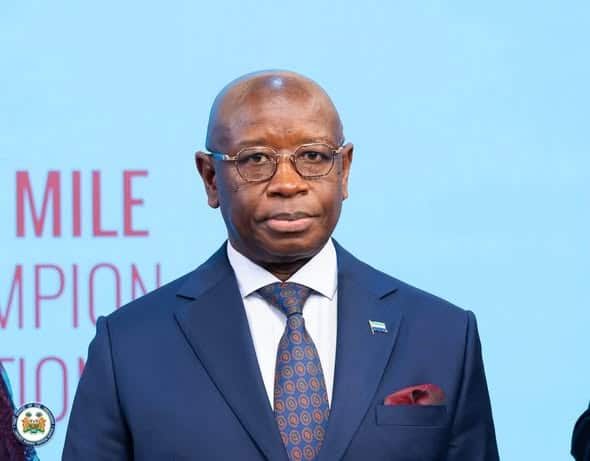
President Dr. Julius Maada Bio has announced that Sierra Leone will increase its contribution to the International Fund for Agricultural Development’s Fourteenth Replenishment, known as IFAD14, by at least 50 percent, as part of efforts to strengthen food security, agricultural production, rural livelihoods and employment opportunities.

The commitment was announced during the IFAD14 African Leadership Moment at the Goals Lounge, United Nations Headquarters in New York, on Friday, 25 September 2026, where African leaders highlighted the importance of greater investment in rural communities and food systems.

Sierra Leone is among ten African countries that announced increased contributions to IFAD14, collectively pledging nearly US$9 million towards the Fund’s 2028-2030 replenishment cycle. The other participating countries are Burundi, Chad, Ethiopia, Guinea, Kenya, Rwanda, Somalia, Sudan and Zimbabwe.

Some of the participating countries have more than tripled their previous contributions, while the largest increases are reported to be almost ten times earlier commitments. The initiative reflects efforts by African Governments to demonstrate greater domestic commitment to agricultural and rural development while encouraging international partners to increase their support.

Addressing the gathering, President Julius Maada Bio described agriculture as fundamental to Sierra Leone’s economic and social development, stressing that investment in the sector is essential to improving livelihoods and securing the country’s food supply.

“Agriculture is more than a sector for Sierra Leone. It is the foundation of our food security, our livelihoods and our future,” he said.

The President placed particular emphasis on rural communities, arguing that they should not be regarded merely as the final beneficiaries of development programmes. He said they represent the starting point for food production and remain central to Sierra Leone’s development aspirations.

“Rural areas are often called the last mile. In Sierra Leone, they are the first mile, where most of our people live and work, and where food security begins,” President Julius Maada Bio stated.

Highlighting Sierra Leone’s longstanding relationship with IFAD, he noted that the institution has supported the country for more than four decades. He said the Government has sought to complement that international partnership by increasing domestic investment in agriculture.

According to figures presented by the President, agriculture’s share of Sierra Leone’s national budget has risen from 2 percent to 8 percent within two years. He also reported that rice self-sufficiency increased from 68 percent in 2019 to 73 percent.

Against that background, President Julius Maada Bio confirmed that Sierra Leone’s contribution under IFAD14 would be increased by at least 50 percent compared with its contribution during IFAD13. The additional commitment, he said, will be financed through the national budget.

The pledge forms part of the Government’s stated determination to strengthen agricultural productivity and improve opportunities for farmers and rural communities. President Julius Maada Bio maintained that meaningful transformation of food systems requires direct investment in the people responsible for producing food.

“If we want to transform food systems and create jobs, we must invest in the people who produce our food,” he said.

He also called on development partners and other stakeholders involved in the IFAD replenishment process to respond with stronger commitments to agricultural development.

“Sierra Leone is doing its part. I invite every partner here to do the same,” he added.

President of IFAD , Alvaro Lario, welcomed the increased commitments from African countries, describing IFAD14 as an important platform for strengthening agrifood systems across the continent.

According to Alvaro Lario, nearly 60 percent of IFAD’s portfolio is invested in Africa, with the Fund concentrating considerable attention on the “first mile” of food systems, where investments can support employment, resilience and inclusive economic growth.

IFAD’s financing model combines contributions from member states with loan repayments, borrowed resources and co-financing. Through this arrangement, the institution says every dollar contributed to its core resources can generate approximately six dollars in investment.

The Fund, which holds an AA+ credit rating, has also issued more than US$1 billion in sustainable bonds since 2022 to mobilize additional financing for small-scale farmers, rural enterprises and climate-resilient food systems.

For Sierra Leone, the increased IFAD14 contribution comes amid broader efforts to place agriculture at the centre of national development, particularly through increased food production, investment in farming and efforts to reduce dependence on food imports.

The commitment also places the country within a wider African initiative to demonstrate greater ownership of rural transformation. By increasing their own contributions, participating Governments are seeking to encourage development partners and international financial institutions to provide additional resources for agricultural development.

President Julius Maada Bio stressed that improving food security cannot be separated from the welfare of farmers and rural communities, particularly those responsible for producing much of the food consumed across the country.

Sierra Leone’s increased contribution therefore represents both a financial commitment to IFAD and a reaffirmation of the Government’s stated position that sustainable agricultural transformation must begin with investment in farmers, producers and communities at the centre of the food system.

The collective commitment announced by the ten African countries also sends a broader message ahead of the IFAD14 replenishment period: African Governments are increasing their own investments while calling on international partners to match that ambition with greater financing for rural development, food security and resilient agricultural systems. https://thecalabashnewspaper.com/archives/64927


Columbia University Masterclass Equips Sierra Leone Ministers with Government Delivery Skills
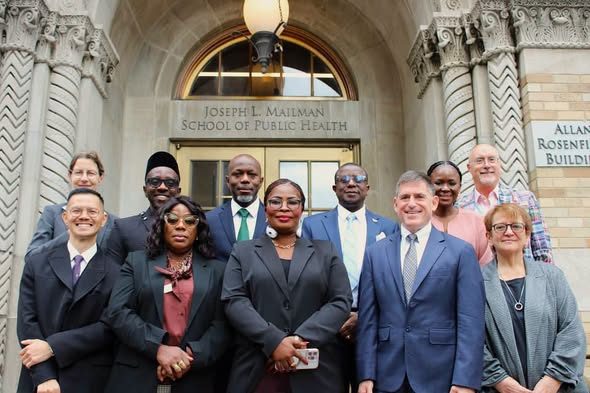
Sierra Leonean Cabinet Ministers attending the 81st Session of the United Nations General Assembly in New York have participated in a specially designed executive seminar at Columbia University aimed at strengthening leadership, critical thinking, problem-solving and effective Government service delivery.

Held on September 23, 2026, at Columbia University’s Mailman School of Public Health, the high-level programme brought together about a dozen Ministers for intensive sessions on systems thinking, implementation science and the use of evidence in policy and practice.

The training was designed to expose the Ministers to practical approaches that could help Government leaders navigate complex challenges, improve coordination across Ministries and strengthen the implementation of public policies and programmes.

Minister of Information and Civic Education, Chernor Bah, facilitated the initiative through the Ministry of Information and Civic Education as part of its ongoing Memorandum of Understanding and partnership with Columbia University.

Taking advantage of the presence of senior Government officials in New York for UNGA 81, the programme provided an opportunity for the Ministers to combine international diplomatic engagements with professional development and capacity building.

President Dr. Julius Maada Bio supported the participation of the Ministers in the programme, encouraging members of the delegation to use their time in New York not only for international engagements but also to acquire knowledge and skills that could strengthen Government delivery.

Chernor Bah said continuous learning remains important for public officials responsible for implementing Government programmes and responding to increasingly complex national challenges.

“UNGA is an extraordinarily busy period, but President Bio encouraged and supported us to make space for learning and capacity building,” Chernor Bah said.

“If we want to accelerate delivery, we must continuously strengthen our ability as leaders to solve complex problems, work across the Government and turn policy into results.”

Senior faculty members from Columbia University’s Heilbrunn Department of Population and Family Health conducted the sessions, providing participants with insights into approaches that could be applied to governance, policy implementation and institutional coordination.

The sessions covered systems thinking, implementation science and influencing discourse and were led by Helen DePinho, Patrick Kachur and Nicole Haberland. Professor Thoại D. Ngô, Chair of the Heilbrunn Department of Population and Family Health, led the overall programme.

A major focus of the seminar was encouraging participants to look beyond the responsibilities of individual Ministries and examine how Government priorities and challenges are interconnected.

The systems-thinking approach particularly highlighted the importance of understanding how decisions taken in one sector could affect outcomes in other areas, requiring stronger collaboration among Ministries and public institutions.

Minister of Energy, Cyril Arnold Grant, said the programme created an opportunity for participants to consider their responsibilities within the Government’s broader development agenda.

“It gave us the time to think through and discuss the whole-of-Government plan as it relates to our individual portfolios,” Cyril Arnold Grant said, noting that issues handled by individual Ministries could also have wider implications, including for public health.

Participants were also introduced to implementation science, which focuses on how policies, programmes and evidence-based interventions can be effectively translated into practice.

The seminar further examined critical thinking and structured problem-solving approaches that could assist Government officials in identifying challenges, evaluating available evidence and developing practical responses.

Organisers said strengthening such skills among senior public officials could contribute to improved decision-making, better coordination, more efficient use of public resources and stronger implementation of Government programmes.

Following the seminar, Professor Thoại D. Ngô thanked Chernor Bah for his role in facilitating the participation of the Sierra Leonean delegation and acknowledged the Ministers for dedicating time to the programme despite their demanding UNGA schedule.

Professor Thoại D. Ngô also reaffirmed Columbia University’s commitment to its continuing collaboration with Sierra Leone, particularly in areas related to health, development, research, leadership and institutional capacity building.

For the Ministry of Information and Civic Education, the Columbia University engagement forms part of efforts to ensure that Sierra Leone’s international partnerships produce practical benefits for the country.

The Ministry believes access to global expertise, research and professional networks can provide public officials with additional tools to address domestic challenges and improve the quality of Government services.

Chernor Bah stressed that international partnerships should ultimately translate into meaningful benefits for Sierra Leone and its citizens.

“Our partnerships must ultimately create value for Sierra Leone,” Chernor Bah said. “Through our MOU with Columbia, we are connecting our leaders to world-class knowledge and expertise that can help us deliver better for our people.”

The executive seminar formed part of a wider series of engagements involving Sierra Leonean officials during UNGA 81 in New York, where the delegation participated in bilateral meetings, policy discussions and international forums covering development, investment, peace, governance and other national priorities.

Beyond the diplomatic engagements, the Columbia University programme provided participating Ministers with an opportunity to examine practical tools that could be applied to their respective Ministries upon their return to Sierra Leone.

The training also underscored the growing importance of evidence-based decision-making and cross-Government collaboration as public institutions respond to economic, social, environmental and institutional challenges.

From Cabinet meetings in Sierra Leone to the classroom at Columbia University in New York, the initiative demonstrated an emphasis on continuous learning among senior Government officials, with the central objective of translating acquired knowledge into improved policy implementation and public service delivery. https://thecalabashnewspaper.com/archives/64923


UBA Sierra Leone Announces Leadership Transition as Mohamed Alhajie Samoura Resigns
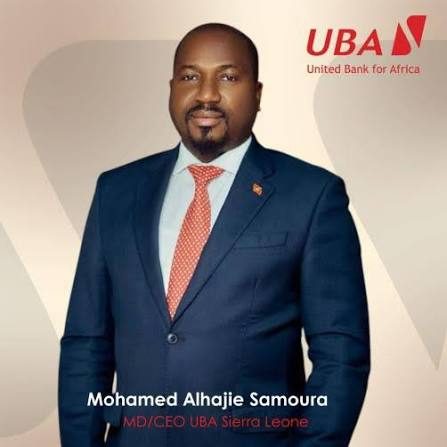
United Bank for Africa (Sierra Leone) Limited has announced a leadership transition following the resignation of its Managing Director and Chief Executive Officer, Mohamed Alhajie Samoura, effective September 30, 2026.

The announcement was contained in a Press Release issued by the bank in Freetown on September 25, 2026.

According to the statement, the Board of United Bank for Africa (Sierra Leone) Limited has accepted Mohamed Alhajie Samoura’s resignation and expressed appreciation for his dedicated service to the institution.

Following his departure, Executive Director Francis Esiemokhai is expected to serve as Acting Managing Director, subject to the requisite approval of the Bank of Sierra Leone.

The leadership transition comes as United Bank for Africa (Sierra Leone) Limited continues its operations in the country, serving individuals, businesses and communities through its range of banking services.

In its statement, the bank reaffirmed its commitment to maintaining trusted, innovative and customer-focused banking services across Sierra Leone.

United Bank for Africa (Sierra Leone) Limited did not provide further details regarding the circumstances surrounding Mohamed Alhajie Samoura’s resignation or indicate when a substantive Managing Director and Chief Executive Officer would be appointed. https://thecalabashnewspaper.com/archives/64918


Moses Mambu’s Power-Drunk Rhetoric Risks Tearing the SLPP Apar
Moses Mambu, National Public Relations Officer of the ruling Sierra Leone People’s Party (SLPP), is increasingly attracting attention over what critics may regard as an overzealous and unnecessarily combative approach to political communication across social media and traditional media platforms. At times, his rhetoric creates an impression of political triumphalism that could be interpreted as being power-drunk, particularly when pronouncements from such a senior party official touch sensitive questions of elections, party membership and internal political competition. Besides he is taking the SLPP as his personal property rather than a political party making utterances that have the propensity of bringing divisions within the party.

A National Public Relations Officer should ordinarily serve as a bridge connecting the leadership, stakeholders, grassroots supporters and wider public. The position demands clarity, discipline, political maturity and an ability to manage disagreements without unnecessarily escalating them. Yet some of Moses Mambu’s interventions have instead generated controversy and raised questions about whether his communication style is consolidating the SLPP or potentially widening disagreements within its ranks.

Nothing demonstrated the danger of loose political rhetoric more clearly than his controversial reference to “2030” while discussing the next presidential election. Moses Mambu subsequently explained that the reference was made “out of fun” and as a political “jab.” That explanation, however, does not completely erase the legitimate questions generated by the original statement.

Election dates and presidential tenure are serious constitutional matters. When the National Public Relations Officer of the governing party introduces 2030 into a conversation about an election expected in 2028, Sierra Leoneans will naturally scrutinize his words and question the political message being conveyed.

Equally concerning is the potential effect of combative public pronouncements on internal party cohesion. Founded in 1951, the SLPP is one of Sierra Leone’s oldest political parties and has played a central role in the country’s political history, including the journey to Independence. Having survived different political eras, periods in opposition and returns to Government, the party prides itself on its democratic traditions and substantial nationwide support.

Against that background, it is unfortunate when its National Public Relations Officer becomes publicly confrontational towards major stakeholders who may command considerable influence and support within the party. Whatever disagreements exist, publicly disparaging influential stakeholders can potentially alienate their supporters, deepen factional differences and undermine the broader unity the SLPP will require heading towards the 2028 elections.

Moses Mambu’s frequent reliance on provisions of the SLPP Constitution to justify positions in internal debates must equally be accompanied by political sensitivity. The party Constitution must unquestionably be respected, but constitutional provisions should not become instruments for publicly diminishing political stakeholders. Rules can regulate membership, conduct and eligibility; they cannot, by themselves, create genuine political cohesion.

Sierra Leone’s political history provides an important lesson. Internal disagreements within the SLPP contributed to political realignment ahead of the 2007 elections, when Charles Margai broke away and formed the People’s Movement for Democratic Change. The PMDC subsequently made significant inroads into traditional SLPP territory, particularly in parts of Southern Sierra Leone, before Charles Margai supported Ernest Bai Koroma of the APC during the presidential runoff. The SLPP eventually lost power.

Today’s circumstances are certainly different and that history does not determine what will happen in 2028. It nevertheless demonstrates an enduring political reality: unresolved internal divisions can carry electoral consequences.

The SLPP is bigger than Moses Mambu or any individual stakeholder. Its membership contains different ambitions, personalities, generations and political tendencies. Managing those differences requires diplomacy, consultation and mutual respect rather than inflammatory exchanges.

Confidence about winning elections is legitimate. Political entitlement is different. Neither Moses Mambu nor any party executive determines who occupies State House. Sierra Leoneans ultimately make that decision through the electoral process.

Political office is temporary. Party positions are temporary. Political influence can rise and disappear.

For a party with the SLPP’s history, internal cohesion should therefore take precedence over unnecessary political confrontation. As 2028 approaches, its spokesperson should help build bridges rather than deepen fault lines.

Sierra Leone’s political history has already demonstrated the cost that major parties can pay when internal disagreements become political fractures.

That lesson deserves serious attention. https://thecalabashnewspaper.com/archives/64917


The Wisdom in Hon. Alhaji Musa Tarawally’s Speech: What He Actually Meant
A recent statement by Hon. Alhaji Musa Tarawally declaring that “we are all guilty” has generated considerable public discussion, but supporters of the politician insist that the message was never intended as a confession of criminal wrongdoing or a threat to Sierra Leone’s national security. Rather, they describe it as a call for collective responsibility, national conscience and unity in confronting the country’s longstanding challenges.

In a short video widely circulated on social media, Hon. Alhaji Musa Tarawally reflected on Sierra Leone’s political, social and economic situation and urged citizens to recognize their collective responsibility for building a better country.

At the centre of the discussion is his statement: “Everybody is guilty.”

Supporters maintain that understanding those words requires looking beyond the sentence itself and considering the wider context in which it was delivered. Their interpretation is that Hon. Alhaji Musa Tarawally was not referring to criminal guilt but to what he considers a collective failure by successive generations to sufficiently confront problems affecting Sierra Leone.

From that perspective, “we are all guilty” simply means that no section of society should completely absolve itself of responsibility for the state of the nation. Political leaders, public officials, community stakeholders and ordinary citizens all have roles to play in strengthening national unity and improving the lives of Sierra Leoneans.

One of the major concerns raised in the speech was national cohesion. Decades after independence, political, regional and other divisions continue to feature prominently in public discourse. Hon. Alhaji Musa Tarawally’s message, according to his supporters, was therefore an appeal for Sierra Leoneans to place the national interest above narrow political considerations.

The politician also drew attention to drug abuse, particularly the devastating impact of Kush on young people. Families and communities continue to confront the consequences of substance abuse, making the issue an important national concern. His remarks suggested that dealing with the crisis requires collective action rather than leaving responsibility entirely with Government institutions.

Poverty and the struggle of ordinary citizens to meet basic needs were also central to his message. His supporters say references to people struggling for food, shelter and other necessities were intended to remind political leaders and citizens that national development must ultimately translate into improvements in people's everyday lives.

Hon. Alhaji Musa Tarawally further reflected on Sierra Leone’s troubled past, recalling the civil war associated with Revolutionary United Front leader Foday Sankoh and the period of military rule under Major Johnny Paul Koroma. His broader argument was that Sierra Leoneans had previously demonstrated the ability to unite during difficult periods and could again mobilize collectively against contemporary challenges.

Against this background, those defending the speech reject interpretations portraying it as a call for instability. They contend that its underlying message was about confronting political division, drug abuse, poverty and other social problems through national cooperation.

The remarks have also attracted attention because of Hon. Alhaji Musa Tarawally’s long political history and his willingness over the years to publicly express strong views on national and party affairs.

His supporters point to interventions he made during the administrations of former President Ahmad Tejan Kabbah and former President Ernest Bai Koroma, as well as his longstanding political relationship with President Dr. Julius Maada Bio. They portray those interventions as evidence of a politician prepared to publicly express his position even when his views may be uncomfortable to political leaders.

Recent controversy surrounding Hon. Alhaji Musa Tarawally’s political status within the Sierra Leone People’s Party has added another dimension to interpretations of his remarks. Questions surrounding his membership have generated competing public claims, while his supporters maintain that he remains legitimately connected to the party.

Within that context, references to a possible political crisis have also been interpreted differently. Supporters argue that Hon. Alhaji Musa Tarawally was speaking about the possible breakdown of political relationships and the pursuit of alternative democratic alliances if his grievances are not addressed, rather than threatening violence or unconstitutional action.

They maintain that his stated approach remains the pursuit of political objectives through democratic processes, including dialogue, legal action, elections and other mechanisms provided under the rule of law.

The debate surrounding the speech also touches on the wider issue of freedom of expression. Section 25 of Sierra Leone’s 1991 Constitution protects freedom of expression, including the freedom to hold opinions and receive and impart ideas and information. That protection is not absolute, however, as the Constitution permits certain restrictions prescribed by law, including for public safety, public order and protection of the reputations and rights of others

Sierra Leone also took a significant step in reforming its speech laws in 2020 when Parliament repealed Part V of the Public Order Act of 1965, which dealt with defamatory and seditious libel.

Whether any particular statement breaches another applicable law would ultimately depend on its precise wording, context and determination by the competent authorities or courts where necessary.

For supporters of Hon. Alhaji Musa Tarawally, however, the central message of his speech remains straightforward: Sierra Leone’s problems require collective responsibility.

Seen through that interpretation, “we are all guilty” was not presented as an admission of criminal guilt. It was a challenge to the national conscience: an argument that Government, political leaders, communities and citizens must all examine their responsibilities and contribute towards addressing the problems confronting the country.

The wisdom his supporters identify in the speech therefore lies in its appeal for Sierra Leoneans to look beyond partisan divisions, confront the drug crisis, improve the welfare of vulnerable citizens and strengthen national unity.

For them, the message was not a threat against Sierra Leone. It was an appeal for Sierra Leoneans to work together for Sierra Leone. https://thecalabashnewspaper.com/archives/64912


Peak Electrical in the Spotlight Over Alleged Sale of Suspected Fake RR Cables
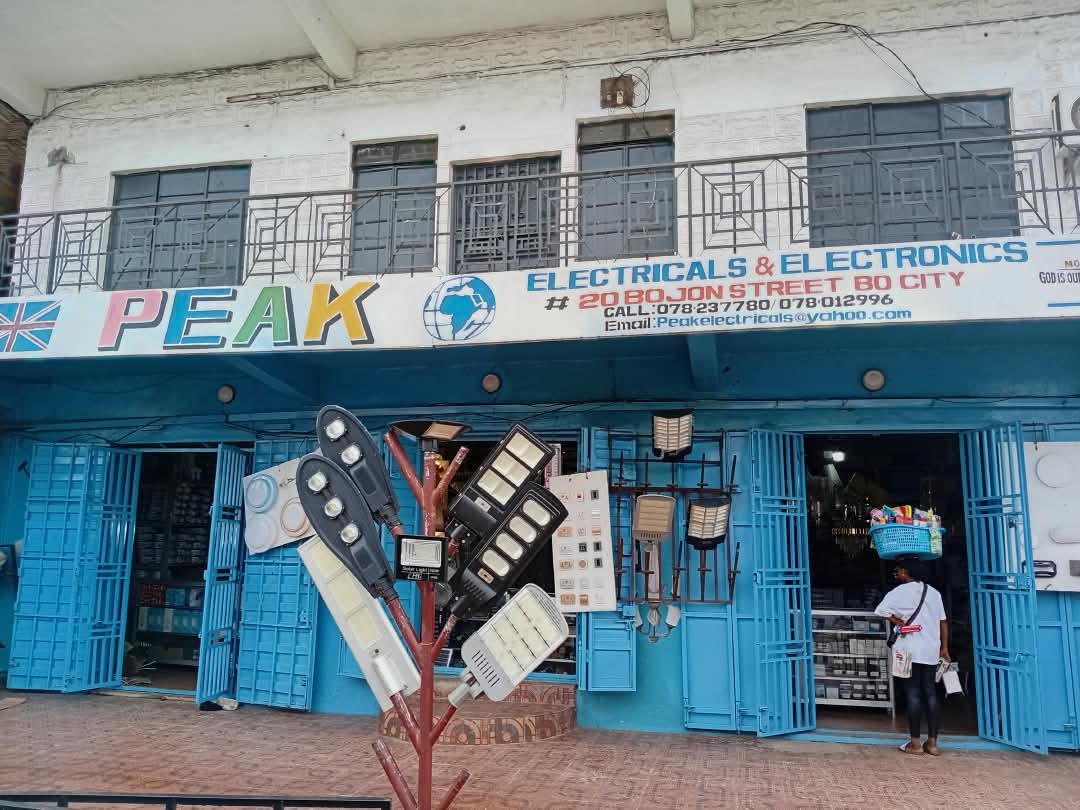
An investigation conducted by The Calabash Newspaper has uncovered allegations that  Ogha Toochukwu and Samuel, owners of Peak Electrical/Electronic a Nigerian-owned business operating in Sierra Leone, with its head office situated  on 17 Regent Road, by Goderich Street in Freetown, has been involved in the importation and sale of electrical cables suspected of being counterfeit RR Cables.

The allegations have raised fresh concerns about the circulation of suspected counterfeit electrical products on the Sierra Leonean market and the potential risks they could pose to consumers, electricians, businesses and property.

According to information obtained by The Calabash Newspaper, Peak Electrical/Electronic operates from several locations with business addresses in Bo and Kenema.

The locations identified include 38 Dambala Road, Bo, opposite Albertson Supermarket; 32 Dambala Road, Bo; Box Point 20 Bojon Street, Bo; beside Union Trust Bank on 5 Jany Street, Kenema; and St. James Secondary School.

Among the products identified during the investigation is a cable bearing markings purporting to identify it as an RR Kablo product.

The latest allegations come against the backdrop of previous concerns over suspected counterfeit RR Cables circulating in Sierra Leone.

In an earlier report, The Calabash Newspaper reported allegations involving businesses in Freetown accused of selling suspected counterfeit RR Cables.

According to that report, the Sierra Leone Police had reportedly acted on intelligence concerning suspected counterfeit RR products and conducted operations at business premises linked to the allegations.

Individuals were reportedly invited to the Criminal Investigation Department (CID) for questioning, while several rolls of electrical cables suspected of being counterfeit RR products were reportedly seized during the operations.

The reported seizures and investigations have heightened concerns about how suspected counterfeit electrical products may be entering and circulating within the local market.

The allegations involving Peak Electrical/Electronic also come amid public warnings concerning the authenticity of RR Cables in Sierra Leone.

Following this developments, SV Electrical – Sierra Leone’s Trusted Source for Genuine RR Cables,” SV Electrical warned consumers about suspected counterfeit RR Cables allegedly circulating in the country.

According to the company, it has been the exclusive importer and distributor of authentic RR Cables in Sierra Leone since 2019.

SV Electrical identified its reported official outlets as its premises on Siaka Stevens Street, Freetown and Hastings Junction, while urging consumers to exercise caution when purchasing RR-branded electrical cables from other sources.

The company warned that counterfeit cables may be manufactured using inferior materials and could potentially overheat, spark or contribute to electrical fires.

SV Electrical consequently encouraged consumers to verify the source and authenticity of electrical cables before making purchases.

The circulation of suspected counterfeit electrical cables is a matter of public safety, as electrical wiring forms an essential component of residential, commercial and industrial installations.

Electrical experts have warned that substandard cables can present significant risks when their materials, insulation, conductivity and load-bearing capacity do not meet required standards.

Such products may potentially contribute to overheating, short circuits, electrical faults and fires, particularly when they are used in installations requiring cables capable of safely carrying specified electrical loads.

The issue therefore extends beyond trademark protection and commercial competition to broader concerns about ensuring that electrical materials placed on the Sierra Leonean market meet applicable safety and quality requirements.

The allegations surrounding Peak Electrical/Electronic also raise questions about the supply chain through which RR-branded cables enter Sierra Leone, including their country of manufacture, import documentation, distribution channels and verification procedures.

Determining whether the identified cables are genuine would require appropriate technical and documentary verification, including examination of the products and, where necessary, confirmation from the manufacturer or authorized distributor.

Consumers are meanwhile advised to exercise caution when purchasing branded electrical products and to request information about their source and authenticity, particularly where products appear significantly cheaper than comparable products sold through authorized distributors.

The Calabash Newspaper is seeking a response from Peak Electrical/Electronic regarding the allegations, including the source of the identified cables, the company's authorization to distribute RR-branded products and any documentation demonstrating their authenticity. https://thecalabashnewspaper.com/archives/64909

Friday, 25 September 2026


President Bio Calls for Greater Global Investment in Peace and Development Over Military Spending
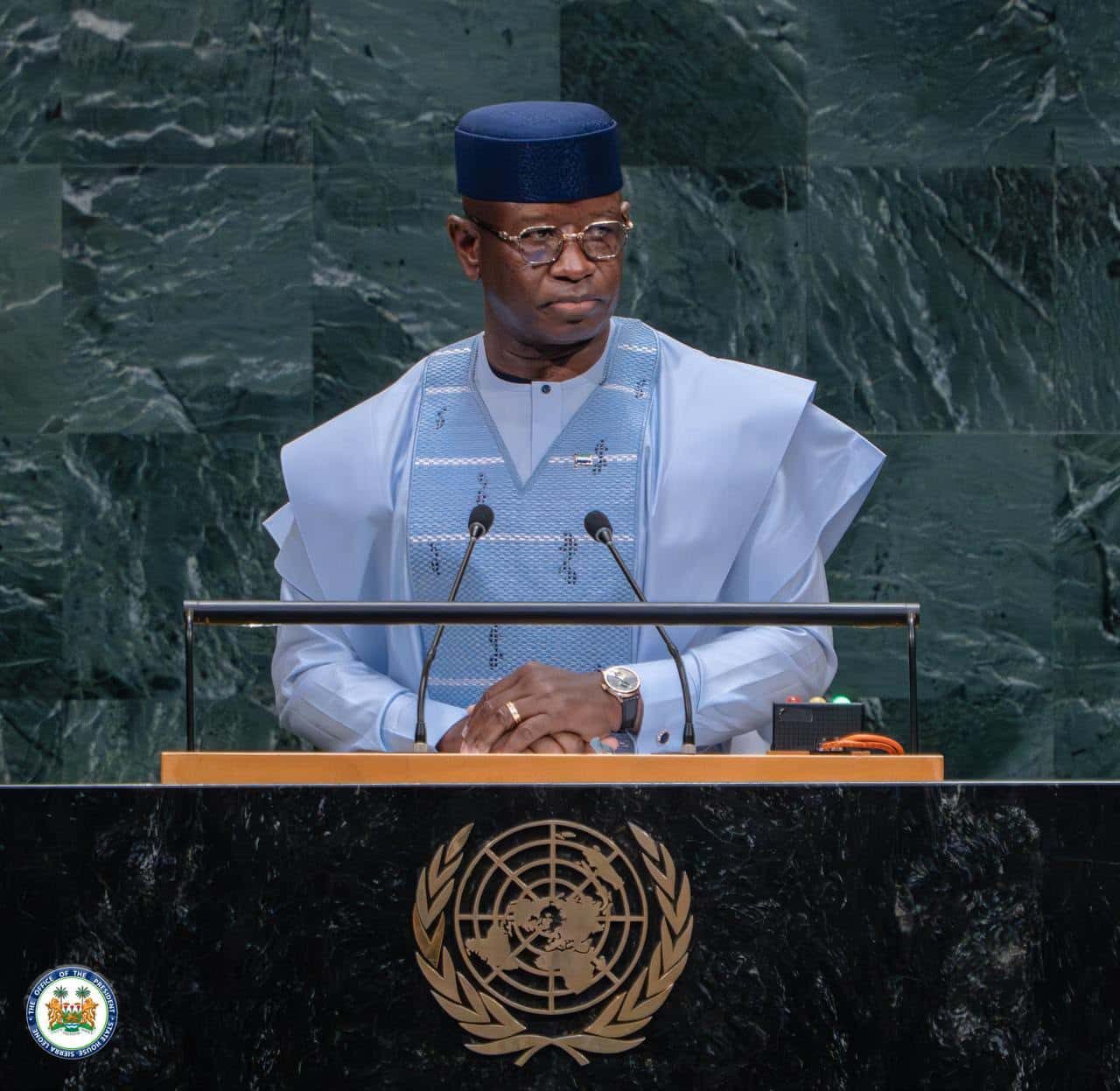
President Dr. Julius Maada Bio has urged world leaders to invest more in preventing conflict and improving lives, warning that military action alone cannot deliver lasting peace.

Speaking at the General Debate of the 81st United Nations General Assembly in New York on Tuesday, 22 September 2026, President Julius Maada Bio said global military expenditure reached almost US$2.9 trillion in 2025, its eleventh consecutive annual increase. Countries had legitimate security needs, he acknowledged, but the resources available for war stood in troubling contrast to those committed to development.

“The connection between peace and development must therefore move from our resolutions into our budgets,” President Julius Maada Bio said. He argued that hunger, exclusion, unemployment and weak institutions create conditions in which insecurity takes root.

The President cited atrocities and displacement in Sudan, continuing violence in the eastern Democratic Republic of the Congo and terrorism across West Africa and the Sahel. Although each conflict has different causes, he said, they demonstrate the limits of a response based on military force alone.

Drawing on Sierra Leone’s recovery from civil war, President Julius Maada Bio recalled that the formal end of fighting was only the beginning of peace. Families had to return home, communities had to rebuild relationships and institutions had to regain public confidence. The United Nations supported Sierra Leone through disarmament, elections and peacebuilding, he said, showing what international cooperation can achieve.

That experience shaped his message on the Assembly’s theme: “Restoring Trust, Managing Transformation: A United Nations That Delivers for All.” The phrase “for all,” he said, should be judged by whose voices influence decisions and whether those decisions reach people furthest from power.

President Julius Maada Bio called for international law to be applied consistently. On the Middle East, he urged the protection of civilians, humanitarian access and respect for the Palestinian people’s right to self-determination through a viable Palestinian state living alongside Israel in peace and security. He also called for progress on nuclear disarmament through diplomacy.

A major part of the address focused on reforming the UN Security Council. President Julius Maada Bio said the Council still reflects the power structure of 1945, while Africa, a continent of more than 1.6 billion people, has no permanent seat despite being the subject of much of its work.

He reaffirmed the Common African Position, set out in the Ezulwini Consensus and Sirte Declaration, which seeks at least two permanent African seats and five non-permanent seats. If the veto is retained, he said, African permanent members should have the same rights and privileges as other permanent members.

As Coordinator of the African Union Committee of Ten, Sierra Leone would continue pressing for reform, President Julius Maada Bio said. He called on UN Member States to produce a consolidated reform model before the end of the current General Assembly session.

The President also pointed to Sierra Leone’s 2024–2025 term on the Security Council. He said the country had drawn attention to Africa’s historical exclusion, placed conflict-related food insecurity on the agenda and worked with Guyana on a resolution concerning young people’s role in peace and security.

President Julius Maada Bio argued that unequal representation also affects international financial institutions. Developing countries need stronger voting power, affordable finance, concessional resources and fairer treatment of debt, he said. They should also have an equal role in setting international tax rules, a goal Sierra Leone supports through a proposed UN Framework Convention on International Tax Cooperation.

Reparatory justice was another focus of the speech. President Julius Maada Bio referred to a UN General Assembly resolution led by Ghana concerning the trafficking and enslavement of Africans. For Sierra Leone, he said, that history is close to home: thousands of Africans were transported into enslavement from Bunce Island, while Freetown later became a home for formerly enslaved and liberated Africans.

He called for acknowledgement, a formal apology, the return of cultural heritage and fair redress, saying the effects of slavery remain visible in global disparities of wealth, power and opportunity.

Turning to Africa’s critical minerals, President Julius Maada Bio warned that the global shift to cleaner energy must create jobs and industry in the countries supplying those resources. Processing minerals at source, transferring technology and building local industries could give young Africans better opportunities, he said.

“The green transition must not reproduce the extractive terms of the past,” he told the Assembly. He linked access to jobs and skills with peace, warning that young people denied opportunity can become vulnerable to exploitation, smuggling and dangerous migration.

The President cited Feed Salone, Free Quality School Education and Sierra Leone’s 2024 Prohibition of Child Marriage Act as examples of his Government’s domestic priorities. Protecting girls’ education and freedom, he said, forms part of meaningful development.

He also urged developing countries to participate in writing the rules for artificial intelligence. The technology could improve education, healthcare, agriculture and public administration, but it could widen inequality if knowledge and decision-making remain concentrated in a few countries.

On climate change, President Julius Maada Bio described families in Shenge watching the sea take land, fishing grounds and ancestral graves. He called for predictable climate finance, support for adaptation and effective arrangements to address loss and damage.

President Julius Maada Bio supported reforms to make the United Nations more effective and called on Member States to consider appointing a woman as its next Secretary-General. He also sought support for Sierra Leone’s nominee, Professor Charles Chernor Jalloh, in the November election for a judge of the International Court of Justice.

He closed by urging the Assembly to give people reason to believe that cooperation works and promises made at the United Nations will be honoured. The words “for all,” he said, must become the measure of its work. https://thecalabashnewspaper.com/archives/64891


Caritas Freetown Delivers Trocaire-Supported MPCA to Strengthen Disaster Preparedness for 80 Households
Caritas Freetown, with funding from Trocaire, has disbursed Multi-Purpose Cash Assistance (MPCA) of NLe3,480 each to 80 households in three disaster-prone communities in the Western Area Urban as part of efforts to strengthen community disaster preparedness and mitigation.

The beneficiaries are from Moyiba, Moa Wharf and Bottom Oku in Wellington, with the distribution taking place at Rokel Commercial Bank, Wellington PMB Branch, on Wednesday September 23, 2026.

The intervention forms part of a project titled: “Strengthening Community Disaster Preparedness, Flood Mitigation, Climate Resilience and Emergency Response Systems in Vulnerable Communities of Western Area Urban, Sierra Leone.”

Speaking during the disbursement, Eliza G. O. C. Sillah, Programs Manager at Caritas Freetown, said the project was developed following an assessment which identified gaps in disaster management structures within the targeted communities. She said the assessment found that the communities lacked structured Community Disaster Management Committees (CDMCs) to effectively mitigate and respond to disasters.

According to Eliza G. O. C. Sillah, the project is therefore supporting the strengthening of the CDMCs, including providing them with tools to carry out mitigation activities such as community cleaning and identifying houses located in disaster-prone areas.

She described the cash transfer as one of the key components of the project, intended to enable beneficiaries to strengthen their homes and support their families.

Eliza G. O. C. Sillah explained that the disbursement was preceded by financial literacy training to help beneficiaries properly manage and utilize the funds. She added that Caritas will conduct post-distribution monitoring two weeks after the cash transfer to assess how the money was used, its impact on beneficiaries and their level of satisfaction with the intervention.

Meanwhile, Gerald King, Deputy Director of Disaster Risk Reduction and Preparedness at the National Disaster Management Agency (NDMA), described the intervention as an important complement to Government’s disaster management efforts.

Gerald King said the Government faces challenges in preparing for, mitigating and responding to disasters, making partnerships with organisations such as Caritas and Trocaire important. He noted that residents in disaster-prone communities are particularly vulnerable to flood-related incidents during the rainy season.

“What is good about this intervention is that it's not a response to disaster but preparedness,” Gerald King said, while describing the approach as anticipatory action, which equips communities before a disaster occurs.

He said such support gives vulnerable households a starting point to cope with the effects of a disaster should one occur.

Gerald King also stressed the importance of resources in disaster management, saying the sector requires significant resources to effectively prepare for and respond to emergencies.

He said Sierra Leone has made significant progress in disaster management over the years, noting that prior to 2020, the country did not have a stand-alone agency responsible for disaster management and response.

He added that the NDMA has since undertaken several policy actions aimed at strengthening disaster preparedness, mitigation and response. Gerald King further noted that many disaster-related incidents in Sierra Leone are linked to human activities, including the continued occupation of disaster-prone areas and activities that increase vulnerability to disasters.

For beneficiaries, the cash support is expected to help address some of the challenges they face during the rainy season.

Alusine Bangura, a beneficiary from Moyiba, said earning a living has been difficult since the death of his parents and that his household often struggles during the rainy season. Alusine Bangura said he would use part of the money to strengthen his house, which is usually affected by heavy rainfall.

He plans also to use the remainder to establish a small kiosk selling phone recharge cards to support himself and his brother.

Another beneficiary, Dora Mansaray from Moa Wharf, said heavy rainfall sometimes forces her family to temporarily leave their home because of flooding. She said the flooding has also resulted in the loss of household properties.

Dora Mansaray said she would use the money to purchase sand and cement to repair sections of her house that have been damaged by heavy rainfall. She expressed gratitude to Caritas for the financial support, saying it would make a difference for her and her children.

The cash transfer is part of the broader intervention aimed at strengthening the capacity of vulnerable communities to prepare for, mitigate and recover from disasters. https://thecalabashnewspaper.com/archives/64883


Professor Duramany-Lakkoh Urges Management Accountants to Shape Strategy Beyond the Numbers at 2026 Convocation in Ghana
Professor Ezekiel Kalvin Duramany-Lakkoh has called on management accountants to play a stronger role in organizational strategy, saying their work must go beyond reporting figures to helping leaders understand risk, performance and the long-term consequences of their decisions.

Professor Ezekiel Kalvin Duramany-Lakkoh made the remarks while reflecting on his admission as a Chartered Global Management Accountant at a 2026 convocation in Ghana. He said he had qualified as a Chartered Accountant years earlier but had long wanted to pursue management accounting because of its close connection to financial strategy, corporate finance and enterprise risk management.

“Accounting has gone far beyond reporting figures,” Professor Ezekiel Kalvin Duramany-Lakkoh said. He explained that management accountants should provide executives and boards with informed financial and commercial perspectives on investment, performance, sustainability and governance.

According to Professor Ezekiel Kalvin Duramany-Lakkoh, their responsibility includes testing assumptions, explaining the financial implications of proposed decisions and helping organisations allocate resources responsibly. Financial information, he said, becomes most useful when it is translated into practical insight that supports sound decisions and accountability.

He identified budgeting, forecasting, cost management, financial modelling, internal control and risk assessment among the profession’s core responsibilities. He also stressed the importance of communicating complex financial matters clearly to directors and other decision-makers.

At Board level, Professor Ezekiel Kalvin Duramany-Lakkoh said, accountants should help Directors examine whether an organisation is financially resilient, whether its investments support its priorities and whether Management’s forecasts are backed by reliable evidence.

His comments reflect a wider emphasis on governance in his work at the Institute of Public Administration and Management (IPAM), a constituent college of the University of Sierra Leone. Professor Ezekiel Kalvin Duramany-Lakkoh is advancing a 2025–2028 agenda aimed at strengthening IPAM’s academic programmes, facilities, partnerships and institutional services.

The agenda seeks to position IPAM more strongly in business, governance and technology education. It also places greater emphasis on sustainability, digital transformation, entrepreneurship and links between academic programmes and employment.

Infrastructure forms part of those plans. A four-storey annex at IPAM’s Old Campus, initiated before the current review period, is expected to provide additional lecture theatres, seminar rooms and faculty offices when completed. IPAM was also preparing to commission facilities at its A.J. Momoh Street campus on Tower Hill.

Professor Ezekiel Kalvin Duramany-Lakkoh has encouraged alumni and other partners to support institutional development.

IPAM’s regional engagement also expanded on 22 September 2026 with the signing of a Memorandum of Understanding with the Liberia Institute of Public Administration. The agreement provides a framework for cooperation in public administration, governance, procurement, entrepreneurship, professional development and digital transformation.

Speaking separately at an executive training programme in Accra organized by the West Africa Bankers Association, Professor Ezekiel Kalvin Duramany-Lakkoh said effective governance depends on the combined efforts of Boards, Company Secretaries, Human Resource leaders and other professionals. He urged Non-Executive Directors to provide independent oversight and ask difficult questions about Management decisions and institutional risks.

The progress of IPAM’s transformation agenda will depend on how those plans are carried out, including the completion of facilities, improvements in student services and academic programmes and results from its partnerships. https://thecalabashnewspaper.com/archives/64880


NMA, ACC Train New Mining Staff on Ethics and Integrity
The National Minerals Agency (NMA), in collaboration with the Anti-Corruption Commission (ACC), has concluded a one-day in-house training for newly recruited Assistant Mining Engineers, Geologists and Mines Compliance Officers as part of efforts to strengthen ethics, integrity, accountability and compliance in Sierra Leone’s mining sector.

The training, held on Wednesday, September 23, 2026, at the NMA headquarters in New England Ville, Freetown, was organized under the theme: “Upholding Ethics and Integrity in the Workplace.” Similar sessions were previously conducted in Makeni, Bo, Kono and Kenema for newly recruited NMA personnel.

In his welcome address, NMA Director General Ing. Hadji Dabo described the training as critical to maintaining professionalism and accountability among staff, particularly those responsible for mining compliance and supervision.

He disclosed that the Agency is dealing with concerns over fraud in the mining sector and acknowledged that some of its personnel had allegedly been involved in fraudulent activities.

“We're having a lot of issues with fraud in the sector and we understand some of our own staff are involved in these nefarious activities,” Ing. Hadji Dabo said.

He warned that the Agency would take firm action against staff found engaging in fraudulent practices, including possible referral to the police and ACC.

“If anybody is caught in fraudulent activity, we are going to hand you over to the police and maybe Anti-Corruption will be involved too. And that would be the end of your service to the Agency,” he cautioned.

Ing. Hadji Dabo also urged employees to act as “watchmen” for one another by reporting misconduct and other activities that could undermine the Agency's operations. He encouraged participants to take the lessons from the training back to their respective workplaces and implement them.

Victoria Fumikeh Nicol, Library and Research Manager and Focal Person for the NMA Integrity Management Committee, urged the new recruits to uphold professionalism and ethical standards in the discharge of their duties.

She said the training was designed to improve staff understanding of applicable laws, compliance responsibilities, ethical conduct and corruption-prevention strategies.

Victoria Fumikeh Nicol cautioned staff against allowing themselves to be compromised while carrying out their official responsibilities noting that employees in the mining sector may encounter individuals who could attempt to influence their decisions.

She said the NMA would not tolerate fraudulent or corrupt practices, adding that staff found engaging in such activities could face disciplinary action, including dismissal or be handed over to the appropriate authorities following investigations.

The Compliance and Audit Manager, Daphre C. A. Winnebah, described integrity as one of the Agency's most important values and urged every employee to make it a workplace “watchword.”

“Integrity is all about knowing what to do when nobody is watching you; when nobody is there for you to be honest, to be transparent in your dealings, to be accountable in whatever you are doing and to be professional in the conduct of your duties and responsibilities,” Daphre C. A. Winnebah said.

She noted that NMA personnel handle public revenue, resources, information and decision-making processes, making accountability essential to protecting the Agency's reputation.

Daphre C. A. Winnebah warned that even strong institutional systems could fail if individuals disregard established ethical standards, policies and procedures. She therefore encouraged staff to report unethical practices to Management or the Integrity Management Committee.

“Let us make integrity not just a subject for discussion. Let integrity be part of us,” she urged.

Human Resources Manager, NMA, Bintu B. Abu also called on the newly recruited personnel to reject corruption and protect both their careers and the reputation of the NMA.

Bintu B. Abu said corruption could be prevented if individuals change their mindset and refuse to participate in wrongdoing even when others are doing so.

“It is possible for Sierra Leone to be corruption-free. It is our mindset. If we change our mindset, things could be possible for us,” she said.

She explained that the annual engagement with the ACC is intended not to intimidate staff but to educate them about practices that could constitute misconduct or corruption.

Bintu B. Abu further emphasized that individual misconduct could affect the reputation of the entire institution.

“It is not Bintu; it is the NMA,” she said, stressing the collective responsibility of employees to protect the Agency's credibility.

She also urged staff to value their employment and avoid actions that could jeopardize their careers, noting that job opportunities remain difficult to secure.

“Don't allow one-day issue to destroy your future,” Bintu B. Abu cautioned.

For the ACC, Deputy Director of the Prevention Department, Samuel Marah, commended the NMA for organizing the training and described ethics and integrity as key components of corruption prevention.

Samuel Marah said combating corruption requires more than laws, regulations and institutional controls, emphasizing the importance of addressing individual attitudes and mindsets.

“The Commissioner is very keen on prevention and one key strategy of prevention is ethics and integrity,” he said.

He reaffirmed the ACC's commitment to working with the NMA and other Government institutions, noting that the Commission's anti-corruption efforts depend on collaboration with Ministries, Departments, Agencies and the public.

Samuel Marah said the training would enable participants to examine the concepts of ethics, integrity and corruption, identify corruption risks in the workplace and explore strategies for mitigating those risks.

He added that participants would also examine offences under the Anti-Corruption Act 2008, as amended in 2019, as well as practical examples of ethical dilemmas that could arise in the course of their professional duties.

He expressed hope that the training would strengthen participants' understanding of ethical conduct and enable them to contribute to building a stronger culture of integrity within the NMA.

The training forms part of the NMA and ACC's broader efforts to promote accountability, ethical conduct and corruption prevention among personnel working in Sierra Leone's mining sector. https://thecalabashnewspaper.com/archives/64874