Monday, 2 November 2026


Forbes Africa Spotlights Vice President’s Leadership in Sierra Leone’s Economic Transformation
Sierra Leone’s Vice President, Dr. Mohamed Juldeh Jalloh, has been prominently featured in the October/November 2026 edition of Forbes Africa, where he outlined the Government’s strategic vision for economic transformation, infrastructure development, investment promotion, institutional reforms and sustainable job creation.

The special Sierra Leone edition, published under the Africa Undiscovered series, highlights the country’s emerging investment opportunities, economic potential and efforts to convert its abundant natural resources into lasting national prosperity.

In an extensive interview conducted by Penresa, titled “Sierra Leone’s Big Five Strategy for Reform, Infrastructure, and Jobs,” the Vice President explained how the Government is implementing interconnected development priorities designed to strengthen the economy, improve public services and create opportunities for Sierra Leoneans.

The feature places Dr Mohamed Juldeh Jalloh among the prominent national figures presented in the publication’s Sierra Leone investment spotlight, bringing international attention to his role in coordinating Government policies and advancing strategic development initiatives.

Speaking about his leadership philosophy, the Vice President emphasized that public service must produce measurable improvements in people’s lives rather than remain confined to policy discussions and official announcements.

Drawing on his extensive international experience with the United Nations, International Crisis Group, African Union’s Nouakchott Process and G5 Sahel, he explained that effective leadership requires practical solutions to institutional challenges and a commitment to delivering results.

“Leadership today is not about making announcements. It is about ensuring that what is announced is delivered, that investments reach the communities they were designed to serve and that the cumulative effect is felt as a real improvement in the lives of Sierra Leoneans,” he stated.

Central to his interview was the Government’s Big Five development agenda, comprising Feed Salone, Human Capital Development, Youth Employment, Technology and Infrastructure and Public Service Reform.

Dr. Mohamed Juldeh Jalloh explained that those priorities, initially outlined in the Sierra Leone People’s Party manifesto and incorporated into the Medium-Term National Development Plan 2024–2030, are mutually reinforcing components of the country’s economic transformation strategy.

He noted that improving education and healthcare strengthens human capital, agricultural development enhances food security, infrastructure supports economic activities, youth employment promotes productivity and public service reforms improve institutional performance.

According to him, the Office of the Vice President plays a central coordinating role in ensuring that Ministries, development partners, local councils and private-sector institutions work collectively towards achieving those objectives.

Through the Inter-Ministerial Committee on Decentralization and Local Governance, which he chairs, his office addresses institutional bottlenecks and strengthens cooperation between central Government and local authorities.

He also highlighted his office’s oversight responsibilities involving strategic institutions, including the National Investment Board, Sierra Leone Compact Development Unit, Sierra Leone Extractive Industries Transparency Initiative, Scaling Up Nutrition Secretariat and National Early Warning and Response Mechanism Centre.

On youth empowerment, the Vice President described Sierra Leone’s youthful population as one of its greatest national assets, noting that more than 70 percent of citizens are below the age of 35.

He stressed that education must be linked directly to employment opportunities, warning that young people equipped with qualifications but unable to secure productive work could face growing economic and social difficulties.

To address that challenge, he highlighted Free Quality School Education, the Education Innovation Challenge, technical and vocational training, digital skills programmes and initiatives connecting young entrepreneurs with employers and investors.

He particularly referenced the National Youth Employment and Entrepreneurship Fair and Sierra Leone Innovates Summit as platforms supporting innovation, entrepreneurship and access to emerging economic opportunities.

“Technology must translate into opportunity. If it does not create jobs, improve productivity and expand access, it is not transformation; it is activity,” he declared.

Turning to investment promotion, Dr. Mohamed Juldeh Jalloh described the private sector and development partners as essential contributors to national development.

He explained that his office facilitates collaboration, resolves regulatory obstacles and supports initiatives designed to improve Sierra Leone’s investment climate.

The National Investment Board, which he helped establish and serves as Vice-Chair, was identified as an important institution for facilitating investment and strengthening cooperation between Government and businesses.

Infrastructure development also featured prominently in the interview, with the Vice President highlighting major road rehabilitation projects, electricity expansion and digital connectivity initiatives.

He identified the Lumley–Tokeh Road, Pendembu–Kailahun Road and Hillside Bypass among projects intended to reduce transportation costs, strengthen trade and improve access to essential services.

He also discussed the proposed Lungi Bridge, explaining that the project is advancing through feasibility studies and partnership arrangements aimed at improving connectivity between Freetown and the international airport area.

In the energy sector, Dr. Mohamed Juldeh Jalloh highlighted the National Energy Compact, which targets increasing electricity access from approximately 36 percent to nearly 80 percent by 2030.

The programme also aims to expand generation capacity beyond one gigawatt and provide more than 720,000 household connections through electricity grids, mini-grids and solar systems.

He further highlighted the US$480 million Millennium Challenge Corporation Energy Compact, which he oversees, as a major investment in electricity transmission, distribution and sector reforms.

According to him, reliable electricity, improved roads and stronger digital infrastructure are essential for industrial growth, business competitiveness and employment creation.

Looking ahead, the Vice President identified agriculture, clean energy, mining, tourism and digital services as sectors offering significant investment potential.

He explained that Sierra Leone’s fertile land, rainfall and river systems provide opportunities for commercial agriculture, food processing, irrigation and agricultural value addition.

He also highlighted renewable energy opportunities involving solar, small-scale hydropower and biomass, alongside responsible mineral development in rutile, bauxite, diamonds and gold.

Emphasizing Sierra Leone’s strategic position within regional markets, he stated: “Through ECOWAS and the African Continental Free Trade Area, investors gain access to a market of 400 million people from a base in Sierra Leone.”

Tourism was another priority, with Dr. Mohamed Juldeh Jalloh identifying Bureh, River No. 2 and Tokeh beaches, alongside the country’s wildlife, cultural heritage and historical attractions, as valuable assets for attracting international visitors.

Reflecting on Sierra Leone’s 65 years of independence, he acknowledged the country’s difficult experiences, including civil conflict, Ebola and governance challenges, while maintaining that significant progress is being made.

He cited declining maternal mortality, increased school enrolment and major energy investments as encouraging developments, although he recognised that further improvements in public services, employment and institutional accountability remain necessary.

The Vice President also stressed the importance of women’s participation, diaspora engagement and inclusive national development, arguing that Sierra Leone’s future prosperity depends on harnessing the contributions of all citizens.

His appearance in Forbes Africa provides international exposure for Sierra Leone’s investment prospects and the Government’s development priorities. However, the effectiveness of those initiatives will ultimately be measured by their implementation and the benefits experienced by ordinary Sierra Leoneans.

Concluding his interview, Dr Mohamed Juldeh Jalloh expressed confidence in the country’s economic direction and its ability to translate opportunities into sustainable progress.

“Sierra Leone stands today at a point of quiet but determined transition, from recovery to delivery, from potential to performance,” he declared.

The Forbes Africa feature reinforces international attention on Sierra Leone’s development ambitions, with the Vice President presenting a vision centred on effective governance, strategic investment, economic diversification and improved living standards. https://thecalabashnewspaper.com/archives/65887

Onga Takes Live Cooking Demonstrations and Food Safety Awareness Campaign to Makeni, Magburaka and Kono
Following the successful conclusion of a three-day consumer engagement roadshow in Freetown, Sierra Leone’s seasoning brand ONGA, marketed by Premium Divine Trading Company Limited, extended its 2026 World Food Day celebrations to the provinces through its Onga Market Storm and Live Cooking Demonstrations.

The provincial activities, which ran from 26 to 28 October 2026, took the campaign to Makeni, Magburaka and Kono, bringing food education, entertainment and consumer engagement closer to communities outside the capital.

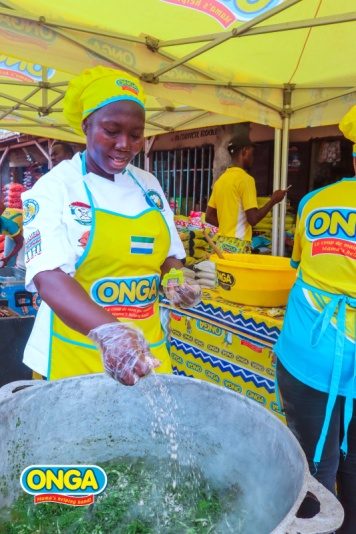
The activities featured live cooking demonstrations, market tours, music, traditional drumming and dancing, creating an engaging atmosphere for consumers and market women while providing opportunities for direct interaction with the Onga team.

The provincial outreach forms part of the company’s activities to commemorate World Food Day, which is observed annually on 16 October, and its efforts to promote food safety awareness, nutrition and informed food choices among consumers.

At various markets in Makeni, Magburaka and Kono, the Onga Market Storm and live cooking demonstrations attracted market women and other consumers. Participants benefited from product education, free Onga Shrimp seasoning samples, Onga branded souvenirs and cooked food distributed to market women.

Speaking on behalf of Premium Divine Trading Limited, Philip Kanu, Assistant Marketing Lead, said the provincial activities were designed to take the World Food Day message beyond Freetown and engage consumers directly in their communities.

He explained that the initiative provided an opportunity to educate consumers about the company's products, encourage safe food practices and promote greater awareness of nutrition and food security.

Philip Kanu said the company remains committed to engaging consumers through activities that combine product education with practical demonstrations and community participation.

He further explained that, as part of the provincial outreach, the Onga conducted live cooking demonstrations in the various markets, preparing meals exclusively with Onga seasoning. According to him, the Chef and company staff were the first to taste the prepared food before it was shared with market women.

He said the demonstrations were intended not only to show women how to use Onga seasoning in preparing meals but also to demonstrate the company's confidence in the quality and safety of its products. He described the exercise as the first time the company had undertaken such an initiative as part of its consumer engagement activities.

Philip Kanu added that food safety and nutrition are important considerations in everyday life and that consumers need adequate information about the products they use in preparing meals. He said those activities provided an opportunity to educate consumers, respond to their questions and reinforce awareness of safe food consumption.

On product safety, Philip Kanu said the company prioritizes quality and safety, referring to local regulatory approval as part of its assurance regarding the products' suitability for consumption. He also pointed to the live cooking demonstrations and the participation of company staff in tasting the prepared meals as part of the company's efforts to build consumer confidence in Onga seasoning.

The market women who benefited from the provincial activities also welcomed the initiative.

Sallay Koroma, a market woman in Makeni, said the activity gave her an opportunity to learn more about using Onga seasoning in preparing meals. She described the live cooking demonstration as particularly useful because it allowed participants to observe how the seasoning was used before tasting the prepared food.

In Magburaka, Ramatu Sesay expressed appreciation for the company's engagement with market women, noting that the distribution of cooked food and product samples made the celebration enjoyable and informative. She said the initiative also provided an opportunity for women to learn more about food preparation and making informed choices about the products they use in their homes.

Similarly, Sia Kamaka, a market woman in Kono, described the activity as a welcome engagement, particularly because market women were included in the celebration and given the opportunity to participate in the cooking demonstrations. She thanked Onga for the food and souvenirs distributed, adding that such community activities help bring companies closer to consumers.

The provincial Onga Market Storm and live cooking demonstration followed the Freetown leg of the Onga Waka Fiesta, which took place from 15 to 17 July 2026. The roadshow visited Waterloo on 15 July, communities in the Western Area Rural District on 16 July and eastern Freetown on 17 July, featuring product education, sampling and giveaways.

The Onga Waka Fiesta in Freetown and the Onga Market Storm and live cooking demonstration in the provinces forms part of the company's efforts to commemorate World Food Day through activities that connect directly with consumers, particularly market women and households who play important roles in food preparation and distribution.

Through its continued provincial outreach, Onga reaffirmed its commitment to consumer engagement, product education and community participation, while taking the World Food Day celebration closer to more communities across Sierra Leone. https://thecalabashnewspaper.com/archives/65881


Mines Minister Calls for Greater Russian Investment in Sierra Leone’s Mineral Exploration and Processing
Sierra Leone’s Minister of Mines and Mineral Resources, Julius Daniel Mattai, has called for increased international investment in geological exploration, mineral processing, technological advancement and human capital development, stressing that the country’s vast mineral resources must be transformed into sustainable economic opportunities and lasting prosperity for its citizens.

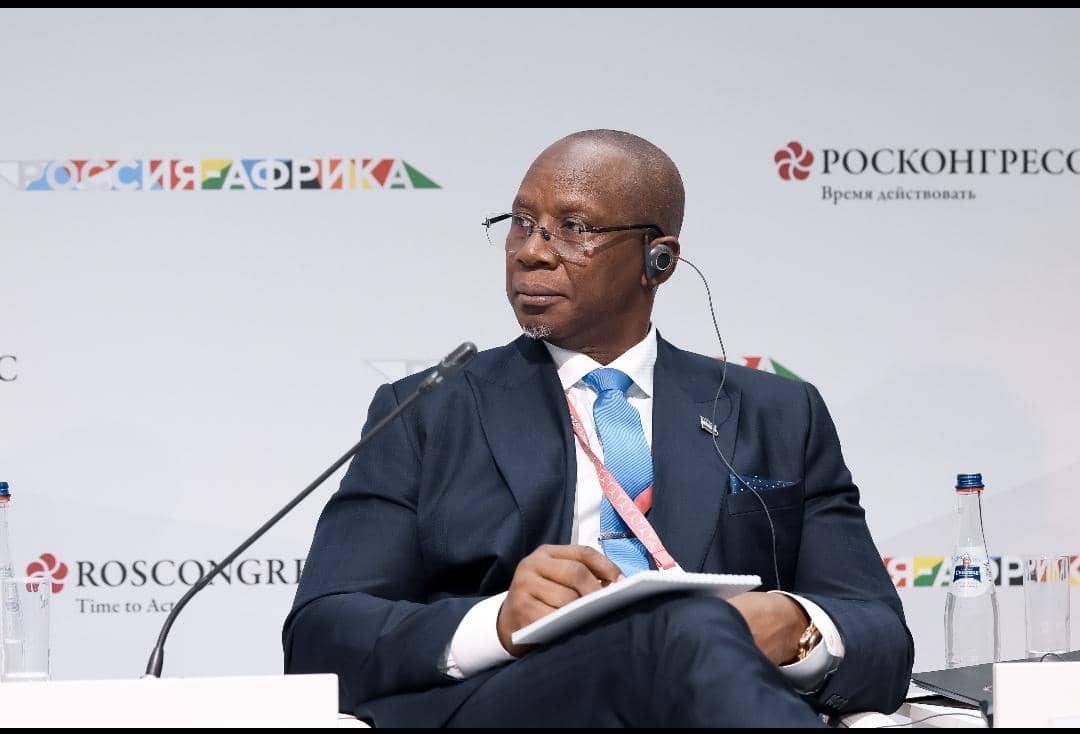
Speaking at the Russia–Africa Summit in Moscow on Wednesday, 28 October 2026, Minister Julius Daniel Mattai outlined Sierra Leone’s determination to strengthen cooperation with Russia and other international partners to unlock its mineral potential, expand local processing capacity and position the mining industry as a major driver of national industrialization and economic transformation.

He emphasized that the mere existence of abundant mineral deposits does not guarantee economic prosperity, arguing that meaningful development requires accurate geological information, effective governance, modern technology, skilled professionals and responsible resource management.

According to the Minister, Sierra Leone possesses substantial deposits of iron ore and diamonds, alongside promising discoveries and exploration prospects involving critical minerals such as lithium, cobalt, nickel and coltan.

However, he maintained that the country must deepen its understanding of its geological formations to determine the true extent, commercial viability and development potential of those resources.

“We need to understand our geology better,” Minister Julius Daniel Mattai declared, underscoring the importance of systematic geological surveys, scientific investigations and exploratory drilling to establish reliable estimates of mineral resources and reserves.

He referenced a Memorandum of Understanding signed in June 2024 concerning the inventory of Sierra Leone’s mineral resources, describing the initiative as an important foundation for improving geological knowledge and attracting credible investment.

The Minister explained that comprehensive geological information would enable Sierra Leone to identify prospective mineral deposits more accurately, reduce exploration risks and strengthen its negotiating position when engaging international investors.

He disclosed plans to enhance geological investigations through modern geophysical technologies, including magnetic and radiometric surveys, supported by improved geological, geochemical and geophysical databases.

Such investments, he noted, would provide both Government and private investors with reliable scientific information for making informed decisions about mineral exploration and development.

A central message of Minister Julius Daniel Mattai’s address was the urgent need for African mineral-producing countries to move beyond the traditional model of extracting and exporting raw materials without capturing their full economic value.

He argued that Sierra Leone must prioritize the development of an integrated mineral value chain encompassing exploration, extraction, beneficiation, processing, smelting, refining and, where commercially viable, manufacturing.

According to him, establishing those activities within the country would create employment opportunities, strengthen domestic industries, promote technology transfer and increase the economic benefits retained from mineral production.

The Minister stressed that Sierra Leone should not remain merely a supplier of raw materials to industrialized economies while importing finished products manufactured from its own natural resources.

Instead, he advocated partnerships that would support domestic processing facilities, develop technical expertise and establish stronger connections between the mining industry and other productive sectors of the national economy.

He acknowledged, however, that achieving these ambitions would require substantial investment in reliable electricity, transportation networks, roads, ports and other essential industrial infrastructure.

Minister Julius Daniel Mattai further highlighted the importance of maintaining a transparent, predictable and competitive investment environment capable of attracting long-term financing while safeguarding Sierra Leone’s national interests.

He indicated that the Government is reviewing aspects of the country’s mining legislation to strengthen regulatory clarity and ensure that investors operate within a stable legal and fiscal framework.

Depending on the scale and characteristics of individual investments, he explained, appropriate fiscal stability arrangements could provide additional certainty for major mining and mineral-processing projects.

At the same time, he emphasized that transparency and accountability in mining revenue management must remain fundamental priorities, ensuring that mineral wealth produces measurable improvements in public services, employment and economic development.

Turning to Africa’s broader economic prospects, Minister Julius Daniel Mattai observed that the continent’s rapidly growing population represents both a significant market and an expanding source of human capital.

With Africa’s population projected to increase from approximately 1.5 billion to 2.5 billion by 2050, he argued that the continent has considerable potential to develop competitive industries, expand domestic markets and strengthen its position in global trade.

He noted that increasing international demand for critical minerals, particularly those required for modern technologies and energy systems, presents African countries with an opportunity to negotiate more beneficial investment partnerships.

The Minister observed that much of the world’s mineral processing and refining capacity remains concentrated in China, while growing efforts to diversify global supply chains could create opportunities for African mineral-producing nations.

For Sierra Leone, he explained, the objective should be to attract investors willing to support local processing, develop infrastructure, transfer technology and strengthen the country's long-term industrial capabilities.

Beyond mineral exploration and processing, Minister Julius Daniel Mattai placed considerable emphasis on education, scientific research and professional training as essential foundations for a competitive mining industry.

He expressed Sierra Leone’s interest in expanding academic and technical cooperation with Russian universities, research institutions and specialized training centres, particularly in geology, geophysics, chemistry, mining engineering and mineral processing.

Drawing on his educational experience in the former Soviet Union, the Minister acknowledged the longstanding contribution of academic exchanges to the development of professional expertise.

He also referenced discussions held with a Russian state university the previous day, during which opportunities for cooperation in geological education and scientific research were explored.

Potential areas of collaboration, he explained, include scholarships for Sierra Leonean students, academic staff exchanges, laboratory development, technical training and the application of artificial intelligence to geological modelling and mineral exploration.

Such initiatives could strengthen Sierra Leone’s ability to independently assess its mineral resources while reducing dependence on external technical expertise.

Minister Julius Daniel Mattai also identified energy development as an important area for cooperation, stressing that reliable and affordable electricity remains essential for establishing commercially viable mineral-processing and industrial facilities.

He maintained that international partnerships must be structured around mutual benefit, respect for national sovereignty and the creation of sustainable economic opportunities.

In a particularly striking declaration, the Minister made clear that Sierra Leone’s engagement with Russia and other global partners should not be interpreted as taking sides in international geopolitical competition.

“We are not looking East. We are not looking West. We are not looking North or South. We are looking downward into the ground to make more discovery and move forward to make sure we prosper,” he declared.

His statement reinforced Sierra Leone’s intention to pursue practical economic partnerships based on national development priorities rather than geopolitical alignments.

Minister Julius Daniel Mattai reiterated that Sierra Leone remains open to investors and development partners capable of providing the financing, scientific knowledge, advanced technologies and technical expertise required to modernize its mining industry.

He stressed that the Government’s ultimate ambition is to ensure that the country’s mineral resources become a foundation for industrial development, employment creation, skills acquisition and sustained economic growth.

The Minister’s presentation in Moscow also highlighted the broader challenge confronting mineral-rich African economies: translating natural resource endowments into tangible improvements in the living standards of their populations.

While expanded exploration and foreign investment could create new opportunities, achieving lasting benefits will depend on effective regulation, transparent revenue management, infrastructure development and meaningful participation by local businesses and professionals.

For Sierra Leone, stronger cooperation with Russia and other international partners could support these objectives, particularly if investment agreements incorporate local value addition, technical training and long-term industrial development.

Ultimately, Minister Julius Daniel Mattai’s message was that Sierra Leone’s mining sector must be judged not merely by the quantity of minerals discovered or exported, but by its contribution to job creation, economic diversification, national revenue and improved living conditions.

His call for greater geological exploration, mineral processing and skills development reflects a determination to reposition Sierra Leone from a predominantly raw-material-exporting economy towards one that captures greater value from its natural resources and uses its mineral wealth to build lasting national prosperity. https://thecalabashnewspaper.com/archives/65876


Four Face 61 Criminal Charges Over Alleged Forgery of SLRSA Licence Fraud Case
Four men accused of involvement in an alleged fraudulent vehicle licensing operation at the Sierra Leone Road Safety Authority (SLRSA) have been remanded in custody after appearing before Magistrate Mustapha Briama Jah at Pademba Road Court No. 1 in Freetown.

The accused, Mustapha Rogers, 29; Simeon Vibbie, 29, a clearing and forwarding broker; Foday Jayah, 26, an Information Technology (IT) specialist; and Sahid Ahmed Sesay, 32, a licensed agent employed by the SLRSA, are facing 61 criminal charges relating to alleged forgery, conspiracy to defraud and the unlawful production of vehicle licensing documents.

According to the prosecution, the alleged offences occurred on 22 September 2026 at the SLRSA Head Office on Kissy Road in Freetown, where the four defendants allegedly collaborated with other unidentified individuals to defraud the Authority through the preparation and use of fraudulent licensing documents.

The prosecution alleged that Mustapha Rogers and Simeon Vibbie forged a Radio Frequency Identification (RFID) sticker bearing serial number 252022235, making it appear as though the document had been officially prepared and issued by the Director of Licences at the SLRSA.

Investigators further alleged that the two defendants knowingly presented the purportedly forged sticker with the intention of deceiving the Authority. They are also accused of printing the document without the lawful authorization required under Sierra Leone's road traffic legislation.

The case involves allegations of document manipulation and unauthorized licence production, raising questions about the safeguards designed to protect the integrity of vehicle registration and licensing procedures.

The charges brought against the accused include conspiracy to defraud, uttering forged documents, printing licences without lawful authority and forgery, contrary to provisions of the Forgery Act 1913 and the Road Traffic Act 2007.

According to the prosecution's breakdown, the indictment includes one count of conspiracy to defraud, 14 counts of uttering forged documents under Section 6(1) of the Forgery Act 1913, 15 counts of printing licences without authority under Section 98(a) of the Road Traffic Act 2007, 14 counts of forgery of licences under the same provision and 16 counts of forgery under Section 4(1) of the Forgery Act 1913.

During their first court appearance, the charges were presented, but no plea was taken from the defendants.

The prosecution team, comprising Assistant Superintendent of Police Willigton and Inspector M. K. Taylor, served the indictment in accordance with the Criminal Procedure Act 2024. However, proceedings revealed that only one copy had been served on the lawyer representing the first accused.

Defence counsel subsequently applied for bail on behalf of the four defendants under Section 76(1)(c) of the Criminal Procedure Act No. 8 of 2024.

Lawyers C. B. Brownley and H. Conteh represented the second accused, while M. Conteh and J. A. Sesay appeared for the third accused. Lawyer M. S. Sankoh represented the fourth accused.

After considering the submissions from the defence, Magistrate Mustapha Briama Jah declined to grant bail and ordered that all four defendants remain in custody pending further proceedings.

The matter was adjourned to Wednesday, 4 November 2026, when the court is expected to continue examining the allegations.

The charges remain allegations and none of the accused has been convicted. All four defendants are presumed innocent unless proven guilty in accordance with the law.

The case is expected to attract further attention because of its implications for public confidence in the integrity of vehicle licensing and document authentication procedures at the SLRSA. https://thecalabashnewspaper.com/archives/65873


ROCKCEM CEO Gains Forbes Africa Recognition for Advancing Local Cement Processing and Industrial Growth
In recognition of his growing contribution to Sierra Leone’s industrial and construction sectors, Chief Executive Officer of ROCKCEM Limited, Bilal Hijazi, has been featured in the October/November 2026 edition of Forbes Africa, dedicated to Sierra Leone under its Africa Undiscovered series.

The special publication examines Sierra Leone’s emerging investment opportunities, profiling business executives and entrepreneurs whose activities are helping to expand industrial capacity, stimulate economic growth and create employment.

Among those featured is Bilal Hijazi, whose leadership has positioned ROCKCEM as an expanding participant in Sierra Leone’s cement industry, with investments in distribution infrastructure, renewable energy and domestic processing.

The recognition comes as the company pursues an ambitious transformation from importing finished cement to establishing a locally integrated processing operation designed to strengthen the country's construction supply chain.

ROCKCEM began operations in Sierra Leone in 2021 with a single shipment of imported cement. Despite entering an unfamiliar industry, Bilal Hijazi identified opportunities within the construction materials market, particularly the need for dependable supplies and efficient distribution.

His entrepreneurial background was shaped by his family's involvement in manufacturing businesses, including carbonated beverages and packaging. Having been exposed to industrial operations from the age of seven, he developed practical knowledge of production management, business development and supply chain coordination.

Reflecting on his early experience, Bilal Hijazi acknowledged the difficulties of entering the construction industry without specialized knowledge.

“I had zero knowledge about construction and construction material,” he recalled.

Nevertheless, his determination to address existing market challenges gradually transformed the business into a growing enterprise with an established distribution network.

Five years after its establishment, ROCKCEM reports that its direct and indirect operations support more than 500 jobs, while approximately 50 trucks transport cement to wholesalers, retailers and construction businesses across Freetown and other parts of Sierra Leone.

Rather than depending entirely on external transportation providers, the company invested in its own logistics infrastructure to improve delivery schedules, strengthen customer confidence and maintain supplies in different markets.

However, the most significant development in ROCKCEM's expansion strategy is its planned vertical cement grinding mill in Freetown.

The facility, to be supplied by a German manufacturer, is designed to process approximately 100 metric tonnes of cement per hour, representing an important step towards increasing domestic industrial capacity.

“We are shifting from cement importation into local industrial processing through the installation of a vertical grinding mill,” Bilal Hijazi explained.

The project will also incorporate a two-megawatt solar power installation, which the company expects to supply between 70 and 80 percent of the electricity required for grinding operations.

According to Bilal Hijazi, integrating renewable energy into the facility is intended to reduce operational costs, improve energy reliability and support more sustainable industrial production.

The investment could have wider economic implications for Sierra Leone, where imported finished cement continues to play an important role in meeting construction demand.

By processing cement domestically, ROCKCEM hopes to reduce dependence on imported finished products while creating additional opportunities for employment, technical skills development and industrial investment.

However, the anticipated foreign exchange benefits will depend partly on the proportion of clinker and other production materials that must still be imported.

The company's expansion also comes amid Government efforts to regulate cement prices and encourage construction-sector development.

In April 2025, the Government introduced a cement price ceiling aimed at addressing affordability concerns. Bilal Hijazi described discussions between Government officials and industry operators as an important mechanism for examining challenges associated with fuel prices, transportation expenses and international market conditions.

He also identified Government land allocation initiatives as potential drivers of construction demand, explaining that increased access to land could encourage residential and commercial development.

Beyond infrastructure investment, employment generation remains central to ROCKCEM's future plans.

The company says it has submitted documentation relating to the recruitment of an additional 500 workers, potentially increasing its direct and indirect employment contribution to more than 1,000 jobs as expansion progresses.

For Bilal Hijazi, the company's experience demonstrates the opportunities available to entrepreneurs prepared to identify market shortages, invest strategically and build sustainable enterprises.

While the proposed grinding facility's success will depend on its completion, operational efficiency and market competitiveness, the investment represents a potentially important contribution to Sierra Leone's industrialization ambitions.

Through its Africa Undiscovered publication, Forbes Africa has brought international attention to ROCKCEM's development and Bilal Hijazi's entrepreneurial journey, highlighting how private-sector investment can contribute to domestic production, employment and economic diversification.

As ROCKCEM prepares for its next phase, Bilal Hijazi remains focused on completing the Freetown grinding mill and strengthening the company's position in Sierra Leone's construction industry, with the broader ambition of contributing to a more productive and industrially competitive national economy. https://thecalabashnewspaper.com/archives/65870


Deepak Bhurani Earns Forbes Africa Recognition as Blue Moon Ice Cream Expands Sierra Leone’s Consumer Market
Deepak Bhurani, Chief Executive Officer of AP Business Venture (SL) Ltd, the company behind the Blue Moon Ice Cream brand, has attracted international attention following his inclusion in the October/November 2026 Sierra Leone edition of Forbes Africa, published under its Africa Undiscovered series.

The special publication, which examines Sierra Leone’s investment opportunities, emerging industries and influential business personalities, features Deepak Bhurani among entrepreneurs contributing to the country’s changing economic landscape through private-sector investment and local production.

Under the theme “A New Taste of Industry,” the promotional feature presents AP Business Venture (SL) Ltd as an emerging force in Sierra Leone’s food and beverage industry, particularly through its commitment to developing locally manufactured ice cream and dairy products.

Established in 2024, Blue Moon Ice Cream represents Deepak Bhurani’s ambition to introduce quality consumer products while responding to growing demand for locally produced alternatives in Sierra Leone.

His entrepreneurial journey builds upon the business foundation established by Raj Bhurani, a longstanding businessman whose commercial interests include Pawan Putra and Starlight Building Materials, two enterprises associated with Sierra Leone’s building materials sector.

Drawing inspiration from that experience, Deepak Bhurani has pursued diversification beyond traditional trading activities, identifying opportunities within the food processing and consumer goods industries.

Through Blue Moon Ice Cream, he is seeking to establish a competitive domestic brand recognised for product quality, consistency, innovation and customer satisfaction.

The company's investment also reflects growing confidence in Sierra Leone’s manufacturing potential, particularly at a time when economic diversification, industrial development and domestic value addition remain important national priorities.

By introducing locally produced frozen treats and dairy products, AP Business Venture (SL) Ltd is positioning itself to compete within a market traditionally influenced by imported consumer goods.

The company's development could also create opportunities for employment, distribution partnerships and stronger commercial relationships with retailers and suppliers as its operations expand.

Beyond Deepak Bhurani's business achievements, the Forbes Africa Sierra Leone edition examines broader opportunities across agriculture, banking, infrastructure and industrial investment.

Among the personalities featured is Raymond Katta, Executive Chairman of the Produce Monitoring Board, who emphasizes the country's agricultural potential, particularly in cocoa, coffee, cashew and speciality export commodities.

Similarly, Ganiyu Sanni, Country Managing Director of Access Bank Sierra Leone, highlights increasing investor interest and expanding commercial activities as encouraging indications of the country's economic prospects.

Alex Emile Studa-Vincent, Chief Executive Officer of Commerce and Mortgage Bank (SL) Plc, also discusses financial-sector reforms, improved banking oversight and the growing importance of digital financial services.

Together, those perspectives illustrate the importance of private enterprise, institutional reforms and productive investment in strengthening Sierra Leone's economy.

For Deepak Bhurani, the Forbes Africa feature provides international visibility for Blue Moon Ice Cream and its ambition to become an established household brand.

Although the company's long-term impact will depend on sustained investment, reliable production standards, wider distribution and measurable employment creation, its emergence demonstrates the opportunities available to entrepreneurs willing to invest in domestic manufacturing.

As Sierra Leone works towards building a more diversified and competitive economy, Deepak Bhurani's investment through AP Business Venture (SL) Ltd represents a promising example of how entrepreneurial initiative can contribute to industrial development, consumer choice and the growth of locally produced brands. https://thecalabashnewspaper.com/archives/65867


VLN Solutions CEO Featured in Forbes Sierra Leone’s 2026 Africa Undiscovered Edition
Lithin Kumar Nasani, Chief Executive Officer and Technical Head of VLN Solutions Private Limited, has been featured in Forbes Sierra Leone’s 2026 Africa Undiscovered Edition, in recognition of his contributions to the development of digital infrastructure and technology-driven solutions in Sierra Leone.

Featured under the title “Building the Digital Foundations of Tomorrow,” the publication highlights Lithin Kumar    Nasani’s vision for expanding financial access, promoting technological innovation and supporting national transformation through digital solutions.

The feature examines how VLN Solutions has contributed to Sierra Leone’s evolving digital economy through the development of banking platforms, payment integrations and enterprise systems serving different sectors, including finance, transportation, energy and education.

According to the publication, the company's work has focused on moving essential services from traditional manual processes to accessible digital platforms, improving efficiency and widening access to financial services.

Reflecting on the company's early work in mobile banking, Lithin Kumar Nasani explained that its initial objective was to make basic banking services more accessible to customers who previously had to visit banks physically to carry out simple transactions such as checking account balances.

“What began with basic mobile banking quickly evolved into broader solutions,” the feature noted, highlighting the development of corporate systems that allow businesses to manage payroll and payments through structured approval processes.

The publication further highlights VLN Solutions’ role in developing an interconnected digital ecosystem linking banks, mobile network operators and service providers through instant payments, utility integrations and other digital services.

Lithin Kumar Nasani said financial inclusion remains central to the company's vision, emphasizing the need to ensure that digital financial services reach people across different levels of society.

“We want everyone to be part of the system. Even someone selling groundnuts should be able to receive money digitally. That is what real financial inclusion means,” he said.

The feature also highlights the company's efforts to make digital financial services accessible beyond smartphones through technologies such as Unstructured Supplementary Service Data (USSD), which allows users to conduct transactions using basic mobile phones and QR-based payment systems that create opportunities for small-scale businesses.

Beyond financial services, VLN Solutions has developed digital solutions for other sectors. In transportation, digital ticketing systems are helping improve oversight and efficiency, while payment solutions in the energy sector are supporting access and accountability. In banking, aggregator platforms connect financial institutions and telecommunications providers to improve service delivery.

The publication also highlights the company's focus on developing scalable and adaptable digital infrastructure capable of responding to increasing transaction volumes, new partnerships, regulatory requirements and emerging technologies.

Nasani attributed the company's approach to its understanding of the local operating environment, saying that being present in the market helps it identify challenges and develop solutions that respond to practical needs.

“Being on the ground makes a difference. We know the challenges, and we know how to solve them,” he said.

The feature further notes that Nasani has received the Best ICT Guru of the Year award for five consecutive years. Despite the recognition, he said the company's priorities include expanding its operations, developing local talent and creating more opportunities for young people to participate in the technology sector.

“We want to build a strong team and create opportunities for young people,” he said, adding that young people should understand how technology works in practical settings and become part of building the country's digital future.

The publication places VLN Solutions’ work within Sierra Leone's broader digital transformation agenda, highlighting the potential of locally developed technology to improve service delivery, strengthen transparency and create opportunities for investment and economic growth.

Lithin Kumar Nasani expressed optimism about the country's digital future, saying that VLN Solutions remained committed to developing practical, inclusive and future-ready solutions that support both economic development and everyday transactions.

“We are working on a digital dream, and that dream is becoming a reality,” he said. https://thecalabashnewspaper.com/archives/65864


Finance Minister Takes Centre Stage in Forbes Africa for Driving Sierra Leone’s Economic Reforms
Sierra Leone’s Minister of Finance, Karefa Ansumana Francis Kargbo, has been prominently featured in the October/November 2026 edition of Forbes Africa, where he outlined the Government’s economic reform agenda, achievements in macroeconomic stability and ambitious plans to attract foreign investment, strengthen public financial management and position Sierra Leone for sustainable economic growth.

The special Sierra Leone edition, published under the Africa Undiscovered series, profiles key Government and business leaders contributing to the country’s development. It also examines investment opportunities and strategic partnerships aimed at transforming Sierra Leone’s abundant natural resources into lasting economic value through infrastructure development, industrialization and human capital investment.

In an extensive interview titled “Securing Stability and Unlocking Sierra Leone’s Potential,” the Finance Minister discussed his approach to economic management, highlighting fiscal discipline, domestic revenue mobilisation, international financial cooperation and private sector development as essential pillars of the country’s economic transformation.

Karefa Ansumana Francis Kargbo, who assumed office in August 2026, explained that restoring macroeconomic stability is among his immediate priorities, particularly as Sierra Leone continues to confront economic pressures arising from global uncertainties and longstanding domestic development challenges.

Reflecting on Sierra Leone’s 65 years of independence, he acknowledged that the country’s economic progress had been affected by successive crises, including the civil war, Ebola outbreak, COVID-19 pandemic, Russia-Ukraine conflict and instability in the Middle East.

Despite those challenges, the Minister maintained that Sierra Leone had demonstrated resilience and remains determined to establish stronger economic foundations capable of supporting sustainable development.

He identified improved domestic revenue mobilisation, prudent expenditure management and implementation of the Medium-Term Revenue Strategy as important interventions introduced to strengthen Government finances.

According to him, those measures have contributed to improvements in fiscal performance, including a narrowing budget deficit and a shift in the primary fiscal balance from a substantial deficit to a surplus.

“The budget deficit narrowed and the primary fiscal balance shifted from a sizeable deficit to a surplus, reflecting significant fiscal adjustment,” Karefa Ansumana Francis Kargbo stated.

The Minister also highlighted improvements in inflation, explaining that the rate declined to single digits in April 2025 before falling to 4.4 percent in December 2025.

He attributed the progress to responsible fiscal management and monetary policy measures implemented by the Bank of Sierra Leone, which also contributed to exchange-rate stability and declining domestic Treasury bill rates.

Another major achievement highlighted during the interview was Sierra Leone’s continued engagement with the International Monetary Fund (IMF) through the Extended Credit Facility (ECF).

Karefa Ansumana Francis Kargbo disclosed that the IMF Executive Board approved a new economic and financial programme in November 2024, with expected disbursements of approximately US$253 million between 2024 and 2027.

The first and second programme reviews were completed in December 2025, resulting in disbursements totaling approximately US$79.8 million.

In June 2026, the IMF completed its third review, making an additional US$31.72 million immediately available to Sierra Leone.

The country also secured approval for a Resilience and Sustainability Facility arrangement worth approximately US$211.45 million, intended to strengthen its capacity to withstand climate-related economic shocks.

On domestic revenue generation, Karefa Ansumana Francis Kargbo explained that the Ministry of Finance, working closely with the National Revenue Authority (NRA), is implementing tax policy and administrative reforms aimed at broadening the revenue base without imposing unnecessary financial burdens on ordinary citizens and small businesses.

He described digitalization as an important instrument for improving transparency, efficiency and accountability in public revenue management.

Among the initiatives highlighted were the Electronic Cash Register for Goods and Services Tax administration, the Integrated Tax Administration System for income taxes and ASYCUDA World for customs management.

Other interventions include electronic invoicing, automated tax clearance certificates, the Electronic Single Window and digital technologies for monitoring telecommunications transactions.

According to the Minister, those innovations are helping to improve compliance, reduce administrative delays and create a more efficient environment for businesses.

Karefa Ansumana Francis Kargbo also discussed progress in financial inclusion, disclosing that the proportion of Sierra Leoneans with bank accounts increased from 29 percent in 2021 to 39 percent in 2024.

He cited the automation of the Credit Reference Bureau and the establishment of a Collateral Registry as initiatives designed to improve access to credit, particularly for small and medium-sized enterprises.

However, he acknowledged that affordable financing remains a significant challenge for businesses, stressing the importance of financial literacy, credit readiness and stronger financial institutions.

The Finance Minister further emphasized the importance of Sierra Leone’s partnerships with international financial institutions, including the IMF, World Bank Group, African Development Bank Group, European Union and Arab Coordination Group.

He explained that those relationships continue to provide financial and technical support for investments in infrastructure, healthcare, agriculture and education.

The Government, he added, is also exploring innovative financing arrangements, including debt-for-health and debt-for-education swaps, to mobilize additional resources for essential public services while managing fiscal pressures.

Addressing foreign direct investment, Karefa Ansumana Francis Kargbo presented Sierra Leone as an increasingly attractive destination for investors seeking opportunities in agriculture, mining, energy, manufacturing and infrastructure.

“Sierra Leone is open for business. We have created a favorable investment climate through anti-corruption measures, policy incentives and infrastructure improvements,” he declared.

He disclosed that United States institutions had committed nearly US$1 billion to energy and airport projects, while international partners, including the United Kingdom and China, continue to demonstrate investment interest.

The Minister identified Sierra Leone’s mineral wealth, particularly diamonds, gold, bauxite and iron ore, as an important foundation for economic expansion.

Nevertheless, he stressed that the country must move beyond dependence on raw material exports towards mineral processing, manufacturing and other value-added industries capable of creating employment and increasing export earnings.

Agriculture also featured prominently in his long-term economic vision.

With more than 5.4 million hectares of arable land, Karefa Ansumana Francis Kargbo believes Sierra Leone possesses considerable opportunities for commercial agriculture, agro-processing and food production.

He maintained that increased investment in agricultural productivity, electricity, transportation and manufacturing would strengthen the country’s competitiveness, improve export capacity and reduce dependence on imported products.

Looking towards the next decade, the Finance Minister said economic diversification would remain central to the Government’s development strategy.

“Our agenda over the next decade is to diversify the economy by shifting away from raw material extraction and heavy import dependence toward value-added industrialization, macroeconomic stability and long-term global competitiveness,” he stated.

Karefa Ansumana Francis Kargbo further emphasized that meaningful economic transformation requires continuity, institutional accountability and consistent implementation of development policies beyond the tenure of individual Ministers and administrations.

The Forbes Africa feature brings international attention to Sierra Leone’s economic ambitions at a time when the country is seeking greater investment, stronger domestic production and expanded opportunities for its citizens.

Although the economic improvements highlighted by the Minister represent encouraging developments, significant challenges remain, particularly in employment creation, access to affordable credit, public service delivery and translating fiscal stability into improved household living standards.

The sustainability of those reforms will ultimately depend on effective implementation, responsible public expenditure, stronger domestic production and the extent to which economic opportunities reach ordinary Sierra Leoneans.

For Karefa Ansumana Francis Kargbo, the central objective remains establishing a resilient, diversified and competitive economy capable of generating sustainable growth, attracting long-term investment and creating lasting prosperity for present and future generations. https://thecalabashnewspaper.com/archives/65861


Ahead of Remembrance Day… VP Juldeh Jalloh Urges Greater Recognition and Support for Military Veterans
Vice President Dr Mohamed Juldeh Jalloh has called for sustained national attention to the welfare of military veterans and former servicemen, emphasizing that the sacrifices of those who defended Sierra Leone must be recognised through meaningful support, lasting appreciation and respect for their contributions to national security.

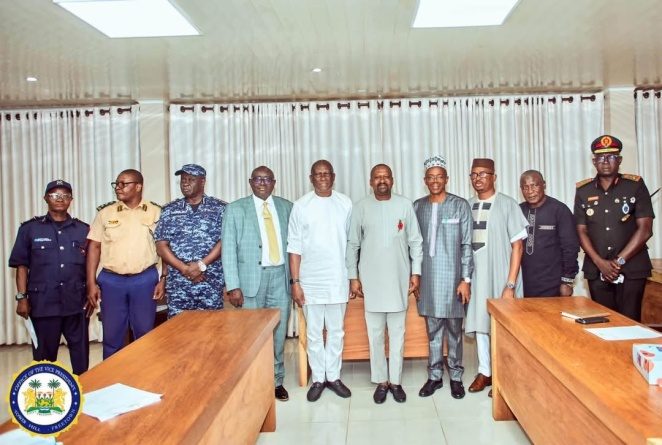
The Vice President made the appeal on Thursday, 29 October 2026, at the Office of the Vice President in Freetown, where he officially launched activities marking the 2026 National Remembrance Day Commemoration.

Addressing the significance of the annual observance, Dr. Mohamed Juldeh Jalloh said the occasion should encourage Sierra Leoneans not only to remember those who died in military service but also to reflect on the responsibilities owed to surviving veterans and personnel still serving in the armed forces.

He reaffirmed the Government’s commitment to the welfare of military personnel, acknowledging the difficulties some former servicemen face after retirement and the importance of ensuring that their contributions are not overlooked.

The Vice President used the occasion to pay tribute to Sierra Leoneans who lost their lives during the First and Second World Wars, alongside those who died in subsequent conflicts and national tragedies.

Particular attention was given to the 18 soldiers who lost their lives during the attempted coup of November 2023. Dr. Mohamed Juldeh Jalloh honoured their memory, recognizing their sacrifices in the service of the state and the protection of national security.

His tribute brought renewed attention to the human cost of conflict and the importance of preserving peace in a country whose history has demonstrated the devastating consequences of violence and instability.

He stressed the need for Sierra Leoneans to remain united in protecting the country’s hard-earned peace, while recognizing the responsibilities carried by security personnel in maintaining national stability.

Beyond remembering the fallen, the Vice President acknowledged the important role played by the Republic of Sierra Leone Armed Forces (RSLAF) in international peacekeeping operations.

He commended Sierra Leonean soldiers who have served in missions abroad, recognizing their professionalism, dedication and contributions to international peace and security.

Their participation in peacekeeping efforts, he indicated, reflects Sierra Leone’s continuing commitment to international cooperation and the peaceful resolution of conflicts.

On the issue of veterans’ welfare, Dr. Mohamed Juldeh Jalloh recognised that retirement from military service does not necessarily bring an end to the challenges faced by former soldiers.

He assured veterans and ex-servicemen that their concerns remain important to the Government, reaffirming its commitment to giving continued attention to their well-being.

The Vice President’s message also highlighted the broader responsibility of society to appreciate military service beyond official ceremonies. His remarks placed emphasis on the need to recognize veterans as citizens whose years of dedication deserve dignity, respect and national gratitude.

The 2026 National Remembrance Day Commemoration is expected to bring together serving military officers, retired personnel, veterans, Government officials and other stakeholders in activities designed to honour those who died while serving their country.

Additional commemorative events have been scheduled for 6 and 8 November 2026, providing opportunities for reflection on the sacrifices made by Sierra Leonean military personnel throughout history.

The observance will also serve as a reminder of the importance of national solidarity, peaceful coexistence and the continued protection of the country’s democratic institutions.

By placing veterans’ welfare at the centre of his address, Vice President Dr Mohamed Juldeh Jalloh reinforced the message that national remembrance should extend beyond paying tribute to the dead to recognizing the needs and contributions of the living.

His appeal underscored a central theme of this year’s commemoration: a nation that honours its fallen heroes must equally recognize, respect and support those who have survived the demands of military service. https://thecalabashnewspaper.com/archives/65857


Shankerdas & Sons Signs Landmark Agreement with Local Content Agency to Empower Sierra Leoneans
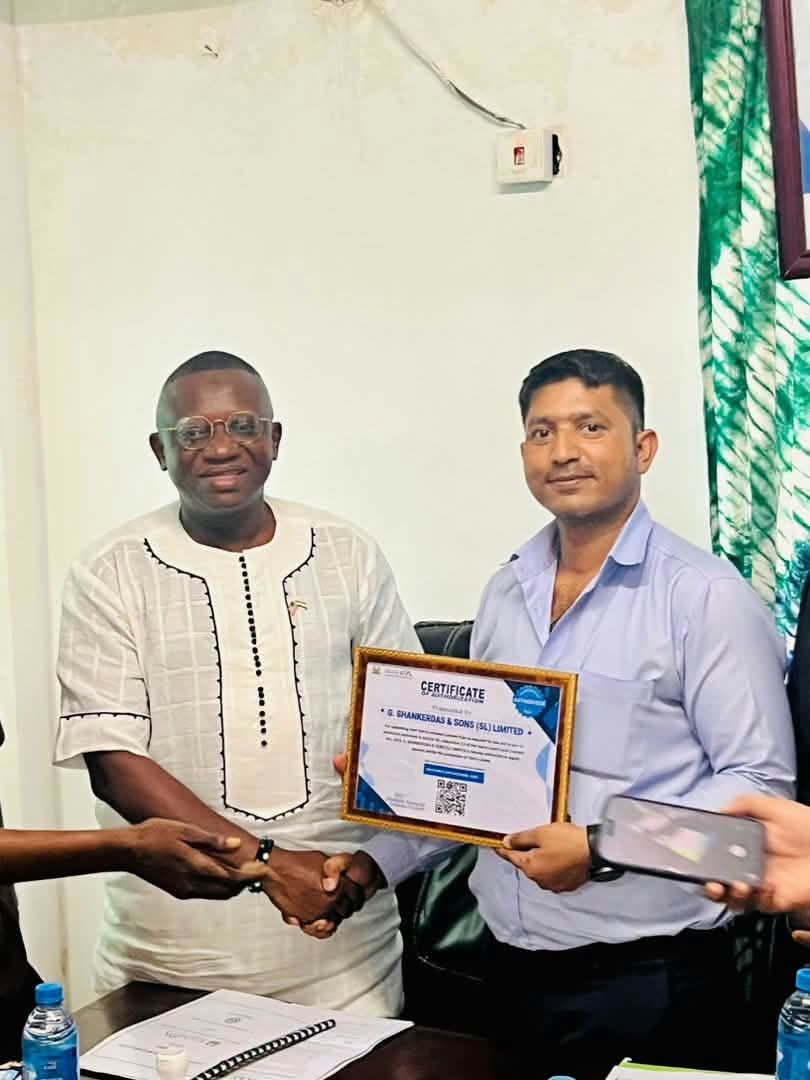
Shankerdas & Sons (SL) Limited has reaffirmed its commitment to promoting Sierra Leonean participation in the private sector following the signing of a Local Content Plan Implementation Agreement with the Sierra Leone Local Content Agency (SLLCA).

The agreement, signed in Freetown on Thursday, 29 October 2026, represents an important step towards strengthening local employment, improving technical skills, supporting women’s professional development and creating greater opportunities for Sierra Leonean businesses to participate in the country's economic activities.

The signing ceremony formed part of the Local Content Agency's ongoing efforts to ensure that companies operating in Sierra Leone translate their investment commitments into practical opportunities that directly benefit citizens and contribute to sustainable national development.

Speaking during the ceremony, the Administration Manager of G. Shankerdas & Sons (SL) Limited, Arjay Kumar, expressed appreciation to the Sierra Leone Local Content Agency for its continued engagement and partnership with the company.

He reaffirmed the company's determination to fulfil its obligations under the agreement while working towards strengthening the capacity of Sierra Leonean employees and improving operational efficiency.

Arjay Kumar acknowledged that developing a highly skilled local workforce remains essential to the company's long-term operations. However, he identified several challenges affecting industrial productivity and the development of technical expertise.

Among those challenges, he highlighted unreliable electricity supply, shortages of qualified mechanical and technical personnel and inadequate computer literacy among some prospective workers, particularly in areas requiring the operation of modern automated machinery.

He explained that such challenges demonstrate the importance of sustained investment in technical education, practical training and workforce development to prepare Sierra Leoneans for increasingly sophisticated industrial operations.

Despite those difficulties, G. Shankerdas & Sons (SL) Limited expressed its readiness to work closely with the Local Content Agency to identify practical solutions that would strengthen local capacity and create additional opportunities for Sierra Leonean professionals.

A particularly important aspect of the company's presentation was its commitment to women's empowerment.

Arjay Kumar drew attention to G. Shankerdas & Sons' dedicated women's programme, which seeks to promote inclusion, professional growth and greater participation of women within the company's operations.

The initiative reflects the company's recognition of the importance of creating an inclusive working environment where women can develop their abilities, improve their professional prospects and contribute meaningfully to industrial productivity.

For Sierra Leone, where expanding employment opportunities and developing specialized technical skills remain important national priorities, such commitments could contribute to strengthening the country's human capital.

Addressing the ceremony, the Director General of the Sierra Leone Local Content Agency, Fodeba Daboh, emphasized that local content implementation must produce measurable results rather than remain a commitment expressed only in signed agreements.

He explained that the Agency remains committed to supporting companies in meeting their responsibilities under the Local Content Agency Act, particularly in workforce localization, skills development, technology transfer and succession planning.

Fodeba Daboh also placed particular emphasis on local procurement and the need for established companies, including G. Shankerdas & Sons (SL) Limited, to create opportunities for Sierra Leonean businesses to participate more actively in their supply chains.

He stressed that strengthening local business participation is essential to ensuring that private-sector investments generate wider economic benefits beyond the companies directly involved.

Under the implementation agreement, G. Shankerdas & Sons (SL) Limited will be required to submit quarterly local content performance reports detailing progress towards its agreed commitments.

The company will also be subject to announced and unannounced monitoring exercises, annual local content audits and continuous engagement with the Agency to assess compliance and identify areas requiring improvement.

These measures are intended to promote transparency, accountability and consistent implementation of local content obligations.

The agreement with G. Shankerdas & Sons was signed on the same day that the Agency entered into a separate Local Content Plan Implementation Agreement with CESA SL Generation Ltd, trading as Nant Power.

At that ceremony, Nant Power's General Manager,  Abu Kamara, disclosed that the company employs approximately 670 workers, with women accounting for 20 per cent of its workforce. He further indicated that more than 40 personnel are involved in training local employees.

Nant Power's Executive Director, Karim Nasser, similarly reaffirmed the company's commitment to building local expertise and expanding employment opportunities in Sierra Leone's energy sector.

For G. Shankerdas & Sons (SL) Limited, the agreement provides a framework for strengthening cooperation with the Local Content Agency while addressing the practical challenges associated with workforce development, industrial operations and local procurement.

Its emphasis on technical skills, women's participation and compliance with national local content requirements is expected to remain central to the implementation process.

The development also highlights the growing importance of collaboration between regulatory institutions and private-sector operators in ensuring that industrial investments contribute to employment creation, knowledge transfer and the growth of indigenous businesses.

As implementation begins, attention will turn to how effectively G. Shankerdas & Sons (SL) Limited translates its commitments into measurable improvements in local employment, professional training, women's advancement and procurement opportunities for Sierra Leonean enterprises.

The Sierra Leone Local Content Agency has maintained that the ultimate measure of success will not be the number of agreements signed, but the tangible economic opportunities and lasting benefits delivered to Sierra Leoneans. https://thecalabashnewspaper.com/archives/65853