By Alvin Lansana Kargbo
The Sierra Leone Urban Research Centre (SLURC) has concluded a two day Stakeholder Intervention Inception Workshop aimed at strengthening climate and health resilience in informal settlements across Freetown.
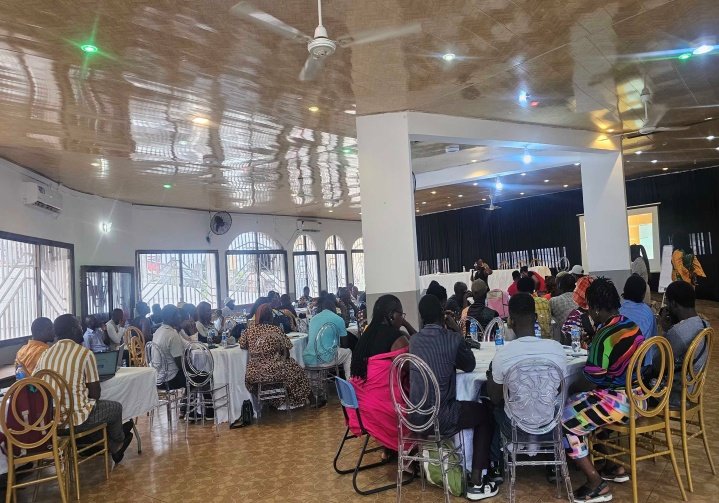
The workshop, held on Wednesday 6 and Thursday 7 May 2026 at New Sella’s Spot on Kingharman Road, brought together representatives from Government institutions, disaster management agencies, health authorities, community organizations and local residents to discuss collaborative strategies for addressing the growing impact of extreme weather events in vulnerable urban communities.
The initiative forms part of the Urban SHADE project, an acronym for Strengthening Responsiveness to Extreme Weather Events in Urban Settlements. The project focuses on understanding how climate change intensifies vulnerabilities in informal urban settlements and how institutions and communities can collectively improve preparedness and response mechanisms.
The intervention is being implemented through a partnership involving the Sierra Leone Urban Research Centre, the Institute of Gender and Children’s Health Research and the Centre of Dialogue for Human Settlement and Poverty Alleviation in collaboration with local health and governance actors.
Participants at the workshop included officials from the Ministry of Health, the Freetown City Council, the National Disaster Management Agency, the National Early Warning and Response Mechanism Coordinating Centre, the Sierra Leone Meteorological Agency, the National Fire Force, Community Disaster Management Committees, community health workers and co researchers from Moyiba, Susan’s Bay and Crab Town, Kolleh Town and Greybush (CKG).
Opening the workshop, Braima Koroma, Director of Research and Training, SLURC, stated that the gathering was not merely a workshop but a platform for collective action. He urged participants to contribute their experiences, expertise and institutional perspectives toward developing a strong collaborative framework capable of protecting lives and strengthening community resilience against climate related disasters.
He explained that the workshop marked a transition from the project’s formative research phase to the co design and implementation phase of interventions. According to him, discussions during the two day engagement would review findings from the previous years of research and establish priorities for future action.
He emphasized the importance of clarifying institutional responsibilities to improve preparedness and response during extreme weather events. He also highlighted the need for formal partnerships through memoranda of understanding, coordinated implementation strategies and mechanisms to sustain collaboration beyond the lifespan of the project.
Senior Researcher at the Sierra Leone Urban Research Centre, Dr. Abu Conteh, described the Urban SHADE initiative as a multidisciplinary participatory research project operating across three middle and low income countries.
He explained that the project seeks to understand how climate change intersects with existing social and economic vulnerabilities in informal settlements. Dr. Abu Conteh noted that affected communities have remained central to the research process from the beginning, with residents serving as co researchers involved in project design, field research and analysis.
According to him, the project has also engaged key urban stakeholders including disaster management agencies, meteorological authorities and public health institutions in order to develop a broader understanding of climate related risks from different institutional perspectives.
Dr. Abu Conteh described the inception workshop as the first in a series of science engagement activities that would focus on strengthening early warning systems, improving emergency response capacity and enhancing stakeholder collaboration in climate resilience efforts.
He stated that one of the primary objectives of the workshop was to identify areas of collaboration among stakeholders, clarify overlapping mandates, address institutional gaps and define how each institution could contribute effectively to resilience building in vulnerable communities.
Presenting findings from Phase One of the research, Dr. Desta Alie highlighted significant environmental and public health challenges affecting informal settlements in Moyiba, Susan’s Bay and CKG.
She reported that communities demonstrated considerable awareness of climate change and identified deforestation, blocked drainage systems and unregulated construction as major contributors to flooding, mudslides and heat related hazards.
Dr. Desta Alie stated that rapid urbanization and population growth had placed severe pressure on infrastructure development in those communities, worsening environmental degradation and increasing vulnerability to disasters.
The research also documented serious health impacts associated with extreme weather events. Communities identified outbreaks of cholera, diarrhea, typhoid and malaria following flooding incidents, alongside heat related illnesses, respiratory complications and psychosocial stress linked to displacement and disaster trauma.
In CKG, she noted that smoke pollution from nearby dumping and burning activities continues to create respiratory health risks for residents.
Dr. Desta Alie further disclosed that residents face major barriers in accessing healthcare services despite the existence of free healthcare policies. Findings revealed shortages of drugs and medical supplies, inadequate healthcare infrastructure overcrowded facilities and long travel distances for vulnerable populations including the elderly and persons with disabilities.
The research also identified gender related challenges, with many women reportedly avoiding healthcare facilities because of stigma and lack of specialized support services.
Beyond health concerns, Dr. Desta Alie explained that extreme weather events have devastated livelihoods through destruction of property, business losses, debt accumulation and loss of income generating opportunities, particularly for women.
She noted that some communities have developed local coping mechanisms, including savings initiatives operated through organizations such as FedUp, which support women transitioning away from hazardous activities like stone mining into small scale businesses.
The presentation further highlighted critical infrastructure and sanitation challenges, especially in CKG where residents live near one of Freetown’s largest dumpsites without access to proper waste disposal facilities.
Dr. Desta Alie pointed to weak enforcement of environmental and building regulations as a major obstacle to disaster prevention, attributing the problem to political barriers, overlapping institutional mandates and resource limitations.
Despite those challenges, she praised community led disaster management efforts in the affected settlements. According to her, local committees regularly organize drainage cleaning exercises, road maintenance, fire prevention activities and emergency fundraising initiatives to support vulnerable residents during disasters.
However, she warned that disaster response systems remain largely reactive rather than preventive, with communities lacking structured evacuation plans, emergency shelters, dedicated response vehicles and disability inclusive preparedness mechanisms.
The findings also revealed coordination challenges among stakeholders operating in the settlements, with many organizations reportedly implementing separate interventions without effective collaboration.
Dr. Desta Alie stressed that improved coordination between Government agencies, Non-Governmental Organizations and community groups would significantly increase the effectiveness of resilience building efforts.
The research further found that women, children, elderly people and persons with disabilities face disproportionate risks during disasters. Gender based vulnerabilities and social barriers often prevent women from seeking assistance, leaving many physical and emotional needs unaddressed during emergencies.
Speaking during an interview, Nancy Sesay from Susan’s Bay Community said the initiative has already begun creating meaningful impact through community engagement and disaster awareness activities.
She explained that many residents previously lacked training on hazard identification and disaster risk management but the project has improved her understanding of disaster prevention and community preparedness.
Nancy Sesay stressed the importance of acting before disasters occur, warning that delayed responses often worsen health and humanitarian conditions in vulnerable settlements.
She described flooding in Susan’s Bay as a severe and recurring threat, noting that during heavy rainfall residents elderly people and persons with disabilities, are forced to remain awake throughout the night to monitor rising water levels and alert neighbours to danger.
Participants at the workshop called for stronger partnerships, sustained investment in urban resilience and improved coordination among institutions to address the growing threats posed by climate change in Freetown’s informal settlements.
The workshop concluded with stakeholders reaffirming their commitment to strengthening collaboration, improving disaster preparedness and developing community driven interventions aimed at protecting vulnerable populations from the growing impact of climate change and extreme weather events in Freetown’s informal settlements. https://thecalabashnewspaper.com/slurc-concludes-urban-shade-workshop-calls-for-coordinated-action-against-climate-threats-in-informal-settlements/

No comments:
Post a Comment