Wednesday, 4 February 2026


PPRC Slaps APC with NLe350,000 Fine Over Alleged Inciting Statements at Mammoth Rally
By Ibrahim Sesay

The Political Parties Regulation Commission (PPRC) has imposed financial penalties on the All Peoples Congress (APC) for violations of the Political Parties Act, 2022, following statements made during a recent party gathering in Freetown.

In a Press Release issued on Monday, February 2, 2026, the PPRC announced fines amounting to Three Hundred and Fifty Thousand Leones (NLe350,000) against the opposition party. The sanctions stem from alleged breaches of Section 39 (1)(c) and Section 39 (1)(d) of the Political Parties Act, Act No. 25 of 2022.

According to the Commission, the violations occurred during the APC’s widely attended “mammoth meeting” held at the Atouga Mini Stadium on Saturday, January 31, 2026. The fines were issued in relation to statements attributed to the party’s National Secretary General, Lansana Dumbuya Esq., who was fined NLe200,000, and Zainab Sheriff, who received a fine of NLe150,000.

The PPRC stated that the remarks made at the event were found to be “profane, obscene, provocative and inciting,” actions which the Commission considers contrary to the provisions governing political conduct and public order in Sierra Leone.

The Commission further disclosed that it had previously warned the APC against similar conduct. By a formal letter dated November 11, 2025, the PPRC cautioned the party over its contravention of Section 39 of the Act, urging compliance with the legal and ethical standards expected of registered political parties.

“The Commission notes with grave concern that such statements undermine peace, national cohesion and the democratic process,” the Press Release emphasized.

In line with the law, the APC has been granted seven (7) days from the date of the notice to settle the imposed fines. The PPRC warned that failure to comply within the stipulated timeframe would compel the Commission to invoke additional enforcement measures as provided for under the Political Parties Act.

The PPRC reiterated its mandate to regulate the conduct of political parties, promote peaceful political engagement and safeguard national stability. It called on all political actors to exercise restraint, responsibility and respect for the law, particularly during public rallies and political meetings.

For further clarification, the Commission advised the public and stakeholders to contact the Director of Training and External Relations at the PPRC. https://thecalabashnewspaper.com/pprc-slaps-apc-with-nle350000-fine-over-alleged-inciting-statements-at-mammoth-rally/


NASSIT Director General Elected Vice Chairman of Africa Social Security Association
The Director General of the National Social Security and Insurance Trust (NASSIT), Mohamed Fuaad Daboh, has been elected Vice Chairman of the Africa Social Security Association (ASSA) at the Association’s 30th Governing Council Meeting held on 30 January 2026 at the Serena Hotel in Kigali, Rwanda.

Mohamed Fuaad Daboh was elected unopposed, reflecting strong confidence in his leadership among ASSA member institutions. In his acceptance speech, he expressed gratitude for the honour and pledged to work diligently to advance social security systems at regional, continental and global levels.

He highlighted key challenges facing social security in Africa, including the dominance of informal economies, limited coverage, funding constraints and changing demographic trends. He urged ASSA to approach those challenges with optimism, describing them as opportunities to innovate, collaborate and build inclusive systems that respond to Africa’s realities.

The new Vice Chairman reaffirmed his commitment to strengthening cooperation among African social security institutions, calling for accelerated digitization, improved use of technology to expand access and streamlined administrative processes. He also stressed the need for harmonized approaches and stronger regional collaboration to improve efficiency and impact.

Mohamed Fuaad Daboh further encouraged deeper engagement with the informal sector, advocating innovative strategies to extend meaningful social protection to workers and families traditionally excluded from formal systems. “I am ready to work hand in hand with colleagues across the continent to transform the pension and social security landscape in Africa,” he said.

In a congratulatory message, ASSA Secretary Meshech Bandawe said Mohamed Fuaad Daboh’s election underscored his statesmanship, dedication and proven leadership at national and international levels. He added that ASSA’s ongoing transformation and harmonization efforts would benefit significantly from Mohamed Fuaad Daboh’s guidance, particularly during the temporary absence of the substantive Chairman.

Mohamed Fuaad Daboh’s election builds on an established record of international recognition. In January 2020, he was appointed Vice-Chairperson of the Technical Commission on Investment of Social Security Funds of the International Social Security Association (ISSA) for the 2020–2022 term and in 2022 he was elected a Member of the ISSA Bureau for a three-year term.

ASSA was founded in March 2007 in Kigali as the East and Central Africa Social Security Association (ECASSA) and was renamed ASSA in April 2023 to reflect its expanded continental mandate. The Association was officially registered in July 2023 in Tanzania and has since been formally endorsed by the African Union as a continental social security institution. https://thecalabashnewspaper.com/nassit-director-general-elected-vice-chairman-of-africa-social-security-association/


Foreign Affairs Minister Leads Sierra Leone Delegation to U.S. Critical Minerals Ministerial Summit Starting Today
By Amin Kef (Ranger)

Sierra Leone’s Minister of Foreign Affairs and International Cooperation, Alhaji Musa Timothy Kabba, is leading the country’s delegation to the inaugural United States Critical Minerals Ministerial Summit scheduled for February 4, 2026, in Washington, D.C. The high-level engagement underscores Sierra Leone’s growing role in global discussions on strategic mineral supply chains and international economic security.

The delegation includes the Deputy Minister of Mines and Mineral Resources, Umaru Napoleon Koroma, reflecting a coordinated approach between Sierra Leone’s foreign policy and extractive-sector leadership. The team arrived in Washington on Monday, February 2, following an official invitation from the United States Secretary of State, Marco Rubio, who is hosting the ministerial at the U.S. Department of State.

The Critical Minerals Ministerial brings together Government leaders from mineral-rich and industrialized countries to address the growing global demand for strategic resources essential to advanced technologies, clean energy transitions and national defense systems. Central to the discussions are minerals such as cobalt, lithium, copper, uranium and rare earth elements; resources that are increasingly vital to electric vehicles, renewable energy infrastructure, semiconductors and defense manufacturing.

According to briefing materials, the conference aims to secure, diversify and strengthen global supply chains for critical minerals, with a particular focus on reducing over-dependence on China-dominated processing and distribution networks. The United States is expected to advocate for new bilateral and multilateral frameworks that promote transparent mining practices, responsible investment and long-term supply security.

African participation forms a key pillar of the ministerial. Several mineral-rich African countries, including Guinea and the Democratic Republic of Congo, have confirmed attendance, highlighting Washington’s push to deepen strategic partnerships across the continent. Sierra Leone’s presence places it within a select group of countries being courted as potential long-term suppliers in the evolving global minerals market.

For Sierra Leone, the summit presents an opportunity to showcase its mineral potential while advancing national interests related to value addition, investment diversification and sustainable resource governance. Officials familiar with the delegation’s agenda say discussions will emphasize mutually beneficial cooperation, respect for national sovereignty over mineral resources and the need for investments that support local development and job creation.

The ministerial is also unfolding within a broader geopolitical context shaped by the United States’ renewed emphasis on securing critical supply chains under an “America First” economic strategy. Negotiations are expected to focus on access arrangements, processing partnerships and technology transfer, particularly in Africa, where vast untapped mineral reserves are increasingly central to global competition.

Alongside the ministerial, Secretary of State, Marco Rubio and senior U.S. State Department officials are holding a series of diplomatic engagements and strategic dialogues in Washington during the week, underscoring the high-level nature of the event. While the official U.S. public schedule remains subject to change, the summit itself is widely viewed as a milestone in redefining global cooperation on critical minerals.

Sierra Leone’s participation signals its intent to position itself as a credible and responsible partner in the global critical minerals value chain, while leveraging international platforms to advance sustainable economic growth and strategic diplomacy. https://thecalabashnewspaper.com/foreign-affairs-minister-leads-sierra-leone-delegation-to-u-s-critical-minerals-ministerial-summit-starting-today/


Royal Fitness Positions Fitness and Nutrition as Frontline Solutions to Lifestyle Diseases
Royal Fitness has announced an ambitious 2026 wellness drive aimed at tackling the rising burden of lifestyle-related diseases in Sierra Leone through structured physical training, professional coaching and nutrition-focused guidance. The initiative positions the Juba-based fitness centre as more than a gym; branding it as a complete wellness hub dedicated to long-term health transformation.

Strategically located along the Peninsular Highway in Juba, Freetown, Royal Fitness has emerged as one of the country’s most sought-after destinations for individuals, families and corporate clients seeking disciplined, results-driven approaches to healthy living. As sedentary lifestyles, stress and diet-related illnesses continue to impact productivity and quality of life, the facility is championing fitness as a public health priority rather than a luxury.

Management says the 2026 programme is built around a clear philosophy: sustainable wellness is achieved when physical training, mental discipline and nutrition work together. Rather than focusing solely on appearance, Royal Fitness is promoting consistency, healthy habits and measurable health outcomes that support longevity and daily performance.

“Health is wealth and fitness is the foundation,” a spokesperson said. “Our 2026 focus is to inspire more Sierra Leoneans to take ownership of their wellbeing through guided training, proper nutrition and a supportive fitness culture.”

Members describe Royal Fitness as comparable to international-standard gyms, citing its organized layout, hygiene standards and clearly defined workout zones. The facility caters to a wide range of fitness levels from beginners building basic strength and mobility to seasoned athletes training for endurance and peak performance.

The centre is equipped with dedicated cardio sections, strength and resistance stations and group-training areas for aerobics, stretching and flexibility work. This multi-zone design allows members to follow customized routines aligned with their fitness goals, age and physical condition.

A key pillar of Royal Fitness’ growing reputation is its emphasis on professional supervision. Certified trainers work closely with members to develop personalized programmes targeting weight management, muscle development, body toning, stamina and overall conditioning. According to Management, this hands-on approach has significantly improved consistency, reduced injury risks and increased long-term commitment among members.

Beyond traditional gym sessions, the facility offers high-energy group classes such as spinning, Zumba and aerobics, alongside one-on-one coaching for clients seeking focused, individualized attention. Recognizing that exercise alone is not enough, Royal Fitness has expanded into nutrition and diet counselling, helping members align their eating habits with their training objectives for lasting results.

The gym has also invested heavily in globally respected fitness equipment, underscoring its commitment to world-class standards. Members train using advanced machines from Technogym and Panatta of Italy, alongside Arsenal Strength equipment from the United States; brands trusted internationally for performance tracking, ergonomic design and elite athletic conditioning.

With the rollout of its 2026 wellness agenda, Royal Fitness is positioning itself as a leading force in Sierra Leone’s health and lifestyle movement. With the rollout of its 2026 wellness agenda, Royal Fitness is positioning itself as a leading force in Sierra Leone’s health and lifestyle movement, demonstrating that premium fitness, professional guidance, and holistic care can be delivered locally.

For membership and registration enquiries, Royal Fitness can be reached on (+23290 001000), reaffirming its commitment to delivering royal care through fitness, discipline and healthy living. https://thecalabashnewspaper.com/royal-fitness-positions-fitness-and-nutrition-as-frontline-solutions-to-lifestyle-diseases/


NDMA Rolls Out Nationwide Gender Engagement to Embed Inclusion in Disaster Management
The National Disaster Management Agency (NDMA) has reinforced its commitment to inclusive disaster management following the successful completion of a nationwide regional engagement focused on gender and social inclusion.

Led by NDMA’s Gender and Social Inclusion Coordinator, Erica A. B. Konneh, the initiative was conducted from January 19 to 26, 2026, with approval from the Agency’s leadership. It covered all four regional offices in the North-West, Northern, Eastern, and Southern Regions, bringing together regional staff to deepen understanding of gender mainstreaming, inclusive practice and the role of gender-sensitive data in disaster preparedness, response and recovery.

The engagement team included NDMA’s Internal Auditor, Abdul Razak Kemoh, the Deputy Director of Human Resource and Administration, Mather Baindu Lahai, and Erica A. B. Konneh. Across the regions, staff demonstrated strong interest and active participation through interactive sessions aimed at strengthening gender-inclusive approaches within regional operations.

Explaining the purpose of the tour, Erica A. B. Konneh said the engagement was designed to embed gender and social inclusion as core principles across all stages of disaster management, rather than treating them as stand-alone issues.

“Gender and social inclusion are fundamentally human rights issues,” she stated. “Our objective is to ensure that NDMA’s disaster response leaves no one behind; women, men, children, older persons and persons living with disabilities.”

She noted that the sessions also encouraged regional staff to serve as inclusion ambassadors in their day-to-day work, particularly during community engagements and assessments. Emphasis was placed on accurate and inclusive data collection as a foundation for effective planning, coordination with partners and resource mobilization.

The sessions combined presentations with open discussions, providing space for staff to share experiences, raise questions and suggest practical solutions. A post-engagement questionnaire recorded a 92.3 percent response rate, reflecting strong participation and yielding valuable insights into staff perspectives on gender and inclusion within the Agency.

Participants reported an improved understanding of gender mainstreaming as a cross-cutting mindset that applies throughout the disaster cycle, from preparedness to recovery. Many also acknowledged that inclusive disaster management goes beyond women and children to encompass men and other vulnerable groups and requires skills such as ethical data collection, communication, coordination and risk communication.

Commenting on the initiative, NDMA Director General John Vandy Rogers described the regional engagement as a strategic investment in institutional effectiveness.

“Inclusive disaster management is not optional; it is essential,” he said. “When gender and social inclusion are properly mainstreamed, our interventions become more effective, accountable and responsive to the real needs of affected communities.”

He assured that NDMA Management would review the findings and recommendations from the engagement, noting that several issues raised have agency-wide implications due to NDMA’s integrated operational structure.

In her closing remarks, Erica A. B. Konneh described the tour as both professionally enriching and institutionally valuable, citing stronger relationships with regional colleagues and deeper insight into the realities of gender work at field level. She expressed appreciation to NDMA Management for supporting the initiative, describing it as a clear demonstration of leadership’s commitment to equity, inclusion and people-centred disaster management.

The nationwide engagement aligns with NDMA’s broader mandate to build resilient communities through inclusive, coordinated and evidence-based disaster risk management across Sierra Leone. https://thecalabashnewspaper.com/ndma-rolls-out-nationwide-gender-engagement-to-embed-inclusion-in-disaster-management/


Court Remands ‘Bobson 5-0’ for Alleged Armed Robbery Attempt on Priest in Kailahun
A 26-year-old unemployed man, Ansu Bockarie, popularly known as “Bobson 5-0,” has been remanded in custody after allegedly attacking and attempting to rob a Catholic priest in Pendembu Town, Kailahun District.

The accused made his first appearance on Monday, 2 February 2026, before Magistrate Court No. 1, presided over by His Worship Magistrate Hadiru Daboh, where he was formally charged on five counts relating to a violent armed attack.

According to the charge sheet, Ansu Bockarie faces allegations of attempted robbery with aggravation, housebreaking, causing grievous bodily harm with intent, wounding with intent and wounding, contrary to provisions of the Larceny Act of 1916 and the Offences Against the Person Act of 1861.

Police Prosecutor Sgt. 10734 David Idriss told the court that on Tuesday, 27 January 2026, the accused allegedly armed himself with a shovel and forcefully entered the St. Mary’s Parish Mission House in the Vaama Section of Pendembu Town, Upper Bambara Chiefdom, Kailahun District. The prosecution alleges that Ansu Bockarie attempted to rob Rev. Fr. James Joshua Jamiru and in the process inflicted serious injuries on the priest.

The prosecution further stated that the accused unlawfully broke into the cleric’s residence with intent to commit a felony and assaulted the victim, resulting in grievous bodily harm.

In support of its case, the prosecution tendered medical and police reports, nine witness statements, the charged statement of the accused and physical exhibits, including an old shovel and an old machete, which were presented before the court. The State indicated reliance on Section 112(b), paragraph (2) of the Criminal Procedure Act, 1964.

After hearing the submissions, the Magistrate refused bail and ordered that the accused be remanded at the Sierra Leone Correctional Centre.

The matter has been adjourned to 10 February 2026 for further hearing. https://thecalabashnewspaper.com/court-remands-bobson-5-0-for-alleged-armed-robbery-attempt-on-priest-in-kailahun/

Monday, 2 February 2026


IGR Report Exposes Massive Revenue Losses in State Contracts, CRSG Rejects Toll Road Data Claims
By Foday Moriba Conteh

The Executive Director of the Institute for Governance Reform (IGR), Andrew Lavali, has presented a damning assessment of how political interests and opaque procurement deals are draining Sierra Leone of critical public revenue. He made the presentation on Friday, 30 January 2026 at Lacs Villa, Red Pump in Freetown, during the launch of IGR’s latest report titled: “Di Hade Pa Di Case: Politics and Revenue Failures in Sierra Leone.”

The report argues that while corruption, political instability and ethnic politics are often blamed for the country’s persistent poverty, a deeper problem lies in the way large state contracts are awarded and managed. According to IGR, vital revenue sources have been captured by a small network of business elites whose interests now exert a stranglehold on the national budget.

Andrew Lavali told the audience that understanding the politics of public procurement is essential to explaining why a resource-rich country remains unable to provide quality services for its citizens. “When governance is designed to benefit a few, state-owned enterprises collapse, mining agreements yield almost nothing and ordinary people pay the price,” he said.

The study analysed approximately 3,400 state contracts issued between 2016 and 2023, covering both the All People’s Congress (APC) and Sierra Leone People’s Party (SLPP) administrations. Researchers also conducted extensive interviews with current and former public officials from both Governments.

The central question posed by the report is why officials are willing to violate procurement rules in order to award contracts that mainly serve private business interests. IGR concludes that this is not accidental but part of a deliberate system through which economic institutions are controlled.

To ground its findings, the report examined two major agreements: the Wellington--Masiaka Toll Road concession and the national e-passport contract. Both deals were initiated under the APC and later inherited by the SLPP. Although the SLPP campaigned in 2018 on a promise to review the toll road contract, the Government abandoned the plan after taking office.

“This demonstrates that institutional behaviour rarely changes regardless of which party is in power,” the report notes.

IGR identifies four main strategies used by business interests to dominate public procurement:

- Financing leading politicians across both major parties to guarantee access to power after elections.


- Designing contracts around institutions rather than individuals so that exploitative deals survive changes in personnel.


- Taking advantage of newly appointed officials who often enter office with limited technical knowledge and financial vulnerability.


- Influencing sections of the media to limit scrutiny of controversial contracts.

The report further observes that none of the current presidential aspirants has presented a credible platform on economic governance reform, signalling weak political commitment to address the problem.

One of the most alarming findings concerns the Wellington–Masiaka Toll Road. IGR estimates that the road generates about USD21 million every year, amounting to roughly USD172 million over the past nine years. Yet only USD1 million has reportedly been paid to the National Revenue Authority.

The contractor has never made toll data public and oversight by Parliament and the Audit Service has been minimal. The Sierra Leone Roads Authority admitted that it has not conducted vehicle counts since the road was constructed.

Successive Ministers of Works, according to the report, have maintained secrecy around the project and increased toll fees without proper justification. IGR calculates that the investment will be fully recovered within 10.8 years, although the concession lasts 27 years under the BOOT model. This leaves an estimated 16 years of pure profit for the private operator.

“From a value-for-money perspective, this represents a massive transfer of public wealth to a private company,” Andrew Lavali stressed, urging Government to publish all toll revenue data and renegotiate the contract.

The report also raises serious concerns about the e-passport arrangement. Between 60,000 and 70,000 passports are sold annually, generating an estimated USD7–9 million each year. However, IGR found no evidence that any royalties have been paid into the Consolidated Revenue Fund.

With a price range of USD100 to USD180, Sierra Leone’s passport is among the most expensive in West Africa. Despite public complaints, the contract has been renewed at least three times without competitive bidding or assessment of value for money.

While critical, the report recognises that many ethical public servants and responsible business figures exist in both the APC and SLPP. IGR noted that the study was possible only because several officials provided candid information about efforts to promote reform.

Nevertheless, the organisation warns that a “machinery for normalising massive loss” has become institutionalised and continues to operate regardless of changes in Government.

To reverse the trend, IGR proposes far-reaching reforms:

- Rethink the fight against corruption by recognising the role of international firms whose operations contribute to illicit financial outflows.


- Criminalise the signing of contracts that officials know will cause systemic financial loss to the state.


- Shift focus from reactive prosecutions to fraud prevention and empower the ACC and NPPA to enforce full transparency of contracts.


- Dismantle extractive procurement systems and replace them with open, competitive economic management.


- Build a stronger alliance between civil society and the media to monitor revenue-raising sectors beyond existing networks like the Budget Advocacy Network.

Andrew Lavali concluded that unless the structural problems are addressed, Sierra Leone will continue to struggle to finance roads, hospitals and schools.

“Di hade pa di case, the heart of the matter ,is that public contracts have become instruments for private enrichment,” he said. “Until we confront this reality, the promise of development will remain distant.”

The launch attracted civil society leaders, journalists, economists and representatives of donor agencies, many of whom called for a parliamentary inquiry into the toll road and e-passport deals. Whether the political leadership will act on the recommendations remains the critical question facing the nation.

When this medium contacted CRSG, the company that signed the Wellington–Masiaka Toll Road concession agreement with the Government of Sierra Leone, to respond to the allegations, the management dismissed the revenue figures cited in the IGR report on toll roads as seriously inaccurate, stating that it was unclear how the statistics were generated.

The Management further assured that all toll revenue and vehicle traffic data are regularly submitted to the relevant Government regulatory authorities, including the Sierra Leone Roads Authority (SLRA) and Parliament. They added that the company would carefully assess the implications of the report.

CRSG Management also recalled that during the launch of the company’s Joint Education Programme, His Excellency President Julius Maada Bio highlighted the positive impact of the Wellington–Masiaka Highway on national development. https://thecalabashnewspaper.com/igr-report-exposes-massive-revenue-losses-in-state-contracts-crsg-rejects-toll-road-data-claims/


Pres. Bio Calls for Stronger Regional Cooperation to Address West Africa’s Security Challenges
By Amin Kef (Ranger)

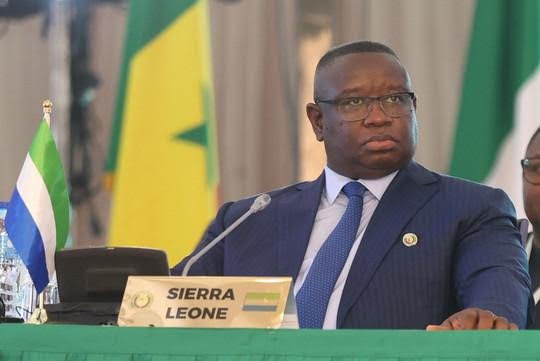
President Dr. Julius Maada Bio has called for renewed and strengthened regional cooperation, supported by sustained international backing, to effectively confront the growing peace and security challenges facing West Africa.

Speaking on January 30, 2026, at the ECOWAS High-Level Consultative Conference on Regional Cooperation and Security in Accra, President Bio warned that insecurity across the sub-region, particularly in the Central Sahel, has reached a critical stage and can no longer be addressed through isolated national efforts. He emphasized that West Africa now faces a shared security reality in which the safety of one nation is inseparably linked to that of its neighbours.

The President, who currently serves as Chairman of the Economic Community of West African States (ECOWAS) Authority of Heads of State and Government, noted that terrorism and violent extremism have evolved faster than existing response mechanisms. According to him, armed groups now operate across borders with greater coordination and increased brutality, exploiting governance gaps and weak security frameworks.

President Bio cautioned that fragmented and reactive approaches have significantly weakened the region’s collective capacity to respond effectively. He stressed the urgent need for a unified, coherent regional strategy anchored by ECOWAS and supported by strong political commitment from member states.

He identified intelligence sharing, border management, logistics and surveillance as essential pillars of regional security that must be prioritized and properly resourced. In that regard, President Bio called for better coordination and reinforcement of existing regional mechanisms, including the Multinational Joint Task Force, the Accra Initiative and ECOWAS early warning and conflict prevention frameworks.

Beyond military responses, the President highlighted the central role of good governance, inclusive development and social cohesion in preventing radicalization and sustaining peace. Drawing from Sierra Leone’s post-conflict experience, he explained that long-term stability can only be achieved by rebuilding trust between citizens and the state. This, he said, requires investments in education, job creation, particularly for young people and women, and the strengthening of accountable and responsive institutions.

President Bio also underscored the importance of international partnerships, especially with the United Nations, in supporting African-led security efforts. He welcomed progress made on United Nations Security Council Resolution 2719 and urged its full and timely implementation in a manner that complements, rather than duplicates, existing regional mechanisms.

In addition, the President identified climate change as a major threat multiplier in West Africa, linking desertification, food insecurity, displacement and competition over scarce resources to rising instability. He called for climate-related risks to be fully integrated into regional early warning systems and security planning frameworks.

Concluding his remarks, President Bio reaffirmed Sierra Leone’s commitment to providing inclusive and decisive leadership as Chair of the ECOWAS Authority. He urged regional leaders and international partners to move beyond declarations and translate commitments into concrete, coordinated action, stressing that West Africa must either secure itself together or risk destabilization apart. https://thecalabashnewspaper.com/pres-bio-calls-for-stronger-regional-cooperation-to-address-west-africas-security-challenges/


First Resident Algerian Envoy Pays Courtesy Call on Speaker of Parliament
By Amin Kef (Ranger)

The first Resident Algerian Ambassador to Sierra Leone, Hachem Abdelhafid, on Tuesday, January 27, 2026, paid a courtesy call on the Rt. Hon. Segepoh Solomon Thomas, marking a significant diplomatic engagement between Algeria and Sierra Leone.

The visit, held at the Parliament of Sierra Leone, was aimed at strengthening bilateral and parliamentary relations between the two countries, following the establishment of Algeria’s resident embassy in Freetown in 2025. Ambassador Hachem Abdelhafid described the meeting as timely and important, noting that his appointment as the first resident ambassador underscored Algeria’s commitment to deepening diplomatic and institutional cooperation with Sierra Leone.

Expressing appreciation for the warm reception, Ambassador Hachem Abdelhafid acknowledged the Speaker’s demanding schedule and commended the leadership of Sierra Leone’s Parliament. He highlighted shared historical experiences between the two nations, particularly their recovery from civil conflict and emphasized the importance of leveraging those similarities to promote peace, stability and development through parliamentary diplomacy.

The Ambassador further expressed optimism about enhanced cooperation between the two legislatures and formally invited Speaker Thomas to visit Algeria. He said such an exchange would strengthen mutual understanding and open new avenues for collaboration between lawmakers of both countries.

In response, Rt. Hon. Segepoh Solomon Thomas warmly welcomed the Algerian envoy and reaffirmed the long-standing sisterly relations between Algeria and Sierra Leone. He stressed the importance of maintaining resident embassies in both countries as a foundation for sustained diplomatic engagement and institutional cooperation.

To further cement the growing relationship, Speaker Segepoh Solomon Thomas invited Ambassador Hachem Abdelhafid to attend a parliamentary sitting on Thursday, where he would be formally introduced and recognized by Members of Parliament. The Speaker noted that such engagement would enhance parliamentary visibility and foster stronger inter-parliamentary ties.

Highlighting structural differences and learning opportunities, Speaker Segepoh Solomon Thomas pointed out that Algeria operates a bicameral legislature, while Sierra Leone has a unicameral system. He noted that the Sixth Parliament of Sierra Leone, comprising 149 Members, has passed several progressive pieces of legislation and remains committed to enacting reforms that advance national development.

Both parties expressed confidence that the evolving partnership would yield mutual benefits. The visit was widely seen as a positive step toward deepening Algeria–Sierra Leone relations, anchored on cooperation, mutual respect and shared parliamentary values. https://thecalabashnewspaper.com/first-resident-algerian-envoy-pays-courtesy-call-on-speaker-of-parliament/


Orange Sierra Leone CEO Deepens Strategic Partnerships with Parliament and Key Ministries
By Foday Moriba Conteh

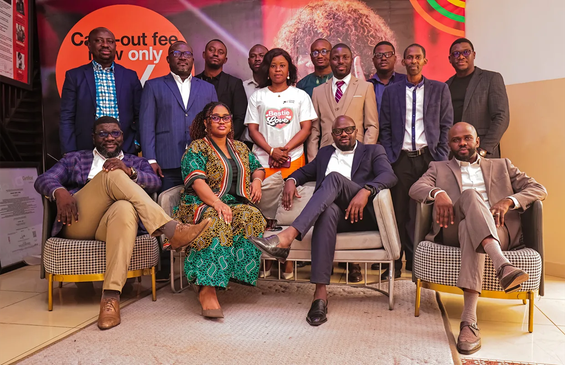
The newly appointed Chief Executive Officer of Orange Sierra Leone, Aïcha Touré, has embarked on a series of high-level courtesy visits to major state institutions, reinforcing the company’s commitment to national development, digital inclusion and sustained public–private collaboration in Sierra Leone.

The stakeholder engagements form part of Madam Aïcha Touré’s early leadership priorities, aimed at strengthening institutional relationships while aligning Orange Sierra Leone’s corporate strategy with the country’s development agenda. Central to those engagements is the shared objective of expanding access to reliable telecommunications and digital services as enablers of good governance, education and socio-economic growth.

As part of the outreach, the Orange Sierra Leone CEO paid a courtesy call on the Parliament of Sierra Leone, where she was received by the Rt. Hon. Segepoh Solomon Thomas at the Parliament Building in Freetown. Discussions focused on strengthening institutional collaboration and exploring opportunities to enhance communication systems that support parliamentary work and national governance.

Commending Orange Sierra Leone for its sustained investment in the telecommunications sector, the Speaker described the company’s contributions as significant and impactful. He assured Madam Aïcha Touré of Parliament’s readiness to collaborate with the private sector in promoting improved connectivity nationwide and encouraged her to embrace Sierra Leone’s peace, hospitality and rich cultural heritage as she settles into her role.

In response, Madam Aïcha Touré reaffirmed Orange Sierra Leone’s readiness to work closely with Parliament and other public institutions to deliver reliable, innovativ, and inclusive digital solutions. She underscored the importance of effective public–private partnerships in accelerating sustainable development and improving the quality of life for citizens.

In a related engagement, the Orange Sierra Leone CEO paid a courtesy visit to the Ministry of Information and Civic Education, where she was warmly received by the Minister, Chernor Bah, at the Youyi Building in Freetown. The Minister congratulated Madam Aïcha Touré on her appointment and encouraged her to consider Sierra Leone her home, assuring her of the Ministry’s full support. He emphasized the Ministry’s openness to sustained engagement with Orange Sierra Leone, noting that the company’s growth and success directly contribute to national development outcomes.

Madam Aïcha Touré expressed appreciation for the warm reception and reiterated her commitment to serving Sierra Leone through innovation, partnership and responsible corporate citizenship. She highlighted Orange’s focus on digital transformation as a catalyst for inclusive growth and effective civic engagement.

Further engagements with the Ministry of Tertiary and Higher Education and the Ministry of Basic and Senior Secondary School Education underscored Orange Sierra Leone’s expanding role in supporting human capital development. Ministers Ramatulai Wuire and Conrad Sacky commended the company’s long-standing partnership with the education sector, particularly the contributions of the Orange Foundation.

Commendations were extended for the Foundation’s support to early childhood education, including the construction of six Early Childhood Development schools, as well as initiatives promoting digital literacy. With more than 3.4 million students in schools requiring increased digital exposure, stakeholders welcomed Orange’s back-to-school promotions and education-focused digital inclusion programmes.

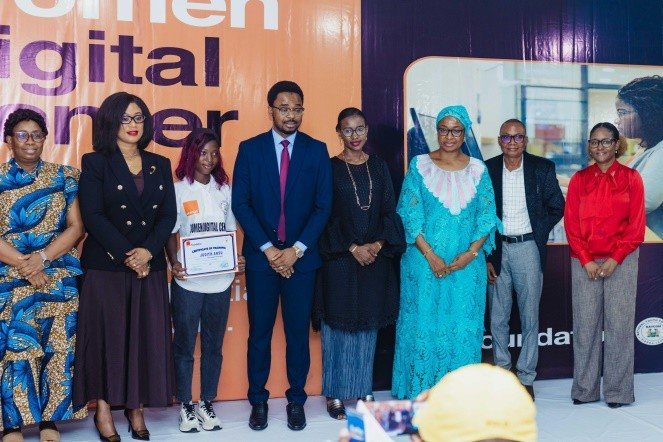
The Ministry of Tertiary and Higher Education also praised Orange’s support for women and girls through the Foundation’s Women Digital Centers, which continue to empower young women with essential digital skills.

Collectively, the courtesy visits signal Madam Aïcha Touré’s broader strategy of engaging key stakeholders to better understand Sierra Leone’s development priorities while strengthening partnerships that promote good governance, digital transformation and inclusive growth. Both Parliament and the Ministries expressed optimism that the renewed collaboration with Orange Sierra Leone will deliver lasting benefits for the country and its people. https://thecalabashnewspaper.com/orange-sierra-leone-ceo-deepens-strategic-partnerships-with-parliament-and-key-ministries/


Shalimar Trading Consolidates Market Leadership as TVS Bikes Dominate Commercial Transport
Shalimar Trading Company Limited is reinforcing its position as a key player in Sierra Leone’s transportation industry as TVS motorcycles continue to gain widespread acceptance among commercial riders, commuters and small-scale business operators across the country.

From the congested streets of Freetown to rural communities where access and mobility remain critical to economic activity, TVS motorcycles have become a dominant feature of daily transport. Industry observers attribute this growing presence to increasing public confidence in the brand’s durability, fuel efficiency and suitability for the country’s road conditions.

Shalimar Trading’s long-standing partnership with TVS Motor Company, India’s third-largest motorcycle producer, has been central to this expansion. The collaboration has ensured a steady supply of motorcycles supported by structured distribution channels, genuine spare parts and professional after-sales service, factors that continue to influence purchasing decisions among riders.

As the sole authorized distributor of TVS motorcycles, scooters, mopeds and three-wheelers in Sierra Leone, Shalimar Trading Company Limited has positioned itself at the heart of a rapidly evolving transport market. With commercial riding, delivery services and informal logistics expanding nationwide, many operators are increasingly opting for motorcycles known for low maintenance costs, fuel economy and resilience under intensive use.

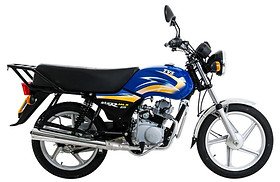
One of the most visible models on the road is the TVS Star HLX series, available in 100ES, 100KS, 125cc and 150cc variants. The Star HLX has earned a reputation for strength and reliability, making it a preferred choice for riders operating on rough terrain and long-distance community routes. Its widespread use has made it one of the most recognizable motorcycles within Sierra Leone’s transport system.

For traders and household users seeking affordable mobility, the TVS XL 100 moped is also gaining popularity. Known for its fuel-saving performance and practical design, the XL 100 is commonly used for market deliveries and short-distance commercial activities, particularly within urban and peri-urban areas.

Demand is also rising for the TVS Victor motorcycle, which appeals to riders seeking a balance between efficiency, comfort and modern styling. Many users describe the model as a dependable option that meets both work-related demands and personal mobility needs.

In urban centres where traffic congestion is a daily challenge, the TVS Jupiter scooter has emerged as a popular choice among commuters. Riders cite its smooth handling, comfort and ease of navigation as key advantages, particularly for movement through narrow streets and busy commercial zones.

Younger riders and new motorcycle owners are further contributing to TVS market growth through increased interest in models such as the TVS NEO XR and TVS ZT 125. These motorcycles are gaining attention for their modern appearance, versatility and economical performance, aligning with the preferences of a growing segment of the market.

High-performance enthusiasts are also embracing the TVS Apache range, including the Apache RTR 200. Designed with advanced engineering and responsive handling, the Apache models continue to attract riders who prioritize speed, control and a sportier riding experience.

In the shared transport segment, the TVS King Deluxe three-wheeler is playing an increasingly important role. With capacity for up to four passengers, the King Deluxe is widely used by commercial operators and families seeking affordable and reliable multi-passenger transport.

Stakeholders note that Shalimar Trading’s expanding influence extends beyond product availability to its after-sales service network. Customers have access to genuine spare parts and professional maintenance services through multiple outlets in Freetown, including Lumley, Bai Bureh Road and Siaka Stevens Street, enhancing rider confidence and long-term vehicle performance.

Beyond TVS products, Shalimar Trading also distributes other internationally recognized automotive and industrial brands, including Suzuki, Sonalika International, Isuzu, CFMOTO and Leyland. The company’s growing operations, including expansion into Liberia, are contributing to employment, skills development and broader economic activity in the sub-region.

As motorcycles and compact vehicles remain central to Sierra Leone’s transport and commercial landscape, Shalimar Trading’s partnership with TVS Motor Company continues to shape affordable and reliable mobility, supporting livelihoods and meeting the everyday transport needs of communities nationwide. https://thecalabashnewspaper.com/shalimar-trading-consolidates-market-leadership-as-tvs-bikes-dominate-commercial-transport/


Parliamentary Transport Committee Conducts Oversight Visit to SLCAA
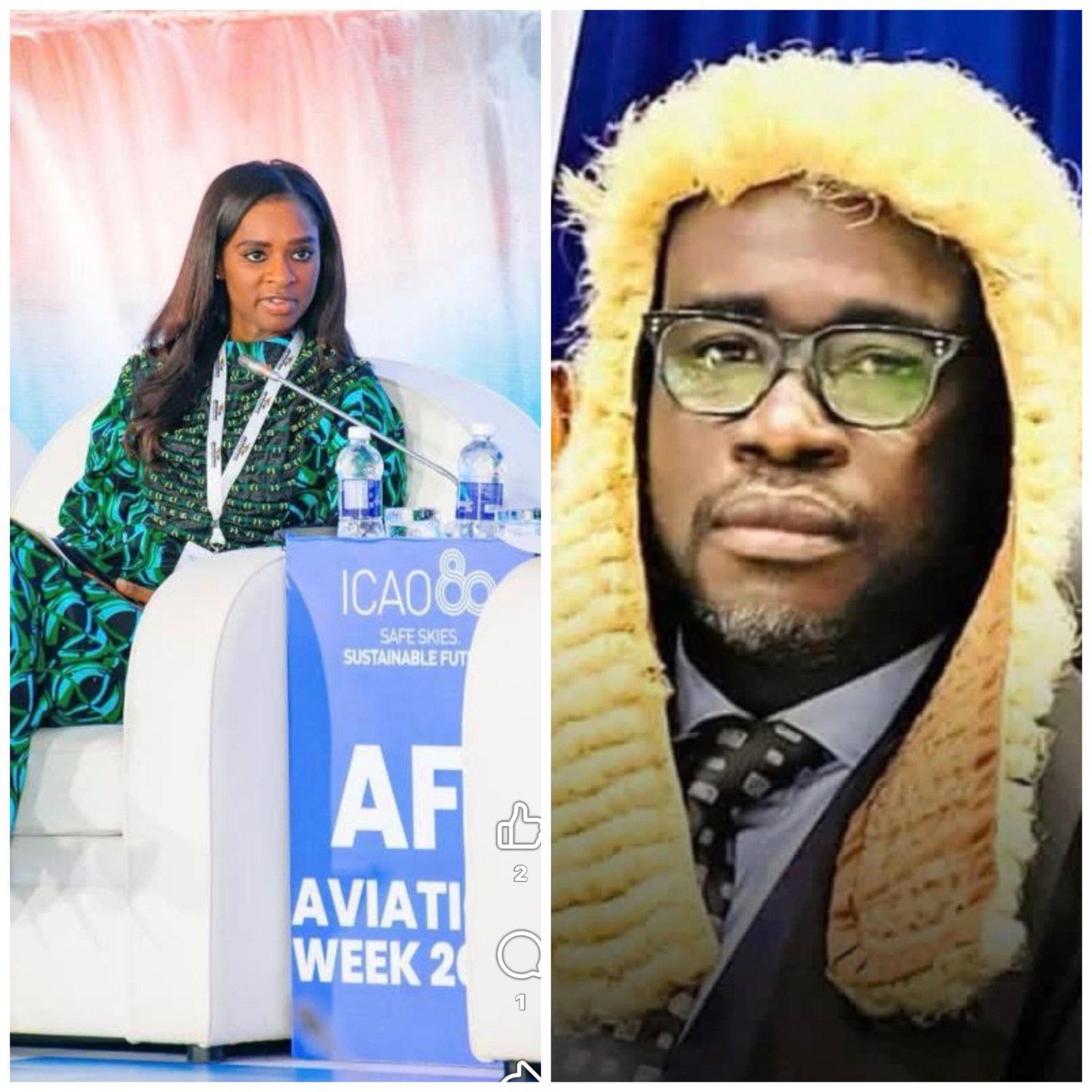
The Sierra Leone Civil Aviation Authority (SLCAA) on Thursday, 29 January 2026, hosted the Chairman of the Parliamentary Committee on Transport and Aviation, Parliament of Sierra Leone, Hon. Dickson Momoh Rogers alongside his deputy as part of Parliament’s constitutional oversight responsibility over institutions within the transport sector. The visit focused on assessing the Authority’s operations, regulatory compliance and capacity to deliver a safe, efficient and well-regulated civil aviation system in Sierra Leone.

The oversight engagement provided legislators with first-hand insight into the operational structure, management systems and day-to-day functions of the SLCAA, enabling an on-the-spot evaluation of institutional performance and challenges affecting the aviation sector.

Director General of the SLCAA, Madam Musayeroh Barrie, received the parliamentary delegation and facilitated unrestricted access to management and operational units of the Authority. She formally introduced the committee members to senior Management staff, creating a platform for direct interaction and transparent dialogue on policy, regulation and operational matters.

In her briefing, Madam Musayeroh Barrie outlined the statutory mandate of the SLCAA, emphasizing its central role in regulating civil aviation, ensuring compliance with international safety standards and overseeing aviation security, economic regulation and industry development. She highlighted the Authority’s alignment with the Civil Aviation Act 2023, noting that the Act provides a strengthened legal framework for effective safety oversight and institutional independence.

The Director General also drew attention to operational challenges facing the SLCAA, including resource constraints and the need for continuous capacity building, while stressing that the Authority has recorded notable institutional progress in recent years. These include improvements in regulatory systems, internal processes and compliance mechanisms aimed at enhancing aviation safety and efficiency.

As part of the oversight exercise, the parliamentary delegation was taken on a guided tour of the SLCAA offices, led by the Director General. The tour showcased the Authority’s operational environment and provided practical insight into workflows, institutional capacity and administrative systems supporting regulatory functions.

Discussions during the engagement reaffirmed Parliament’s recognition of the SLCAA as a key regulatory institution within the transport sector. Committee members acknowledged the Authority’s efforts in enforcing aviation safety standards and expressed support for measures aimed at strengthening regulatory oversight, institutional effectiveness and sectoral growth.

The visit reinforced accountability and transparency within the SLCAA by enabling direct engagement between Parliament, Management and staff. It also boosted internal morale, with leadership emphasizing responsibility and continuous improvement in service to the nation.

The Parliamentary Committee on Transport encouraged sustained collaboration with the SLCAA and reiterated the need for continued investment in systems, personnel and regulatory capacity to further enhance safety, efficiency and public confidence in Sierra Leone’s aviation sector. https://thecalabashnewspaper.com/parliamentary-transport-committee-conducts-oversight-visit-to-slcaa/


AI for Inclusive Development: Why Sierra Leone’s Participation in the India–AI Impact Summit Matters
By Shri Baisnab Charan Pradhan, High Commissioner of India to Sierra Leone

Artificial Intelligence (AI) is no longer a distant or abstract concept reserved for advanced laboratories and large corporations. It is fast becoming a defining force shaping how societies grow, how economies function and how Governments deliver services to their citizens. For countries across the Global South, AI represents not just a technological shift but a historic opportunity to leapfrog traditional development pathways and build more inclusive, resilient and prosperous societies.

It is in this spirit that India will host the India–AI Impact Summit 2026 (February 19–20 in New Delhi) a landmark global gathering that places inclusion, equity and real-world impact at the centre of the global AI discourse. The Summit draws inspiration from India’s own journey in using technology for social transformation, including insights from NITI Aayog’s seminal report AI for Inclusive Societal Development (October 2025). The participation of the Government of Sierra Leone, along with its emerging technology ecosystem and international partners, will be of particular importance; not only for strengthening India–Sierra Leone cooperation but also for advancing Sierra Leone’s own development and prosperity in the digital age.

Technology That Empowers, Not Replaces

At the heart of NITI Aayog’s report lies a powerful and human question: how can the world’s most advanced technologies reach the most overlooked workers and empower them to claim their rightful place in national growth stories? In India, this question is especially relevant to the nearly 490 million people who form the informal workforce; workers whose skills sustain economies but who often remain outside formal systems of training, finance and social protection.

The report is grounded in the lived experiences of people such as home healthcare aides, carpenters, farmers and daily wage workers. Their stories reflect challenges that resonate strongly with many communities in Sierra Leone: low literacy, language barriers, income insecurity and limited access to formal skilling and markets. Yet, the report makes a crucial point; technology should not replace human skills, it should amplify them.

This philosophy holds deep relevance for Sierra Leone. Like India, Sierra Leone has a youthful population, a large informal sector and immense human potential. AI, when deployed thoughtfully, can help unlock this potential by expanding access to skills, markets, finance and public services.

A Vision for Inclusive AI by 2035

The roadmap outlined in AI for Inclusive Societal Development envisions a future where frontier technologies, Artificial Intelligence, the Internet of Things (IoT), blockchain, robotics and immersive learning, work together to remove systemic barriers faced by informal workers.

By 2035, the report envisages voice-first AI interfaces that overcome literacy and language barriers, enabling workers to access information, training and Government services simply by speaking in their local languages. For Sierra Leone, where linguistic diversity and literacy gaps remain development challenges, such solutions could be transformative, particularly in rural communities.

The report also highlights the role of smart contracts and blockchain-based systems in ensuring transparent, timely payments and reducing exploitation. This has clear relevance for sectors such as agriculture, construction and small-scale services, areas where Sierra Leone’s economy is deeply rooted. Secure and transparent digital systems can strengthen trust, formalize economic activity and improve livelihoods.

Equally important is the emphasis on micro-credentials and on-demand learning, allowing workers to upskill continuously, at their own pace. This model aligns well with Sierra Leone’s aspiration to equip its youth and workforce with future-ready skills without disrupting livelihoods.

From Digital Public Infrastructure to Global Cooperation

India’s confidence in inclusive, at-scale digital transformation is rooted in its proven success with digital public infrastructure (DPI) platforms such as Aadhaar, UPI and Jan Dhan. These initiatives demonstrate that when technology is designed with inclusion at its core, it can reach hundreds of millions of people, reduce inefficiencies and unlock economic opportunity.

For Sierra Leone, the AI Summit provides a platform to explore how DPI-inspired approaches, adapted to local contexts, can support Sierra Leone’s goals in digital identity, payments, service delivery and data-driven governance.

By engaging at the Summit, Sierra Leone can:

- Exchange best practices on inclusive AI deployment in agriculture, healthcare, education and governance


- Explore partnerships with Indian and global technology companies working on affordable, scalable AI solutions


- Strengthen capacity-building efforts, including skilling, research collaboration and institutional development


- Position itself as an active voice of the Global South, contributing perspectives shaped by African realities

The participation of hi-tech companies and startups from Sierra Leone, alongside international technology firms, will further enrich this engagement. Exposure to India’s vibrant AI ecosystem, spanning startups, research institutions and public platforms, can help Sierra Leonean innovators identify new opportunities, business models and collaborative ventures.

AI as a Driver of Sierra Leone’s Progress and Prosperity

The relevance of AI for Sierra Leone’s development is already evident. In agriculture, AI-powered tools can support crop planning, weather prediction, pest management and market access. In healthcare, AI can help bridge shortages of specialists through telemedicine, diagnostics and data-driven planning. In education, personalized learning platforms can improve outcomes and expand access, particularly in underserved communities.

Governance stands to benefit significantly as well. AI-enabled systems can enhance transparency, improve service delivery, strengthen public financial management and support evidence-based policymaking. When aligned with strong institutions and ethical frameworks, AI can deepen trust between citizens and the state.

The India–AI Impact Summit offers Sierra Leone a unique opportunity to shape how these technologies are adopted; ensuring they are people-centric, inclusive and aligned with national development priorities.

Building a Shared Future

The global conversation on Artificial Intelligence is at a critical juncture. While AI capabilities are advancing rapidly, the risk of a widening global AI divide remains real. Without deliberate action, technological benefits could remain concentrated in a few regions, leaving much of the Global South behind.

India’s approach, reflected in NITI Aayog’s AI for Inclusive Societal Development report and embodied in the India–AI Impact Summit, offers an alternative vision. It emphasizes cooperation over competition, inclusion over exclusion and impact over rhetoric.

For Sierra Leone, engaging with this vision is not just about adopting new technologies; it is about shaping a future where innovation serves development goals, empowers citizens and strengthens sovereignty in the digital age.

Conclusion

The India–AI Impact Summit 2026 comes at a moment of profound opportunity for the Global South. It reflects India’s belief that Artificial Intelligence, when guided by shared values and collective action, can become a powerful force for inclusive growth and shared prosperity.

Sierra Leone’s participation, through Government leadership, private sector engagement and institutional collaboration, will help ensure that this global conversation translates into real benefits at home. By learning from India’s experiences, sharing its own perspectives and forging new partnerships, Sierra Leone can harness AI to accelerate progress, empower its people and build a more prosperous and resilient future.

The growing bilateral partnership between India and Sierra Leone places emerging technologies such as artificial intelligence at the center of future cooperation. Through joint efforts, both countries can show that the future of AI should be inclusive and widely shared; powered by innovation, shaped by equity and rooted in collective progress.

******** https://thecalabashnewspaper.com/ai-for-inclusive-development-why-sierra-leones-participation-in-the-india-ai-impact-summit-matters/