Saturday, 31 January 2026


UNDP, Africell Partner to Boost Digital Connectivity for Young Innovators in Sierra Leone and The Gambia
The United Nations Development Programme (UNDP) and Africell have entered into a strategic partnership aimed at strengthening digital connectivity for young innovators in Sierra Leone and The Gambia, a move expected to significantly enhance youth-led innovation and entrepreneurship across the two countries.

The agreement was formalized on Thursday, January 29, 2026, in New York and targets UNDP’s Timbuktoo University Innovation Pods (Uniods); high-tech maker and innovation spaces hosted within public universities. Under the partnership, Africell will provide critical digital connectivity infrastructure, including 4G MiFi devices, high-speed internet access and Internet of Things (IoT) tools to support innovators working within the UniPods.

Those resources will enable students and young entrepreneurs to design, test and scale technology-driven solutions addressing both local and global development challenges. The intervention is expected to remove one of the most persistent barriers to innovation in the region; reliable and affordable internet access.

Speaking on the collaboration, Ziad Dalloul, Group Chief Executive Officer of Africell and President of the Africell Impact Foundation, said the partnership aligns with Africell’s mission to empower Africa’s next generation of innovators.

“This collaboration plays to everyone’s strengths by combining Africell’s connectivity expertise with UNDP’s innovation network,” Ziad Dalloul noted. “By equipping the UniPods in Sierra Leone and The Gambia with Africell’s signature internet services, we are investing in young Africans and helping to turn raw talent into successful enterprise.”

Beyond infrastructure support, the partnership will also extend to joint innovation and accelerator programmes designed to increase youth participation in the UniPods and deepen their long-term social and economic impact. Those programmes will build on existing initiatives of the Africell Impact Foundation, including robotics training, entrepreneurship development and digital skills courses delivered through its learning centres across West Africa.

The collaboration forms part of UNDP’s broader Timbuktoo initiative, a flagship effort aimed at strengthening Africa’s home-grown innovation ecosystem. The Timbuktoo framework includes UniPods, Policy Labs and sector-focused innovation hubs in major African cities, all designed to unlock investment and growth opportunities for African startups and founders.

Ahunna Eziakonwa, Assistant United Nations Secretary-General and Director of UNDP’s Regional Bureau for Africa, emphasized the importance of digital inclusion in shaping Africa’s economic future.

“Digital inclusion is key to Africa’s innovation future,” she said. “This partnership expands digital access and gives young innovators the connectivity they need to turn ideas into impactful solutions. When we invest in young people’s talents and remove barriers to opportunity, we accelerate Africa’s path to competitiveness and inclusive growth.”

UNDP’s UniPods continue to play a growing role in equipping African youth with the tools, skills and networks needed to transform ideas into market-ready solutions. The partnership with Africell is expected to further strengthen this mission, positioning young innovators in Sierra Leone and The Gambia at the forefront of Africa’s digital transformation. https://thecalabashnewspaper.com/undp-africell-partner-to-boost-digital-connectivity-for-young-innovators-in-sierra-leone-and-the-gambia/

Friday, 30 January 2026


Vice President Urges Peace, Apolitical Leadership as Bakeloko Installs New Paramount Chief
By Amin Kef (Ranger)

Sierra Leone’s Vice President, Dr. Mohamed Juldeh Jalloh, on Friday, January 23, 2026, joined residents of Bakeloko Chiefdom in Port Loko District to formally welcome the newly installed Paramount Chief, PC Adikaili Mellah (OPAPA) III, using the occasion to underscore the central role of unity, peace and responsible leadership in driving grassroots development.

The Vice President attended the official home-calling ceremony, a traditional event that marks the return of a newly elected Paramount Chief to his people following the successful conclusion of the chieftaincy election process. The ceremony attracted traditional authorities, elders, youth groups, women’s organisations, local council representatives and community stakeholders from across Bakeloko Chiefdom and neighbouring areas.

Addressing the gathering, Dr. Mohamed Juldeh Jalloh praised the people of Bakeloko and the wider Port Loko District for the calm, inclusive and peaceful manner in which the chieftaincy elections were conducted. He described the process as a strong demonstration of maturity and collective responsibility, noting that peace at the community level remains the foundation upon which national stability and development are built.

The Vice President urged all sections of the chiefdom to continue working together as one family, cautioning that division and prolonged disputes could undermine progress. He encouraged residents to rally behind the new Paramount Chief and support him in promoting reconciliation, dialogue and cooperation among all clans and interest groups within the chiefdom.

Dr. Mohamed Juldeh Jalloh noted that the installation of a young and forward-looking Paramount Chief presents Bakeloko Chiefdom with a unique opportunity to reposition itself for accelerated development. According to him, effective and visionary traditional leadership can strengthen local governance, improve coordination with Government institutions and attract development partners to the area.

Speaking on the role of traditional authorities, the Vice President emphasized that Paramount Chiefs are expected to remain apolitical and serve the interests of all their people without discrimination. He stressed that chiefs must act as custodians of peace, arbiters of justice and champions of development, rather than align themselves with partisan politics.

“Traditional leadership carries a sacred responsibility,” Dr. Mohamed Juldeh Jalloh said, adding that chiefs must always put the welfare, unity and progress of their people above personal or political considerations.

Highlighting Government investments in Port Loko District, the Vice President outlined several infrastructure and social development projects currently underway. These include the construction of new public office complexes, the establishment of a girls’ secondary school, improvements in healthcare facilities and the provision of other essential social services that were previously lacking in some communities within the district.

He explained that those interventions reflect the Government’s commitment to inclusive development and its determination to ensure that rural and semi-urban communities benefit from national growth initiatives. Dr. Mohamed Juldeh Jalloh assured residents that additional projects are in the pipeline, aimed at improving livelihoods, expanding access to education and healthcare and creating economic opportunities, particularly for young people and women.

The Vice President reiterated that development efforts must be people-centred and guided by the real needs and priorities of local communities. He pledged his continued support to Bakeloko Chiefdom and expressed readiness to work closely with Paramount Chief Adikaili Mellah (OPAPA) III, the local council and development partners to deliver sustainable and impactful projects.

Congratulating PC Adikaili Mellah (OPAPA) III on his installation, Dr. Mohamed Juldeh Jalloh encouraged him to lead with humility, integrity and a strong sense of service. He described the Paramount Chief as a critical link between the people and the central Government, whose leadership would be instrumental in maintaining peace and fostering development in the chiefdom.

The ceremony concluded with a renewed call for unity and cooperation, as the Vice President commended Port Loko District for preserving peace throughout the chieftaincy process. He urged all stakeholders to remain committed to dialogue, mutual respect and collective action in order to secure lasting peace, progress and development in Bakeloko Chiefdom.

The installation of PC Adikaili Mellah (OPAPA) III marks the sixth chieftaincy event across the country witnessed by Vice President Dr. Mohamed Juldeh Jalloh, reflecting his continued engagement with traditional institutions as key partners in Sierra Leone’s development agenda. https://thecalabashnewspaper.com/vice-president-urges-peace-apolitical-leadership-as-bakeloko-installs-new-paramount-chief/


Lǒr Restaurant Emerges as a Premier Lifestyle Dining Destination in Sierra Leone
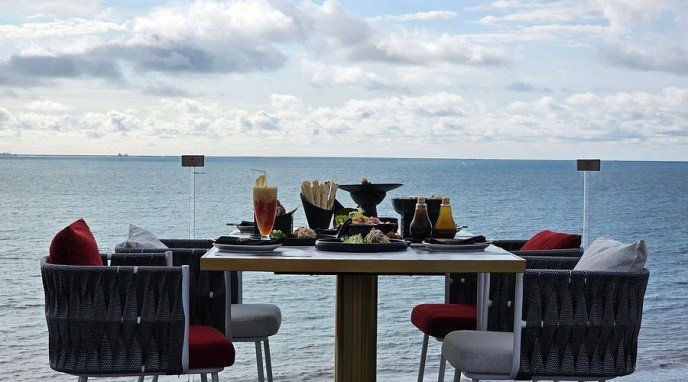
Freetown’s hospitality and lifestyle sector continues to witness remarkable growth, with Lǒr Restaurant emerging as one of the city’s most celebrated upscale dining destinations. Strategically located along the Peninsular Highway in Juba/Goderich, the restaurant has steadily built a reputation for blending refined cuisine, professional service and breathtaking coastal views into a complete dining experience.

Since opening its doors, Lǒr Restaurant has attracted a diverse clientele, ranging from business executives and diplomats to tourists, families and social groups. Patrons consistently highlight not only the quality of the food but also the attention to detail that defines the restaurant’s service culture; an approach that Management says is anchored on consistency, warmth and guest satisfaction.

At the heart of Lǒr’s growing popularity is its impressively diverse international menu. The restaurant offers a carefully curated selection of Italian, Japanese, Lebanese, Indian and traditional Sierra Leonean dishes, with particular strength in premium grilled meats and seafood. Signature items such as the golden tomahawk steak, T-bone steak, volcano shrimp and Ebi tempura shrimp have become customer favourites, often described as both visually striking and expertly prepared. The menu also caters to lighter tastes, with options such as salmon salad and a variety of seafood platters.

Complementing the cuisine is an ambiance that many diners describe as vibrant yet relaxed. Designed with modern architectural elements, soft lighting and elegant décor, Lǒr Restaurant provides a refined setting that enhances the overall dining experience. Its rooftop bar and dining area, overlooking the Atlantic Ocean, have become especially popular for sunset dinners, celebrations and private events, offering guests a scenic escape from the bustle of the city.

Customer service remains a key pillar of the restaurant’s appeal. Staff members are frequently praised for being courteous, attentive and professional, ensuring that guests feel welcomed and well cared for from arrival to departure. Management officials note that dining at Lǒr is intentionally crafted as an experience rather than a routine meal, combining hospitality, presentation and atmosphere.

To meet the expectations of modern diners, Lǒr Restaurant operates daily from 9:00 a.m. to 11:00 p.m. on weekdays and extends service until 12:15 a.m. on weekends. The restaurant accepts multiple payment options, including cash, Visa, Mastercard and digital transfers, while also providing free parking, valet services and private event spaces for added convenience.

While peak hours can occasionally be busy due to high demand, regular patrons recommend making reservations in advance to ensure a seamless experience. Industry observers believe the restaurant’s success reflects a broader shift toward premium dining and lifestyle experiences in Sierra Leone’s capital.

As Freetown positions itself as an emerging tourism and leisure hub, Lǒr Restaurant continues to stand out as a symbol of culinary excellence and modern hospitality where fine dining truly meets the Atlantic horizon.

Key Information:


Location: Peninsular Highway, Juba/Goderich, Freetown


Phone: +232 90 002000


Cuisine: International (Sierra Leonean, Italian, Japanese, Lebanese, Indian)


Hours: 9:00 AM – 11:00 PM (Weekdays); until 12:15 AM (Weekends) https://thecalabashnewspaper.com/lor-restaurant-emerges-as-a-premier-lifestyle-dining-destination-in-sierra-leone/


Connaught Hospital Records Major Infrastructure Upgrades and Improved Care in 2025 Annual Report
 By Mohamed Jaward Nyallay

Connaught Hospital, the country’s largest Government-run medical facility and primary referral center, has reported an impressive year of transformation and improved service delivery in 2025. A new Management report highlights sweeping infrastructural development, technological enhancement and a rise in public confidence in the hospital’s quality of care.

The 2025 Annual Report captures key milestones and outlines ongoing gaps for strategic support in the coming year. According to the report, “Key achievements included infrastructural upgrades, improved cleanliness and infection prevention practices, expansion of specialized clinical services, continued digitization efforts and stronger partnerships with local and international stakeholders.”

As the teaching arm of the University of Sierra Leone’s medical program, Connaught Hospital underwent some of its most extensive renovations in decades. Major works included a complete renovation and re-equipping of the Intensive Care Unit (ICU), significantly improving the hospital’s capacity to care for critically ill patients. The construction of a modern Burns and Reconstructive Unit also marked a milestone, expanding access to specialized surgical and rehabilitative care. Meanwhile, the Radiology Complex received a total overhaul and modernization.

It is now equipped with a state-of-the-art 128-slice CT scanner, a 4D ultrasound machine with cardiac imaging capabilities and a digital X-ray system; key advancements that have enhanced diagnostic accuracy and overall service delivery. One of the most significant developments was the Ministry of Health’s successful installation of a 1.2 megawatt solar energy system, which now serves as the hospital’s main power source. This renewable energy shift has improved energy reliability, reduced operating costs and strengthened service resilience. Patient numbers also rose sharply in 2025, reflecting growing public trust in the hospital’s services but also adding pressure on staff and facilities.

Outpatient attendance exceeded 57,000, while admissions increased to 21,000, up from 19,000 in 2024. Theatres were busier as well, with 1,600 surgeries performed compared to 958 the previous year. Despite the higher patient load, the hospital recorded a decline in mortality rates, highlighting significant progress in care quality.

“Increased patient attendance reflected improved accessibility and growing public confidence in the services provided by Connaught Hospital. Although emergency services remained under pressure due to high demand, there were notable improvements in organization, coordination and response times,” the report noted. Connaught Hospital’s achievements mirror broader progress within Sierra Leone’s health sector, underscoring the Government’s ongoing investments in infrastructure, personnel and healthcare delivery nationwide. https://thecalabashnewspaper.com/connaught-hospital-records-major-infrastructure-upgrades-and-improved-care-in-2025-annual-report/


Carry Forward the Traditional Friendship and Create A Better Future Together
H.E. Zhao Yong, Chinese Ambassador to Sierra Leone

Sierra Leone and China are thousands of miles apart, but I have a special connection with Sierra Leone. A month ago, I set foot on this beautiful land for the fourth time. Unlike my previous three visits to Sierra Leone from 2005 to 2010, this time, as the ambassador to Sierra Leone, I came to Freetown again and deeply felt "three changes" and "three no changes".

The first change is that Sierra Leone has made remarkable improvement and progress in economic and social development. Twenty years ago, when I first set foot on this land, Sierra Leone was just emerging from the trauma of civil war. Twenty years later, under the guidance of H.E. President Bio's “Big Five Game Changers”, the streets of Freetown are booming with prosperity. And as a non-permanent member of the UNSC for the past two years and the chair of ECOWAS, Sierra Leone has made significant contributions to promoting global peace and development, and safeguarding African unity and core interests.

The second change is that China-Sierra Leone high-level exchanges become closer and the relationship is constantly moving forward. In 2024, H.E. President Bio paid a state visit to China and attended the FOCAC Beijing Summit. He is the first Sierra Leonean head of state to visit China twice in a single year. Two months ago, Chinese Vice Premier, Liu Guozhong, successfully visited Sierra Leone. China and Sierra Leone also share broad common interests and similar positions on international and regional issues. And we coordinate closely in multilateral arenas.

The third change is that China-Sierra Leone practical cooperation is continuously deepening and the benefits are enjoyed by the two peoples. In recent years, with joint efforts, China and Sierra Leone completed many projects, such as Juba Bridge, Regent Road, National Optical Fiber Backbone Network and Foreign Service Academy. Last year, benefited from China’s zero-tariff treatment for African countries, Sierra Leone's Wild Aquatic Products began exporting to China. The bilateral cooperation in the health sector continues to deepen. And people-to-people exchange becomes more frequent. Last year, the Chinese Embassy issued over 6,500 visas to Sierra Leonean citizens, setting a new record.

As time flows, it is heartening to see these pleasant changes. And along with the changes there are three things never changed.

The first thing not changed is the solid bond between our peoples. When Ebola struck Sierra Leone in 2014, China was the first to dispatch medical team here. When COVID-19 emerged in China in 2020, the Sierra Leone Parliament passed a resolution to express solidarity with China. In times of hardship, our two peoples have chosen to stand firmly behind each other.

The second thing not changed is the tradition of unwavering political support between China and Sierra Leone. In 1971, with the support of Sierra Leone and other African brothers, China restored its the lawful rights in UN. Sierra Leone always upholds the One-China principle and provides firm support to China on issues concerning China's core interests. China firmly supports Sierra Leone to choose a development path suited to its national realities, and supports Sierra Leone’s active role in multilateral platforms such as UN and ECOWAS.

The third thing not changed is the our commitment to jointly uphold international fairness and justice and promote global common development. As fellow developing countries, China and Sierra Leone have consistently supported each other in international affairs, defended the international system with the United Nations at its core, the international order based on international law and the basic norms of international relations founded on the purposes and principles of the UN Charter. We actively safeguard the interests of developing countries and  jointly build an all-weather China-Africa community with a shared future for the new era. We have also made positive contributions to building of a community with a shared future for mankind.

China and Sierra Leone are old friends who understand and cherish each other and good partners who march forward side by side. Under the strategic guidance of our two heads of state, China-Sierra Leone relations have maintained high-level momentum, with steady progress across all areas of cooperation.

As Ambassador to Sierra Leone, I will work with friends from all walks of life in Sierra Leone to deepen the traditional friendship, expand the practical cooperation and elevate China-Sierra Leone relations to new heights in the new era. We will ensure that the fruits of cooperation will benefit the peoples of both countries more extensively and contribute to building an all-weather China-Africa community with a shared future in the new era. https://thecalabashnewspaper.com/carry-forward-the-traditional-friendship-and-create-a-better-future-together/


Choithram Foundation Supports 283 Deserving Pupils with NLe285, 000 Scholarship Grant
By Foday Moriba Conteh

In a demonstration of its unwavering commitment to education, the Choithram International Foundation awarded scholarships to 283 deserving pupils from various schools across Sierra Leone. The brief but significant ceremony took place on Thursday, 29 January 2026, at the Choithram Head Office on Rawdon Street, Freetown bringing together pupils, parents, guardians and members of the Press.

In his address, Harish Agnani, Chief Executive Officer, Choithram Group reaffirmed the company’s long-standing commitment to education, healthcare and social welfare in Sierra Leone.

He explained that the scholarship programme has been running consistently for over 50 years, stressing that it has never been interrupted even during difficult periods such as the civil war, the Ebola outbreak and the COVID-19 pandemic. He also described the initiative as a vision of the late Thakurdas Choithram Pagarani, who believed strongly in giving back to society through education and healthcare.

Harish Agnani clarified that the scholarship is a grant-in-aid, not a full scholarship and is awarded strictly on merit. According to him, the selection process is handled independently by the Scholarship Committee, without influence from Choithram Management. Beneficiaries are expected to perform well academically to continue benefiting in subsequent years.

For the 2026 academic year, Harish Agnani disclosed that a total sum of NLe285, 000 equivalent to 285,000,000 Old Leones was expended for this year’s scholarship grant.

Beyond education, Harish Agnani highlighted Choithram International Foundation’s extensive investments in healthcare, particularly through the Choithram Memorial Hospital. He announced the arrival of a six-member team of specialist German doctors on 6 February 2026, who will conduct plastic and head surgeries. Members of the public requiring such medical attention were urged to register early as patient screening is already underway.

The CEO further revealed plans for a major free cataract surgery camp, scheduled to begin around 20 March 2026, with specialist medical teams arriving from India. The initiative, he said, is jointly funded by Choithram International Foundation and Choithram Memorial Hospital, with technical support from partner institutions in India and Dubai. All surgeries, transportation, accommodation, feeding, medication and follow-up care will be provided free of charge.

Harish Agnani noted that in 2025 alone, over 1,500 free cataract surgeries were successfully carried out and expressed optimism that the 2026 programme could benefit up to 2,000 patients depending on the turnout.

He also disclosed that the Foundation routinely supports old people’s homes, children’s institutions and other social causes, in addition to its flagship education and healthcare programmes.

Harish Agnani concluded by thanking the committee for their dedication and reaffirmed Choithram’s continued commitment to supporting vulnerable children and improving access to quality healthcare in Sierra Leone.

Cornelia Gabbidon, Committee Member, Choithram Scholarship Fund, expressed appreciation to the Choithram International Foundation for supporting pupils across primary, junior and secondary levels, noting that the grant has brought relief to parents facing financial constraints.

She said the initiative complements the Government’s Free Quality Education programme and urged beneficiaries to work hard, remain disciplined and distinguish themselves academically to qualify for future support.

Cornelia Gabbidon also warned that pupils who fail to improve would not benefit next year and advised parents to use the funds strictly for educational purposes. "We encouraged the parents to utilize this grant for the intended purpose and not divert it to other things," she said.

Lucy Josiah, a parent of one of the beneficiaries, thanked Choithram International Foundation and the committee, describing the scholarship as timely support that would ease the burden of school expenses and help keep their child focused on education. She further expressed hope for the continuation of the grant.

Antontte Mewen, a pupil beneficiary from Methodist Girls High School, expressed happiness and gratitude to the Foundation, promising to study harder and remain disciplined so as to continue benefiting from the scholarship.

Harish Agnani commended the committee members for their voluntary service noting that the selection process often takes four to six weeks to ensure transparency and fairness.

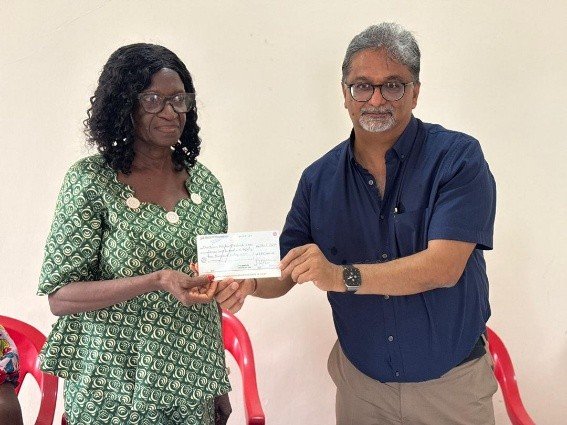
The ceremony climaxed with the official presentation of the grant cheque by Harish Agnani, Chief Executive Officer of Choithram Group, to Cornelia Gabbidon, a Committee Member of the Choithram Scholarship Fund, followed by the distribution of grants to beneficiaries. https://thecalabashnewspaper.com/choithram-foundation-supports-283-deserving-pupils-with-nle285-000-scholarship-grant/


Mines Ministry, NMA Inspect Baomahun Gold Project Ahead of Commercial Gold Production
Ibrahim Sesay 

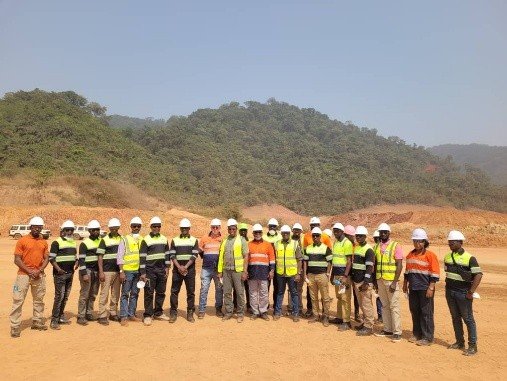
The Ministry of Mines and Mineral Resources, together with the National Minerals Agency (NMA), on Tuesday January 27, 2026 conducted a site visit to assess the progress of the Baomahun Gold Project as preparations speeds up for full-scale mining and commercial gold production later this year.

The visit, which took place in Valunia and Kunike Barina Chiefdoms in the Bo and Tonkolili Districts, was led by the Minister of Mines and Mineral Resources, Julius D. Mattia, alongside senior officials from the NMA, including directors, inspectors and technical experts.

During the inspection, the Project Director of FG Gold Mining Company, Bolaji Okubajo, delivered a comprehensive presentation detailing the company’s operational progress, development strategy and commitment to sustainable mining practices. He reaffirmed FG Gold’s focus on local content development, safety excellence and responsible mining.

Bolaji Okubajo disclosed that a significant portion of the company’s construction and operational activities is being undertaken by locally registered and wholly Sierra Leonean-owned companies, in line with national development objectives. He noted that more than 50 percent of FG Gold’s annual expenditure on goods and services is retained within Sierra Leone, with priority given to host communities, national suppliers and ECOWAS partners.

On infrastructure and technology, Bolaji Okubajo highlighted the deployment of state-of-the-art processing plant technology supported by reputable international partners. Those include engineering, procurement and construction management specialists, integrated battery-powered energy systems, explosives suppliers, geo-technical and tailings storage facility designers as well as globally recognized equipment manufacturers. He said the adoption of new-generation technology has significantly reduced project risks and potential delays.

In terms of employment, FG Gold currently has about 300 direct employees, with projections to exceed 500 workers, excluding contractors. The total workforce on site stands at approximately 1,400 and is expected to peak at around 2,000 during the construction phase. Bolaji Okubajo added that the company has reduced its expatriate workforce from 11 percent to 9 percent, reflecting efforts to maximize national employment, while also increasing female participation as operations commence.


The company also highlighted several completed and ongoing community development initiatives. Those include skills development programmes for youth, with 94 community youths completing driving training, 60 percent of whom are female, four female trainees now operating heavy equipment and over 300 former artisanal miners employed by FG Gold and its contractors.

Key community projects implemented between 2022 and 2025 include the construction of the St. Josephine Bakhita Primary School, renovation of the Baomahun Health Centre, provision of 23 tertiary scholarships under the Valunia Education Fund, drilling of seven water boreholes, renovation of a mosque and ongoing construction of a community town hall. Road grading and repair works covering 68 kilometres from the mine site to Matotoka have also been undertaken.

Speaking during the visit, Minister of Mines, Julius D. Mattia, described the Baomahun site as one of the most highly mineralized gold zones in the country. He recounted the project’s history, highlighting that previous exploration work conducted before the Ebola outbreak had confirmed the area’s significant gold potential.

The Minister said the Government granted FG Gold a mining licence after recognizing the need to transition from artisanal to large-scale mining to maximize benefits for Sierra Leone and surrounding communities. He disclosed that the company has mobilised over US$600 million in project financing to develop the mine.

The inspection team toured several facilities, including workers’ camps, processing plants and key infrastructure such as the ball mill, SAG mill, carbon-in-leach facilities and energy systems. The Minister said the visit was intended to allow Government officials to witness firsthand how a greenfield mining project is being developed organically from the ground up.

Julius D. Mattia expressed optimism that the project would pour its first commercial gold by December 2026, noting that the deposit contains an estimated 4.6 million ounces of mineralization with reserves exceeding 2.1 million ounces.

He added that the project is expected to create jobs, facilitate skills and knowledge transfer, boost national revenue and position Sierra Leone competitively within the sub-region, especially amid rising global gold prices.

The Minister also reaffirmed Government’s commitment to maintaining clear and stable mining laws to attract investors and ensuring that mining contributes meaningfully to economic growth through royalties, taxes and other revenue streams.

The Baomahun Gold Project is projected to become a flagship large-scale gold mining operation in Sierra Leone with expectations of long-term socio-economic benefits for host communities and the country at large. https://thecalabashnewspaper.com/mines-ministry-nma-inspect-baomahun-gold-project-ahead-of-commercial-gold-production/

Wednesday, 28 January 2026


Royal Fitness Unveils 2026 Drive to Fight Lifestyle Diseases Through Training and Nutrition
By Foday Moriba Conteh

Royal Fitness, one of Sierra Leone’s fast-rising wellness facilities, is steadily cementing its position as a top destination for fitness, lifestyle improvement and personal transformation, as it rolls out expanded programmes and enhanced services for 2026.

Located along the Peninsular Highway in Juba, Freetown, the modern fitness centre has continued to attract increased patronage from individuals, families and corporate clients seeking a structured and professional approach to healthy living. With lifestyle diseases, stress-related conditions and physical inactivity becoming growing public health concerns, the gym is pushing a message that fitness is no longer optional but necessary for sustainable wellbeing.

Rather than presenting exercise as a short-term trend, Royal Fitness is promoting wellness as a lifestyle culture; one that builds discipline, strength, confidence and long-term health outcomes. Management says the facility’s main focus is not only appearance-driven goals but a full wellness journey that helps members adopt consistent habits that support both body and mind.

“Fitness must not be seen as a luxury reserved for a few. It is essential for everyone. Our goal for 2026 is to keep Sierra Leoneans motivated to prioritize their health and begin a new journey of wellness,” a spokesperson stated.

Visitors to Royal Fitness often describe the experience as similar to high-end gyms found abroad, thanks to its organized layout, clean environment and well-equipped workout zones. The facility accommodates different fitness categories from beginners working on basic conditioning to experienced athletes training for high performance and endurance.

The gym features multiple workout spaces, including cardio training zones, weight and strength stations, and areas dedicated to group exercises such as aerobics, stretching and yoga. This variety, officials say, ensures members have access to flexible routines that match their goals and physical abilities.

One of the driving forces behind Royal Fitness’ growing popularity is its emphasis on professional coaching and safe workout routines. The gym offers certified trainers who work closely with members to develop personalized plans based on individual targets such as weight loss, muscle building, body sculpting, endurance development and athletic conditioning.

Management noted that the supervised training approach has helped members stay committed, remain accountable and avoid injuries caused by improper techniques or excessive strain.

In addition to its core fitness sessions, Royal Fitness has introduced broader wellness services intended to support full-body outcomes. Members have access to energetic group activities such as spinning, Zumba and aerobics, while those seeking personalized sessions can benefit from one-on-one coaching packages tailored to individual needs.

The gym has also expanded into nutrition and diet counselling, recognizing that healthy feeding remains a key foundation of successful fitness progress. Officials believe combining workouts with proper nutrition provides a stronger pathway to lasting transformation.

Royal Fitness has also increased investment in internationally trusted fitness equipment, reflecting its ambition to match global training standards within Sierra Leone. The facility features machines produced by Technogym, an Italian brand known for its digitally integrated systems that allow users to track and assess performance, while offering customized routines. Technogym is globally recognized for its association with Olympic-level training and professional sports development.

The gym also offers Panatta, another respected Italian manufacturer widely known for ergonomic strength-training equipment that supports safe movement and reduces injury risks. In addition, Royal Fitness provides Arsenal Strength, a durable American-made brand highly favoured by athletes and elite trainers for power-based conditioning and strength development.

Beyond machinery and programmes, Royal Fitness says its strongest focus remains building a supportive gym culture rooted in motivation, professionalism and self-improvement. The centre maintains a secure and comfortable environment, while offering flexible membership options for individuals, families and corporate organisations to increase accessibility.

As the year continues, Royal Fitness is positioning itself as a leading voice in Sierra Leone’s growing health-conscious movement, proving that world-class wellness standards can be built locally through investment, vision, professional service and commitment to excellence.

For membership and registration inquiries, Royal Fitness can be contacted on (090) 001000, as it continues its pledge to deliver “royal care” through fitness and lifestyle transformation. https://thecalabashnewspaper.com/royal-fitness-unveils-2026-drive-to-fight-lifestyle-diseases-through-training-and-nutrition/


Attorney General Calls for Public Input as Constitutional Amendment Process Begins
By Amin Kef (Ranger)

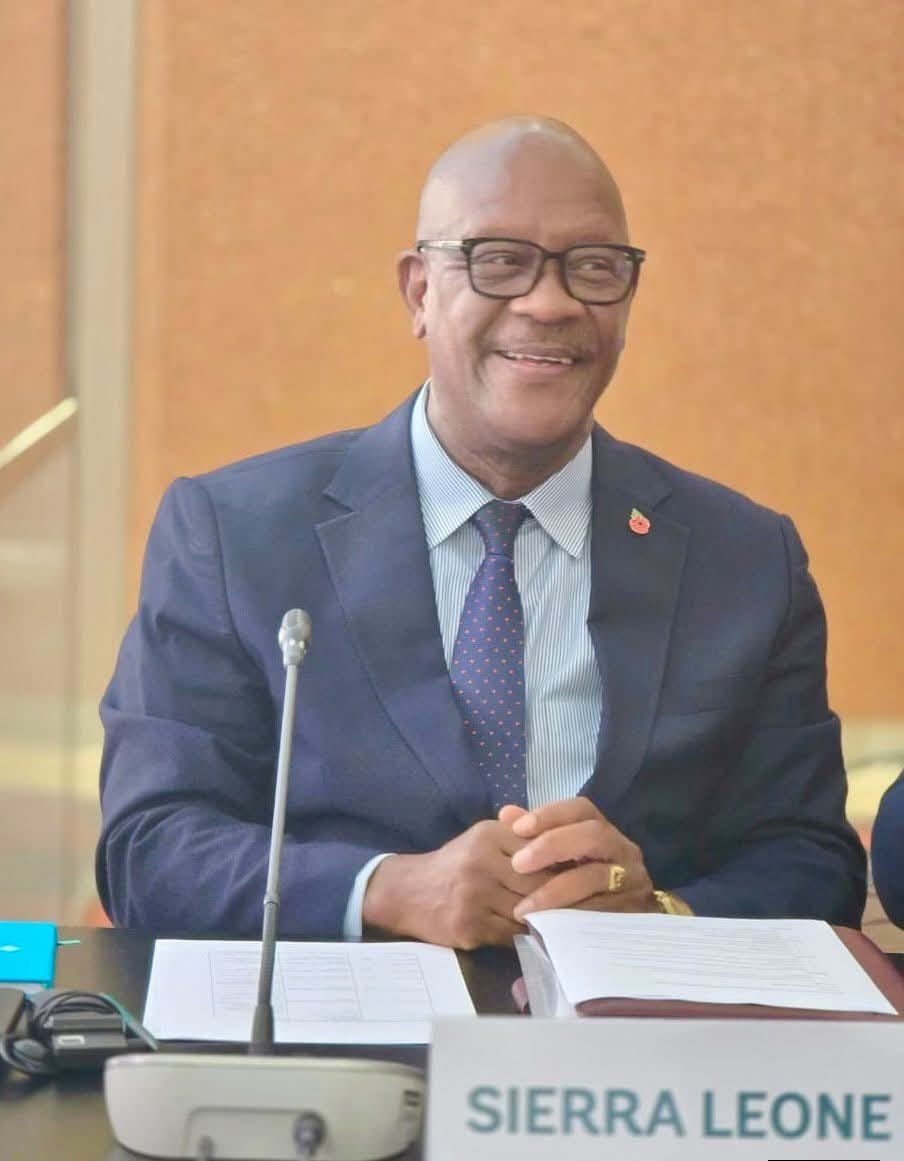
The Parliament of Sierra Leone on Monday, January 26, 2026, convened a pre-legislative engagement on the proposed Constitutional Amendment Bill, which seeks to amend the 1991 Constitution of Sierra Leone and address related matters.

Leading the engagement, Sierra Leone’s Attorney General and Minister of Justice, Alpha Sesay, outlined the origins, scope and intent of the ongoing constitutional review process. Addressing Members of Parliament, stakeholders and the public, he explained that the proposed amendments trace their roots to the Lomé Peace Accord Ratification Act of 1999 and the recommendations of the Truth and Reconciliation Commission (TRC), with the overarching aim of aligning the Constitution more closely with the evolving aspirations of the Sierra Leonean people.

Providing historical context, Alpha Sesay recalled that the late President, Ahmad Tejan Kabbah, initiated the constitutional review through the Peter Tucker Constitutional Review Committee, which produced a White Paper. Subsequent reviews were undertaken under former President Ernest Bai Koroma, including the Justice Cowan Constitutional Review Committee (2013–2017) and its accompanying White Paper. Upon assuming office, President Julius Maada Bio further advanced the process by presenting an additional White Paper in 2021. The Attorney General clarified that the current Bill draws substantially from the Justice Cowan process, complemented by inputs from the Tripartite Committee.

Welcoming Members of Parliament and distinguished guests, the Clerk of Parliament, Karmoh K. Conteh, assured the nation that due process would be strictly observed throughout the legislative consideration of the Bill. He outlined the various stages and procedures required for the enactment of legislation, emphasizing Parliament’s commitment to transparency and fairness.

The Chairman of the Legislative Committee, Abdul Sulaiman Marray-Conteh, commended the Attorney General for his detailed presentation and provided Members with a clear overview of the legislative process and the merits of the proposed Bill.

Contributing to the debate, the Leader of the Opposition and Minority Leader, Abdul Kargbo, described the pre-legislative engagement as one of the most important legislative tools of the Fifth and Sixth Parliaments. He cautioned against any attempt to sidestep due process, noting that constitutional amendments require a two-thirds majority of Members of Parliament. He further claimed that several recommendations emerging from the Tripartite Committee had been excluded and called for greater accommodation of stakeholder inputs, warning that his party would withdraw from the process if procedures were disregarded. He, however, assured the Government of the opposition’s full cooperation should due process be upheld.

On his part, the Majority Leader and Leader of Government Business, Matthew Sahr Nyuma, expressed confidence in Parliament’s record of enacting progressive legislation through diligent procedures. He noted that the proposed amendments represent a Government proposal that Parliament would critically examine, assuring the public of continued consultations to accommodate divergent views.

In a PowerPoint presentation, the Attorney General reiterated that the proposed amendments are drawn from the Justice Cowan Report and the Tripartite recommendations, particularly those directly related to constitutional provisions. He emphasized the Government’s openness to public input, stating that the Bill has generated significant national interest and that reforms under President Julius Maada Bio’s leadership are aimed at empowering and protecting citizens.

During the question-and-comment session, Members of Parliament and other stakeholders raised concerns and sought clarifications on specific provisions of the proposed amendments, reflecting robust engagement.

Civil society representative, Basita Michael, later described the session as unexpectedly encouraging, noting the Attorney General’s acknowledgment that the Bill could, and should, be improved. She observed that the engagement offered “cautious but genuine hope that the Constitution can be shaped for Sierra Leone, not for any single political party.”

The pre-legislative session concluded with widespread applause for the Attorney General’s presentation, signaling a generally positive reception and setting the stage for further consultations as Parliament proceeds with consideration of the Constitutional Amendment Bill. https://thecalabashnewspaper.com/attorney-general-calls-for-public-input-as-constitutional-amendment-process-begins/


Africell, Oxford University Launch Research on SMS-Based AI Access in West Africa
Telecommunications Company, Africell, has entered into a research partnership with University of Oxford to examine the economic and social impact of artificial intelligence tools in West Africa, with a particular focus on Sierra Leone and The Gambia.

The collaboration will see researchers from Oxford University’s Internet Institute and Department of Economics study AfriGPT, Africell’s innovative SMS-based artificial intelligence service that allows users to interact with ChatGPT using basic mobile phones.

The research project is partly funded through Schmidt Sciences’s $3 million “AI at Work Program”, which supports global studies exploring how artificial intelligence is reshaping work, productivity and social outcomes.

AfriGPT is designed as a low-cost, flexible subscription service that operates entirely via SMS and requires only 2G mobile connectivity. Unlike most AI chatbot platforms that depend on smartphones and internet access, AfriGPT allows users with feature phones to send questions by text message and receive AI-generated responses, removing one of the biggest barriers to AI adoption in low-income and frontier markets.

According to the researchers, the service provides a rare opportunity to study how generative AI tools can be adopted by users who are typically excluded from digital innovation due to limited internet access. Potential applications of AfriGPT include job searching, small-scale entrepreneurship, education support and general information access.

Sam Williams, Africell’s Group Communications Director, said AI tools such as ChatGPT have become commonplace in Europe and North America but remain far less accessible across much of Africa for economic and technological reasons.

“AfriGPT is promising because it enables mobile users in countries such as Sierra Leone, where internet penetration remains relatively low, to use AI chatbots without the need for internet access,” Sam Williams said. “Africell is pleased to support rigorous research by world-class scholars to determine whether AfriGPT’s value and utility are supported by empirical data.”

Subscribers to AfriGPT pay a small fee to receive AI-generated responses to questions sent via SMS. Because the system is linked to ChatGPT, it delivers many of the same benefits enjoyed by global users, but without requiring smartphones, mobile data or broadband connectivity. This model extends access to AI tools to poorer, younger and more rural populations than would otherwise be possible.

A preliminary survey conducted by Oxford researchers in April 2025 already revealed notable differences in how AfriGPT is used in Sierra Leone compared to global ChatGPT usage patterns. The expanded research programme enabled by Schmidt Sciences funding is expected to provide deeper insights into regional usage trends, device types, seasonal patterns and the broader social and economic implications of AI adoption.

Johanna Barop, a DPhil researcher at Oxford’s Internet Institute, and Joseph Levine, a DPhil researcher in Oxford’s Department of Economics, said the study aims to understand the conditions that shape AI use in Sub-Saharan Africa.

“We want to understand how AI chatbots are used in Sub-Saharan Africa, how this differs from global usage and what the benefits and risks of AI are in this context,” they said. “There is very little research on AI use in low-income and rural African communities, and stronger evidence is needed to ensure that AI tools are developed and distributed with these users in mind.”

The partnership between Africell and Oxford University is expected to contribute important data to global discussions on inclusive AI development, digital access and the role of technology in supporting economic and social progress in Africa. https://thecalabashnewspaper.com/africell-oxford-university-launch-research-on-sms-based-ai-access-in-west-africa/


Hope Restored in Kambia as Ministry of Health Commits to Improving Service Delivery
A few days ago, the attention of the leadership of the Ministry of Health (MoH) was drawn to a very disturbing news circulating on social media about the death of a 30-year old woman at the Kambia Government Hospital. The alleged circumstances leading to the demise of this young woman, Kadiatu Pompay Kamara, has sent shockwaves and outrage with many calling for accountability, transparency and reform at the Kambia Government Hospital.

The report alleges that Kadiatu underwent a critical surgical procedure in the hands of a Community Health Officer (CHO) with no supervision from a trained medical doctor. According to the report, complications later occurred that were beyond the experience of the CHO to manage, which eventually led to the death of the 30-year-old patient. It is also alleged that the hospital currently operates without a trained medical doctor, leaving CHO’s with limited experience to perform surgical procedures including Cesarean Sections (CS).

The leadership of the Ministry wishes to extend a heartfelt condolence to the bereaved family and wants the public to know that a serious investigation has been launched into the matter. The experiences detailed in the report deserve to be heard and carefully examined and if the allegations are true, then such preventable maternal deaths are totally unacceptable.

"Everytime a life is lost, it is devastating. Deepest condolences to the bereaved family. May she rest in peace,” the Minister of Health, Dr. Austin Demby, said after learning about the incident.

As much as this is an unfortunate situation that is being thoroughly investigated, it is also a teachable moment to ensure that out of this sad story, some good comes out even if not for the affected family but for the outcomes of the 350,000 - 400,000 pregnancies in Sierra Leone each year.

However, the allegations around the death of Kadiatu reflect only a snapshot of a complex, but rapidly improving service provision in Kambia. Kambia ha a Board Certified OBGYN Medical Superintendent and also one of the best District Medical Officers, Dr. Serah Conteh, who heads the District Health Medical Team (DMHT). A few years ago, Kambia went for over 65 days without a single maternal death and the district has reduced maternal death by 28% between 2024 and 2025. The District ranks sixth in terms of low maternal mortality in the whole of Sierra Leone. So, it is only fair to use that backdrop to frame the discussion.

On the issue of CHOs performing surgeries, it is a global standard for well trained CHOs to perform minor surgeries as a stop-gap measure in places with inadequate surgeons. They, however, need to be closely supervised. There are over 120 Medical resident doctors now in training across a broad spectrum of disciplines including surgery. Five years ago, there was hardly any. Last year, eight locally trained OBGYNs passed their West African College of surgeons exams to become surgeon specialists and they are now practicing surgeons in the country.

“We are not there yet, but we are well on our way,” the Minister points out.

It is critical that full comprehension of Sierra Leone’s healthcare journey is understood both in terms of its challenges and improvements, side by side. The MoH has revived hope in the health sector driven by a pledge to address longstanding gaps and to build a resilient, accessible and quality health system aligned with the country’s broader national development aspirations.

Just fifteen years ago, one in every hundred women faced a real-time risk of dying during childbirth, making Sierra Leone one of the worst places in the World for women to become mothers. Today, that figure has been slashed by over seventy percent from a troubling 1,165 deaths per 100,000 live births in 2008 to just 354 deaths per 100,000 live births currently.

Those figures represent not just data, they are women and babies alive today due to deliberate investments in skilled midwives, well-equipped facilities with all necessary medical supplies; including oxygen and electricity, among others. These are still far from ideal but they demonstrate very tangible gains that highlight a health system in transition; one determined to do even better.

The Ministry recognizes that infrastructural improvement, such as better health facilities and reliable utilities, including drugs and other medical supplies, are not enough. That is why there is deliberate investment in the training of fit-for-purpose health workers, especially midwives with a marked increase in skilled birth attendants from 60 to 87 percent in just a few years.

But, there are much bigger issues that the Kambia situation highlights. Sierra Leone currently grapples with a worrying 91% surgical need with only 15 resident surgeons nationwide. This stark shortage hampers efforts to provide safe surgical and emergency obstetric care, which are vital to achieving SDG 3’s targets on maternal and neonatal health.

Addressing these surgical needs requires sustained investment, policy reforms, and partner support. The government’s commitment to adopting the National Surgical, Obstetric, and Anesthesia Plan (NSOAP) is a step in this direction with the aim of expanding access to safe surgical care, especially to people in underserved districts like Kambia.

As the Government and health development partners work to improve infrastructure, train personnel and strengthen systems as well as improve health governance, the community’s active participation in service provision remains vital. While the recent tragedy in Kambia has cast a shadow of grief, it also serves as a catalyst for meaningful change. The Ministry of Health’s renewed commitment, coupled with active community involvement, presents an opportunity to transform not just the Kambia hospital but the country’s entire healthcare ecosystem. https://thecalabashnewspaper.com/hope-restored-in-kambia-as-ministry-of-health-commits-to-improving-service-delivery/


India Marks 77th Republic Day in Freetown with Renewed Commitment to Democracy and Partnership
By Foday Moriba Conteh

India has reaffirmed its commitment to democracy, multilateralism, and strengthened cooperation with Sierra Leone, as the High Commissioner of India to Sierra Leone, Baisnab Charan Pradhan, delivered key addresses during activities marking the 77th Republic Day of India in Freetown.

The main Republic Day reception was held on Monday, 26 January 2026, at the Mamba Point Lagoonda Resort in Aberdeen, Freetown, and was attended by senior Government officials, members of the diplomatic and consular corps, representatives of the media, members of the Indian diaspora and invited guests. The Deputy Minister of Foreign Affairs and International Cooperation served as the Chief Guest.

In his address, High Commissioner, Baisnab Charan Pradhan, recalled that Republic Day, celebrated annually on 26 January, commemorates the adoption of the Indian Constitution in 1950. He described the Constitution as a symbol of India’s enduring commitment to democracy, the rule of law, justice, liberty, equality and fraternity; values that continue to guide the country as a pluralistic democracy of more than 1.4 billion people.

The High Commissioner noted that India today stands among the world’s fastest-growing major economies and has emerged as a global hub for innovation, science and technology. Against a backdrop of global conflict and uncertainty, he said India seeks to act as a responsible international actor by championing multilateralism, inclusive growth, digital transformation, climate action and people-centred governance.

Highlighting bilateral relations, Baisnab Charan Pradhan said India and Sierra Leone share long-standing and friendly ties grounded in mutual respect, shared democratic values and a strong people-to-people connection, particularly through the Indian diaspora. He outlined cooperation between the two countries in education, healthcare, agriculture, infrastructure, defence training, digital solutions and development assistance, and expressed India’s readiness to expand engagement across additional sectors.

He commended Sierra Leone’s leadership in regional and international affairs, praising President Julius Maada Bio for his role as Chair of ECOWAS. He noted efforts to promote democracy, strengthen regional security and advance economic integration, including initiatives aimed at reducing intra-regional air travel costs. The High Commissioner also highlighted President Bio’s advocacy for Africa’s position on global governance reform, aligning with India’s long-standing call for comprehensive reform of the United Nations Security Council.

The Indian envoy further acknowledged Sierra Leone’s domestic governance reforms, citing youth empowerment programmes, civilian-led security reforms and the Feed Salone initiative, which he said has improved food security, reduced dependence on rice imports and boosted exports of key agricultural products such as cocoa, cashew and coffee.

Baisnab Charan Pradhan paid tribute to the Indian diaspora and business community in Sierra Leone, describing them as a vital bridge between the two nations. He highlighted their contributions to trade, healthcare, education, employment and philanthropy, with particular reference to healthcare, education, and community development initiatives undertaken by Indian-owned businesses, including the Choithram Group and other enterprises.

He also noted the expanding footprint of Indian manufacturing and investment in Sierra Leone across sectors such as food and beverages, steel, cement, plastics, packaging, healthcare, education, agriculture and renewable energy, adding that more Indian companies are actively exploring investment opportunities in the country.

On development cooperation, the High Commissioner disclosed that India has extended concessional Lines of Credit to Sierra Leone amounting to approximately US$250 million, supporting projects in irrigation, water supply, agriculture, public lighting, transmission lines and university infrastructure. He said projects worth about US$100 million have already been completed, and confirmed that the Detailed Project Report for a proposed Science and Technology University in Koidu, Kono District, has been approved.

He further highlighted capacity-building initiatives, noting that more than 80 Sierra Leonean Government officials benefited from Indian Technical and Economic Cooperation (ITEC) training programmes in the past year, while dozens of Sierra Leonean students received scholarships under the Indian Council for Cultural Relations (ICCR). Cooperation in digital governance, aquaculture, school feeding and disability support under India–UN partnership programmes was also outlined.

Earlier in the day, High Commissioner Baisnab Charan Pradhan delivered a national address on behalf of the President of India, Smt. Droupadi Murmu, during the Republic Day flag-unfurling ceremony at the High Commission of India on Wilkinson Road in Freetown.

In the President’s message, warm greetings were extended to Indians at home and abroad. Republic Day was described as a moment for reflection on India’s past, present and future as a sovereign democratic republic. The address recalled India’s independence in 1947 and the coming into force of the Constitution in 1950, which firmly anchored the nation in democratic ideals.

Tributes were paid to national icons including Sardar Vallabhbhai Patel for his role in unifying the nation, as well as Netaji Subhas Chandra Bose, whose birth anniversary is observed as Parakram Diwas. The message also highlighted commemorations marking 150 years of the national song “Vande Mataram.”

The President’s address praised the collective contributions of India’s armed forces, police, farmers, healthcare workers, teachers, scientists, entrepreneurs, artists, youth and Overseas Indians, describing them as the backbone of a vibrant republic.

The message emphasized democratic participation, women-led development, youth empowerment, economic growth, environmental stewardship under the Lifestyle for Environment (LiFE) initiative, and India’s commitment to global peace. It concluded with a call for unity, patriotism and collective effort under the spirit of “Nation First.”

The Republic Day ceremonies in Freetown underscored the strong and growing partnership between India and Sierra Leone, reaffirming shared values, mutual respect and a common vision for peace, development  and prosperity. https://thecalabashnewspaper.com/india-marks-77th-republic-day-in-freetown-with-renewed-commitment-to-democracy-and-partnership/


ILRAJ Slams 2025 Constitutional Amendment Bill, Warns of Electoral Manipulation and Executive Capture
By Foday Moriba Conteh

The Institute for Legal Research and Advocacy for Justice (ILRAJ) has issued a strongly worded position paper on the Constitution of Sierra Leone (Amendment) Bill 2025, warning that several proposed changes could undermine democratic governance and entrench ruling-party dominance if left un-amended.

Presenting its position in a press statement, ILRAJ said Sierra Leone’s 1991 Constitution, reinstated after years of one-party rule and civil war,  was designed to prevent concentration of power and safeguard multi-party democracy. However, the organization cautioned that the country’s constitutional history shows how amendments can be manipulated for political expediency, citing the 1978 Constitution that ushered in one-party rule and the controversial revival of district block proportional representation during the 2023 elections.

ILRAJ recalled that the disputed 2023 multi-tier elections, which returned President Julius Maada Bio with 56.17 percent of the vote, exposed deep flaws in the electoral system. The opposition All People’s Congress rejected the results, alleging irregularities in tabulation and census data. International observers, including the European Union and the Carter Center, also raised concerns over voter registration, turnout figures and transparency. The crisis was later addressed through the October 2023 Agreement for National Unity and the Tripartite Committee, which produced 80 reform recommendations in July 2024.

According to ILRAJ, the 2025 Amendment Bill, while claiming to address electoral issues, departs significantly from both the Tripartite Committee’s recommendations and the earlier Cowan Constitutional Review Committee proposals, raising fears that it could be used to consolidate political power rather than strengthen democracy.

ILRAJ acknowledged that the Bill introduces some positive changes, including renaming the Electoral Commission as the National Electoral Commission (NEC), setting higher qualification standards for commissioners and creating a broad-based Search and Nomination Committee. However, it criticized the absence of explicit non-partisanship requirements, such as bans on party affiliation or cooling-off periods for former politicians, warning that this gap could allow partisan capture of the Commission.

The organization noted that allowing independent presidential candidates could widen political participation, but warned that vague requirements on “financial capacity and community support,” to be defined later by law, risk creating economic barriers that favour wealthy elites and ruling-party interests. ILRAJ cautioned that without clear constitutional safeguards, this provision could undermine genuine political competition.

ILRAJ expressed concern over the Bill’s formal introduction of proportional representation and the deletion of Section 38A, which previously allowed temporary electoral arrangements. It argued that these changes were made without the broad national dialogue recommended by the Tripartite Committee, risking partisan imposition of an electoral system that could skew outcomes in favour of the ruling party.

The organization also criticized the proposed reduction of the presidential election threshold, warning that lowering the bar for first-round victory could produce leaders with weak mandates and distort the principle of equal voting power across districts.

ILRAJ described provisions allowing Parliament to remove a President or Vice-President following expulsion from their political party as particularly dangerous in a highly polarised political environment. While acknowledging the need to clarify procedures following past legal controversies, the group warned that such clauses could be abused to unseat elected leaders through internal party disputes rather than democratic processes.

While welcoming efforts to speed up the resolution of election petitions, ILRAJ criticized the proposed three-day filing window for petitions as unrealistically short and inconsistent with international standards. It also raised concerns that assigning administrative notification duties to the Chief Justice could blur the separation of powers and undermine judicial independence.

ILRAJ said fixing election dates could improve predictability but questioned the choice of November, citing risks linked to holiday periods and logistical challenges. The group further stressed that amendments affecting entrenched constitutional provisions must comply strictly with Section 108 of the Constitution, including parliamentary supermajorities and approval through a national referendum.

Overall, ILRAJ acknowledged the Bill’s stated intentions to improve electoral integrity and inclusivity, including provisions for gender representation. However, it warned that without substantial revisions, the Bill could become “a blueprint for one-party dominance,” echoing the authoritarian precedents of the past.

The organization urged Parliament to halt or fundamentally revise the Bill, calling for inclusive national dialogue, strict adherence to past reform recommendations and where necessary, public referendums to ensure that constitutional changes strengthen rather than weaken Sierra Leone’s democracy. https://thecalabashnewspaper.com/ilraj-slams-2025-constitutional-amendment-bill-warns-of-electoral-manipulation-and-executive-capture/

Monday, 26 January 2026


Shalimar Trading Solidifies Transport Market Influence as TVS Models Win Customer Trust
Shalimar Trading Company Limited continues to consolidate its position as a leading player in Sierra Leone’s transportation sector, amid rising demand for TVS motorcycles which have become a common sight on major roads and community routes nationwide. From the busy streets of Freetown to remote rural corridors where mobility remains essential for trade and productivity, TVS motorcycles are increasingly viewed as a dependable solution for daily movement and income generation.

Industry observers say the growing popularity of TVS motorcycles reflects both consumer confidence in the brand’s durability and Shalimar Trading’s consistent effort to make quality two- and three-wheel transportation accessible to riders across the country. The company’s partnership with TVS Motor Company, India’s third-largest motorcycle manufacturer, has strengthened that momentum, ensuring that Sierra Leonean customers benefit from a wide range of models supported by an organized distribution and maintenance structure.

As the sole authorized distributor of TVS motorcycles, scooters, mopeds and three-wheelers in Sierra Leone, Shalimar Trading has positioned itself at the centre of a market driven by the increasing need for affordable and reliable transport. With commercial riding and delivery services expanding rapidly, many operators have shifted toward motorcycles recognized for strong fuel efficiency, manageable maintenance costs and resilience under challenging road conditions.

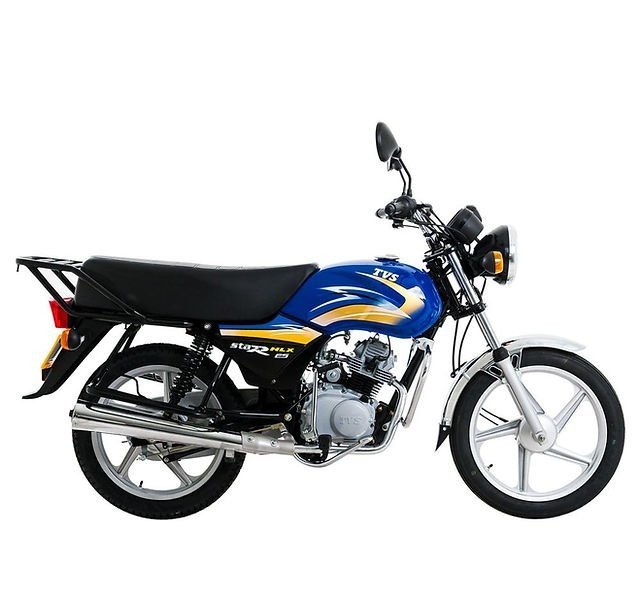
Among the models dominating the commercial transport space is the TVS Star HLX series, offered in variants such as the 100ES, 100KS, 125cc and 150cc models. Riders have widely embraced the Star HLX due to its rugged design and reputation for enduring rough terrain and heavy usage. Its visibility across highways, urban streets and inter-community routes has made it one of the most recognized motorcycles in Sierra Leone’s transport ecosystem.

For smaller businesses and household users seeking cost-effective mobility, the TVS XL 100 moped is also gaining traction. Known for its fuel-saving performance and practical structure, the XL 100 has proven useful for short and medium-distance travel, as well as everyday commercial duties such as transporting supplies within market areas. Its design, including a spacious footrest and solid build, has made it particularly attractive to petty traders and informal sector operators who depend on consistent movement throughout the day.

In the category of riders looking for a combination of performance and comfort, demand is steadily rising for the TVS Victor motorcycle. Many users describe the Victor as a balanced machine with a strong blend of efficiency, stability and style, reflecting a growing consumer shift toward motorcycles that can deliver both dependable work performance and a modern appearance.

Within major urban centres where traffic congestion often slows movement, the TVS Jupiter scooter has emerged as a preferred option for commuters who prioritize comfort and easy navigation. Riders say its smooth handling, user-friendly design and stable seating make it suitable for daily city commuting, especially for those who want a more relaxed riding experience through narrow roads and crowded streets.

Younger riders and emerging motorcycle owners are also contributing to TVS market growth through increased interest in models such as the TVS NEO XR and the TVS ZT 125. These models are gaining recognition for their modern design, versatility and economical performance, making them appealing to customers who want motorcycles that deliver both style and practicality.

For riders attracted to high-performance machines with enhanced speed and control, TVS Apache variants including the TVS Apache RTR 200  are steadily building a strong following. Built with advanced engineering and responsive handling, the Apache line continues to attract riders who value fast acceleration, road grip and a bold riding experience.

In the multi-passenger segment, the TVS King Deluxe three-wheeler is also playing an increasing role in Sierra Leone’s shared transport system. Capable of carrying up to four passengers comfortably, the King Deluxe is being embraced by both commercial operators and families who rely on compact public transport for daily mobility and community travel.

Shalimar Trading’s expanding influence in the transport industry, stakeholders say, is not only linked to product variety but also to the company’s after-sales service delivery. The company provides customers with access to genuine spare parts and professional maintenance support through multiple service points in Freetown, including Lumley, Bai Bureh Road and Siaka Stevens Street. Riders say the availability of servicing options adds to customer confidence and supports long-term value for money.

Beyond TVS, Shalimar Trading also serves as a distributor for other internationally recognized automotive brands such as Suzuki, Sonalika International, Isuzu, CFMOTO and Leyland, strengthening its footprint in the wider automotive and industrial supply space. The company’s growing operations, including expansion into Liberia, are also seen as contributing to regional mobility development, job creation and broader economic activity.

As motorcycles and compact vehicles remain central to Sierra Leone’s transport and business landscape, Shalimar Trading and its partnership with TVS Motor Company continue to play a key role in shaping affordable mobility, providing machines designed to meet the realities of the road and the everyday demands of citizens. https://thecalabashnewspaper.com/shalimar-trading-solidifies-transport-market-influence-as-tvs-models-win-customer-trust/


High Court in Port Loko Delivers Tough Jail Terms in Sexual Abuse and Drug Cases
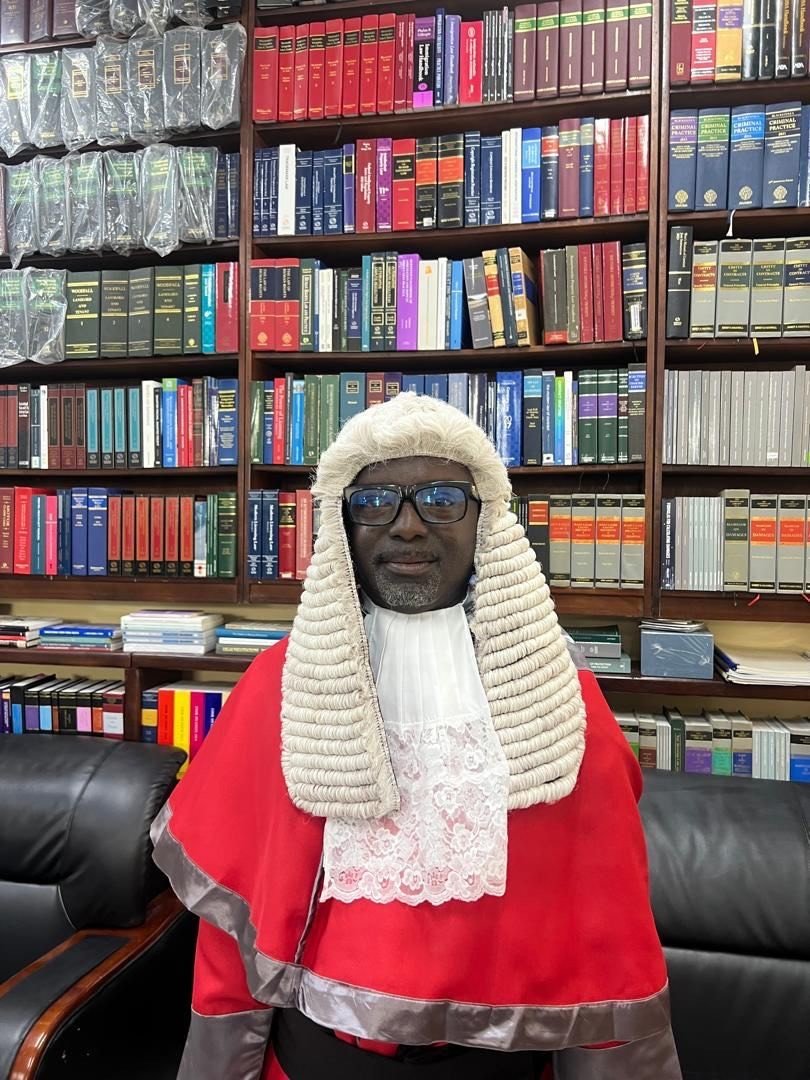
The High Court of Sierra Leone sitting in Port Loko District, presided over by Honourable Justice Sahr Elogima Kekura, on Friday, 23 January 2026, delivered heavy custodial sentences in two separate criminal matters involving sexual offences against a minor and drug-related crimes.

The rulings, delivered during proceedings at the High Court Holden in Port Loko, formed part of ongoing judicial efforts to strengthen accountability and deter serious crimes in the North-West region.

In the first matter, Abdul Kamara was sentenced to 20 years’ imprisonment after pleading guilty to three counts relating to sexual offences committed against a child.

Abdul Kamara was convicted of sexual penetration of a child, contrary to Section 19 of the Sexual Offences Act 2012, as amended by Section 4(iii) of the Sexual Offences (Amendment) Act 2019. He was also convicted of sexual touching of a child, contrary to Section 20(1)(a) of the Sexual Offences Act 2012, and meeting a child for sexual purposes, contrary to Section 23(1)(c) of the same law.

According to the prosecution, the offences occurred between 16 and 23 October 2025 at Rotifunk, Lungi, in the Port Loko District, where Abdul Kamara was alleged to have engaged in sexual penetration, sexual touching and deliberately arranged to meet the child for sexual purposes.

Abdul Kamara pleaded guilty to all charges. In his plea for mitigation, he told the court that he had learnt his lesson while in custody and promised never to repeat such conduct or engage in any further criminal activity. He appealed to the court to temper justice with mercy.

However, while acknowledging the guilty plea and the fact that Abdul Kamara did not waste the court’s time, Justice Kekura emphasized that the offences were grievous and required a strong sentence to serve as a deterrent.

“Taking into consideration your plea in mitigation and the nature of the offences, I hereby sentence you on count one for sexually penetrating a child to 20 years’ imprisonment, count two for sexually touching a child to five years, and count three for meeting a child for sexual purposes to five years,” the judge ruled.

The sentences are to run concurrently, meaning Abdul Kamara will serve a total of 20 years.

In a separate case heard by the same court, Justice Kekura sentenced Sama Koroma to 40 years’ imprisonment after she pleaded guilty to multiple drug-related offences involving cannabis sativa.

Sama Koroma faced two counts: unlawful possession of drugs, contrary to Section 8(c) of the National Drugs Control Act 2008 and selling prohibited drugs, contrary to Section 7(e) of the same Act.

The prosecution alleged that on 7 November 2025, at Door Area, Marampa Chiefdom, in the North-West Region, Sama Koroma was found in possession of dried leaves suspected to be cannabis sativa without lawful authority. She was also accused of selling 123.4 grams of cannabis sativa unlawfully.

Her defence counsel, M. Korie Esq. and T.P.M. Sowa Esq., appealed to the court for leniency, stressing that their client pleaded guilty at the earliest opportunity and did not waste the court’s time. They urged the judge to temper justice with mercy.

Despite the plea, Justice Kekura described the sale of dangerous drugs as one of the greatest threats confronting the nation, warning that drug trafficking destroys lives, communities and even the futures of those who engage in the trade.

While noting Sama Koroma’s guilty plea, the judge imposed a 40-year prison sentence, reflecting the seriousness of the offences and the need to deter others involved in similar illegal activities.

The rulings have been viewed as a strong message from the judiciary that crimes involving the abuse of children and the trafficking of prohibited substances will attract severe punishment under Sierra Leone’s laws. https://thecalabashnewspaper.com/high-court-in-port-loko-delivers-tough-jail-terms-in-sexual-abuse-and-drug-cases/


CHRDI Urges Leaders to Prioritise Citizens’ Rights in Constitutional Amendment Process
By Amin Kef (Ranger)

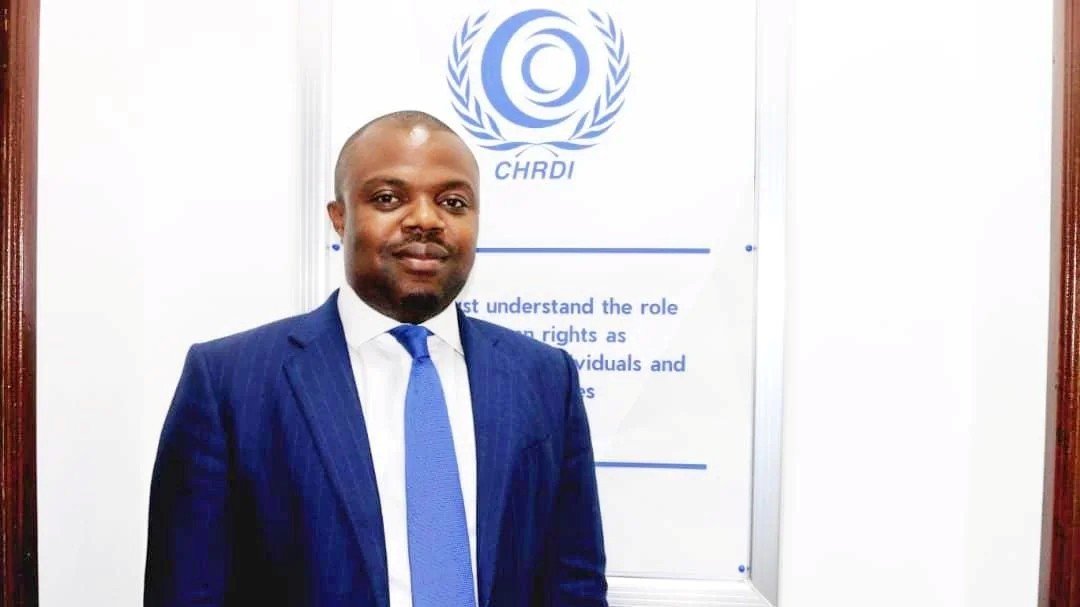
The Campaign for Human Rights and Development International (CHRDI) has issued a strong call on national leaders to place the interests of ordinary Sierra Leoneans above partisan considerations as the country intensifies efforts to amend the 1991 Constitution and reform its electoral system. In a newly released policy brief titled: “Democratization in Sierra Leone: Challenges and Opportunities in Constitutional Review and Electoral Reform,” the rights-based advocacy organisation warned that electoral reforms, if poorly designed or politically manipulated, could become a “trapdoor for democracy” instead of a pathway to stronger governance.

CHRDI’s policy brief arrives at a critical moment when Sierra Leone is confronting deep questions about electoral integrity, public confidence in the democratic process and whether upcoming reforms will strengthen the nation’s political institutions or undermine multiparty competition. The organisation said constitutional and electoral reforms must serve the people by protecting fundamental rights, safeguarding electoral fairness and ensuring national unity rather than being shaped to satisfy narrow political interests.

In the brief, CHRDI highlighted that Sierra Leone’s Constitution remains the backbone of the country’s governance structure, providing the legal basis for the separation of powers between the Executive, Legislature and Judiciary while guaranteeing human rights protections and democratic principles. The group noted that the 1991 Constitution affirms presidential authority, legislative functions and judicial independence, as well as the protection of citizens’ fundamental freedoms and the pursuit of social justice.

However, CHRDI stressed that strong constitutional provisions alone are not enough if implementation is weak or compromised. The policy brief pointed to long-standing national challenges, including governance divisions rooted in over-centralization of power and resources and political tensions that often surface during election periods.

According to CHRDI, democratic progress must be measured by whether citizens can truly exercise their rights without fear, intimidation, exclusion or manipulation, especially during elections; the defining moments of representation and national direction.

CHRDI acknowledged that Sierra Leone’s ongoing constitutional review process, initiated in 2021, represents an important attempt to modernize governance by addressing issues such as executive power, judicial independence and the strengthening of human rights protections. At the same time, the organisation noted that electoral reform laws enacted in 2022 were aimed at improving transparency, strengthening voter registration accuracy and tightening candidate eligibility screening.

But the organisation cautioned that electoral reform is not automatically democratic simply because it is branded as reform. It argued that electoral laws can either build public trust or deepen national frustration, depending on their fairness and the sincerity of the process that produces them.

CHRDI explained that electoral reform can introduce important measures such as sanctions against electoral intimidation, rules for converting votes into seats and regulations on the use of money in politics; tools that can increase accountability and representation. Yet, it warned that reforms can also become weapons for political advantage if they are designed to restrict participation or concentrate power.

The policy brief placed significant emphasis on the political tensions that followed Sierra Leone’s 2023 elections, describing them as contested and deeply divisive, ultimately requiring an Agreement for National Unity to ease hostility between the ruling Government and the opposition All People’s Congress.

CHRDI recalled that the Agreement for National Unity helped reduce political and security tensions, encouraged cross-party dialogue, supported the return of the opposition into Government bodies and led to the creation of a Tripartite Committee to review electoral systems to make future elections more inclusive and fair.

However, CHRDI argued that national unity agreements should not merely calm crises but must inspire real reforms that close electoral loopholes and prevent similar disputes from repeating. The organisation maintained that Sierra Leone’s democratic stability depends on reforms that are transparent, inclusive and trusted by all sides.

One of the central concerns raised in CHRDI’s policy brief relates to provisions contained in the 2025 draft constitutional amendments bill, which the organisation believes contains significant gaps and risky proposals. Among the issues highlighted are the lack of inclusion of persons with disabilities in the nomination and search committee, timelines that CHRDI described as unrealistic for petitions and inadequate clarity on the requirements for independent presidential candidates.

The organisation also criticized proposals that appear to remove political parties that fail to win national elections in two consecutive cycles, warning that such measures could weaken multiparty democracy and become an undemocratic manipulation of electoral outcomes.

CHRDI further indicated that while Government officials have stated that the draft bill draws from the Agreement for National Unity and the constitutional review process, the broader public needs stronger education and awareness to fully understand what is being proposed and how it may impact their democratic rights.

CHRDI’s policy brief recognized that the proposed Constitution of Sierra Leone (Amendment) Act 2025 contains some potentially positive reforms, including a 30% gender quota, clearer election schedules, limits on certain presidential powers and provisions relating to the political neutrality of security forces.

Despite those positives, the organisation warned that the bill also raises serious concerns about the possibility of increased power concentration, weakened separation of powers, threats to political pluralism, expanded judicial authority and challenges in implementation.

CHRDI argued that a reform process that strengthens one aspect of governance while undermining others may ultimately do more harm than good. It insisted that constitutional changes must be rooted in democratic principles and must not leave room for future Governments to exercise unchecked authority in ways that could endanger the country’s political progress.

CHRDI emphasized that electoral reform is never a one-man process, describing it as complex and involving many actors including the Executive, Parliament, election management bodies and agencies responsible for administration. The organisation also underlined the vital role of political parties, media institutions and civil society organisations in reviewing, monitoring and advocating for credible reforms.

The organisation said its advocacy is grounded in the belief that the success of democratic reform must be judged by the confidence citizens have in the process, especially because Sierra Leone continues to experience “very low confidence” in Government and politicians.

CHRDI warned that reform efforts that produce only temporary fixes and fragmented solutions risk leaving the country stuck in cycles of dissatisfaction, mistrust and political tension.

The policy brief traced Sierra Leone’s constitutional reform history through key moments, noting that discussions around constitutional review and democratic consolidation have been intertwined with the country’s political journey, including post-election violence and periods of instability.

CHRDI recalled that the 1991 constitutional review process was linked to wider peacebuilding efforts, including the 1999 Lomé Peace Accord, while the Truth and Reconciliation Commission in 2002 urged a broad and participatory constitutional review to help build a democratic society where laws protect all citizens.

The organisation further referenced past constitutional review efforts initiated in 2007 and revived in 2013, including the formation of committees and support from development partners such as the United Nations Development Programme, UN Women, the United Kingdom and the European Union.

CHRDI cautioned that failure to implement credible electoral reform recommendations may worsen existing weaknesses, threaten human rights and damage the credibility of elections locally and internationally. It warned that international partners could react negatively in ways that affect cooperation, aid or trade relations.

As part of its policy recommendations, CHRDI called for improvements in the electoral dispute system and urged reforms that enhance fairness without restricting participation. The organisation recommended that the timeline for hearing and determining presidential election petitions should be increased to at least 20 days to ensure adequate legal consideration.

It also proposed the establishment of a proper Electoral Dispute Resolution Act to handle disputes that may emerge across the entire electoral cycle rather than relying on weak or inconsistent mechanisms.

CHRDI further urged clarity on the financial capacity requirements and community support criteria required for independent presidential candidates.

Additionally, it called for inclusive representation in nomination and search committees, including persons with disabilities and demanded greater transparency in how selection criteria and representation categories are determined.

On political parties, CHRDI strongly urged the Government to reconsider any amendment that deregisters political parties simply because they fail to win two consecutive national elections, stressing that such measures contradict the spirit of multiparty democracy and could undermine democratic competition.

CHRDI concluded by reaffirming its identity as a rights-based social policy advocacy organisation working to ensure duty-bearers uphold human rights while enabling citizens to claim their rights. The organisation noted that it holds Special Consultative Status with the United Nations Economic and Social Council and is accredited to several UN agencies.

With Sierra Leone’s leaders moving forward with constitutional amendments and electoral reforms, CHRDI’s message remains firm: the process must prioritize the people, protect democratic freedoms and strengthen institutions to deliver credible elections that unite, not divide, the nation. https://thecalabashnewspaper.com/chrdi-urges-leaders-to-prioritise-citizens-rights-in-constitutional-amendment-process/
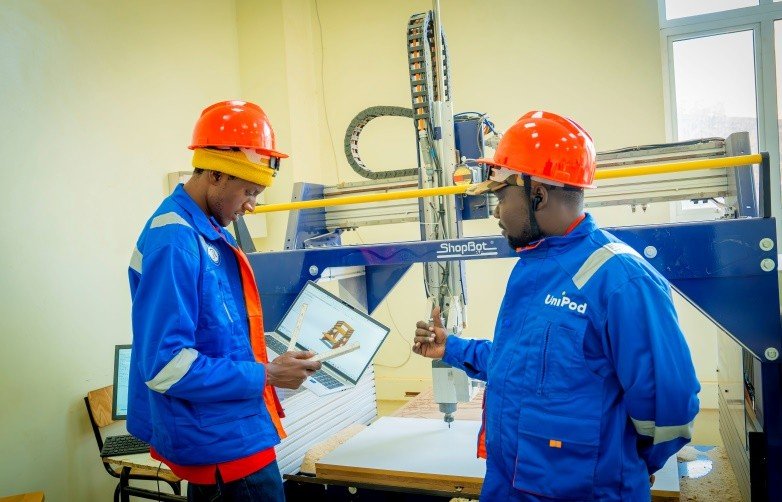

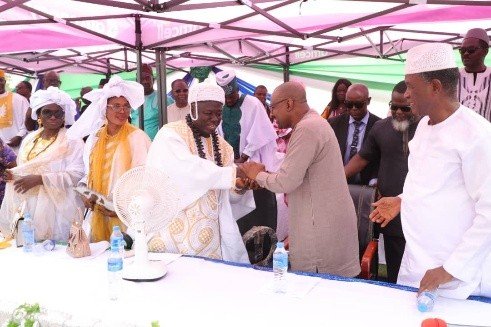
Magistrate Daboh Commits ‘Gaza’ Murder Case to High Court in Kenema
The Magistrate Court No.1 in Kenema, presided over by His Worship Magistrate Hadiru Daboh, has on January 21, 2026 committed three defendants to the High Court of Sierra Leone to stand trial over separate criminal allegations ranging from murder to housebreaking and malicious damage.

The defendants are Ansu Goba alias “Gaza”, an 18-year-old Sierra Leonean pupil residing at Talia Torgboma Village in the Kenema Judicial District; Moseray Kamara, a 20-year-old unemployed Sierra Leonean of Kingsway Street, Kenema; and Samai Blango, a 20-year-old miner from Largo Town, Nongowa Chiefdom, Kenema Judicial District.

In the first matter, Ansu Goba was arraigned before the court on one count of murder. The prosecution, led by Assistant Superintendent of Police (ASP) Sulaiman Kamara Esq, alleged that on October 27, 2025, at Mano-Kortuma Village, Nongowa Chiefdom, within the Kenema Judicial District in Sierra Leone’s Eastern Province, the accused allegedly murdered Kemoh Sesay Mannah.

No plea was taken from the accused during the committal proceedings, and the court noted that there was no legal representation for the defendant at the time. Magistrate Daboh ordered that Ansu Goba be remanded at the Sierra Leone Correctional Centre (SLCC) in Kenema pending trial, while the matter was formally committed to the High Court.

In a separate case, Moseray Kamara, also known as “Ice Boy,” was accused of allegedly breaking and entering the dwelling house of Samuel Lavallie and stealing the sum of Sixty-Eight Thousand New Leones (NLe 68,000). The alleged offence reportedly occurred on December 19, 2024, at Benduma-Meima Villages, Malegohun Chiefdom, in the Kenema Judicial District.

Meanwhile, Samai Blango was arraigned on two counts, including housebreaking contrary to Section 27(2) of the Larceny Act 1916, and malicious damage contrary to Section 51 of the Malicious Damage Act 1861.

According to the prosecution, led by Inspector Alphan Samuel Musa and in proceedings associated with Defence Counsel Banie E. Sesay Esq, the accused on December 12, 2025, at Largo Town in Kenema District, allegedly broke and entered the dwelling house of Fatmata Kabba with intent to commit a felony.

The prosecution further alleged that on the same date and at the same location, Samai Blango maliciously damaged one steel window valued at Three Thousand Five Hundred New Leones (NLe 3,500), property belonging to the said Fatmata Kabba.

As in the other matters, no plea was taken, and the court noted that the defendant had no legal representation at the time of committal. Samai Blango was subsequently remanded at the SLCC in Kenema, while his case was committed to the High Court for trial.

The committal of the three defendants now clears the way for the High Court of Sierra Leone to hear the matters and determine the outcomes in accordance with the law. https://thecalabashnewspaper.com/magistrate-daboh-commits-gaza-murder-case-to-high-court-in-kenema/


 German Minister & Delegation End Field visit to WFP’s Home-grown School Feeding site in Karene District
By Foday Moriba Conteh

As part of efforts to assess the impact of German-funded development programmes in Sierra Leone and to interact with beneficiaries, Germany’s Federal Minister for Economic Cooperation and Development, Ms. Reem Alabali-Radovan, on Thursday, 22 January 2026, concluded a field visit to WFP’s Home-grown School Feeding Programme in Gbinti, Dibia Chiefdom, Karene District. She was accompanied by a high-level delegation comprising members of the German Parliament, senior officials from her Ministry and representatives of partner institutions.

The delegation first visited an orange-fleshed sweet potato farm, where local farmers shared their experiences under the Home-Grown School Feeding Programme. Farmers highlighted improved market access, predictable demand and increased income as major benefits of supplying produce to schools. They also discussed challenges such as climate variability and access to inputs, while reaffirming their commitment to sustaining local food production.

The visit continued at Roman Catholic Primary School in Gbinti, where Minister Alabali-Radovan symbolically inaugurated newly constructed school food stores and kitchens. The facilities are part of infrastructure improvements funded by the German Government in all 115 beneficiary schools across Karene District. The kitchens are equipped with energy-efficient stoves that use about 44 percent less firewood than traditional three-stone cooking methods, helping to reduce pressure on forests, lower cooking costs and improve safety and efficiency in school feeding operations.

The Government of Germany, in partnership with the World Food Programme (WFP), is supporting more than 25,000 primary school pupils in Karene District through a Home-Grown School Feeding Programme that combines child nutrition with local economic empowerment.

The programme, which currently covers 115 primary schools across the district, sources food locally including rice, orange-fleshed sweet potatoes and vegetables from farmers within Karene. By linking schools directly to local producers, the initiative has injected thousands of dollars into the rural economy while creating livelihood opportunities for women and young people engaged in agriculture and food supply chains.

Speaking during the ceremony, Minister Alabali-Radovan reaffirmed Germany’s long-standing partnership with Sierra Leone, with a strong focus on food security, education and youth development. She said the visit was deliberately designed to go beyond political engagements in Freetown and allow her to see firsthand how projects are benefiting communities at the grassroots.

“We have had cooperation with Sierra Leone for quite a few years now,” she said, noting that Germany works closely with the Government of Sierra Leone and WFP to implement school feeding programmes nationwide. “It was important for me to see how these projects are doing on the ground and to speak directly with children, women and farmers who are part of them.”

She stressed that school feeding programmes do more than improve education outcomes, explaining that well-fed children are more attentive in class and more likely to grow into productive and responsible citizens. She also highlighted the economic value of sourcing food locally, which supports farmers, creates jobs and strengthens community resilience.

The German Minister further disclosed that her Ministry recently launched a new agenda with a strong global focus on food security and the wellbeing of children and young people. According to her, initiatives such as the Home-Grown School Feeding Programme bring together education, nutrition and livelihoods in a sustainable way.

“Supporting food security and school feeding ensures that children have the energy to attend school every day and pursue their dreams,” she said, adding that Germany is keen to expand sustainable models that rely largely on locally sourced food.

Andrew Odero, WFP Country Representative in Sierra Leone, described the Minister’s visit as timely, coming at a critical moment as WFP rolls out a new Country Strategic Plan covering 2026 to 2030. He announced that WFP plans to expand school feeding to reach an additional 100,000 children nationwide over the next four years.

He explained that WFP is increasingly shifting from direct assistance toward strengthening national systems to ensure long-term sustainability. He said the Home-Grown School Feeding Programme, supported by Germany’s Federal Ministry for Economic Cooperation and Development, is a key pillar of this approach.

“Karene District is among the areas most affected by food insecurity during the lean season,” he said. “School meals act as a safety net for vulnerable families while ensuring that children can attend school and learn without hunger.”

He noted that schools now serve as reliable markets for local farmers, creating predictable demand for locally produced food. WFP, he added, is also investing in storage facilities, clean cooking solutions and digital payment systems to ensure farmers are paid on time, even in remote areas.

Looking ahead, Andrew Odero said WFP aims to increase Home-Grown School Feeding coverage to about 75 percent of supported schools, up from the current 30 percent, while expanding the range of locally procured foods. He disclosed that the Government of Sierra Leone is considering introducing eggs into school meals to improve children’s protein intake.

Minister of Basic and Senior Secondary School Education, Conrad Sackey, described education as Sierra Leone’s greatest national wealth and stressed that learning cannot thrive where hunger persists. He said the Home-Grown School Feeding Programme reflects President Julius Maada Bio’s twin priorities of “Feed Salone” and “Feed the Mind.”

According to him, the programme strengthens local value chains, boosts rural economies and reduces dependency by sourcing food directly from Sierra Leonean farmers. He emphasized that a well-nourished child is better prepared to learn, innovate and lead, adding that school feeding has improved enrolment and attendance, especially for girls.

Minister of Planning and Economic Development, Ms. Kenyeh Barlay, commended Germany for demonstrating a people-centred approach to development that benefits communities beyond the capital. She said the initiative aligns closely with the Government’s Big Five Game Changers Agenda, particularly Feed Salone and Human Capital Development.

She noted that linking food security with education is central to national development, as nutritionally well-fed children achieve better learning outcomes and contribute more effectively to long-term growth. She also acknowledged that partnerships with development actors are essential in expanding coverage, especially amid global economic pressures.

Minister of State for the North West Region, Umaru B. Wurie, praised the collaboration between Germany and WFP, noting that school feeding has significantly improved school attendance in the region. He appealed for continued support, particularly for farmers facing climate-related challenges such as irregular rainfall.

Earlier, the Paramount Chief of Dibia Chiefdom, Bai Sheka Bundu, welcomed the delegation and described the visit as a historic moment for the chiefdom. He said the programme has improved school attendance, strengthened learning outcomes, and created economic opportunities for local farmers, women, and youths. He assured partners of the community’s commitment to sustaining the initiative.

The Head Teacher of Roman Catholic Primary School in Gbinti, Edward G. Kamara, said the programme has improved pupil motivation, attendance and overall learning outcomes. He described the newly constructed store and kitchen as a permanent investment in both education and child welfare.

The visit concluded with the symbolic inauguration of the school food stores and kitchens, marking another milestone in efforts to link food security, education and local development in Sierra Leone. https://thecalabashnewspaper.com/german-minister-delegation-end-field-visit-to-wfps-home-grown-school-feeding-site-in-karene-district/