Friday, 20 February 2026


Shalimar Trading Strengthens Grip on Mobility Market as TVS Demand Surges Nationwide
Shalimar Trading Company Limited is consolidating its position in Sierra Leone’s transportation sector as demand for affordable and reliable mobility continues to grow across the country.

Motorcycles have become a vital part of daily life in both urban centres and rural communities, serving as the backbone of commercial riding, goods delivery and small-scale trade. Within this expanding market, TVS-branded motorcycles are recording strong uptake among commercial riders, commuters and entrepreneurs who depend on dependable transport to sustain their livelihoods.

Industry observers attribute the sustained growth to Shalimar Trading’s strategic partnership with TVS Motor Company, which has ensured steady product availability and structured distribution nationwide. The collaboration has also strengthened after-sales support, enabling riders to access genuine spare parts and professional maintenance services, a factor many say has reinforced long-term customer confidence.

As the exclusive authorized distributor of TVS motorcycles, scooters, mopeds and three-wheelers in Sierra Leone, Shalimar Trading has positioned itself at the centre of a mobility shift driven by rising fuel costs and the need for efficient transport solutions. Commercial riders in particular are increasingly selecting motorcycles known for durability, low fuel consumption and the ability to withstand challenging road conditions.

The TVS Star HLX range remains one of the most widely used models across the country. Available in multiple engine variants, the motorcycle has built a reputation for resilience on both paved highways and rugged rural routes. Many operators describe it as a reliable workhorse capable of enduring heavy daily usage.

The TVS XL 100 moped is also gaining traction, especially among traders and households seeking simple and economical transport for short-distance errands. Its fuel efficiency and practical design have made it a common sight in busy marketplaces and residential communities.

In the mid-range segment, the TVS Victor motorcycle is attracting riders who want a blend of comfort and performance, while the TVS Jupiter scooter is drawing increasing interest from urban commuters. In cities such as Freetown, where traffic congestion remains a persistent challenge, the scooter’s manoeuvrability and ease of handling are seen as clear advantages.

Younger riders and new entrants into commercial riding are turning to models such as the TVS NEO XR and TVS ZT 125, which combine modern styling with economical performance. At the premium end of the market, the TVS Apache series, including the Apache RTR 200, continues to appeal to performance-oriented riders seeking enhanced speed and responsive handling.

In the shared transport sector, the TVS King Deluxe three-wheeler is becoming more visible on major streets and intercity routes. With its passenger-carrying capacity and relatively low operating costs, the vehicle is increasingly viewed as a practical alternative for affordable town transport services.

Beyond sales, stakeholders point to Shalimar Trading’s investment in after-sales infrastructure as a key pillar of its market expansion. Service centres located in Lumley, Bai Bureh Road and Siaka Stevens Street provide access to genuine spare parts and certified maintenance, helping to extend vehicle lifespan and protect rider incomes.

The company’s portfolio extends beyond TVS products to include other international automotive and industrial brands such as Suzuki, Sonalika International, Isuzu, CFMOTO and Leyland. Its growing operations, including expansion into Liberia, are contributing to employment creation and technical skills development within the region.

With mobility increasingly tied to economic opportunity, Shalimar Trading’s footprint in Sierra Leone’s transport landscape continues to deepen, positioning TVS motorcycles at the heart of everyday commerce and movement nationwide. https://thecalabashnewspaper.com/shalimar-trading-strengthens-grip-on-mobility-market-as-tvs-demand-surges-nationwide/


PAC Secures Over NLe 24 Million in Recoveries from MDAs During 2023 Audit Review
By Amin Kef (Ranger)

The Deputy Speaker of Parliament and Chairman of the Public Accounts Committee (PAC), Hon. Ibrahim Tawa Conteh, has announced that the Committee secured total domestic recoveries amounting to NLe 24,025,499.86 from various Ministries, Departments and Agencies (MDAs) during its public hearings on the 2023 Auditor-General’s Report.

Hon. Ibrahim Tawa Conteh made the disclosure on Tuesday, 17 January 2026, while presiding as Acting Speaker of Parliament following the tabling of the PAC Reports by the Committee’s Deputy Chairman, Hon. PC Desmond Kargobai. The announcement marked a significant milestone in Parliament’s oversight efforts aimed at strengthening accountability and safeguarding public funds.

According to the Deputy Speaker, the recoveries were paid directly into Government-designated accounts as a result of rigorous scrutiny and enforcement actions undertaken by the Committee during its review process. He further revealed that the PAC facilitated the resolution of outstanding obligations owed to the Government of Sierra Leone, including a USD 760,000 royalty settlement from Zoodlabs relating to the management of the national fibre landing station.

Hon. Ibrahim Tawa Conteh noted that beyond the financial recoveries, the Committee achieved notable progress in addressing audit findings across MDAs. He stated that more than sixty percent of the audit issues examined during the hearings were either fully resolved or substantially resolved through corrective actions and compliance measures implemented by the affected institutions.

With regard to Local Councils, he disclosed that thirty-four audit issues, representing 42 percent of the matters reviewed, were fully resolved following documentary submissions, management responses and remedial steps taken by council authorities.

Describing the outcome as a demonstration of effective parliamentary oversight, Hon. Ibrahim Tawa Conteh commended Members of the Public Accounts Committee for what he termed an outstanding performance by the Sixth Parliament in enforcing financial discipline and recovering public funds. He emphasized that the success of the PAC process was rooted in deliberate collaboration among parliamentary oversight bodies, particularly the Finance Committee and the Transparency and Accountability Committee.

He urged the Finance Committee and the Transparency and Accountability Committee to sustain engagement on outstanding matters and to produce detailed reports on negotiated settlements to ensure full compliance. According to him, the values and ethos of the Sixth Parliament must translate into measurable improvements in public financial management and enhanced service delivery for citizens.

The Deputy Speaker also expressed appreciation to the Rt. Hon. Speaker Segepoh Solomon Thomas, the leadership of Parliament, Honourable Members and members of the PAC for their support throughout the oversight exercise.

He underscored that the public hearings on the 2023 Auditor-General’s Report reaffirm Parliament’s constitutional mandate to hold public institutions accountable. The PAC Reports, he added, provide a comprehensive assessment of the financial performance of MDAs and Local Councils, while identifying systemic weaknesses requiring corrective action.

Hon. Ibrahim Tawa Conteh concluded that the Committee’s work reflects the Sixth Parliament’s firm commitment to transparency, accountability and sound public financial management in pursuit of national development objectives. https://thecalabashnewspaper.com/pac-secures-over-nle-24-million-in-recoveries-from-mdas-during-2023-audit-review/


SLURC Marks 10 Years of Urban Research, Community Partnership and Policy Impact
By Amin Kef (Ranger)

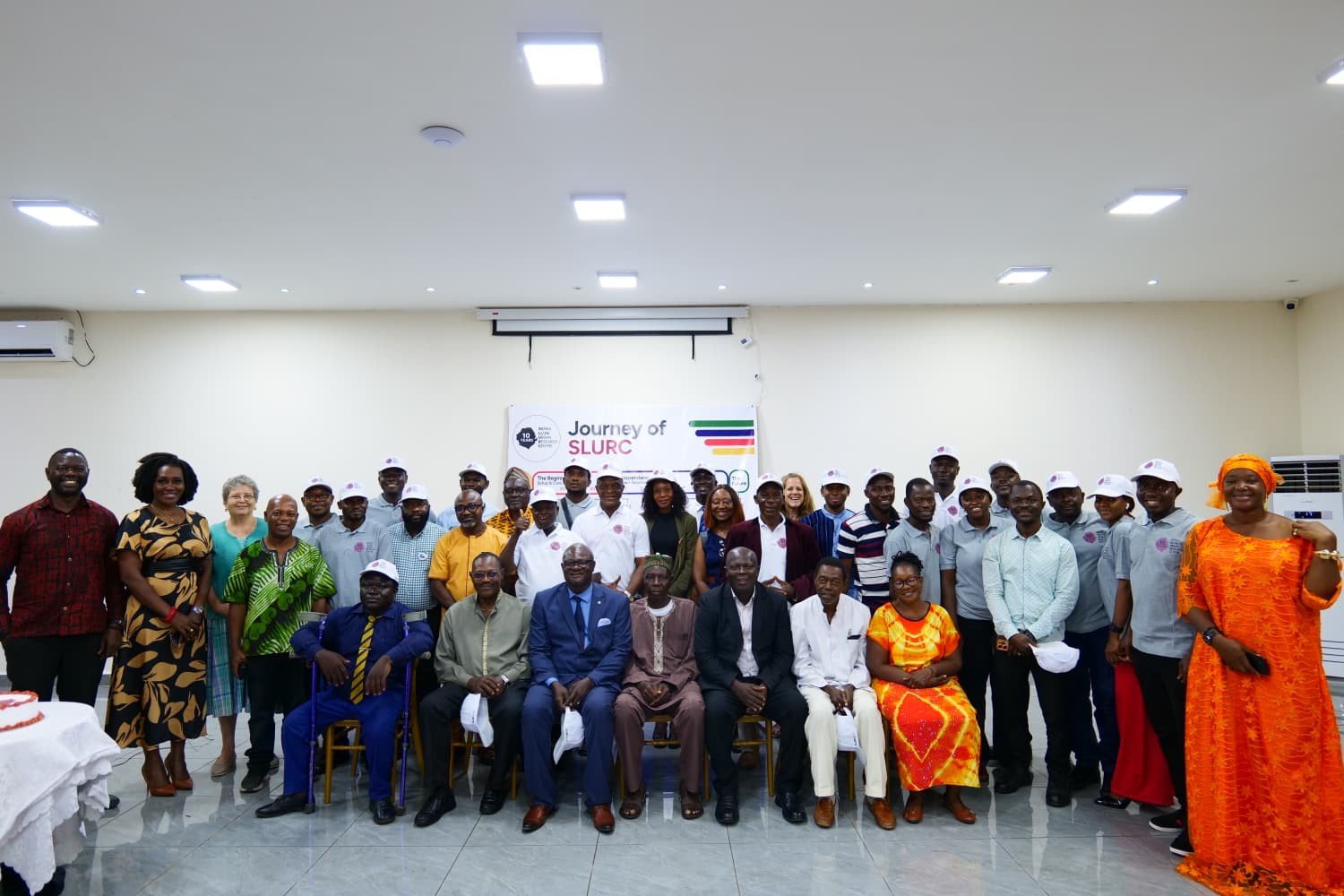
The Sierra Leone Urban Research Centre (SLURC) has commemorated its 10th anniversary with a high-level gathering of Government officials, academics, civil society leaders, development partners, community representatives and members of the media, reaffirming its commitment to evidence-based urban development and inclusive city planning.

Held on Monday, February 16, 2026, at the New Brookfields Hotel in Freetown under the theme: “A Decade of Urban Knowledge and Transformation,” the event celebrated ten years of research, advocacy and institutional growth that have helped reshape national conversations around urbanization, informal settlements and climate resilience.

The ceremony reflected on SLURC’s journey from a modest research initiative in 2015 to a nationally recognized urban knowledge hub influencing policy, strengthening local capacity and promoting community-led development.

Delivering the Opening and Welcome Address, Director of Research and Training, Braima Koroma, described SLURC’s founding in 2015 as “a bold idea—that research and community voices could come together to shape better cities.”

What began as a partnership between the Bartlett Development Planning Unit at University College London (UCL) and the Institute of Geography and Development Studies at Njala University, with core funding from Comic Relief (UK), has evolved into one of Sierra Leone’s most influential urban research institutions.

“We began in four informal communities in Freetown,” Braima Koroma recalled. “Today, our reach extends across informal settlements and secondary cities nationwide.”

He emphasized that SLURC’s growth has been anchored in three principles: sound and timely evidence, capacity building as the foundation for lasting change and inclusion as a moral imperative rather than a mere methodology.

Quoting a community leader from SLURC’s early years, Braima Koroma reminded the audience: “Research is not useful if it stays on paper—it must live in our streets and homes, and in the decisions that shape our future.”

In his presentation titled: “The Journey of SLURC,” Executive Director Dr. Joseph M. Macarthy situated the Centre’s work within the broader context of Sierra Leone’s rapidly urbanizing landscape.

According to him, Cities are expanding at unprecedented rates. Informal settlements are growing. Pressure on housing, sanitation, land tenure systems and infrastructure continues to intensify. A decade ago, urban policy-making was constrained by fragmented and inconsistent data, weak analytical systems and limited institutional capacity for spatial planning.

SLURC was established to confront those structural gaps, he pointed out.

A 2013 feasibility study by Njala University and UCL had revealed that urban data in Sierra Leone was sparse, inconsistently disaggregated and insufficient to guide effective planning. Against the backdrop of Africa’s projected 900 million additional urban dwellers by 2050, the absence of reliable evidence posed serious risks, the Executive Director informed.

With its official launch in Freetown in 2016 and its international debut the same year at the UN-Habitat III Conference in Quito, Ecuador, SLURC signaled its ambition to connect local urban realities to global conversations, he furthered.

Over the past decade, the Centre has expanded from four to nine thematic research areas. It has grown from engagement in four informal settlements to sustained partnerships in 20 settlements and eight secondary cities across Sierra Leone.

Beyond research outputs, SLURC’s defining contribution lies in translating evidence into practical change.

Its policy briefs, research reports, documentaries and academic publications have informed municipal planning processes and national development debates. Through City Learning Platforms and national urban conferences, the Centre has created spaces where evidence is debated, adapted, and applied.

Dr. Joseph M. Macarthy stressed that SLURC’s most significant achievement may be the trust it has cultivated.

“In informal settlements and municipal offices alike, we have elevated visibility and facilitated dialogue between residents and authorities,” he said.

Communities have used data to negotiate for safer housing, tenure security and development initiatives. City authorities have drawn on SLURC-supported evidence to strengthen flood resilience planning. Young researchers trained through SLURC programmes have carried skills back into universities and local communities.

Academic collaborations have also deepened capacity building. An MSc partnership launched in 2017 has engaged 120 students, while a 2018 Massive Open Online Course reached 6,900 participants globally. In 2025, SLURC forged a learning alliance with the University of Namibia and Imperial College London, reinforcing its international partnerships.

One of the most powerful moments of the anniversary celebration came through community-led skits on mangrove restoration.

The first dramatization depicted a failed project designed without local input; saplings planted out of season, disregard for tidal knowledge and eventual collapse of the initiative.

The second illustrated SLURC’s co-production model. By working with fishers, women’s groups, environmental agencies and local councils, the project integrated traditional knowledge with scientific data, identified appropriate planting zones and aligned restoration efforts with alternative livelihood support.

The result was higher sapling survival, community guardianship and stronger institutional buy-in.

The message was clear: when evidence is built with communities rather than imposed upon them, outcomes are more durable ecologically, socially and economically.

The anniversary ceremony also featured a recognition segment honoring institutions and individuals who have contributed to SLURC’s progress.

The Federation of Urban and Rural Poor (FEDURP), represented by National Chairperson Yirah Conteh, was celebrated for grassroots advocacy and amplifying community voices.

Academic and governance partners honored included Dr. Alhaji Njai for scholarly collaboration; Madam Haja Lukay of Bo City Council for advancing sustainable city governance; and Dr. Alphajor Cham of the Ministry of Lands, Housing and Country Planning for bridging institutions through collaborative leadership.

SLURC Board Member and CODOHSAPA founder Francis Reffell was recognized for fostering inclusive dialogue. Dr. Percy Toriro, Urban Planning Advisor to the Resilient Urban Sierra Leone Project at the Ministry of Finance, received acknowledgment for strategic guidance.

Within the institution, Senior Finance Administrator Rashid Smart was honored for financial stewardship, while Dr. Abu Conteh received an Outstanding Award for excellence, dedication and mentorship.

The media’s role in amplifying urban issues was also underscored.  Amin Kef Sesay, Proprietor and Managing Editor of The Calabash Newspaper, was recognized for public-interest journalism that brings evidence and community voices into national discourse on inclusive urban development.

Finally, founders Braima Koroma and Dr. Joseph M. Macarthy were honored for strategic leadership and pioneering vision in establishing SLURC as a hub of urban knowledge.

While celebrating achievements, the leadership acknowledged ongoing challenges. Urban research capacity in Sierra Leone remains relatively young. Specialist expertise is limited. Gender disparities persist. Staff retention and funding sustainability remain concerns.

Data systems, though strengthened, require continued investment in disaggregation, methodological rigor and effective policy translation.

Dr. Joseph M. Macarthy described that candid reflection as a sign of institutional maturity.

“Urban transformation demands courage, innovation and collaboration,” he said. “We cannot shy away from the challenges.”

SLURC’s new Strategic Plan commits to expanding mentorship programmes, deepening learning alliances, embedding climate risk reduction into planning and strengthening open, ethical data practices.

Perhaps most ambitiously, the Centre is preparing for a transition toward private university status, integrating postgraduate teaching with applied research to train the next generation of Sierra Leonean and African urban professionals.

In a country where urban populations are growing rapidly and three-quarters of residents are under the age of 35, institutions that bridge evidence and implementation are increasingly indispensable.

As the ceremony concluded, Braima Koroma delivered a message that captured both gratitude and resolve:

“Ten years behind us, a lifetime ahead. Together, we build cities of dignity, resilience and hope.”

Francis Reffell delivered the closing remarks in his capacity as a board member.

For Sierra Leone, SLURC’s first decade demonstrates that when knowledge is public, when stakeholders learn together and when communities help shape priorities, urban transformation is not merely aspirational; it is already unfolding. https://thecalabashnewspaper.com/slurc-marks-10-years-of-urban-research-community-partnership-and-policy-impact/



Sierra Leone Secures Major Mining Investments at 2026 Indaba as Mines Minister Champions Sustainable Growth
Sierra Leone has recorded what officials describe as its most successful participation yet at the 2026 Investing in African Mining Indaba, with landmark financing agreements, strategic global engagements and renewed investor confidence in the country’s mining sector.

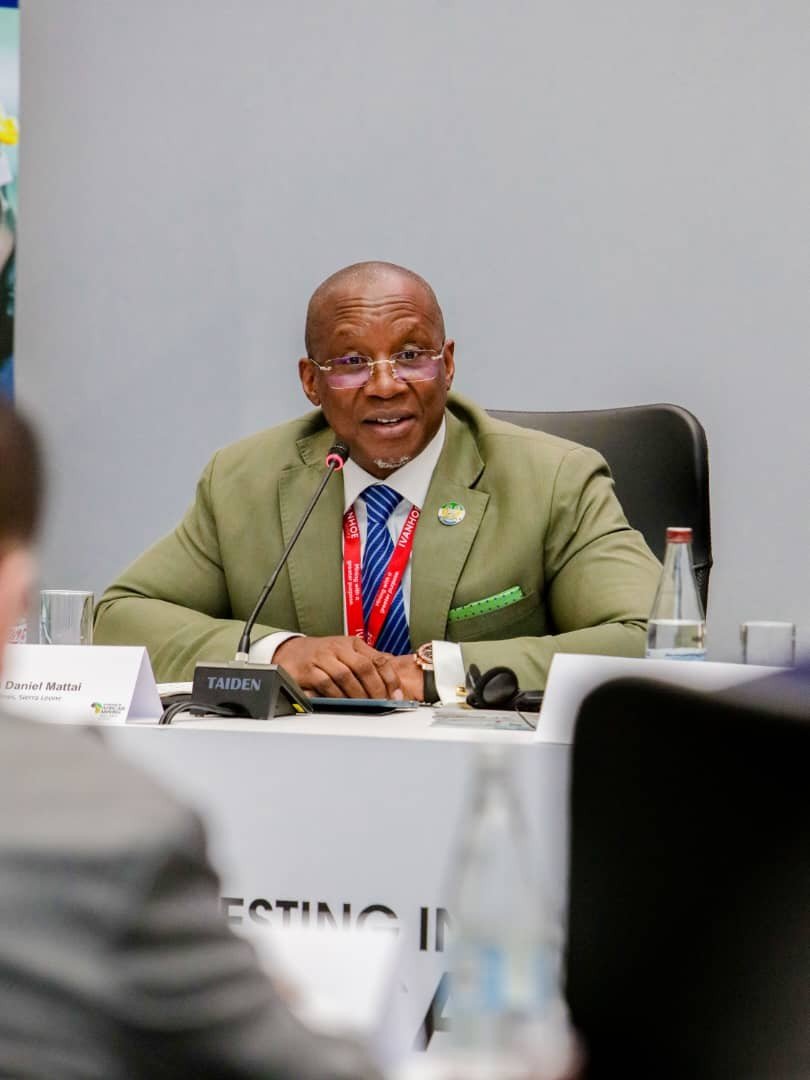
Minister of Mines and Mineral Resources, Julius Daniel Mattai, led the Sierra Leone delegation to Cape Town, South Africa, from 9th to 12th February 2026, where the country showcased its mineral potential and reform agenda before global investors, financiers and policymakers. The four-day event culminated in major financial commitments expected to significantly boost production, employment and sustainable development within the sector.

At the heart of Sierra Leone’s participation were two major financing agreements facilitated by Ecobank, injecting substantial capital into the mining industry. On the opening day of the Indaba, Ecobank announced a USD 25 million facility in partnership with Meya Mining Company. The agreement is expected to accelerate Meya Mining’s transition from early-stage development to full commercial production in the Kono diamond belt.

Describing the agreement as a “landmark in our collective journey to transform Sierra Leone’s rich mineral endowment into broad-based and lasting prosperity,” Minister Julius Daniel Mattai said the investment would create more than 400 direct jobs and thousands of indirect employment opportunities, with over 90 percent of beneficiaries projected to be Sierra Leoneans.

“This is not just about capital,” the Minister stated. “It is about families supported, children sent to school, health outcomes improved and communities strengthened through responsible mining.”

In a separate but equally significant development, Ecobank Sierra Leone, supported by Ecobank Ghana, entered into a USD 40 million syndicated financing agreement with Sierra Rutile Limited. The facility will fund the relocation of a modern mineral sands processing plant from Kenya to Sierra Leone as part of the Sembehun development project.

The relocation of the state-of-the-art plant is expected to boost productivity, enhance operational efficiency and generate sustainable employment, while stimulating local enterprise development and strengthening social infrastructure in host communities. Government officials say the Sembehun Expansion Project will deliver tangible benefits nationwide, particularly in mining communities.

Sierra Rutile’s recent transformation into the first 100 percent Sierra Leonean privately owned large-scale mining company, following its acquisition by Leonoil Company Limited, was also highlighted as a milestone for local participation and entrepreneurship in the extractive sector.

Beyond the financing deals, the Minister engaged in high-level discussions with diamond-producing Governments and stakeholders across the global diamond value chain. Central to those discussions was the Luanda Accord, which seeks to strengthen collaboration among African diamond-producing nations and stimulate global demand for natural diamonds.

Reaffirming Sierra Leone’s commitment to ethical and traceable diamond production, the Julius Daniel Mattai said the country remains dedicated to ensuring that its diamonds are associated with peace, transparency and shared prosperity.

“We are determined that our diamonds will no longer be linked to conflict or opacity, but to traceability, innovation and sustainable development,” he declared, noting that Sierra Leone continues to uphold international standards, including compliance with the Kimberley Process Certification Scheme.

The Mines Minister also acknowledged the reforms spearheaded by President Julius Maada Bio, crediting them with strengthening governance, enhancing transparency and restoring investor confidence in the mining sector. According to him, regulatory improvements and a focus on local value addition have positioned Sierra Leone as a credible and responsible mining jurisdiction.

Meya Mining Chief Executive Officer, Jan Joubert, and Ecobank’s leadership described the financing facility as a major milestone, underscoring the bank’s commitment to private sector growth and long-term partnerships in Sierra Leone.

In addition to the financing agreements, the Sierra Leone delegation held strategic meetings with global institutions, including the World Bank, the Africa Finance Corporation (AFC) and the United States International Development Finance Corporation (DFC), aimed at unlocking further investment into the country’s minerals sector.

Bilateral engagements with officials from the United States Department of State and the U.S. Trade and Development Agency focused on strengthening cooperation around critical minerals. U.S. officials reportedly expressed satisfaction with progress made in advancing agreements on critical minerals between the two countries.

Minister Julius Daniel Mattai emphasized that discussions around critical minerals must also address value addition, energy access and sustainable industrialization. He stressed that Sierra Leone seeks to move beyond exporting raw materials and instead capture greater value along the supply chain.

“As we discuss critical minerals, we must remember that Sierra Leone’s development is also critical,” he said, adding that stable energy supply and investment in processing infrastructure are central to long-term transformation.

The Minister also held engagements with mining giant Rio Tinto and representatives of the German Ministry of Economic Cooperation and Development to explore further collaboration and investment opportunities within the country’s mineral resources sector.

During a high-level roundtable hosted by Sustainable Energy for All and the Critical Minerals Africa Group, the Minister delivered a keynote statement on the theme: “Energy as an Infrastructure Enabler: Unlocking the Renewables Opportunity for Powering the Minerals Value Chain.”

He challenged African nations to reposition themselves within the global energy transition, arguing that the continent must not remain a mere exporter of raw minerals essential for global decarburization.

“Africa stands today not as a victim of the global energy transition but as its potential vanguard,” he said. “Our minerals, sun, rivers and winds can power not only the world’s decarburization but our own structural transformation.”

Highlighting Sierra Leone’s own paradox of vast mineral wealth alongside limited national energy capacity, the Minister called for deliberate investment in renewable energy infrastructure linked to mining operations. He advocated blending climate finance with commercial capital, using long-term mining offtake agreements to reduce risks for renewable energy projects.

He further urged African countries to leverage regional power pools and shared industrial corridors to transform geographic diversity into competitive advantage.

Government officials believe the investments secured during the Indaba will have far-reaching socio-economic impact. The Meya mine, which spans approximately 120 square kilometres in Kono District, is expected to serve as a model for responsible and traceable diamond production, contributing to export earnings and macroeconomic stability.

Minister Julius Daniel Mattai reaffirmed Government’s commitment to ensuring that mining investments translate into measurable benefits for Sierra Leoneans, particularly in host communities.

“Our goal is that when we speak of the success of Sembehun, we are also speaking of the success and dignity of the communities that host it,” he said.

With strengthened partnerships, renewed investor confidence and a clear policy direction anchored on transparency, value addition and sustainability, Sierra Leone’s participation at the 2026 Mining Indaba signals what officials describe as the dawn of a new era in the country’s extractive sector.

The outcomes of the Indaba position Sierra Leone as an emerging destination for responsible, value-driven mining investment, with Government pledging to ensure that the nation’s mineral wealth becomes a catalyst for inclusive growth and shared prosperity. https://thecalabashnewspaper.com/sierra-leone-secures-major-mining-investments-at-2026-indaba-as-mines-minister-champions-sustainable-growth/


OFP Trains Youth Leaders and Partners on Disability Inclusion and Rights
By Foday Moriba Conteh

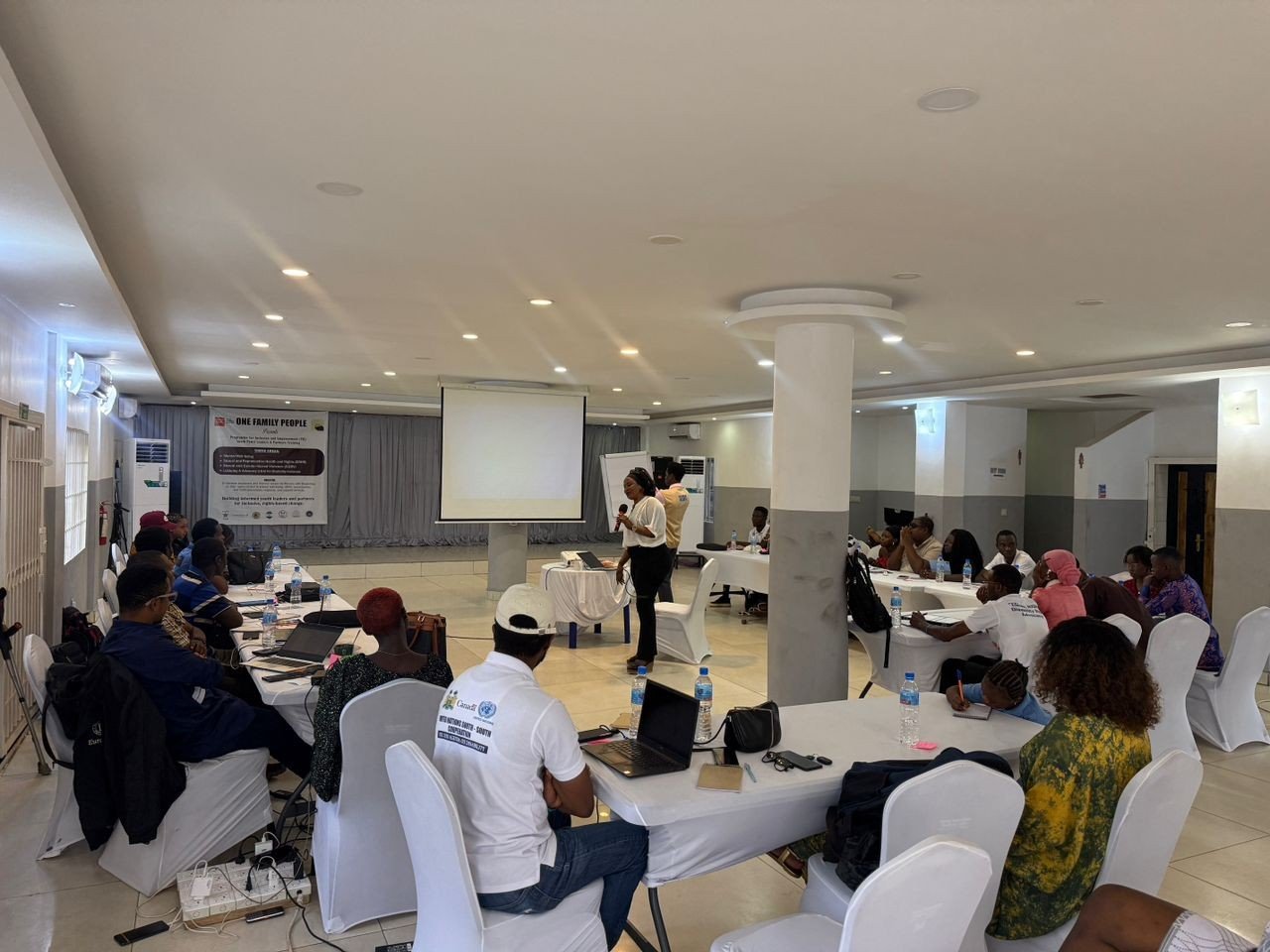
In a significant step towards advancing disability inclusion and rights-based advocacy in Sierra Leone, One Family People (OFP), with support from Liliane Fund, concluded a specialized training programme for youth panel leaders and partner organizations under its Programme for Inclusion and Empowerment (PIE) on Friday, 13th February 2026. The training, held at Saphyre Court Hall in Freetown, focused on four thematic areas: Mental Well-being, Sexual and Reproductive Health and Rights (SRHR), Sexual and Gender-Based Violence (SGBV), and Lobbying and Advocacy for Disability Inclusion.

Samuel POV Macauley, Operations and Programmes Director of OFP, emphasized the importance of building strong youth leadership and institutional capacity to promote disability inclusion nationwide. He highlighted that the training aims to strengthen systems and equip youth leaders and partner organizations to design and implement inclusive, rights-based programmes.

Macauley explained that OFP has evolved from short-term charity interventions to a strategic, evidence-based approach prioritizing systemic change. “We are not just implementing projects; we are building systems and programmes that respond to the real needs of children and young people with disabilities,” he said, noting that this approach requires knowledge, commitment, and a serious engagement from all stakeholders.

He added that OFP has spent years piloting innovative strategies, gathering data, and assessing challenges faced by persons with disabilities to inform more effective programming. “If we are designing programmes in communities, we must ensure they truly reflect the needs of persons with disabilities. We cannot implement activities without first understanding the issues,” Macauley stated.

The Operations Director further highlighted the need to strengthen youth platforms to serve as channels for advocacy, information-sharing, and community engagement. Youth leaders must be equipped with the knowledge and skills to advocate effectively and provide accurate information to their communities.

Macauley explained that the training seeks to increase awareness and improve access for persons with disabilities to essential rights and services related to mental health, SRHR, social justice, and SGBV prevention and response. The programme also aims to strengthen prevention, response, and support systems for survivors of abuse, particularly those living with disabilities.

He noted that young persons with disabilities often face barriers in accessing accurate information, healthcare services, and legal protection. Through capacity-building initiatives, OFP aims to close knowledge gaps while fostering youth-led advocacy. Participants, including youth panel leaders and partner representatives, were trained to advocate for inclusive policies, challenge stigma, and ensure services are accessible to all.

“This training is about building informed youth leaders and partners who can drive inclusive, rights-based change,” Macauley emphasized. “Young people with and without disabilities must be empowered to speak up, demand their rights, and support one another.” He expressed optimism that the initiative would enhance collaboration among youth leaders, civil society organizations, and service providers, ultimately improving the well-being and protection of persons with disabilities.

Maimuna M. Fedu, Programs Manager at Rainbow Initiative, who facilitated a session on Sexual and Gender-Based Violence (SGBV), underscored the urgent need to ensure that persons with disabilities have full access to services addressing SGBV. She described the issue as critical, emphasizing that persons with disabilities are often marginalized and face significant barriers in accessing essential support services.

“Persons with disabilities are frequently left out and isolated,” Fedu said. “They face heightened risks of abuse and encounter multiple barriers when trying to access medical, psychosocial, and legal services. Inclusion is not optional; it is their right.” She urged organizations and service providers to intentionally design programmes that accommodate persons with disabilities, stressing that failure to do so deepens inequality.

Fedu explained that her presentation encouraged participants to reflect on their own perceptions and assumptions about SGBV and disability. She highlighted the importance of practical strategies to ensure survivors with disabilities receive adequate support. “If we are intentional, we can make meaningful progress in our interventions,” she said.

Highlighting Rainbow Initiative’s work, Fedu noted that the organization has been deliberate in reaching persons with disabilities across Sierra Leone, including through mobile clinics and accessible Rainbow Centers. Services provided include clinical care, psychosocial support, and medical certification for survivors, with coordination alongside Family Support Units and community stakeholders.

She acknowledged that SGBV remains a persistent challenge despite existing laws such as the Sexual Offences Act. However, she pointed out that increased reporting demonstrates growing awareness. Fedu emphasized that while complete elimination of SGBV may be challenging, sustained commitment and government-partner collaboration can significantly reduce its prevalence.

Saa Lamin Kortequee, Executive Secretary of the National Commission for Persons with Disability (NCPD), and facilitator of the session on lobbying and advocacy, stressed the importance of strategic advocacy to advance disability inclusion in Sierra Leone. He explained that advocacy is guided by frameworks such as the Persons with Disability Act and the United Nations Convention on the Rights of Persons with Disabilities (UNCRPD).

“Advocacy is about approaching decision-makers with facts and evidence,” Kortequee stated. “We must present documented realities and demonstrate why change is necessary and beneficial for national development.” He noted that effective lobbying requires pre-assessments, data collection, and constructive engagement with policymakers and ministries.

Kortequee highlighted progress made in policy discussions and development planning but stressed the need for greater access to employment and leadership positions for persons with disabilities. He encouraged youth leaders to see themselves as advocates capable of influencing community and national change through evidence-based engagement.

Thomas Lebbie, Head of Programs at the Welfare Society for the Disabled, described the OFP PIE training as a valuable boost to advocacy and youth empowerment efforts. Lebbie noted that the training strengthened the capacity of young people to influence decision-making and champion the rights of persons with disabilities in their districts.

“This training is very significant to our work,” he said. “It adds value to our advocacy efforts and strengthens the capacity of young people who are already engaging in decision-making and rights-based activism.”

Lebbie highlighted that the sessions on SGBV, lobbying, advocacy, and SRHR provided essential knowledge to enhance organizational programming and community interventions. He emphasized that persons with disabilities remain disproportionately affected by SGBV and other rights violations, and that effective advocacy networks are crucial to raising awareness and influencing policies.

He also confirmed plans to cascade the knowledge gained from the training to staff, youth groups, and community stakeholders, ensuring wider dissemination and practical application of the lessons learned. “This training will not end here,” Lebbie affirmed. “We will ensure that the skills and knowledge gained are shared within our organization and among the communities we serve.”

The OFP PIE training successfully brought together youth leaders and partner organizations to strengthen capacity in mental well-being, SRHR, SGBV prevention and response, and disability-focused lobbying and advocacy. Participants left equipped with knowledge, skills, and networks to champion inclusive policies, promote rights-based interventions, and ensure that persons with disabilities have improved access to essential services. https://thecalabashnewspaper.com/ofp-trains-youth-leaders-and-partners-on-disability-inclusion-and-rights/


Paramount Chief of Sambaya Calls on Government to Separate Mining Benefits Among Three Chiefdoms
By Foday Moriba Conteh

Alhaji Musa Bamba Foray Jalloh III, Paramount Chief Member of Parliament for Sambaya Chiefdom in Tonkolili District, has raised concerns over the distribution of surface rent payments made by mining company Leone Rock, calling on the Government of Sierra Leone to urgently investigate the matter.

Speaking on behalf of the people of Sambaya Chiefdom, the Paramount Chief emphasized that while the chiefdom supports constructive dialogue and peaceful engagement, it is currently grappling with what he described as an unfair sharing of surface rent and other mining-related benefits.

He commended Leone Rock as a responsible company that has supported communities within its operational areas. However, he stressed that the issue at hand goes beyond the company and requires government intervention through relevant authorities.

According to Chief Jalloh, although mining activities are fully concentrated in Sambaya Chiefdom, surface rent and other benefits are reportedly being shared among three chiefdoms Sambaya, Simiria, and Dansogoia. He noted that even during the era of London Mining, operations were carried out entirely within Sambaya lands, yet benefits were distributed in the names of the three chiefdoms.

“For over 13 years, the money that is supposed to belong to Sambaya Chiefdom has been shared among three chiefdoms,” he stated. “Mining is taking place in our chiefdom, but when it comes to benefits, they are divided among others.”

He questioned whether the sharing arrangement is based solely on boundary proximity, arguing that shared borders should not automatically entitle neighbouring chiefdoms to equal benefits when mining operations are not taking place on their lands.

Chief Jalloh further alleged that major infrastructure linked to mining operations including company camps and high-rise buildings has been constructed in Dansogoia Chiefdom, while Sambaya, where the bulk of mining occurs, has not received comparable development. He said explanations provided by the company often cite proximity as justification.

Citing official concession data, he stated that Simiria Chiefdom covers 12.34 hectares within the mining concession (0.12 percent), Sambaya covers 5,722.51 hectares (55.49 percent), and Dansogoia covers 4,525.25 hectares (44.39 percent). Based on these figures, he argued that benefits, including surface rent, should be distributed proportionally according to the extent of mining activities and land coverage in each chiefdom.

“What we are asking for is fairness,” he said. “Surface rent and other facilities should be shared according to where mining is actually taking place. A company should pay based on the iron ore mined in each chiefdom.”

The Paramount Chief warned that continued dissatisfaction could create tensions, noting that the chiefdom does not want the situation to escalate to the point of disrupting mining activities.

“We do not want to reach a stage where we stop mining operations. That is why we are appealing to the Government of Sierra Leone to investigate this issue,” he said.

Chief Jalloh disclosed that he has written to several ministries and copied both the Office of the President and the Office of the Vice President seeking intervention.

He concluded by calling on the government to review and clearly separate the entitlements of the three chiefdoms, ensuring that each chiefdom receives benefits that correspond to its contribution within the mining concession.

“We cannot continue to share what rightfully belongs to Sambaya Chiefdom,” he emphasized. “Each chiefdom should benefit according to what is due to it.”

The matter is expected to draw attention from relevant authorities as discussions continue around equitable benefit-sharing in mining communities across the country. https://thecalabashnewspaper.com/paramount-chief-of-sambaya-calls-on-government-to-separate-mining-benefits-among-three-chiefdoms/

Monday, 16 February 2026


ILRAJ Urges President Bio to Withdraw ECSL Chief Nomination Pending Constitutional Reforms
By Amin Kef (Ranger)

The Institute for Legal Research and Advocacy for Justice (ILRAJ) has called on the Government of Sierra Leone to reconsider and withdraw the proposed appointment of Edmond Sylvester Alpha as Chief Electoral Commissioner of the Electoral Commission for Sierra Leone (ECSL), citing legal, procedural and democratic concerns.

In a statement issued on Thursday, ILRAJ referenced a letter from the Office of the President dated February 10, 2026, which nominated Edmond Sylvester Alpha pursuant to Section 32(3) of the 1991 Constitution. While acknowledging the need to fill vacancies in key public institutions, the legal advocacy body argued that proceeding with a substantive appointment at this time risks undermining ongoing constitutional and electoral reforms.

According to ILRAJ, the Constitution of Sierra Leone (Amendment) Act 2025 Bill, currently before Parliament, proposes significant changes to Section 32, including the establishment of a Search and Nomination Committee to oversee transparent and merit-based appointments to the ECSL. The organization contends that confirming a Chief Electoral Commissioner before Parliament concludes deliberations on the proposed reforms would preempt the legislative process and weaken the spirit of the amendments.

“Mr. Alpha is already serving in an acting capacity, ensuring institutional continuity,” ILRAJ noted, adding that rushing to confirm him permanently may entrench existing appointment practices before new constitutional safeguards take effect. The group urged President Julius Maada Bio to withdraw the nomination and await the outcome of parliamentary consideration of the Amendment Bill.

The organization further expressed concern over what it described as a pattern of partisan appointments to leadership positions within institutions expected to function independently. It referenced public perceptions surrounding appointments during and after the disputed 2023 elections, noting that several ECSL commissioners were widely viewed as being aligned with the ruling Sierra Leone People’s Party (SLPP), a situation that contributed to public distrust in the electoral process.

Similar concerns, ILRAJ stated, have also been raised regarding the current leadership of the Political Parties Regulation Commission (PPRC). The advocacy group warned that appointments perceived as politically aligned risk eroding institutional neutrality and transforming oversight bodies into extensions of executive influence.

ILRAJ also questioned the adequacy of consultations conducted under Section 32(3) of the Constitution, which requires the President to appoint ECSL members “after consultation with the leaders of all registered political parties” and subject to parliamentary approval. The group argued that consultations have historically been reduced to brief written notifications requesting feedback within a limited timeframe, often three working days, which it described as insufficient for meaningful engagement.

“This approach falls short of genuine consultation and undermines the constitutional intent of multiparty consensus,” the statement asserted.

The organization therefore called on President Bio to withdraw the nomination, conduct authentic consultations with political stakeholders, and align the process with Tripartite Committee Recommendation 36 as well as the pending constitutional reforms. It also urged Parliament to exercise caution in ratifying the nomination and to prioritize reforms aimed at strengthening transparency, inclusivity and public confidence in the country’s democratic institutions.

ILRAJ concluded by emphasizing that credible and independent electoral management remains central to democratic stability and national cohesion in Sierra Leone. https://thecalabashnewspaper.com/ilraj-urges-president-bio-to-withdraw-ecsl-chief-nomination-pending-constitutional-reforms/


‘Law Must Not Be Tool for Intimidation’ – Chericoco Speaks on APC Crisis
By Alvin Lansana Kargbo

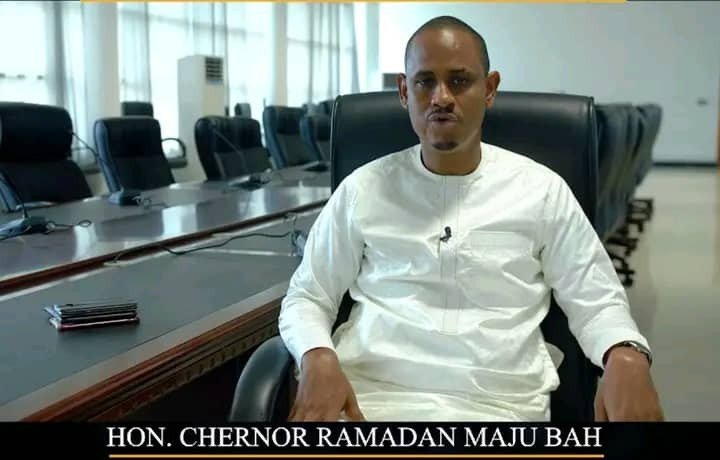
Hon. Chernor Ramadan Maju Bah, widely known as Chericoco, has called for fairness, restraint and respect for democratic principles following recent developments involving the opposition All Peoples Congress (APC).

In a public statement, the former lawmaker and legal practitioner said he had taken note of the suspension of the APC by the Political Parties Regulation Commission (PPRC), the heavy fines imposed on the party and the arrest, court charge, denial of bail and subsequent remand of the APC Secretary General, Lansana Dumbuya, at the Pademba Road Correctional Facility.

Hon. Chernor Ramadan Maju Bah noted that the APC complied with the fines imposed by the PPRC, describing the decision as a demonstration of the party’s respect for the law and for institutions established to uphold it. However, he expressed concern over what he described as an escalation of events despite that compliance.

“The APC complied with the fines because we respect the law and the institutions established to uphold it,” he stated. “It is therefore deeply concerning that, despite this compliance, the situation has escalated in ways that raise serious questions about fairness, proportionality and the protection of Sierra Leone’s democratic space.”

Drawing on his background as a lawyer, Hon. Chernor Ramadan Maju Bah emphasized his belief in the rule of law and the importance of strong and independent institutions. He cautioned, however, that the law must not be perceived as a tool for political intimidation or as a means of weakening legitimate opposition voices.

“But the law must never be perceived or used as a tool for political intimidation,” he said. “Institutions must not appear to weaken legitimate opposition voices. Sierra Leone’s democratic progress depends on fairness, equal treatment and unwavering respect for constitutional principles.”

The former Member of Parliament underscored the importance of public confidence in state institutions, especially in politically sensitive times. According to him, democracy thrives when institutions act with neutrality and integrity.

While expressing full respect for the independence of the judiciary, Hon. Chernor Ramadan Maju Bah urged all state institutions to exercise their mandates with restraint and impartiality. He maintained that good governance requires institutions that safeguard democratic participation rather than restrict it.

“Good governance requires institutions that safeguard democratic participation, not restrict it,” he said.

Hon. Chernor Ramadan Maju Bah also appealed directly to APC members and supporters across Sierra Leone and in the diaspora to remain calm and united. He called for discipline and a continued commitment to peace, stressing that political disagreements should not undermine national stability.

“To APC members and supporters across Sierra Leone and the diaspora, I call for calm, discipline and unity. Let us remain focused, principled and committed to peace,” he urged.

Reaffirming the APC’s stance, Hon. Chernor Ramadan Maju Bah said the party would continue to stand firm in defense of democracy, good governance and the rule of law while working toward a better future for all Sierra Leoneans.

The developments surrounding the APC have sparked widespread public discussion, with many observers closely following actions taken by regulatory bodies and the courts. Hon. Chernor Ramadan Maju Bah’s statement adds to ongoing calls for fairness, proportionality and the protection of Sierra Leone’s democratic space as the matter unfolds. https://thecalabashnewspaper.com/law-must-not-be-tool-for-intimidation-chericoco-speaks-on-apc-crisis/


NCRA Reviews Cost of Biometric ID Cards as New Fees Take Effect February 23
By Amin Kef (Ranger)

The National Civil Registration Authority (NCRA) has announced an adjustment in the cost of its Multi-Purpose and Secured Biometric Identity Cards, with the new fees set to take effect on 23rd February 2026. The Authority said the revision is in line with prevailing exchange rates as determined by the Bank of Sierra Leone and in accordance with the terms of its production agreement.

In a public notice dated 10th February 2026, the NCRA stated that the adjustment follows consultations with key stakeholders and is guided by provisions contained in the Agreement between the Government of Sierra Leone and Constrat Systems SL Ltd. The agreement, which was ratified by Parliament on 4th March 2022, provides for periodic reviews of ID card production costs based on exchange rate fluctuations.

According to the Authority, the cost review is necessitated by exchange rate factors and rising global production costs. Management emphasized that the adjustment is intended to ensure the continued availability of high-quality, securitized biometric ID cards without disruption in supply and service delivery across the country.

Since the official rollout of the biometric ID card system in January 2023, the NCRA has maintained consistent production and issuance services nationwide. The Authority noted that despite increasing global costs for raw materials and production inputs, it has sustained operations to prevent service interruptions and material shortages.

“The cost adjustment reflects fluctuations in currency exchange rates as provided for in Articles 14.1 and 14.2 of the Agreement, which allow for periodic reviews consistent with the prevailing rate at the Bank of Sierra Leone,” the notice stated.

Under the revised pricing structure, the fee for a National ID Card has increased from SLL 145 to SLL 165. The Non-National ID Card, previously priced at SLL 2,005, will now cost SLL 2,305. For ECOWAS Nationals, the cost has been adjusted from SLL 245 to SLL 280, while ECOWAS Non-Nationals will now pay SLL 465, up from SLL 405.

The NCRA explained that the updated costs cover application, production and issuance services. It further stressed that the revision seeks to mitigate potential stock-outs of production materials and safeguard the long-term affordability, reliability and efficiency of the ID card system.

The Authority reaffirmed its commitment to delivering secure and internationally compliant identification services, which play a critical role in strengthening national security, financial inclusion and access to public and private sector services.

Management of the NCRA, in collaboration with its technical partner Constrat Systems SL Ltd, assured members of the public that ID card production and issuance services will continue uninterrupted at all offices, centres and outlets nationwide.

Director General of NCRA, Mohamed Mubashir Massaquoi, reiterated the Authority’s dedication to maintaining high standards in identity management and ensuring that citizens and residents continue to benefit from a reliable and secure national identification system.

The NCRA urged the public to take note of the new pricing structure and to visit its official offices for further inquiries regarding applications and renewals ahead of the effective date. https://thecalabashnewspaper.com/ncra-reviews-cost-of-biometric-id-cards-as-new-fees-take-effect-february-23/


SLCAA Rallies Staff to Drive Customer Service, Integrity and Operational Excellence
By Amin Kef (Ranger)

The Sierra Leone Civil Aviation Authority (SLCAA) has unveiled a renewed strategic vision aimed at strengthening institutional performance, enhancing regulatory compliance and positioning the Authority for sustained growth within the global aviation sector.

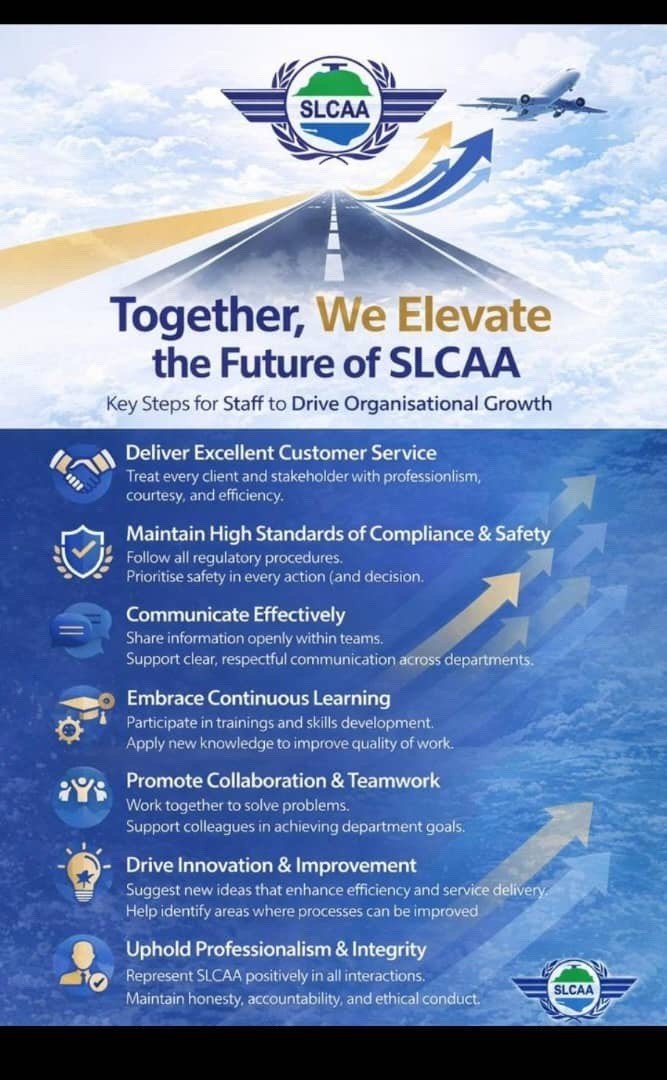
Under the theme: “Together, We Elevate the Future of SLCAA,” the initiative outlines key steps for staff to drive organizational growth while reinforcing professionalism, safety and innovation across all departments.

According to the Authority, the strategy places strong emphasis on delivering excellent customer service, urging staff to treat every client and stakeholder with professionalism, courtesy and efficiency. Management noted that aviation remains a highly service-oriented sector and maintaining strong relationships with airlines, passengers and industry partners is central to SLCAA’s mandate.

In addition to customer service, the Authority underscored the importance of maintaining high standards of compliance and safety. Staff are encouraged to strictly follow all regulatory procedures and prioritize safety in every action and decision. As the country’s aviation regulator, SLCAA plays a critical role in ensuring that Sierra Leone’s airspace operations meet international safety benchmarks and global best practices.

Effective communication has also been identified as a key pillar of the new direction. The Authority is encouraging open information sharing within teams and promoting clear, respectful communication across departments to improve coordination and operational efficiency.

Management further highlighted the importance of embracing continuous learning. Staff are being encouraged to actively participate in training programmes and skills development initiatives, with a focus on applying newly acquired knowledge to improve the quality of work and institutional performance.

Collaboration and teamwork form another core component of the strategy. SLCAA leadership stressed the need for departments to work together in solving problems and supporting one another in achieving shared goals. By fostering unity and collective responsibility, the Authority believes it can strengthen internal cohesion and service delivery.

Innovation and improvement were also prominently featured in the strategic framework. Staff are being urged to suggest new ideas that enhance efficiency and service delivery, as well as identify areas where existing processes can be refined. The move signals SLCAA’s intention to adapt to emerging aviation trends and technological advancements.

The Authority also called on employees to uphold professionalism and integrity in all interactions. Representing SLCAA positively, maintaining honesty, accountability and ethical conduct were described as essential values in building public trust and institutional credibility.

Observers say the new direction reflects a proactive effort by SLCAA to strengthen its internal systems while aligning with international aviation standards. As global aviation continues to evolve, regulatory bodies are increasingly required to demonstrate strong governance, technical competence and customer-focused operations.

By rallying staff around a shared vision of excellence, safety, innovation and integrity, the Sierra Leone Civil Aviation Authority appears determined to elevate its performance and reinforce its role as a key pillar in the country’s transportation and economic development agenda. https://thecalabashnewspaper.com/slcaa-rallies-staff-to-drive-customer-service-integrity-and-operational-excellence/


LÇ’r Restaurant Elevates Freetown’s Lifestyle Scene with Premium Dining Experience
Freetown’s growing appetite for premium hospitality experiences continues to reshape the city’s social landscape, and LÇ’r Restaurant is emerging as one of the establishments at the center of that transformation. Situated along the scenic Peninsular Highway in the Juba–Goderich axis, the upscale oceanfront restaurant is steadily building a reputation as a premier destination for fine dining in Sierra Leone’s capital.

Since its debut, LÇ’r Restaurant has attracted a wide cross-section of patrons, including business leaders, diplomats, tourists, creatives and families seeking a refined dining environment. Industry observers note that the restaurant’s concept goes beyond serving meals, focusing instead on delivering a complete lifestyle experience where cuisine, service and ambiance complement one another.

A major factor behind its growing popularity is its diverse international menu. Designed to cater to varied tastes, the restaurant offers Italian, Japanese, Lebanese, Indian and traditional Sierra Leonean dishes, all prepared to meet premium standards. The kitchen has earned particular recognition for its grilled meats and seafood selections, which have become defining features of the establishment.

Among the standout offerings frequently praised by guests are the golden tomahawk steak, T-bone steak, volcano shrimp and Ebi tempura shrimp. These signature dishes are noted for both their flavor and presentation. For diners who prefer lighter options, salmon salads and assorted seafood platters provide balanced alternatives without compromising quality.

The restaurant’s physical setting also plays a significant role in its appeal. LÇ’r features modern architectural finishes, elegant décor and subtle lighting that create a sophisticated yet welcoming atmosphere. Its rooftop dining and bar area, overlooking the Atlantic coastline, has become one of Freetown’s popular venues for sunset dinners, birthday celebrations, corporate receptions and private events.

Management underscores that customer experience remains central to the restaurant’s operations. Staff members are trained to provide attentive, courteous and timely service, ensuring that guests enjoy a seamless experience from arrival to departure. According to management, the objective is to position LÇ’r not simply as a restaurant, but as a curated hospitality destination aligned with international standards.

In keeping with this commitment, the restaurant operates extended hours to accommodate varying lifestyles. It opens daily from 9:00 a.m. to 11:00 p.m. on weekdays, with service extended until 12:15 a.m. on weekends. Flexible payment options are available, including cash, Visa, Mastercard and digital transfers. Additional amenities such as free parking, valet services and private event spaces further enhance convenience for patrons.

Due to high demand, particularly during weekends and peak hours, guests are advised to make reservations in advance. Hospitality analysts observe that LÇ’r’s increasing patronage reflects a broader shift in Freetown toward premium dining and experiential leisure.

Key Details:


Location: Peninsular Highway, Juba/Goderich, Freetown


Contact: +232 90 002000


Cuisine: International (Sierra Leonean, Italian, Japanese, Lebanese, Indian)


Hours: 9:00 a.m.–11:00 p.m. (Weekdays); until 12:15 a.m. (Weekends)

While Sierra Leone advances its tourism and lifestyle sectors, LÇ’r Restaurant stands as a symbol of modern culinary excellence, seamlessly blending refined international cuisine with the elegance of an oceanfront setting. https://thecalabashnewspaper.com/lor-restaurant-elevates-freetowns-lifestyle-scene-with-premium-dining-experience/


Vice President Highlights National Waste Management Reform in High-Level EU Meeting
By Amin Kef (Ranger)

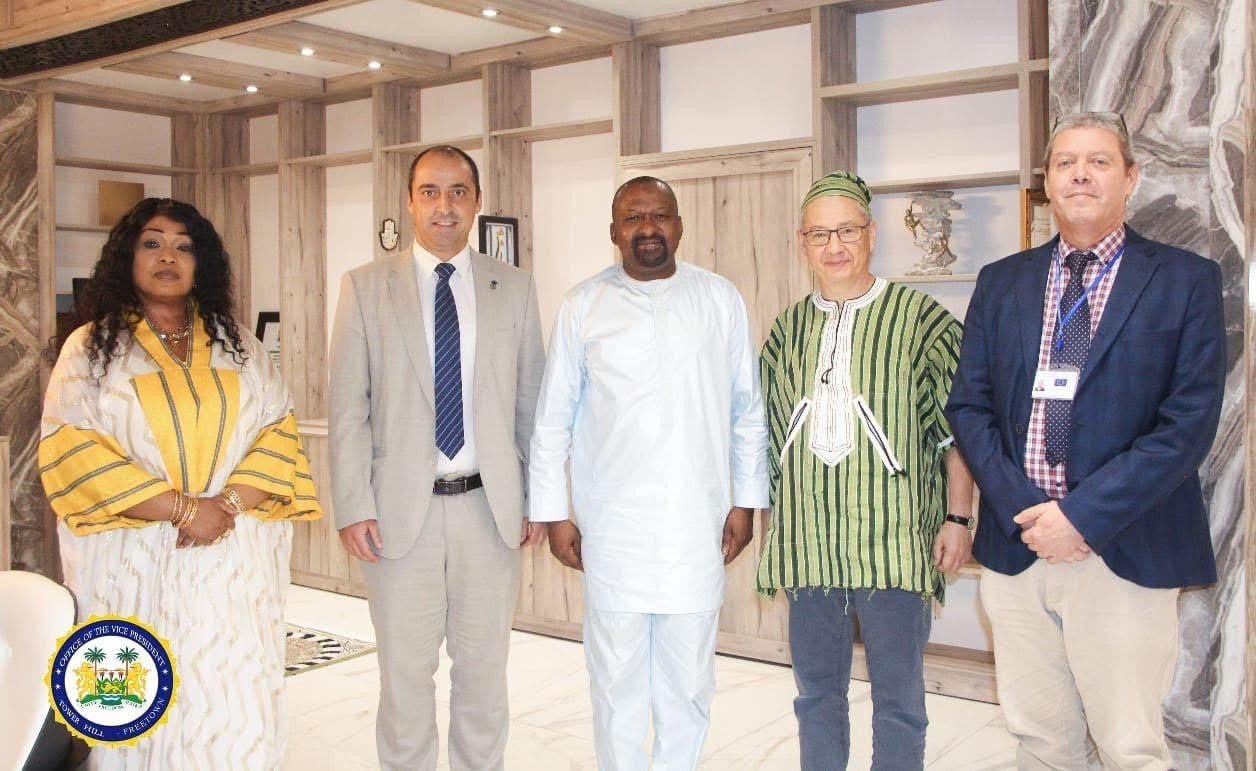
Vice President Dr. Mohamed Juldeh Jalloh on February 13, 2026, met with the European Union (EU) Ambassador and his delegation to discuss ongoing and emerging areas of cooperation between Sierra Leone and the European Union.

The meeting focused on strengthening collaboration in international maritime security, food security and the EU’s Global Gateway initiative, while also highlighting Government’s new priority to reform the country’s waste management system as part of its climate action strategy.

According to the Vice President, discussions with the EU delegation were productive and centered on consolidating long-standing partnership goals. On international maritime security, both sides underscored the importance of continued collaboration to secure regional waters, combat illegal activities at sea and protect marine resources vital to Sierra Leone’s economy.

Maritime security remains a strategic concern for Sierra Leone, given its dependence on fisheries, port operations and maritime trade. Officials say enhanced cooperation with international partners such as the EU will help strengthen surveillance, enforcement capacity and regional coordination.

Food security also featured prominently in the discussions. Dr. Mohamed Juldeh Jalloh reiterated Government’s commitment to agricultural transformation under the “Feed Salone” strategy, which aims to boost domestic food production, reduce import dependency and build resilience against climate-related shocks.

He noted that partnerships with development partners are essential to improving agricultural value chains, enhancing productivity and supporting smallholder farmers across the country. The EU has been a key partner in supporting agricultural and rural development initiatives.

The meeting further explored opportunities under the EU Global Gateway, the European Union’s €300 billion infrastructure initiative designed to support green and digital transitions globally. Sierra Leone is seeking to leverage the initiative to expand infrastructure development, strengthen digital connectivity and accelerate investments in renewable energy and climate-resilient projects.

Beyond those traditional areas of cooperation, the Vice President highlighted Government’s emerging priority to overhaul the national waste management system. He described waste management reform as a critical component of Sierra Leone’s climate change mitigation and environmental protection agenda.

Dr. Mohamed Juldeh Jalloh disclosed that engagements are already ongoing with relevant Ministries, sector leads, the Freetown City Council (FCC), other local councils and private operators to design a sustainable waste management architecture. The objective is to replace outdated and inadequate infrastructure with a system that is efficient, environmentally sound and market-driven.

The Vice President emphasized that modernizing waste management is not only an environmental necessity but also a public health and economic opportunity. A reformed system, he said, would help reduce pollution, create green jobs and contribute to a circular economy model.

The meeting comes shortly after the launch on February 6, 2026, of a $5.4 million United Nations Development Programme (UNDP)-led initiative focused on promoting circular economy and zero-waste systems in Sierra Leone. In addition, a major waste-to-energy project in Freetown, supported by the EU-backed Climate Investor Two fund, is expected to convert approximately 365,000 tonnes of annual waste into green electricity.

Observers say the engagement reflects strengthened Sierra Leone–EU relations, with climate action, food security and sustainable infrastructure development emerging as key pillars of cooperation going forward. https://thecalabashnewspaper.com/vice-president-highlights-national-waste-management-reform-in-high-level-eu-meeting/

Friday, 13 February 2026


Finance Act 2026 Takes Effect: Major Tax Reforms to Boost Revenue, Strengthen Compliance
By Amin Kef (Ranger)

The Government of Sierra Leone has officially enacted the Finance Act 2026, introducing sweeping amendments to the country’s tax and revenue framework aimed at strengthening compliance, modernizing administration and boosting domestic revenue generation.

According to the official summary published by the National Revenue Authority (NRA) in January 2026, the Act has been signed into law by President Dr. Julius Maada Bio and approved by Parliament, with its provisions taking effect from 1st January 2026.

The new legislation amends key statutes, including the Income Tax Act, Goods and Services Tax (GST) Act, Excise Act, Customs Tariff Act and other related laws. The reforms are designed to improve tax administration, widen the tax base, enhance enforcement mechanisms and align Sierra Leone’s tax system with modern global standards.

Among the most notable changes under the Income Tax Act is the adjustment to the Minimum Alternate Tax. Under the new provisions, corporate income tax payable will be the higher of tax on chargeable income or a minimum tax calculated based on company turnover.

The Act also strengthens transfer pricing compliance. Entities engaged in related-party transactions are now required to submit a master file within one month of submission by the parent entity, a local file within two months of filing annual returns in Sierra Leone and a country-by-country report within one year from the end of the relevant tax period.

Failure to comply with those documentation requirements attracts penalties generally calculated at 3% of the transaction value, with a cap not exceeding 3% in cases of multiple violations.

Additionally, a new definition of “royalty” has been introduced. Royalty payments now explicitly cover copyrights, patents, designs, technical know-how, software use, film and video rights, ancillary activities and partial or total forbearance relating to such rights.

The Act repeals the investment allowance, which previously permitted a 5% deduction of qualifying asset costs from business income. Furthermore, redundancy payments and payments for termination or loss of employment are no longer subject to tax.

Corporate income tax and several withholding tax rates have been revised. Adjustments affect taxes on rent, dividends paid to non-residents, interest paid to non-residents, contractor payments to non-residents and management and professional fees for non-residents.

Corporate Social Responsibility (CSR) provisions have also been updated. Taxpayers engaging in CSR activities that complement Government priorities may now claim a 25% tax credit on qualifying expenses. In addition, rental income tax will apply to the imputed market value of owner-occupied premises used for business purposes.

The Finance Act 2026 introduces important changes to the Goods and Services Tax framework.

To promote affordability and support the energy transition, GST exemptions and zero-rated supplies have been expanded to include the supply of water (including sachet water, excluding bottled and high-end domestic water), mini-grids, renewable energy systems, solar home systems, raw fish imports (excluding processed or packaged fish), LPG cooking systems, clean-cooking equipment, and related accessories.

The Act clarifies that GST is payable at the end of the following month and updates enforcement provisions by repealing Section 40A and replacing Section 100 of the GST Act.

Significantly, digital services supplied by non-residents for use or consumption in Sierra Leone are now deemed taxable. Non-resident digital suppliers must charge GST on the value of digital services and are required to appoint a local representative if they do not have a physical presence in the country.

The law also strengthens Electronic Cash Register (ECR) compliance. Businesses must ensure continuous and uninterrupted use of compliant ECR machines and replace any faulty devices at a cost determined by the Commissioner-General and published in the Gazette.

Goods and services supplied to international organizations operating under parliament-approved agreements remain exempt from GST, subject to verification through the GST Relief Certificate regime.

The Act revises excise duty rates on several products, particularly tobacco and related items.

Unmanufactured and manufactured tobacco now attract NLe 98 per kilogram, while cigarettes containing tobacco are taxed at NLe 3 per packet of 20 sticks. Cigars, cheroots, and cigarillos are subject to NLe 38 per packet of 20 sticks. Electronic cigarettes are taxed at NLe 0.75 per milliliter, and vape cartridges at NLe 1.20 per unit. Shisha tobacco is taxed at NLe 98 per kilogram and NLe 225 per litre.

Excise duties on cement and petroleum products have also been introduced or adjusted. Cement is now subject to NLe 10 per 50kg bag, while various petroleum products, including kerosene, petrol, diesel, fuel oil, and lubricating oil, are subject to revised per-litre excise rates.

New excisable items now include bagged or packaged cement, fertilizer, cooking oil in containers, and bagged or packaged sugar.

The Act introduces new customs duties on selected imported goods. Imported tomato ketchup and sauces, tomato paste, eggs, bottled water, and Maggi cubes now attract a 35% tariff rate.

In contrast, to encourage clean energy adoption, LPG cylinders (6kg–12kg), LPG stoves and accessories, solar panels under 300W, and solar home system accessories are exempted with a 0% tariff rate.

Demurrage provisions have also been amended. The new law provides for 10 calendar days of demurrage-free period, excluding Sundays and public holidays. The provision applies to both imports and exports but excludes delays caused by carriers.

Updated royalty rates for granite and dimension stones take effect from May 2025. Stones other than dimension stones and marble are set at US$17.50 per metric ton, while dimension stones and marble attract US$35 per metric ton.

Annual Vehicle Circulation Permit levies have been revised. Cars, trucks, and three- and four-wheelers (excluding motorbikes and bicycles) are now charged NLe 500 annually, while motorbikes attract NLe 200. Large boats and vessels exceeding 15 seats are subject to US$1,000 or its Leone equivalent.

The fee for obtaining a Tax Clearance Certificate has been standardized at NLe 100 for all categories of taxpayers. Vessel manifests must now be submitted seven days before arrival to the Commissioner-General, with failure attracting a penalty of 25% of the value of the goods.

With these comprehensive reforms, the Finance Act 2026 signals a renewed drive by government to strengthen fiscal sustainability, enhance transparency, and ensure that businesses and individuals operate within a more robust and modernized tax regime. https://thecalabashnewspaper.com/finance-act-2026-takes-effect-major-tax-reforms-to-boost-revenue-strengthen-compliance/


Vice President Among Seven Cleared for SLPP 2028 Flag Bearer Race
By Amin Kef (Ranger)

The National Secretary General of the ruling Sierra Leone People’s Party (SLPP), Hon. Umarr Paran Tarawally, has stated that only seven individuals currently qualify to contest for the party’s flag bearer position ahead of the 2028 general elections, in accordance with the SLPP August 2020 Constitution.

Speaking on the matter, Hon. Umarr Paran Tarawally explained that eligibility under the party’s constitutional provisions is strictly guided by membership within the category of Distinguished Grand Chief Patron. According to him, only individuals who meet the constitutional criteria and have fulfilled all financial and tenure requirements within this category are eligible to contest.

He named the seven qualified individuals as:

- Dr. Mohamed Juldeh Jalloh


- Dr. Prince Alex Harding


- Umaru Napoleon Koroma


- Sulaiman Banja Tejan-Sie


- Jacob Jusu Saffa


- John Oponjo Benjamin


- Alhaji Momodu Koroma

Hon. Umarr Paran Tarawally emphasized that all seven have served within the category of Distinguished Grand Chief Patron for a minimum of five years and have fully paid their dues for five years and above as required under the party’s governing document.

Referring specifically to Article 2(e) of the SLPP Constitution (August 2020), the National Secretary General outlined the framework governing membership in the Distinguished Grand Chief Patron category.

Under the Constitution, eligibility for this status requires that an individual must have previously served in one of the following senior leadership positions within the party:

- Leader


- Deputy Leader


- Party National Chairman


- National Secretary General


- Presidential Candidate


- Vice Presidential Candidate

Additionally, Article 2(e) provides that, in exceptional circumstances, the National Executive Council (NEC) or Party Conference may confer the title of Distinguished Grand Chief Patron on deserving individuals and invite them into the membership category.

However, Hon. Umarr Paran Tarawally, clarified that such conferral is subject to a clearly defined process.

According to the constitutional provisions cited by the Secretary General:

- The National Executive must conduct due diligence and submit the names of individuals it deems fit for admission into the category of Distinguished Grand Chief Patron to the NEC or Party Conference for approval.


- If approved, the decision must be formally captured in the Resolutions of that NEC or Party Conference.


- Only after such approval can the individual commence payment of dues under that category.

He stressed that since the adoption of the 2020 Constitution, no NEC or Party Conference has conferred the title of Distinguished Grand Chief Patron on any additional individual under the exceptional circumstances clause.

“There is no Resolution to confirm such conferral since 2020,” he stated, underscoring that eligibility must be grounded in documented constitutional compliance rather than informal claims.

With general elections slated for 2028, the clarification by the National Secretary General is expected to shape internal party discussions and political alignments within the SLPP.

By limiting eligibility strictly to those who meet the constitutional requirements and whose status is properly documented in NEC or Party Conference resolutions, the party leadership appears to be reinforcing adherence to internal democratic processes and constitutional order.

Political observers note that early clarification of eligibility criteria may help prevent internal disputes and ensure transparency as the party gradually prepares for its next leadership transition.

With the ruling party positioning itself for the 2028 electoral cycle, Hon. Paran Tarawally’s statement signals a firm commitment to constitutional compliance and procedural integrity in determining who can legitimately contest for the SLPP’s highest internal political office. https://thecalabashnewspaper.com/vice-president-among-seven-cleared-for-slpp-2028-flag-bearer-race/


Walton Ekundayo Gilpin Calls for Digital Innovation to Close Africa’s Trade Finance Gap
Dr. Walton Ekundayo Gilpin, Managing Director and Chief Executive Officer of Rokel Commercial Bank (RCBank), has underscored the pivotal role of trade finance in driving the successful implementation of the African Continental Free Trade Area (AfCFTA).

He made the remarks while speaking at the African Trade Leaders Dialogue held in Banjul, The Gambia, where he addressed participants on the theme: “Can Trade Finance Be a Key Driver of AfCFTA?”

In his presentation, the RCBank CEO cautioned that Africa’s ambitious free trade agenda could fall short of expectations if financial systems across the continent are not strategically aligned to support cross-border trade.

“Trade liberalization without trade finance cannot deliver meaningful integration. Finance is the engine that must power AfCFTA,”  Dr. Walton Ekundayo Gilpin stated.

He explained that although AfCFTA presents enormous opportunities for intra-African trade, many African businesses, particularly small and medium-sized enterprises (SMEs), remain excluded due to limited access to affordable and structured trade finance facilities.

According to Dr. Walton Ekundayo Gilpin, closing Africa’s trade finance gap requires stronger collaboration among commercial banks, Governments, regional financial institutions and development partners. He stressed that without deliberate efforts to strengthen financial intermediation, the continent’s trade ambitions could remain largely theoretical.

The banking executive also highlighted the importance of leveraging digital innovation to modernize trade finance processes. He called for the adoption of digital trade finance solutions capable of reducing transaction costs, improving transparency and strengthening regional value chains.

Dr. Walton Ekundayo Gilpin noted that technological integration would not only enhance efficiency but also build confidence among trading partners across African markets.

His intervention at the dialogue reflected a growing consensus among African financial leaders that trade finance must be treated as a central pillar, rather than a peripheral instrument, in the realization of AfCFTA’s transformative objectives.

Beyond access to finance, Dr. Walton Ekundayo Gilpin identified several structural challenges that must be addressed to make trade finance more effective across the continent. These include resolving cross-border payment settlement issues, improving logistics infrastructure, enhancing productive capacity, increasing value addition and addressing trust deficits in trade transactions.

He maintained that tackling those constraints holistically would shrink the trade finance gap and unlock greater participation in intra-African commerce.

AfCFTA, which aims to create the world’s largest free trade area by connecting 54 African countries, is widely regarded as a potential game-changer for economic integration, industrialization and job creation. However, experts at the dialogue agreed that access to reliable and affordable trade finance remains a decisive factor in determining whether the agreement achieves its intended impact.

Dr. Walton Ekundayo Gilpin concluded by urging policymakers and financial institutions to prioritize trade finance reforms as part of broader continental integration strategies.

“With strategic investment, innovation and policy alignment, trade finance can unlock markets, empower African businesses and elevate Africa’s position in global trade,” he said.

The African Trade Leaders Dialogue brought together policymakers, financial executives and trade experts to explore practical solutions for accelerating intra-African trade and strengthening regional economic cooperation. https://thecalabashnewspaper.com/walton-ekundayo-gilpin-calls-for-digital-innovation-to-close-africas-trade-finance-gap/


NCRA Opens ID Production Centre in Lungi to Boost Decentralisation
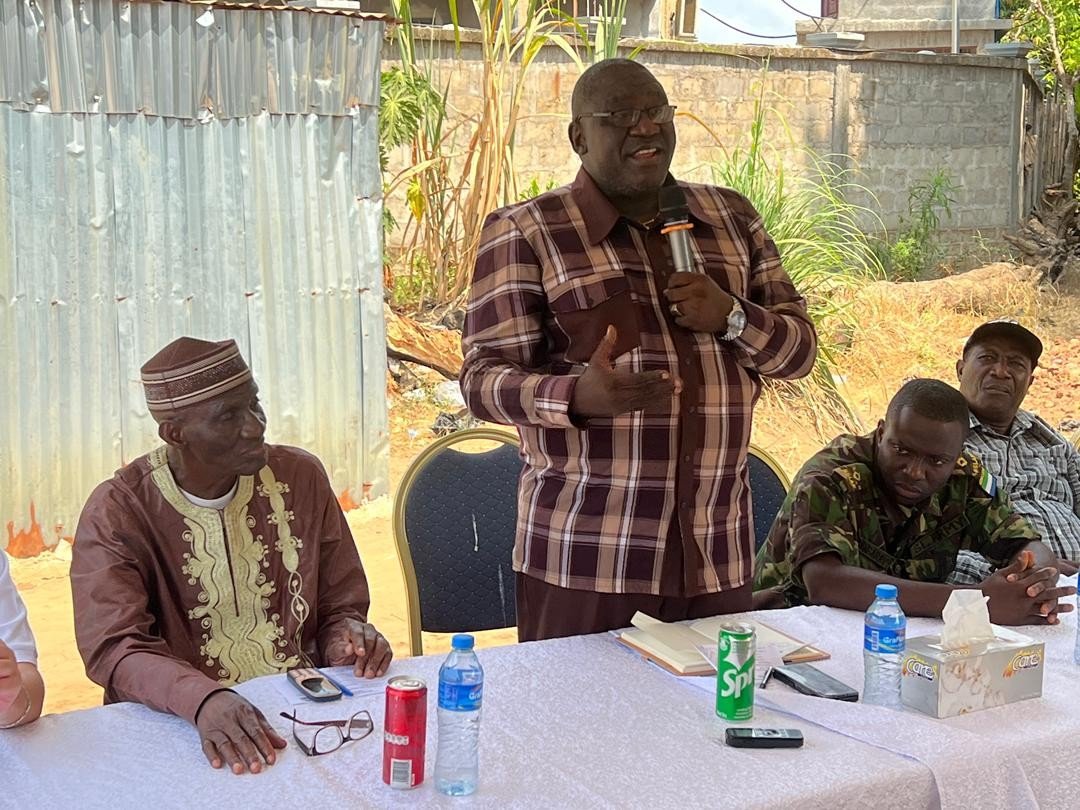
In a major boost to decentralisation and improved access to legal identity services, the National Civil Registration Authority (NCRA) has officially opened a National Identification Card production and issuance outlet in Kasongha, Lungi, Kaffu Bullom Chiefdom in Port Loko District.

The new facility was commissioned by the Director General of the NCRA, Mohamed Mubashir Massaquoi and is expected to serve residents of Kaffu Bullom Chiefdom, as well as adjoining chiefdoms including Lokomasama, Kamasondo and surrounding communities across Port Loko District.

The establishment of the Lungi outlet forms part of Government’s broader policy drive to decentralize essential public services and reduce the financial and logistical burden faced by citizens who previously had to travel to Freetown or other district centres to obtain their national identity cards.

Addressing traditional leaders, security personnel, youth representatives and community members during the launch ceremony, Director General Mohamed Mubashir Massaquoi said the opening of the centre fulfils President Julius Maada Bio’s commitment to expand ID services nationwide.

“When this project was launched, His Excellency made it clear that ID services would no longer remain concentrated in Freetown,” Mohamed Mubashir Massaquoi stated. “Today, we are delivering on that promise. The people of Lungi and its surrounding communities no longer need to travel long distances or incur unnecessary costs to secure their national ID cards. The service is now closer to them.”

For years, residents of Lungi, home to the Freetown International Airport, were compelled to cross over to Freetown or travel to Port Loko town to process their ID cards. The associated transportation, feeding and sometimes accommodation costs posed significant challenges, particularly for low-income earners, women, youths and the elderly.

Mohamed Mubashir Massaquoi noted that the new centre will provide immediate economic relief while improving efficiency in service delivery.

“In the past, citizens bore extra expenses simply to obtain a single document. That inconvenience has now been addressed. Eligible residents can now access services here within the stipulated timeframe,” he assured.

Beyond convenience, the Director General emphasized that expanding access to national ID cards strengthens social inclusion and national development. The national ID card is increasingly required for banking services, passport acquisition, university admission, driver’s licence processing, employment documentation, business registration and other public and private sector transactions.

He reminded residents that obtaining a national ID card is both a right and a civic responsibility.

“Government has created the enabling environment. It is now the responsibility of every eligible citizen and legal resident to register and secure their national identity. Do not wait until you miss critical opportunities due to lack of proper identification,” he urged.

Responding to media inquiries, Mohamed Mubashir Massaquoi confirmed that the Lungi outlet operates under the same standards, procedures and quality controls as the NCRA head office in Freetown and other regional centres nationwide. He added that any fee adjustments would strictly follow contractual agreements and regulatory guidance.

“We are a compliant institution,” he said. “Any review of fees will align with the agreement between Government and service vendors and will be guided by the Bank of Sierra Leone.”

Local authorities welcomed the development. Acting Chiefdom Speaker of Kaffu Bullom Chiefdom and Section Chief, Alhaji Al-Imam Samba Dumbuya II, expressed appreciation to Government and the NCRA leadership for responding to longstanding appeals for an office in Lungi.

“Our Paramount Chief and community stakeholders have long advocated for this service,” he said. “Today marks a significant milestone for our chiefdom. We thank the Government and the NCRA for bringing this essential facility to our people.”

Community members also described the new outlet as a symbol of relief and inclusion, noting that repeated journeys to Freetown or Port Loko had previously caused hardship and delays.

With identity verification playing a crucial role in governance, law enforcement and development planning, the NCRA leadership maintained that expanded registration coverage will enhance the integrity of national records and support national security coordination.

The Authority reiterated that decentralisation remains central to its operational strategy. In addition to establishing permanent offices, the NCRA continues to deploy mobile registration teams to remote communities upon request to ensure broader national coverage.

Under the leadership of Director General Mohamed Mubashir Massaquoi, the NCRA continues to operationalize Government’s decentralisation agenda, translating policy commitments into accessible public services for communities across Sierra Leone. https://thecalabashnewspaper.com/ncra-opens-id-production-centre-in-lungi-to-boost-decentralisation/


Marampa Mines Women’s Premier League 2025/2026 Season Officially Underway
The 2025/2026 season of the Marampa Mines Women’s Premier League (MWPL) has officially kicked off, marking the return of top-flight women’s football with renewed energy and heightened expectations across Sierra Leone.

Following the off-season break, clubs have returned to action with determination and focus, setting the stage for what promises to be an exciting and highly competitive campaign. Fans are already witnessing intense matchups as teams battle for early dominance in the standings.

The league continues to enjoy robust backing from Marampa Mines Limited, whose sponsorship package of USD 150,000 (approximately Le 3,387,030) reaffirms the company’s commitment to promoting women’s football and empowering female athletes nationwide. The investment is expected to enhance league organization, improve match-day experience, strengthen fan engagement and contribute to the broader development of women’s sports, particularly within host communities.

Early fixtures have demonstrated the competitive spirit of the season. Mogbwemo Queens FC have emerged as early table leaders following an impressive run of performances. Ram Kamara FC are closely trailing in second position, signaling the possibility of a tightly contested title race as the season progresses.

Meanwhile, teams at the lower end of the table are already engaged in fierce battles to avoid relegation. The intensity of competition suggests that every fixture will carry significant weight, with clubs determined to secure their top-flight status and avoid slipping into the drop zone.

League officials have expressed optimism that the 2025/2026 season will not only deliver high-quality football but also serve as a powerful platform for showcasing the talent, discipline and resilience of women footballers across the country. The Marampa Mines Women’s Premier League has increasingly become a vital avenue for nurturing emerging talent and inspiring young girls to pursue careers in sports.

Beyond the competition itself, stakeholders believe the league continues to play a significant role in community development, youth empowerment and the promotion of gender equality in sports. The sustained corporate support from Marampa Mines Limited is viewed as a strong endorsement of women’s football and its growing impact on national development.

As the season unfolds, supporters are encouraged to follow match schedules, team updates and league developments through official channels, including www.marampamines.com (http://www.marampamines.com).

With the championship race taking shape and early momentum already building, the 2025/2026 Marampa Mines Women’s Premier League promises months of thrilling football action and memorable sporting moments. https://thecalabashnewspaper.com/marampa-mines-womens-premier-league-2025-2026-season-officially-underway/


APC Secretary General Remanded; Party Cleared After Suspension Ban Lifted
By Amin Kef Sesay

The National Secretary General of the main opposition All Peoples Congress (APC), Lansana Dumbuya Esq., has pleaded not guilty to three criminal charges, even as the Political Parties Regulation Commission (PPRC) officially lifted a brief suspension imposed on the party following payment of fines.

Lansana Dumbuya made his first court appearance on Thursday, 12 February 2026, before Magistrate Mustapha Brima Jah at Court No. 1 on Pademba Road in Freetown. He is facing three counts filed by the Criminal Investigation Department (CID), including incitement, insulting conduct and public insult against the President of the Republic of Sierra Leone.

According to the prosecution, the charges stem from statements allegedly made by the APC National Secretary General which were deemed offensive and capable of inciting public disorder. The state maintains that such remarks contravene provisions of the law relating to incitement and conduct likely to disturb public peace.

However, the defence team argued that the statements attributed to Lansana Dumbuya fall within the ambit of lawful political expression and democratic engagement. Defence lawyers contended that in a constitutional democracy, political actors must be allowed to express dissenting views, emphasizing the protection of freedom of speech under the law.

After the charges were read in court, Lansana Dumbuya pleaded not guilty to all three counts.

However, Magistrate Brima Jah denied bail following preliminary submissions and ordered that the accused be remanded pending further proceedings. While detailed reasons for the denial were not immediately provided in open court, the matter has been adjourned to 16 February 2026 for hearing.

The case has generated considerable public and political attention, particularly given the prevailing political climate in the country.

Meanwhile, in a separate but related development affecting the APC, the Political Parties Regulation Commission (PPRC) on the same day announced the lifting of a suspension earlier imposed on the party.

In a letter dated 12 February 2026 and addressed to the APC National Secretary General at the party’s headquarters at 11A Old Railway Line, Brookfields, Freetown, the Commission confirmed that it had reviewed the circumstances surrounding the suspension imposed on 11 February 2026.

The letter, signed by the Executive Secretary of the PPRC, Olushogo A. David, stated that the decision to lift the suspension followed the party’s compliance with the payment of fines earlier imposed by the Commission.

“I am directed by the Commission to refer to the suspension imposed on the All People’s Congress (APC) Party on 11th February, 2026 and to inform you that the Commission has reviewed the circumstances relating to the said suspension,” the correspondence noted.

It further stated that “following the Party’s compliance with the payment of the fines imposed, the Commission is pleased to notify your Party that the suspension is hereby lifted with immediate effect.”

The lifting of the suspension restores the APC to full operational status under the Political Parties Act (No. 25) of 2022, allowing it to resume meetings, conduct internal elections, and carry out other administrative and political activities within the framework of the law.

The PPRC urged the party to continue upholding the provisions of the Political Parties Act and to maintain full compliance with all directives and obligations required of registered political parties in Sierra Leone.

Although the Commission’s letter did not detail the specific violations that led to the fines, the action underscores its regulatory mandate to ensure that political parties operate in accordance with national laws.

With the APC’s National Secretary General currently facing criminal proceedings and the party’s suspension now lifted, political observers say the coming days will be critical for both the party’s internal cohesion and its broader political engagement.

The court hearing scheduled for 16 February 2026 is expected to determine the next phase of the legal process, as stakeholders across the political spectrum continue to monitor developments closely. https://thecalabashnewspaper.com/apc-secretary-general-remanded-party-cleared-after-suspension-ban-lifted/


Lawyers’ Society Questions Proposed Appointment of Edmond Alpha as Chief Electoral Commissioner
By Foday Moriba Conteh

The Lawyers’ Society has expressed strong reservations over the proposed appointment of Edmond Sylvester Alpha as Chief Electoral Commissioner of the Electoral Commission for Sierra Leone (ECSL), citing ongoing constitutional review discussions and pending electoral reform recommendations.

In a Press Release issued following the circulation of a letter dated 10 February 2026, reportedly from the Office of the President, the Society noted that the correspondence sought the views of all registered political parties regarding the President’s intention to appoint Edmond Sylvester Alpha, who currently serves as an ECSL Commissioner, as Chief Electoral Commissioner.

The consultation process is in line with Section 32(3) of the 1991 Constitution of Sierra Leone (as amended), which requires the President to consult all registered political parties prior to appointing a Chief Electoral Commissioner.

However, the Lawyers’ Society cautioned that proceeding with the appointment at this stage could undermine ongoing constitutional reform efforts and the implementation of key provisions contained in the Agreement for National Unity, commonly referred to as the Tripartite Agreement.

According to the Society, both the Constitutional Review Committee Report and the Tripartite Report recommend amendments to the existing appointment procedure under Section 32(3). Specifically, the report calls for the establishment of a Search and Nomination Committee tasked with providing nominees to the President for appointment to the ECSL and the Political Parties Regulation Commission (PPRC).

The Society argued that appointing a new Chief Electoral Commissioner before implementing those recommendations may compromise the credibility of the reform process.

“Proceeding with the appointment prior to implementing Recommendation 36 of the Tripartite Recommendations and Recommendation 8.10 of the Constitutional Review Committee may create the perception of insufficient commitment to genuine electoral reforms and governance,” the statement noted.

The Society further referenced Recommendation 6, which calls for an external functional review of the ECSL, suggesting that the appointment of a new Chief Electoral Commissioner before such reforms are enacted could risk repeating past challenges related to transparency and accountability, particularly those raised in the aftermath of the 2023 elections.

It emphasized that reform measures aimed at strengthening electoral governance should be fully implemented before key leadership appointments are made.

In light of those concerns, the Lawyers’ Society urged the Government of Sierra Leone to reconsider the timing of the proposed appointment, conclude the constitutional review process and fully implement the recommendations contained in the Tripartite Agreement especially those relating to the appointment procedures for members of the ECSL and PPRC.

The proposed appointment has sparked debate among legal and political stakeholders, with observers noting that electoral reforms remain central to national dialogue on governance and institutional integrity.

Government authorities have yet to issue an official response to the concerns raised by the Society. https://thecalabashnewspaper.com/lawyers-society-questions-proposed-appointment-of-edmond-alpha-as-chief-electoral-commissioner/